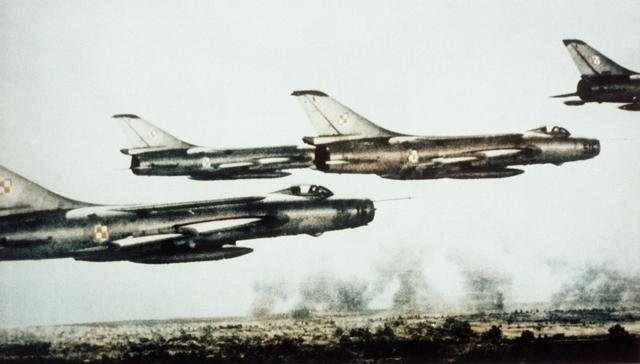
Most of the supersonic aircraft of the Sukhoi design bureau built in the 1960s and 1970s were fitted with characteristic ejection seats whose load-bearing structure was based on Elektron plates. Depending on the aircraft type and production year, its cockpit contained a KS-2, KS-2A, KS-3,
KS-4, KS-4U-22 or KS-4S-32 seat. All of them were developments of the KS-1 prototype (kresło Sukhogo – Sukhoi seat)
and differed essentially only in details of their equipment. The KS-3 seat was used in the Su-7BM, Su-7BMK, late-series Su-9, Su-11 and early-series Su-15. The safer KS-4 was intended for the Su-7BKL, Su-15T/TM and the experimental T-58D1 and T-58L UWD-58M.
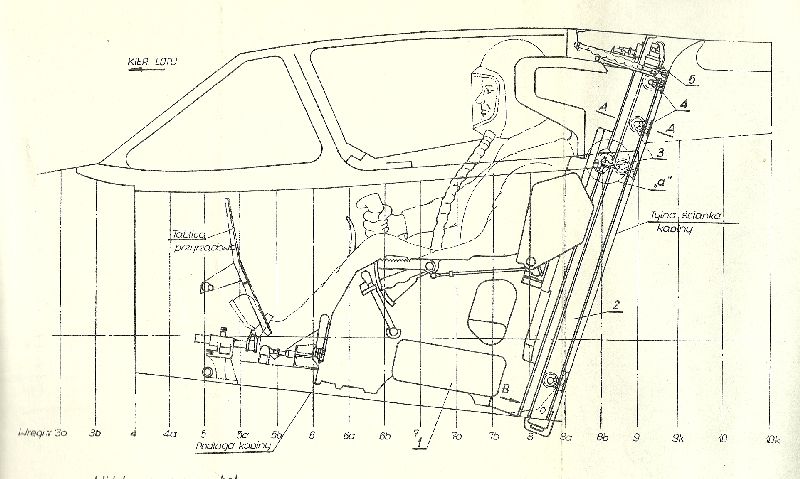
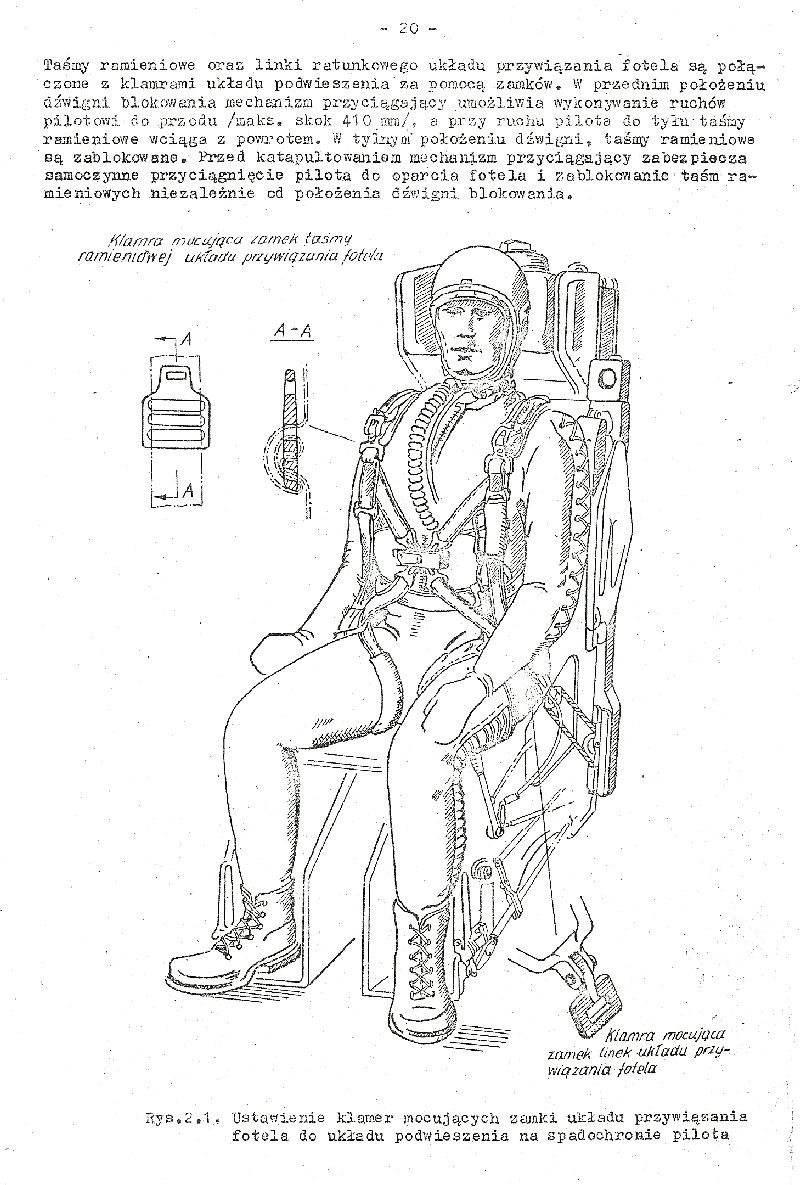
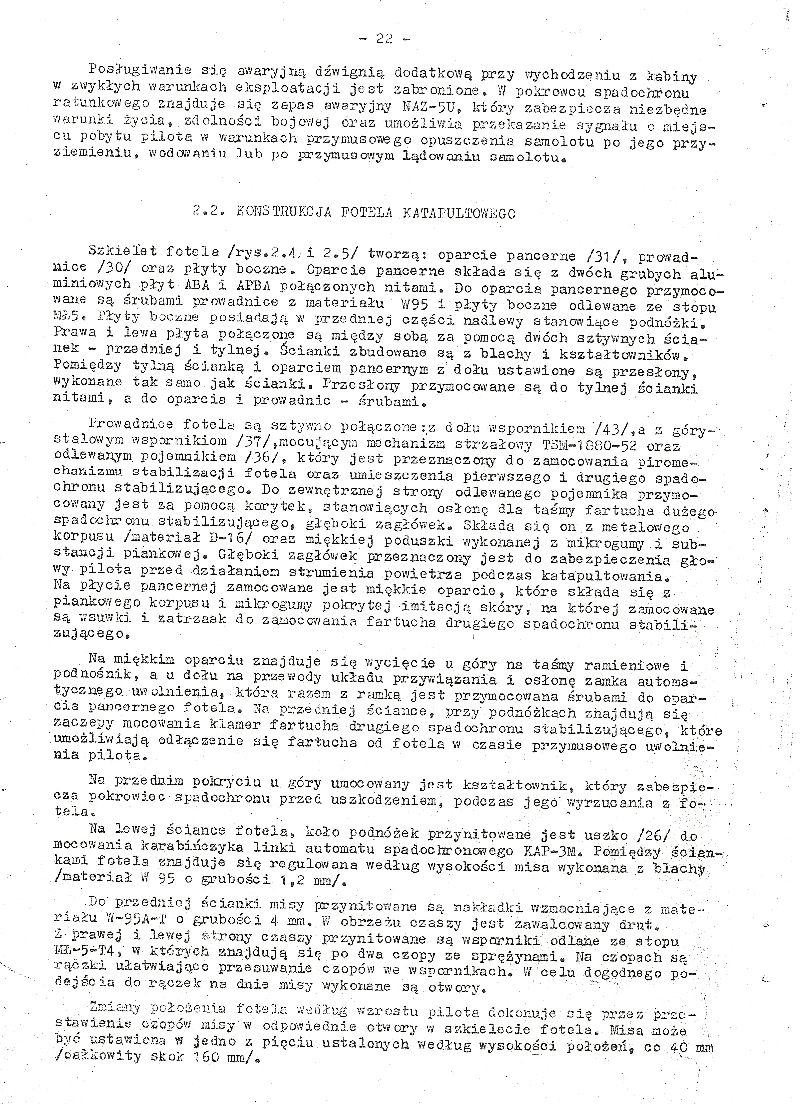
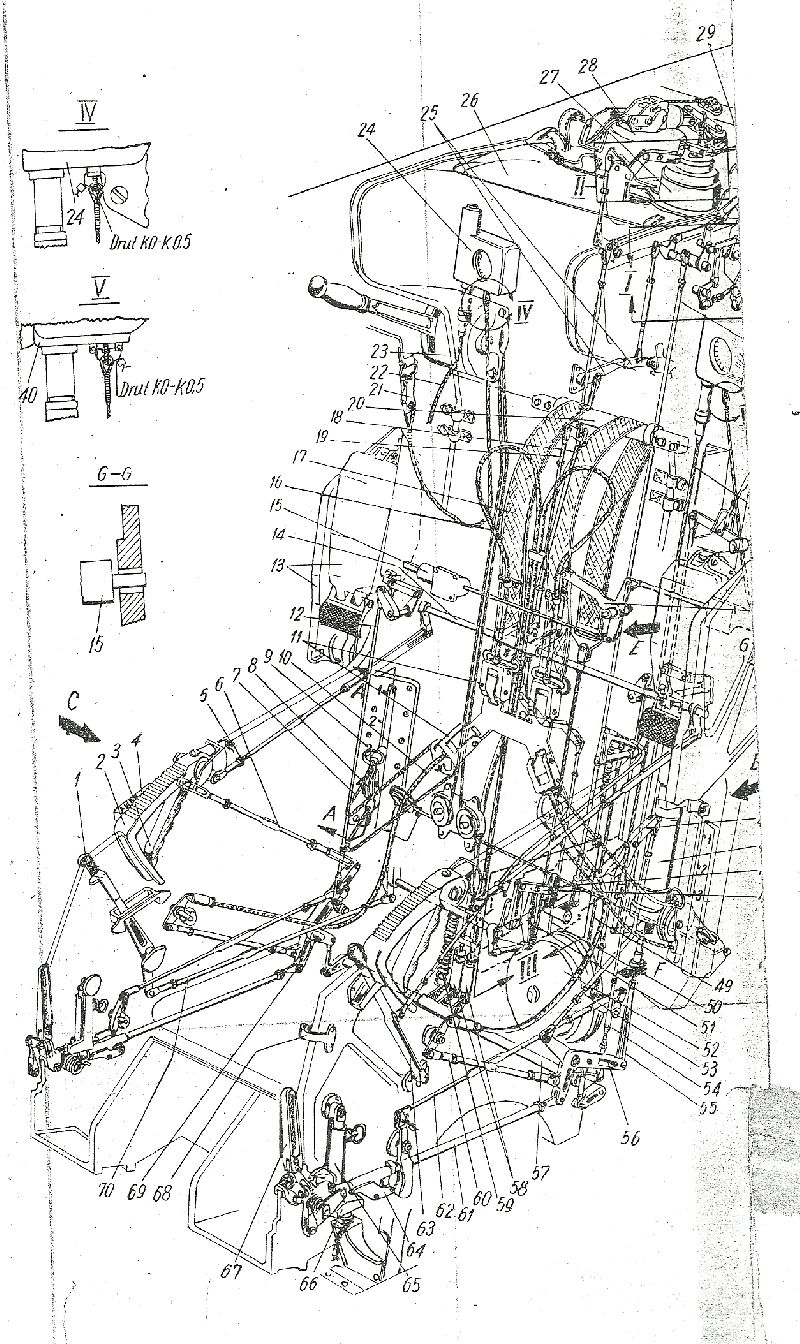
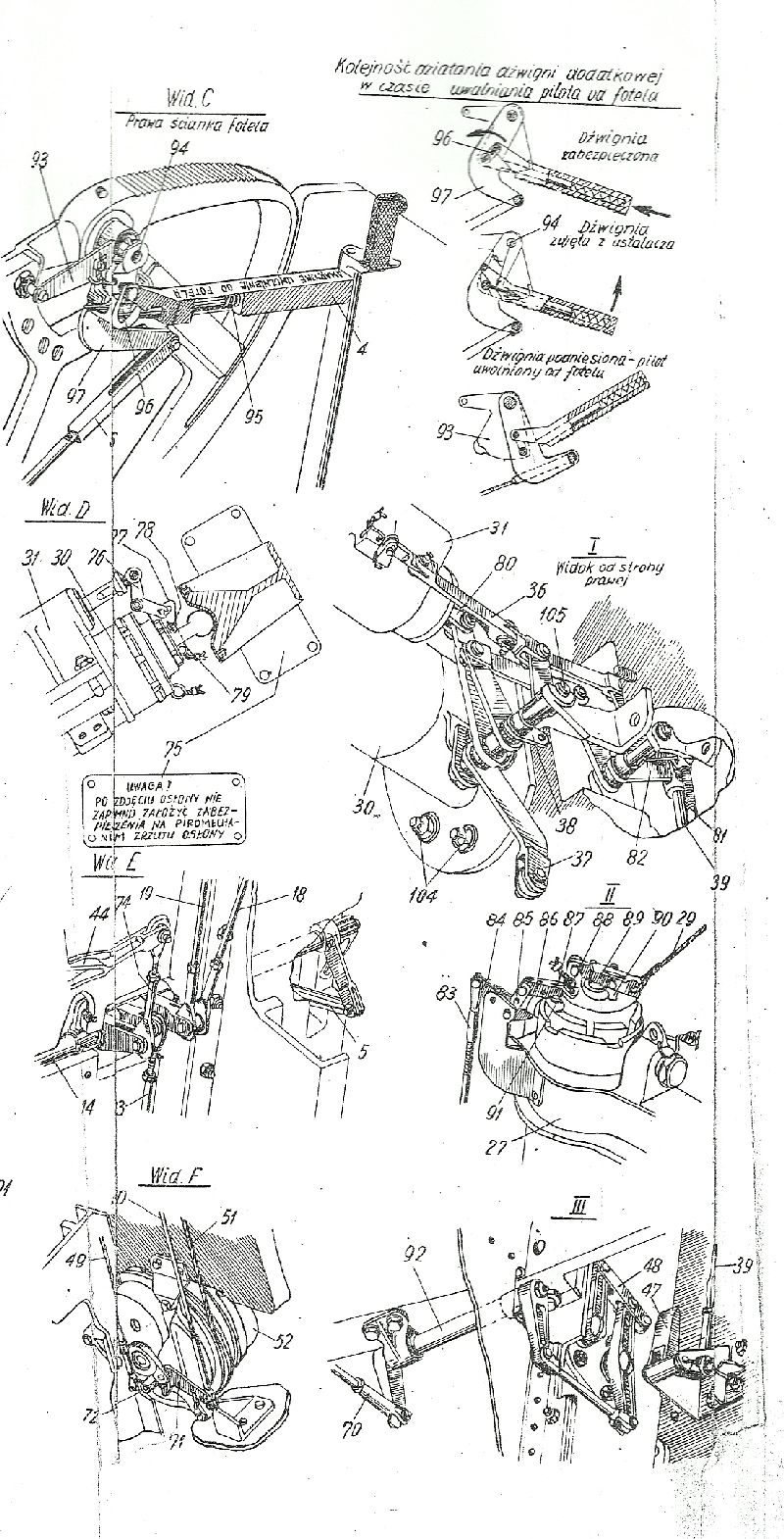
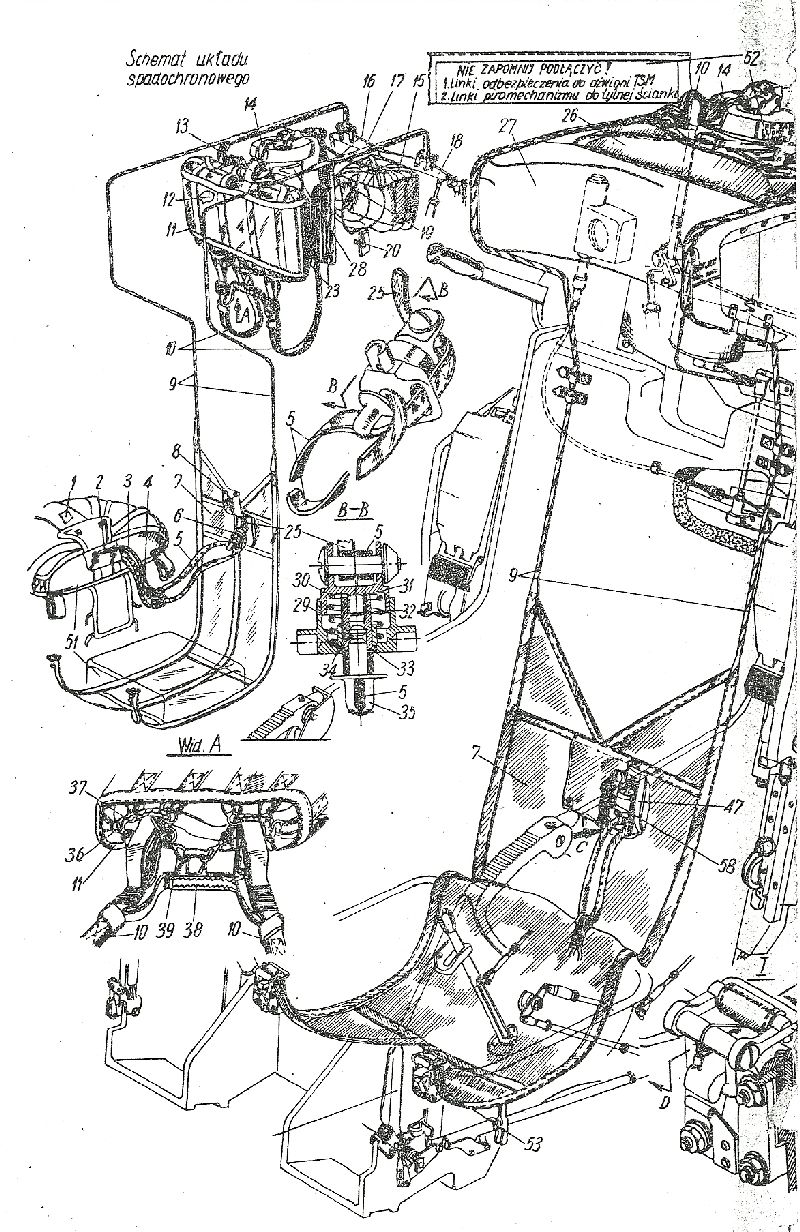
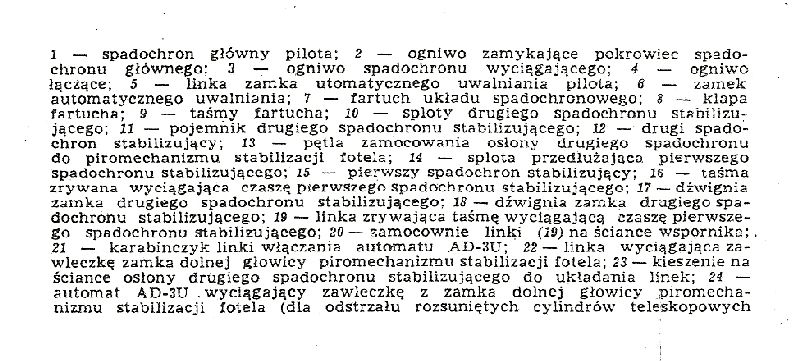
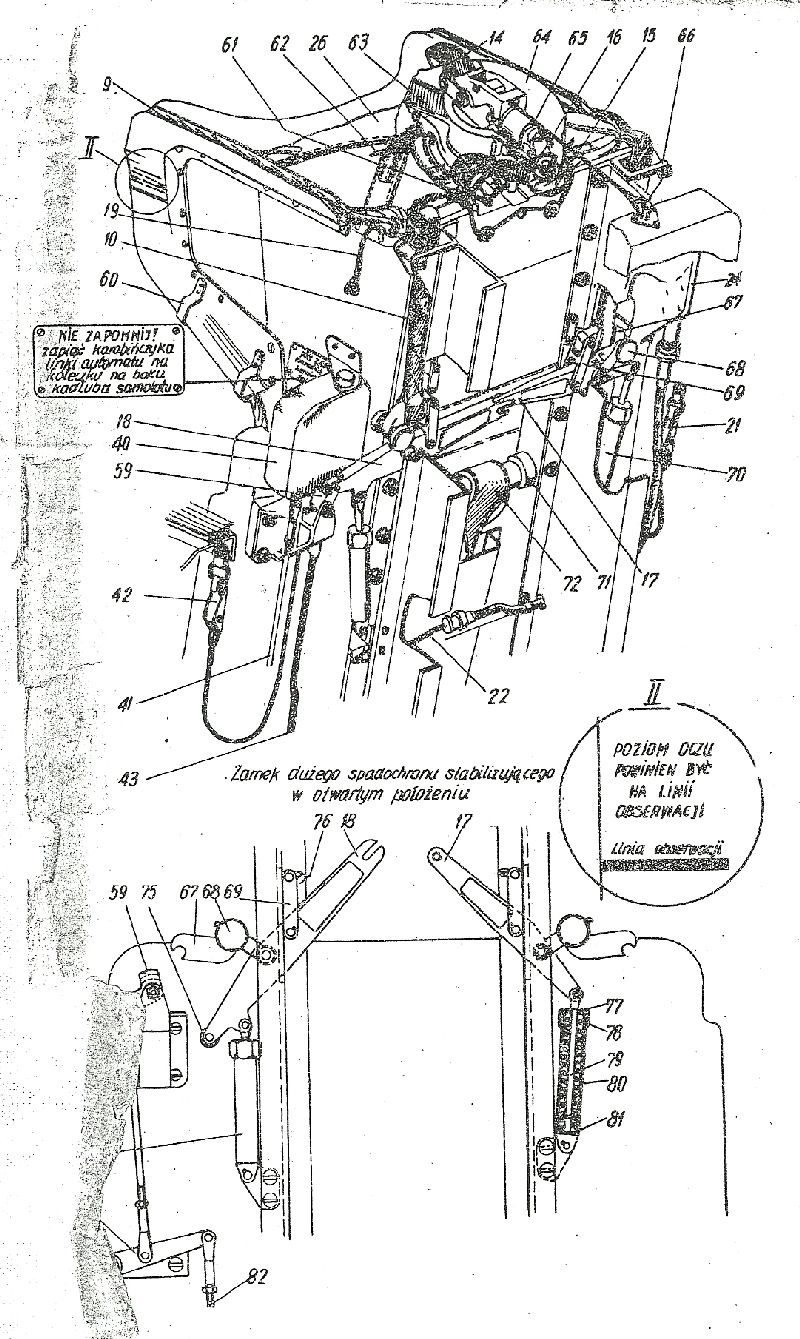
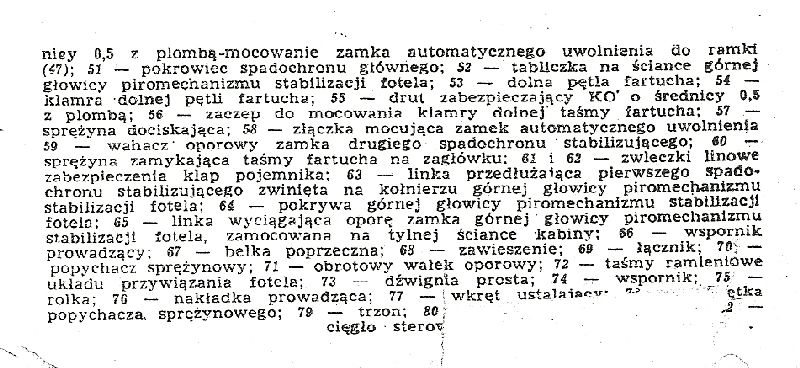
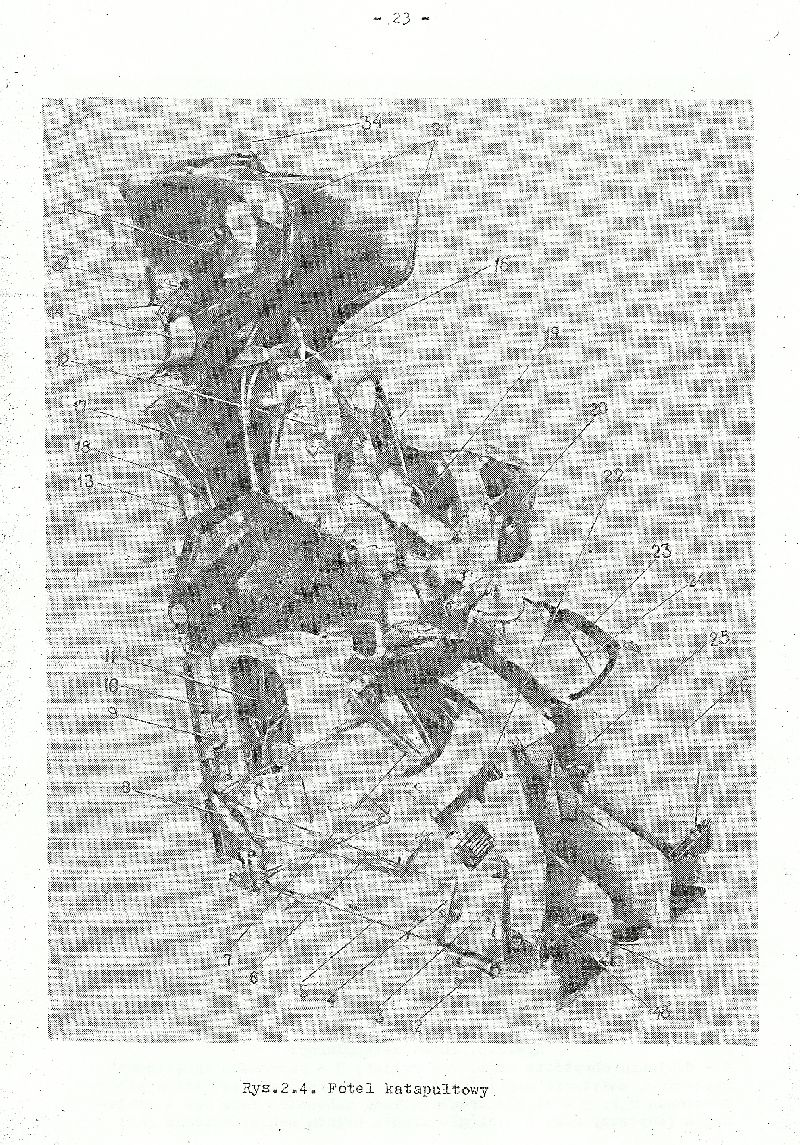
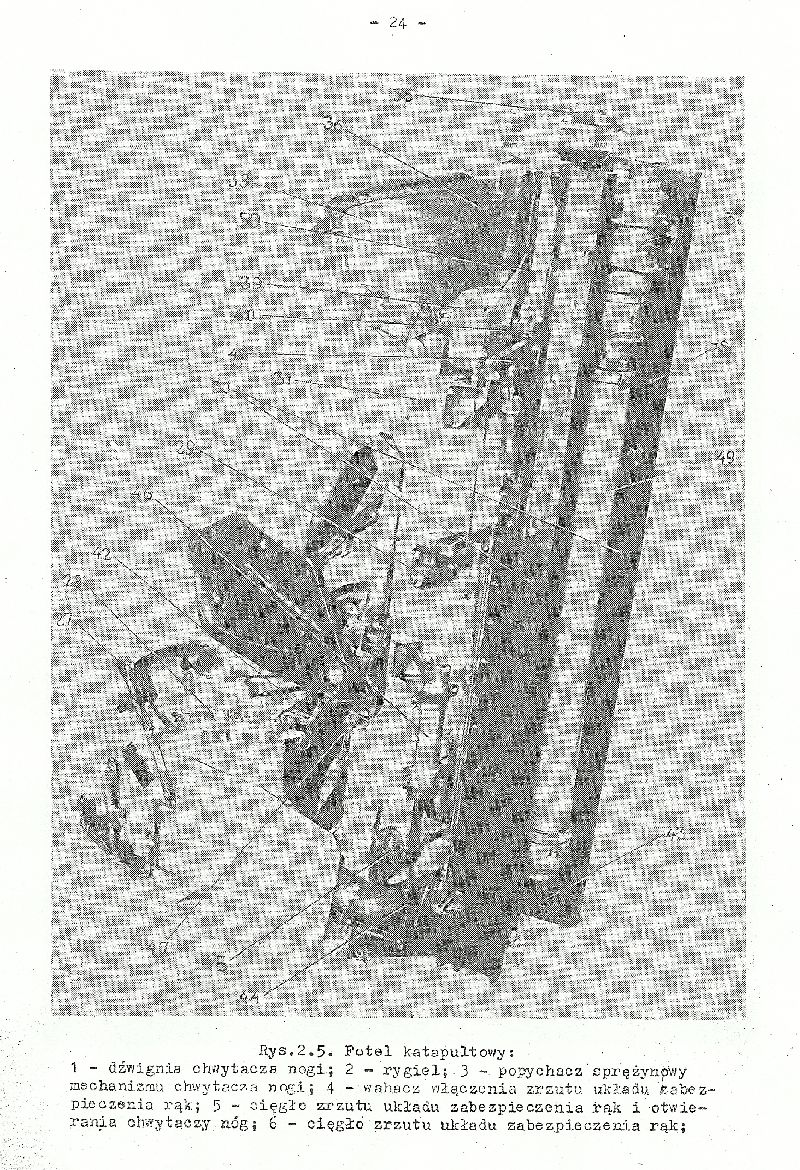
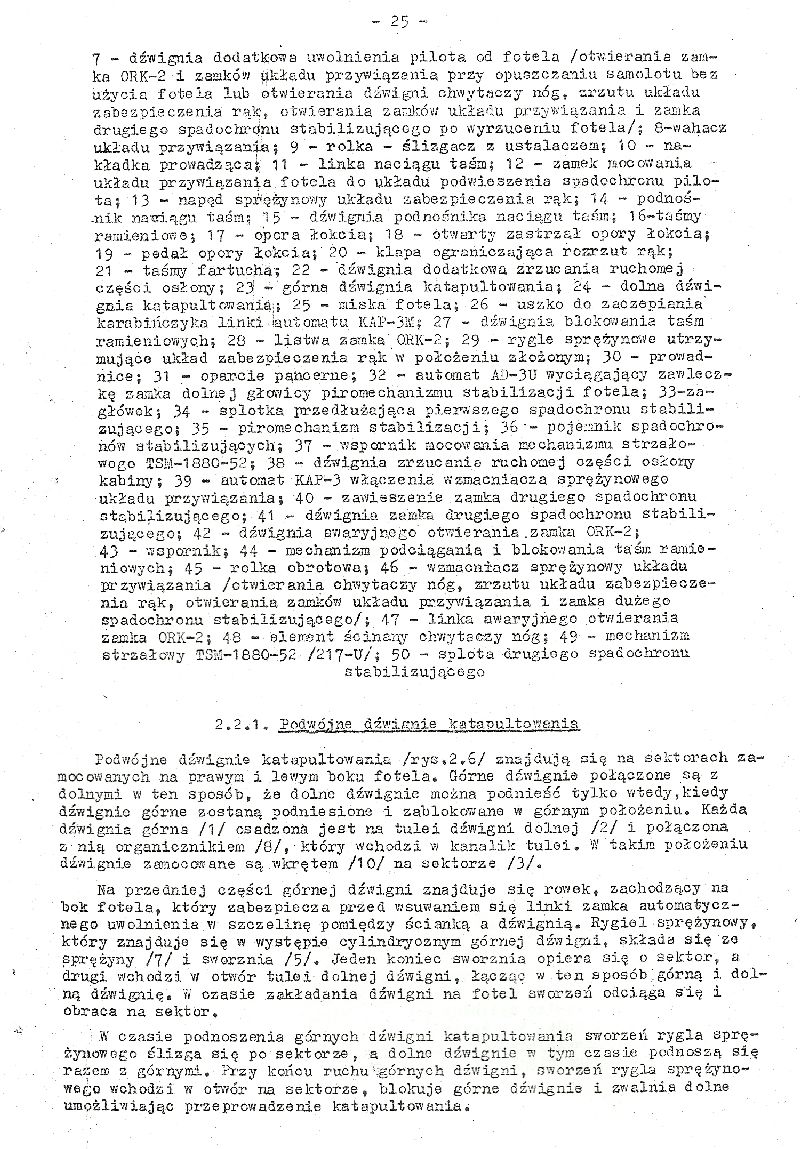
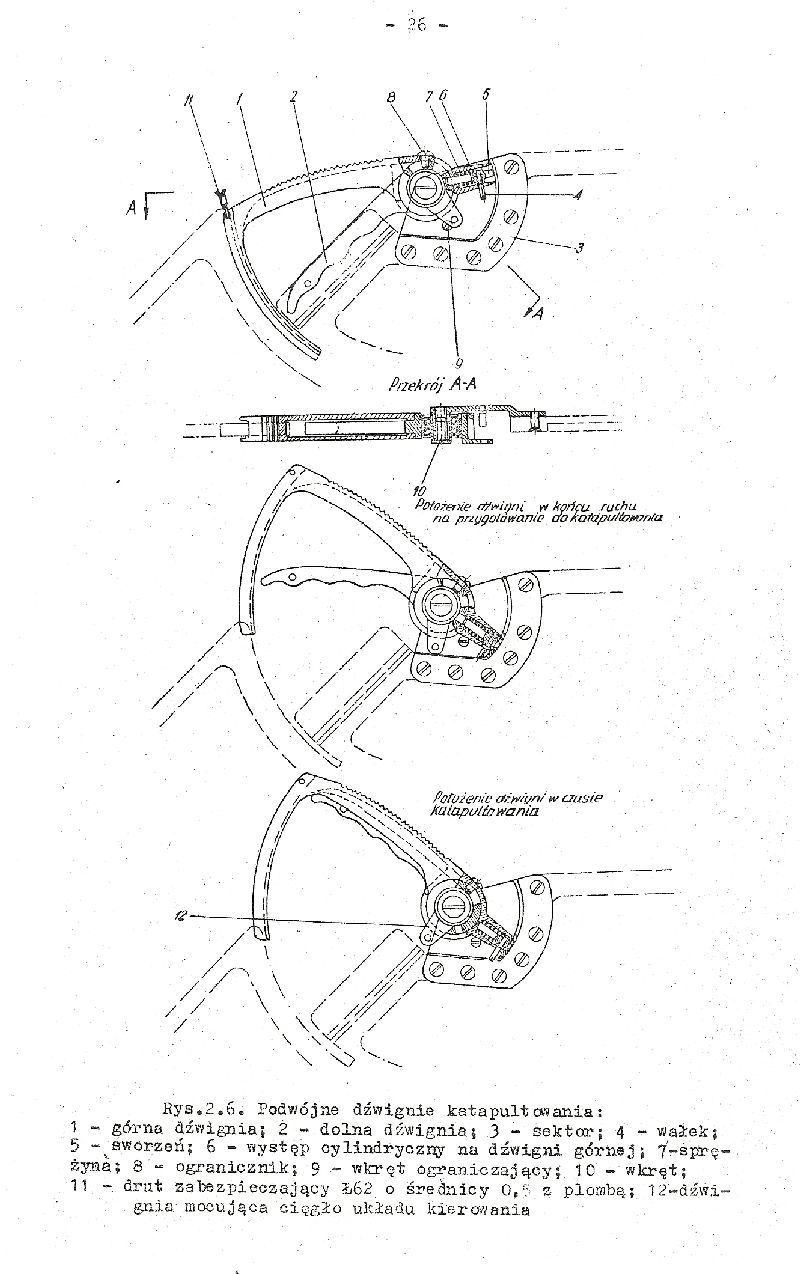
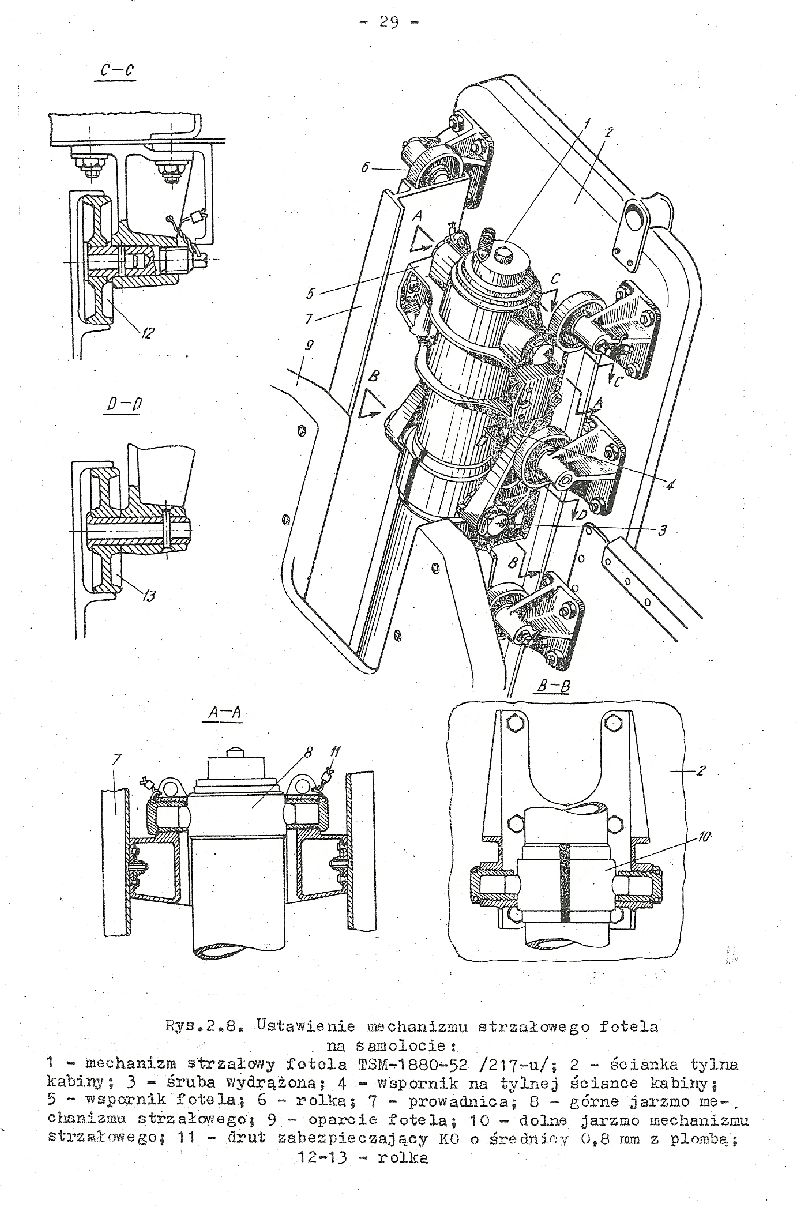
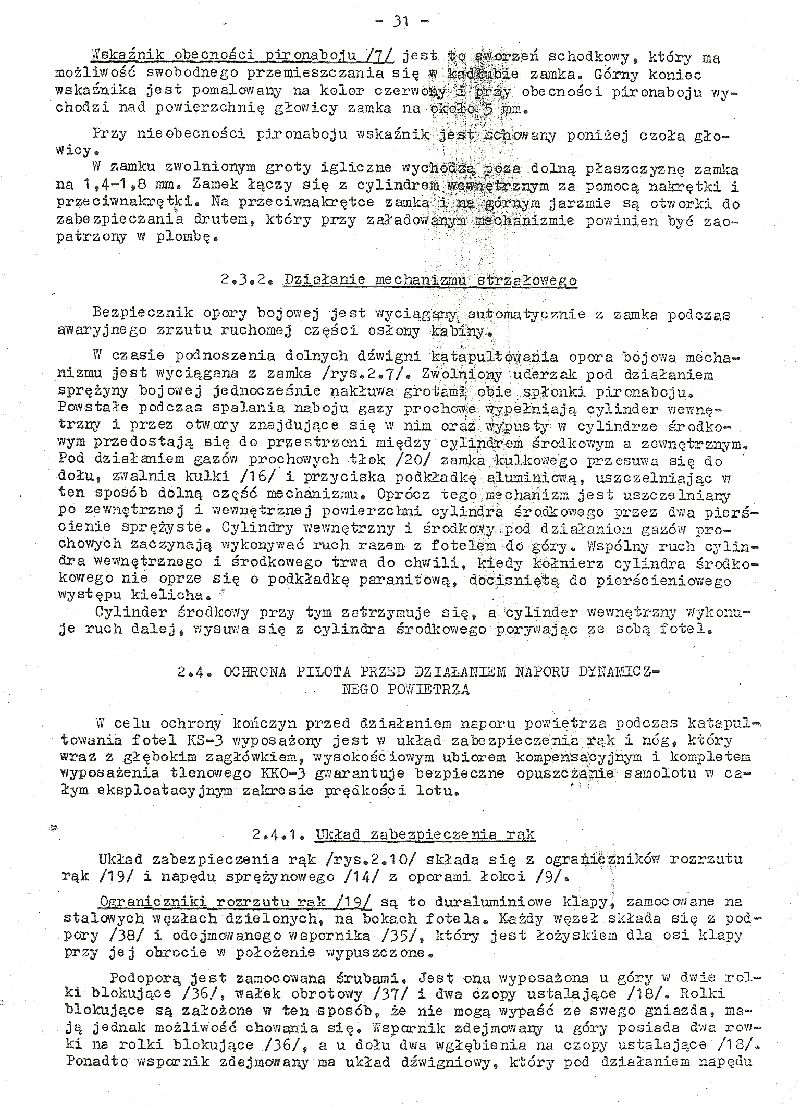
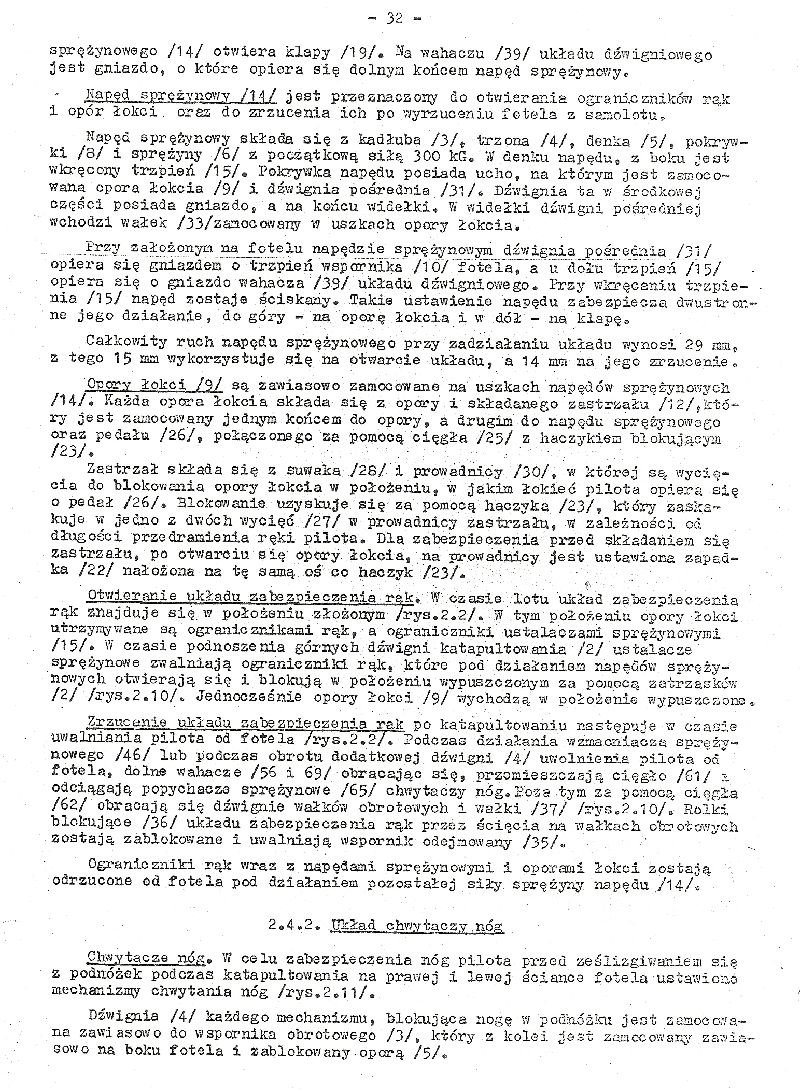
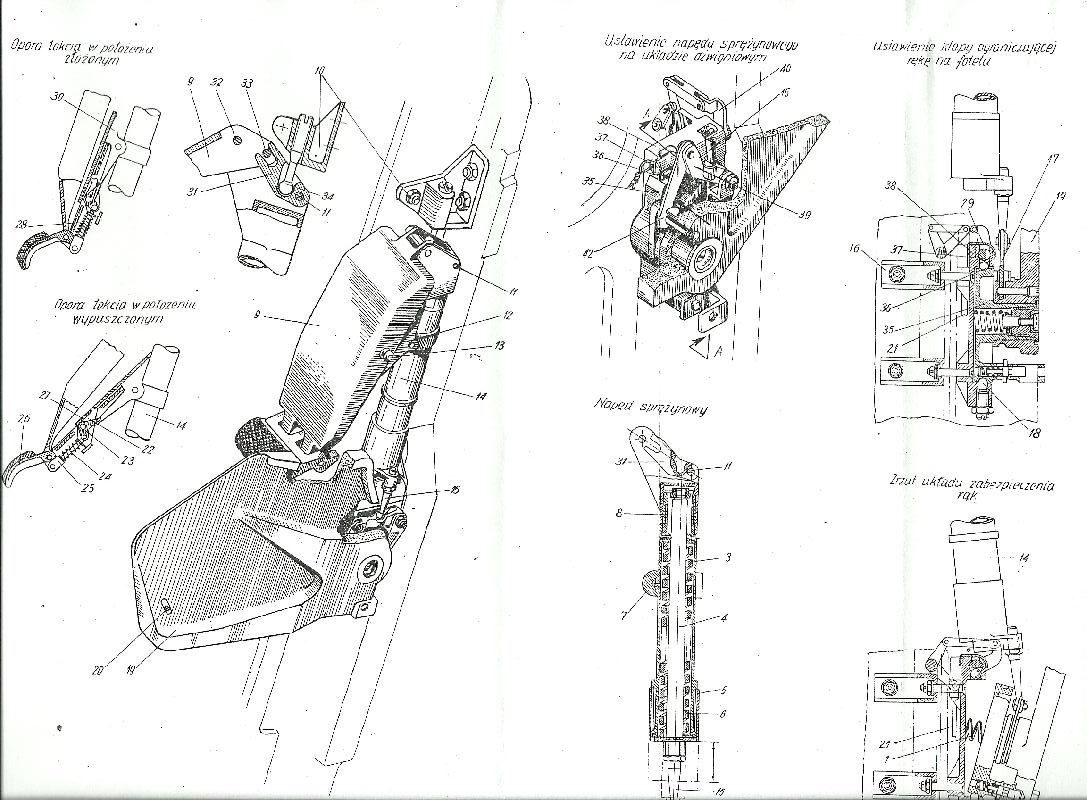
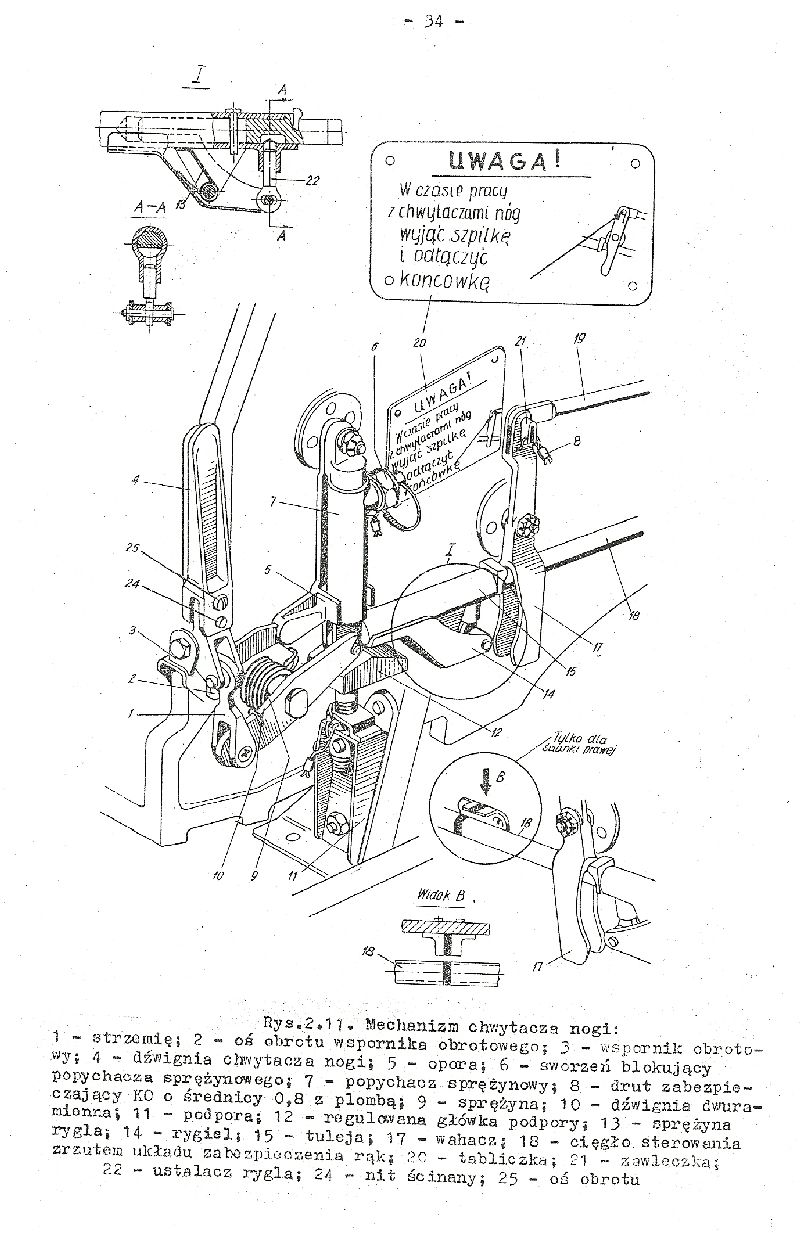
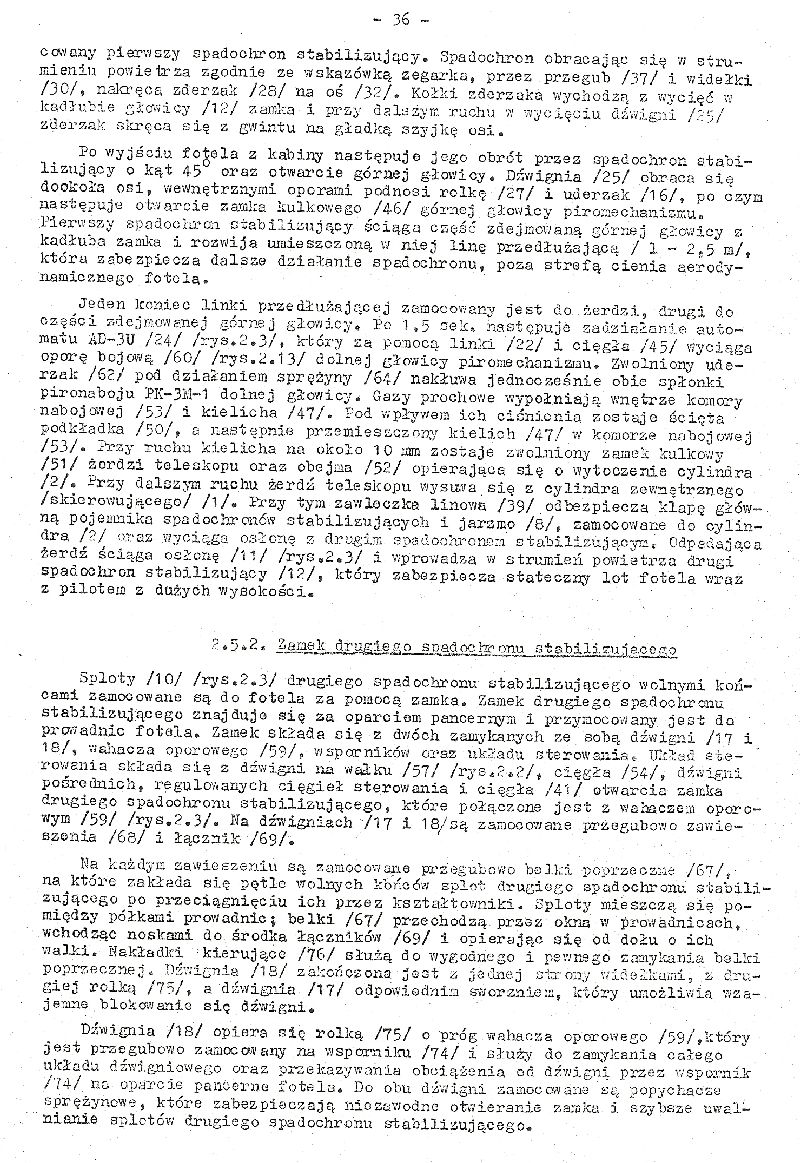
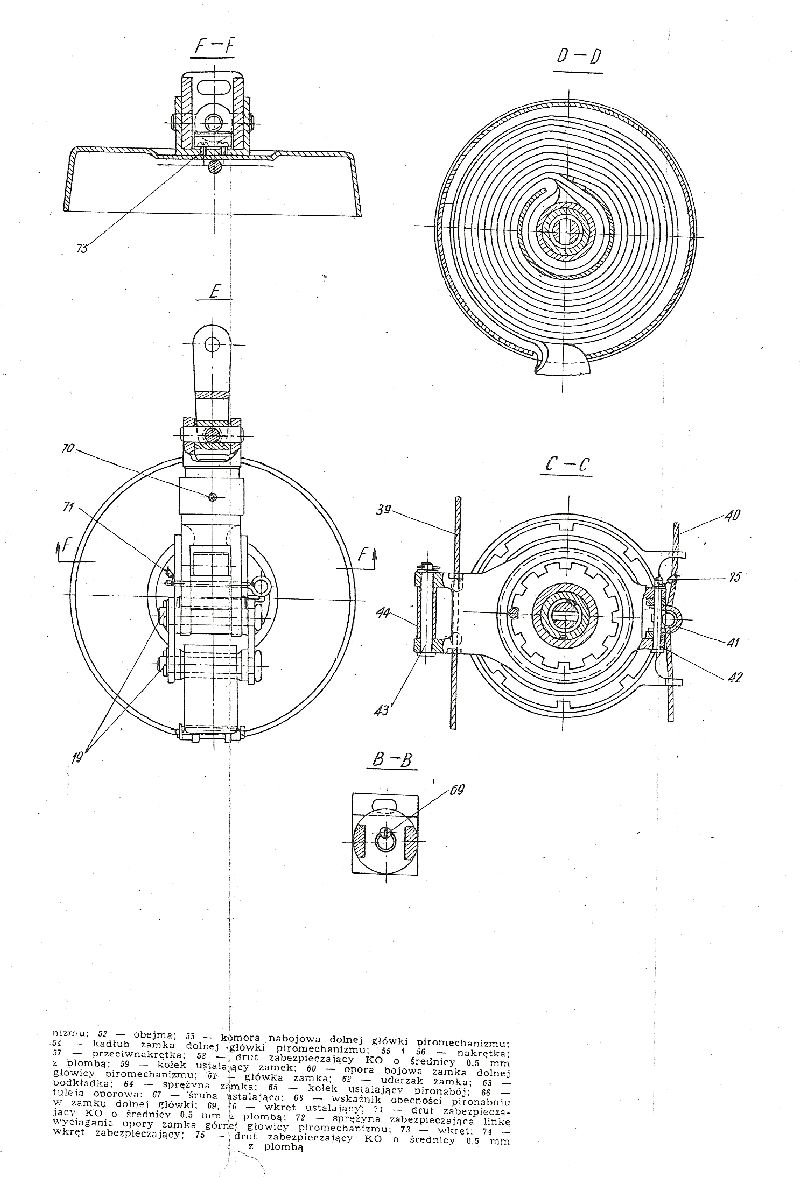
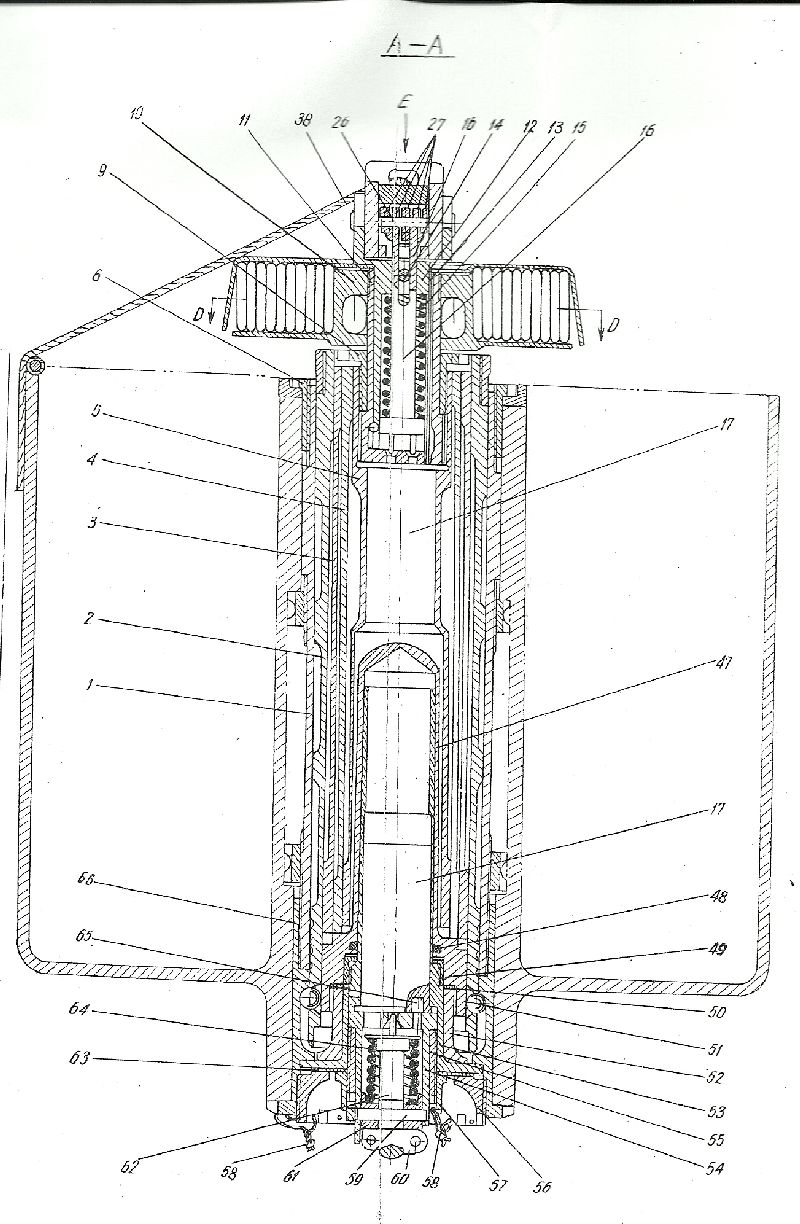
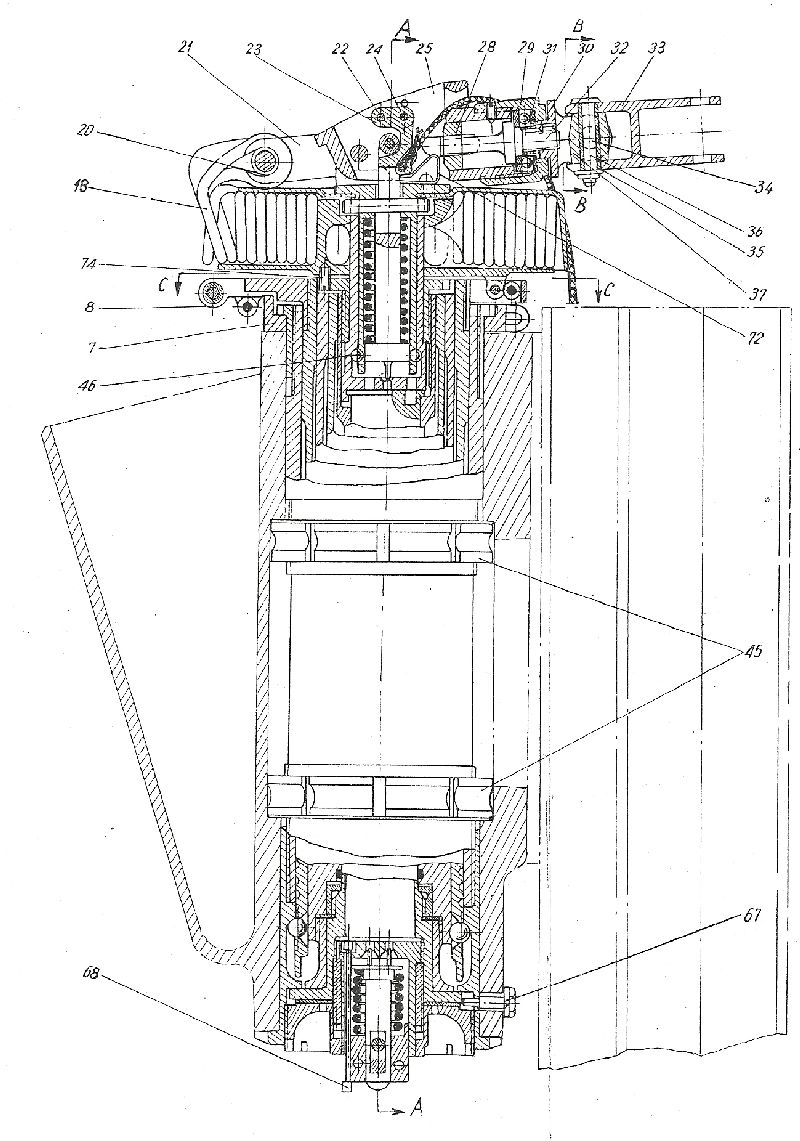
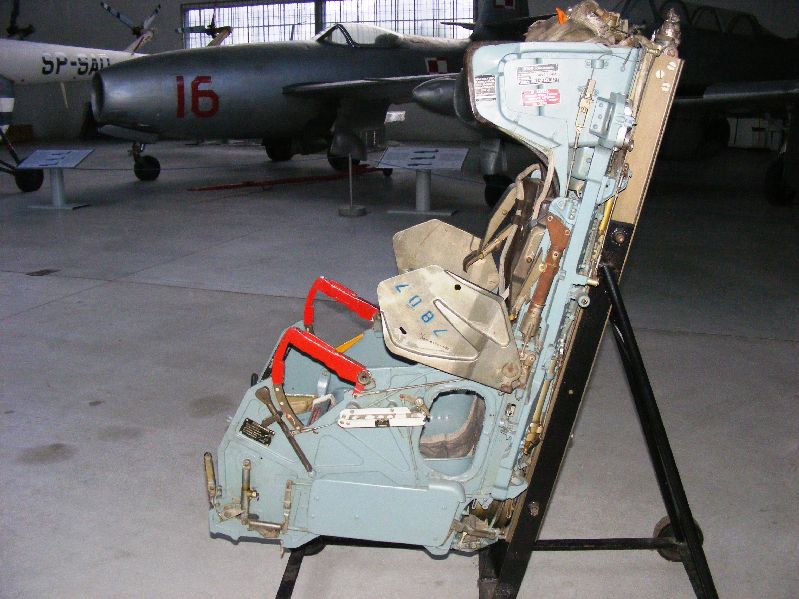
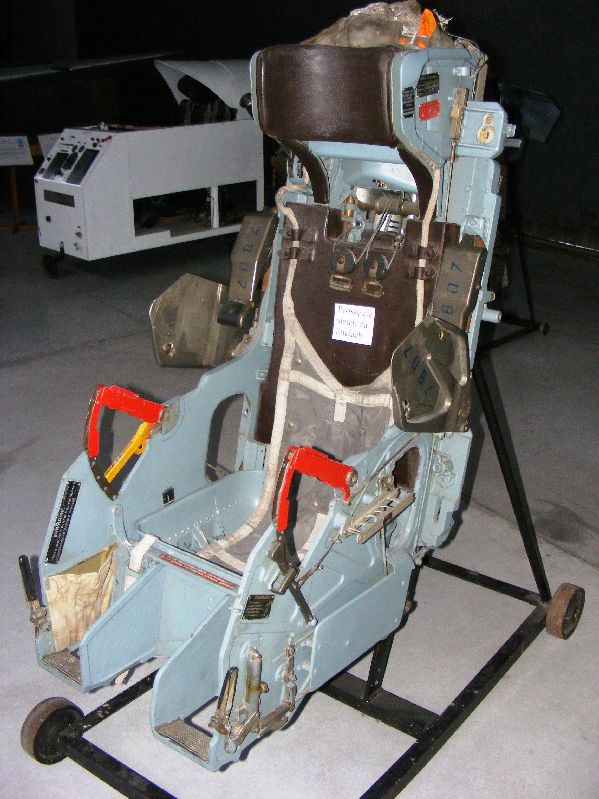
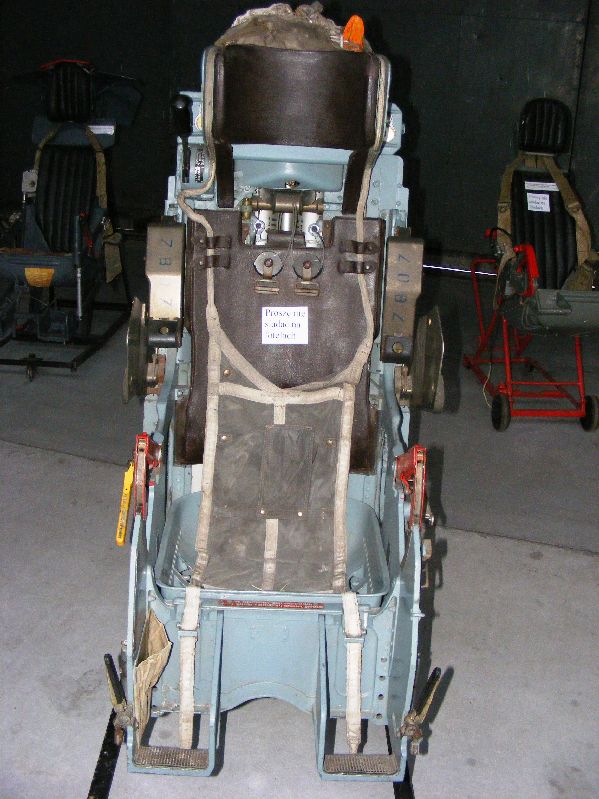
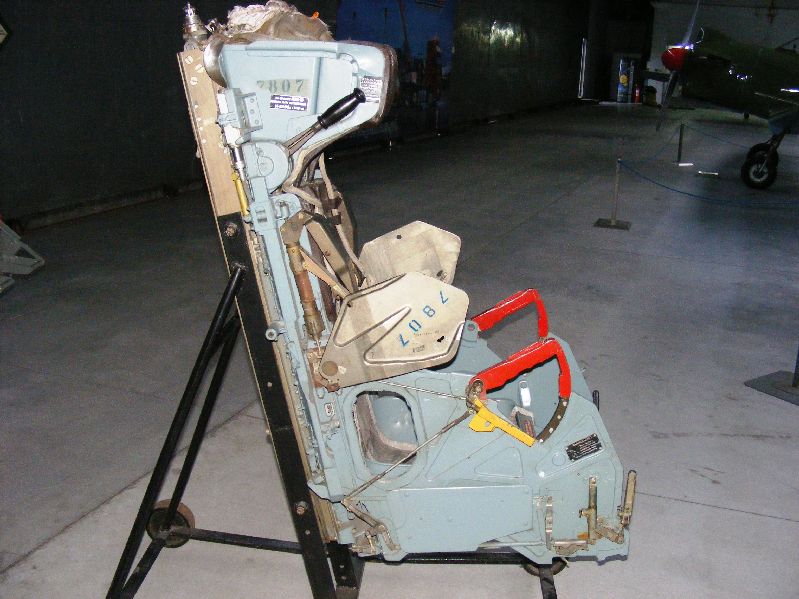
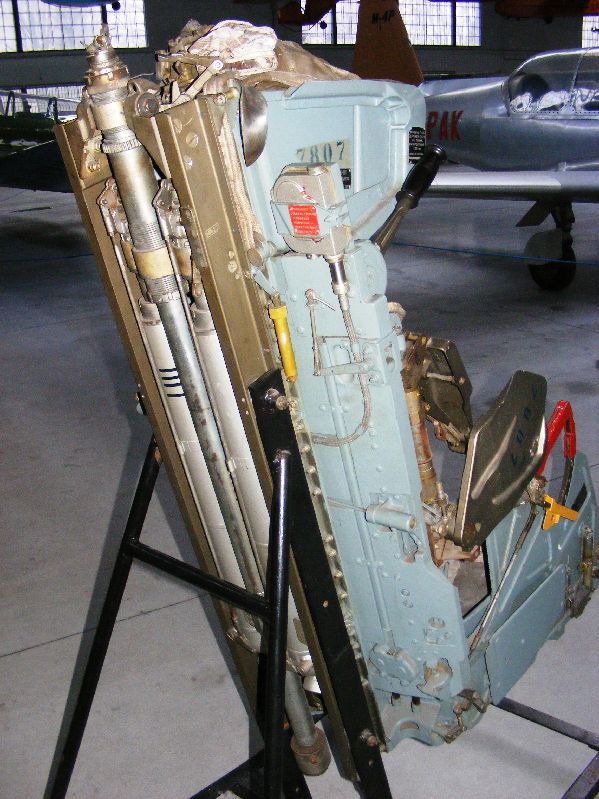
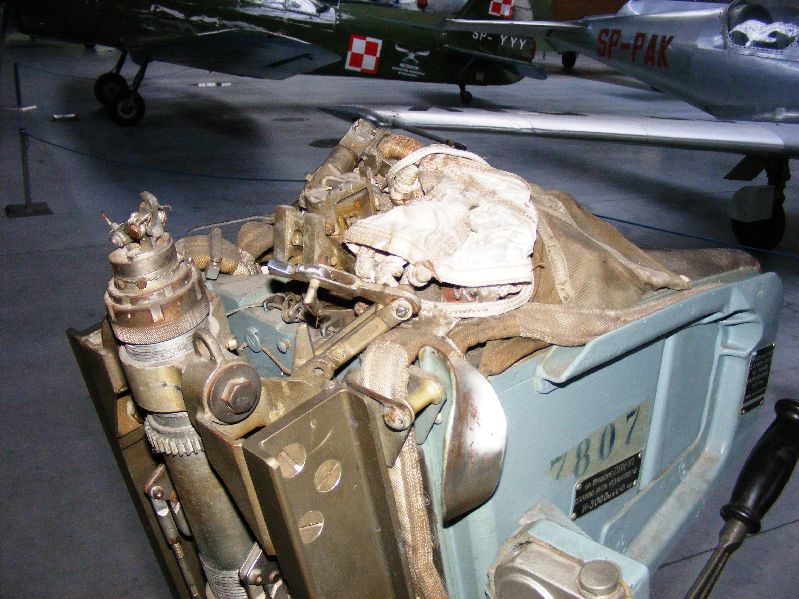
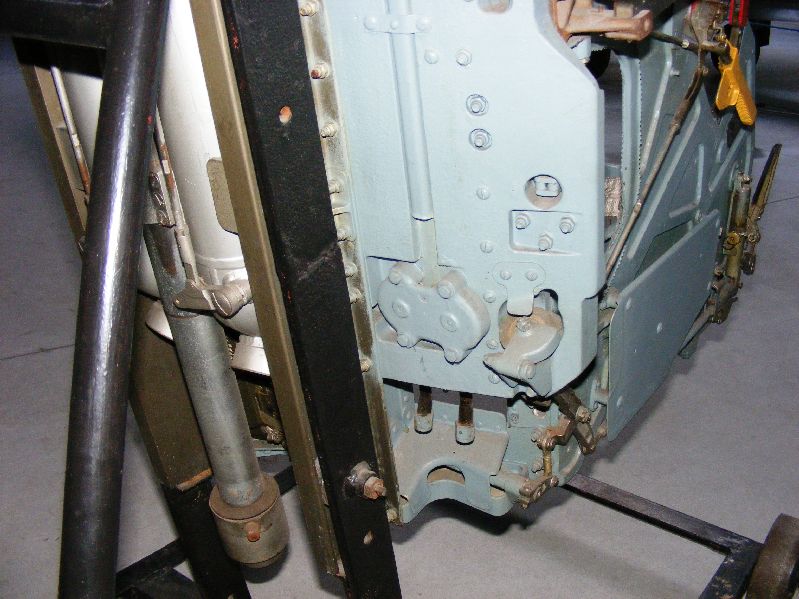
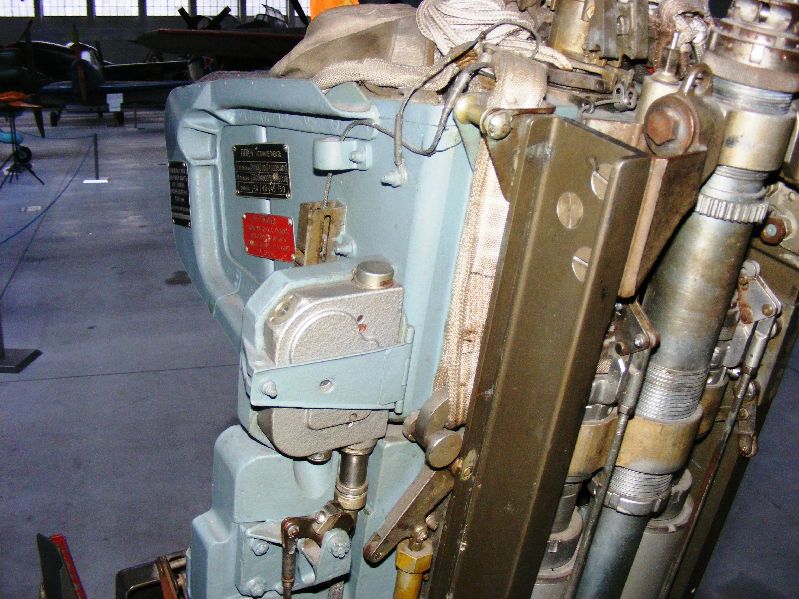
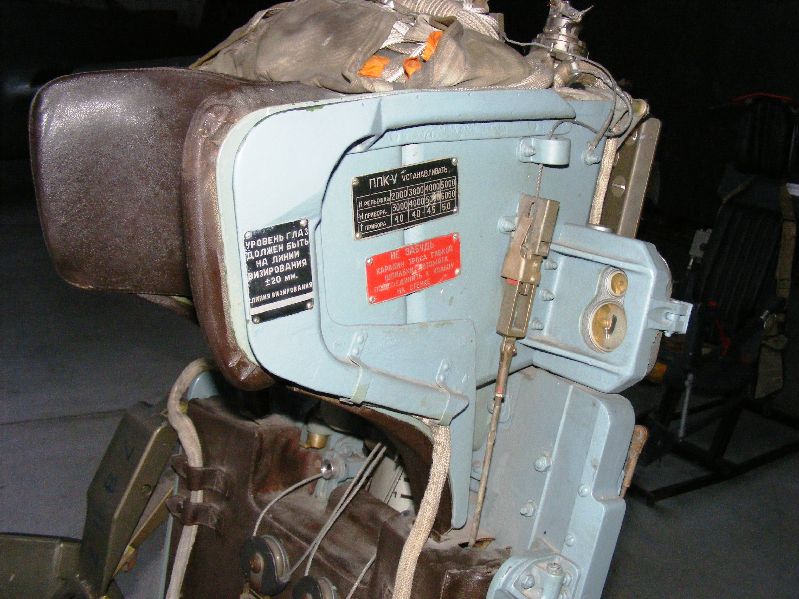
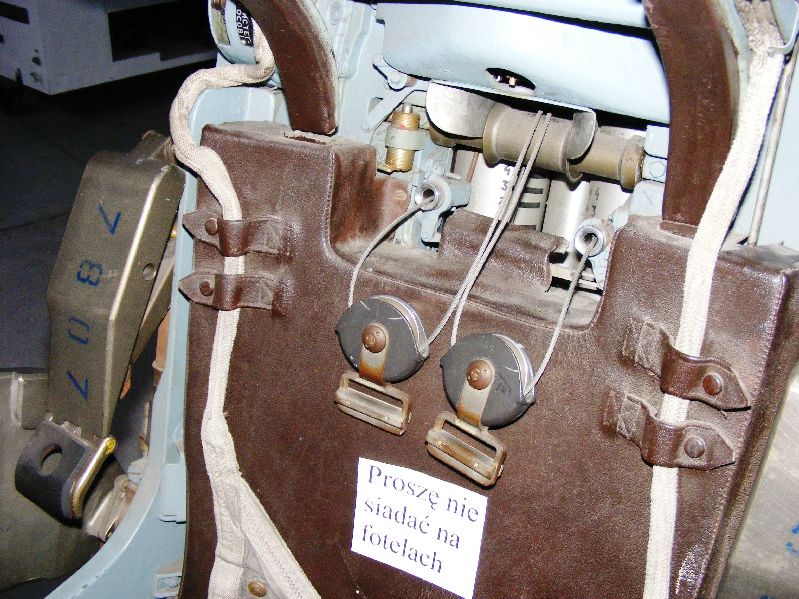
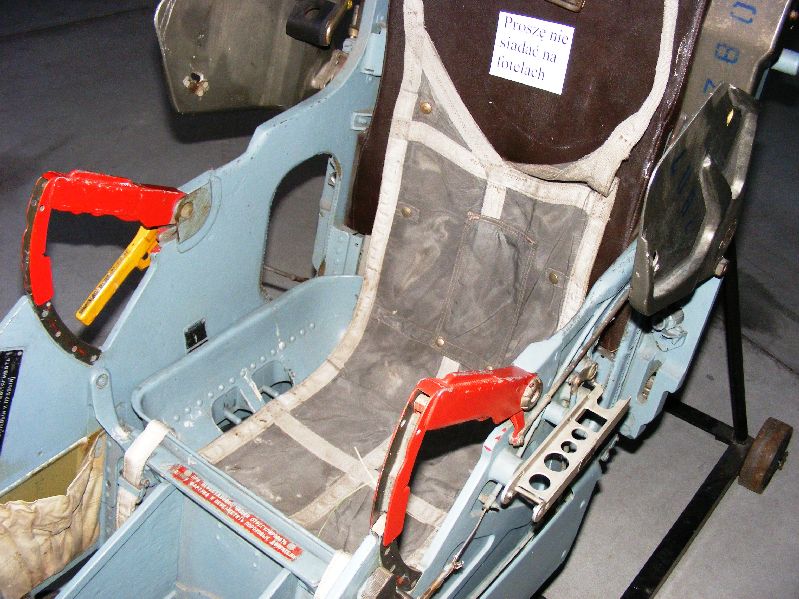
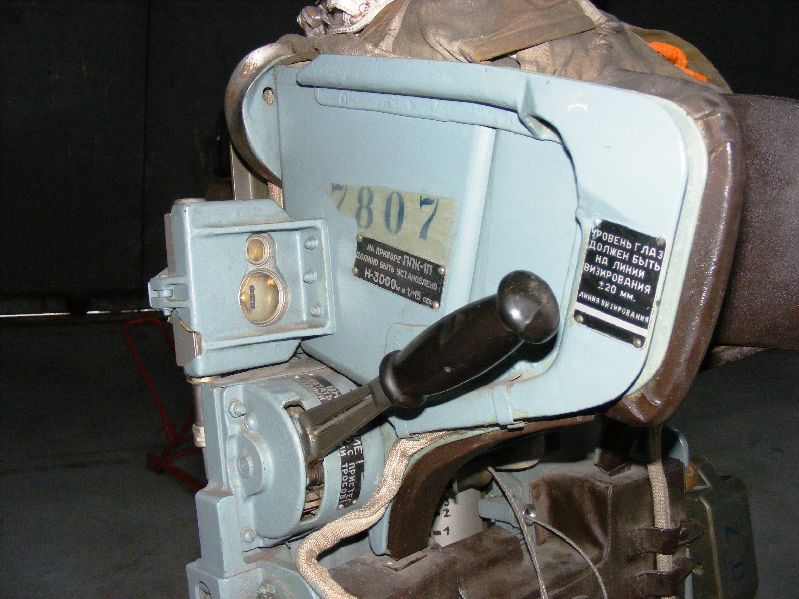
The seat frame takes the form of a box made of Elektron plates (a magnesium alloy), reinforced by two duralumin guide rails. It is mounted in the cockpit on rollers at an angle of 17 degrees to the vertical and connected to the aircraft systems by an ORK-9 multi-connector. The seat is equipped with the PS-S (S-4S) parachute system, which consists of two stabilising parachutes and the personal parachute. The first two are housed in the headrest and the last in the adjustable seat bucket. On the information plate on both sides of the headrest there is a sighting line which makes it easier to set the bucket position to the pilot’s height.
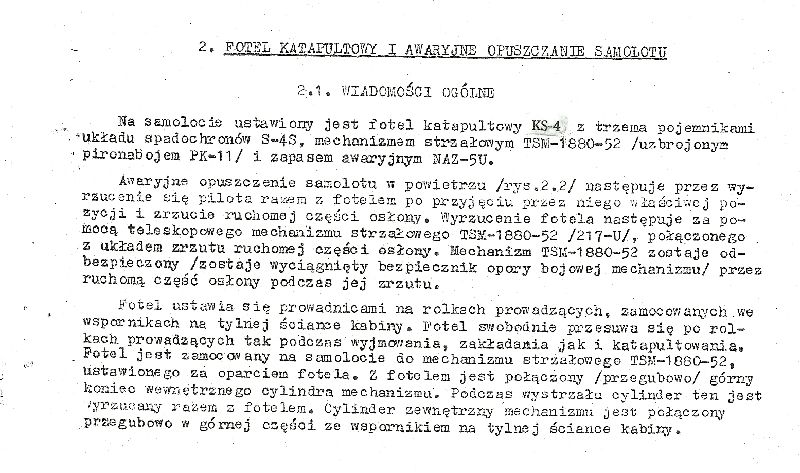
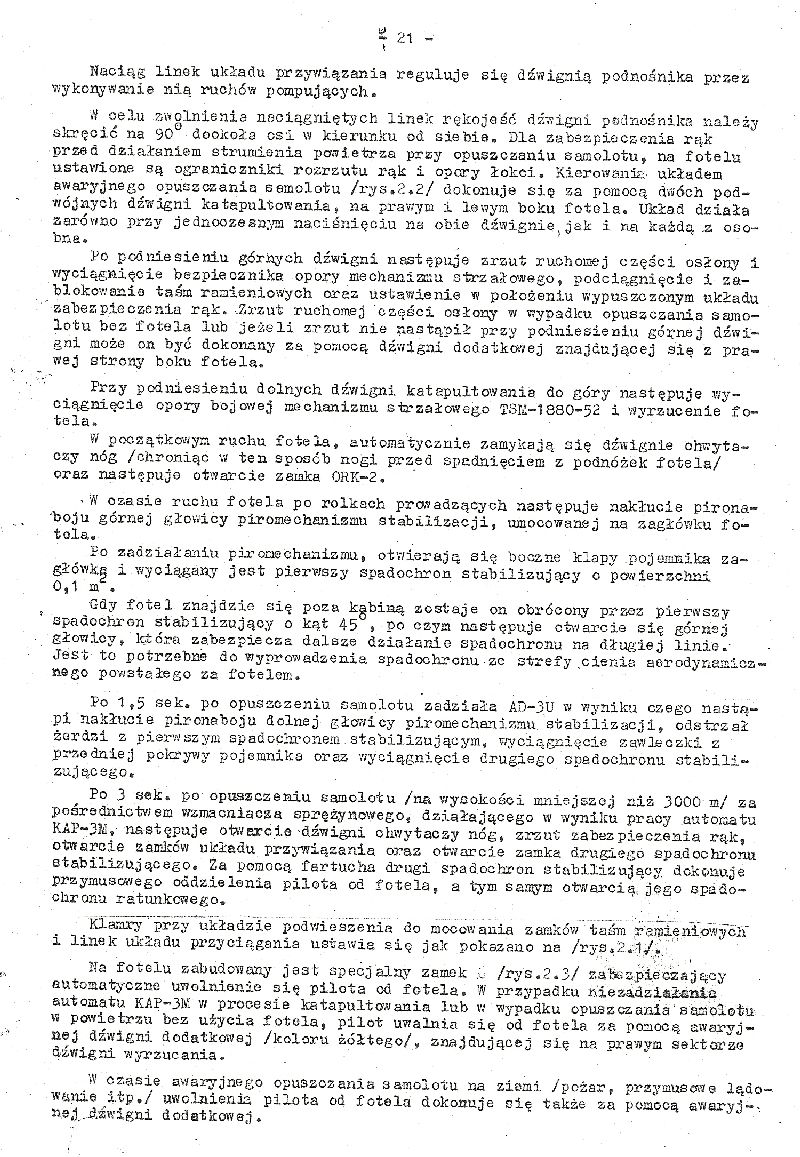
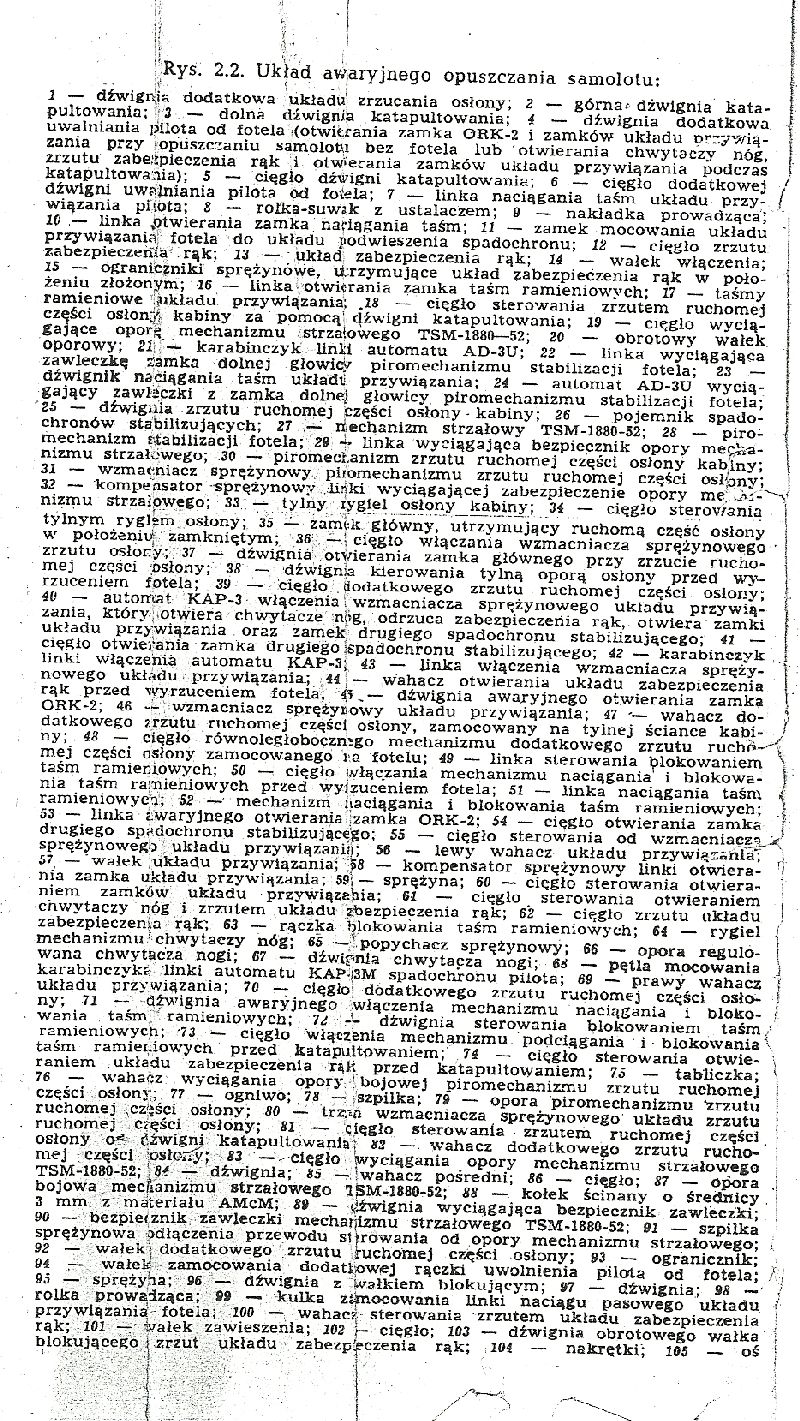
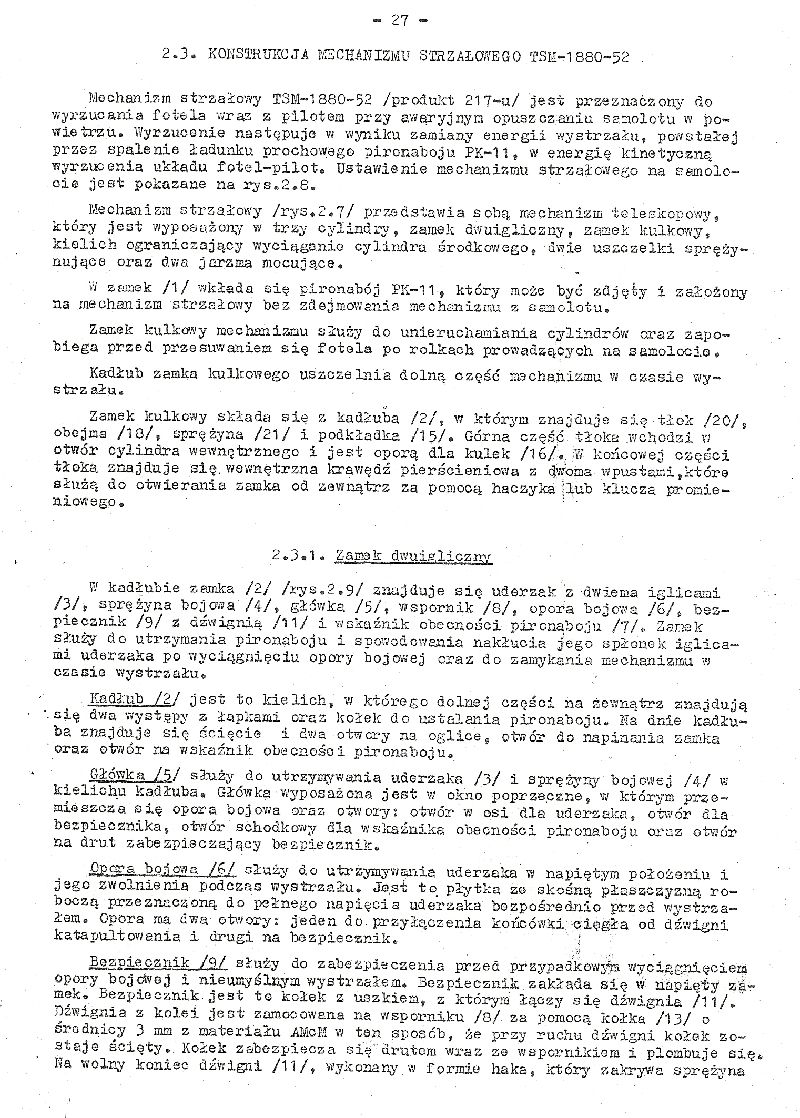
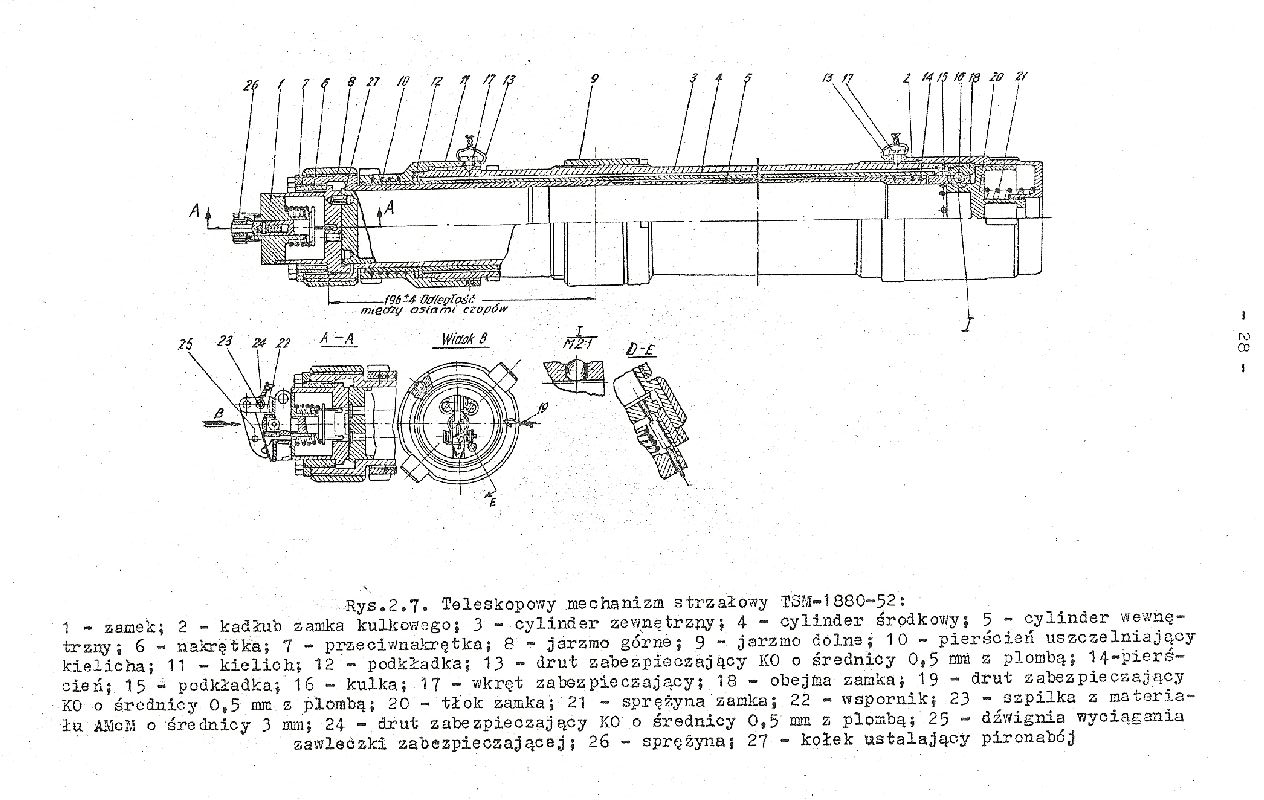
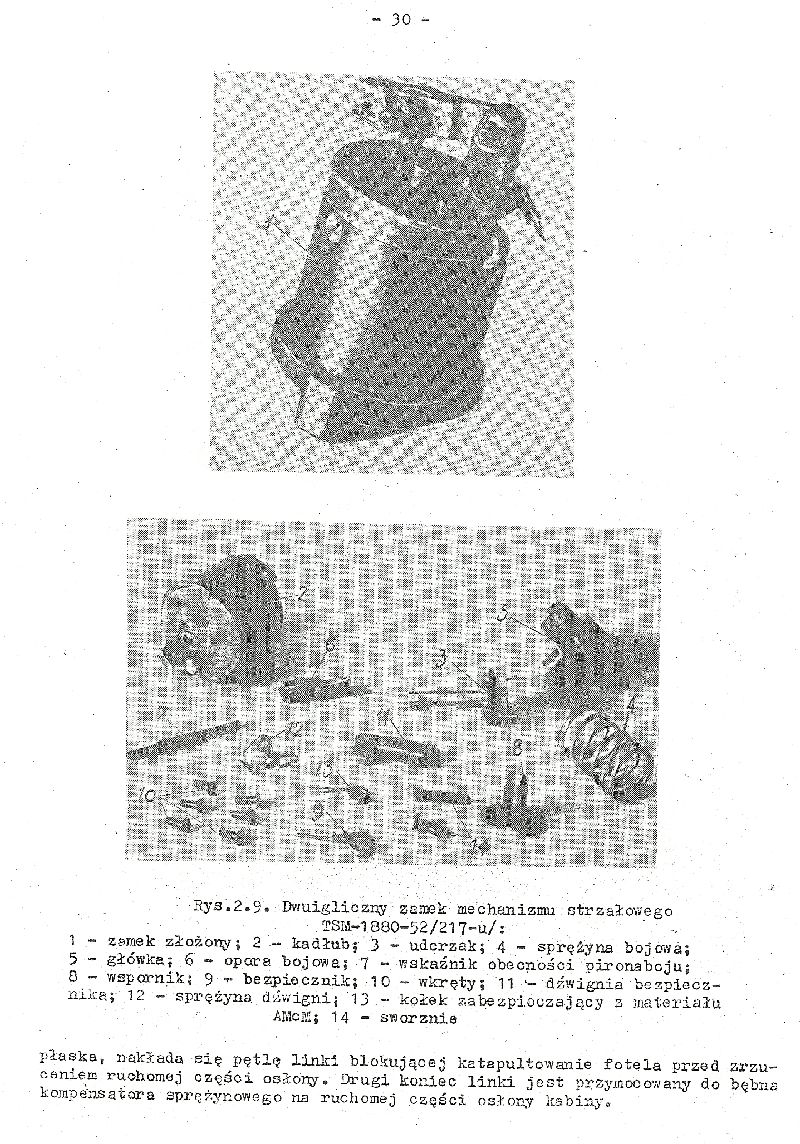
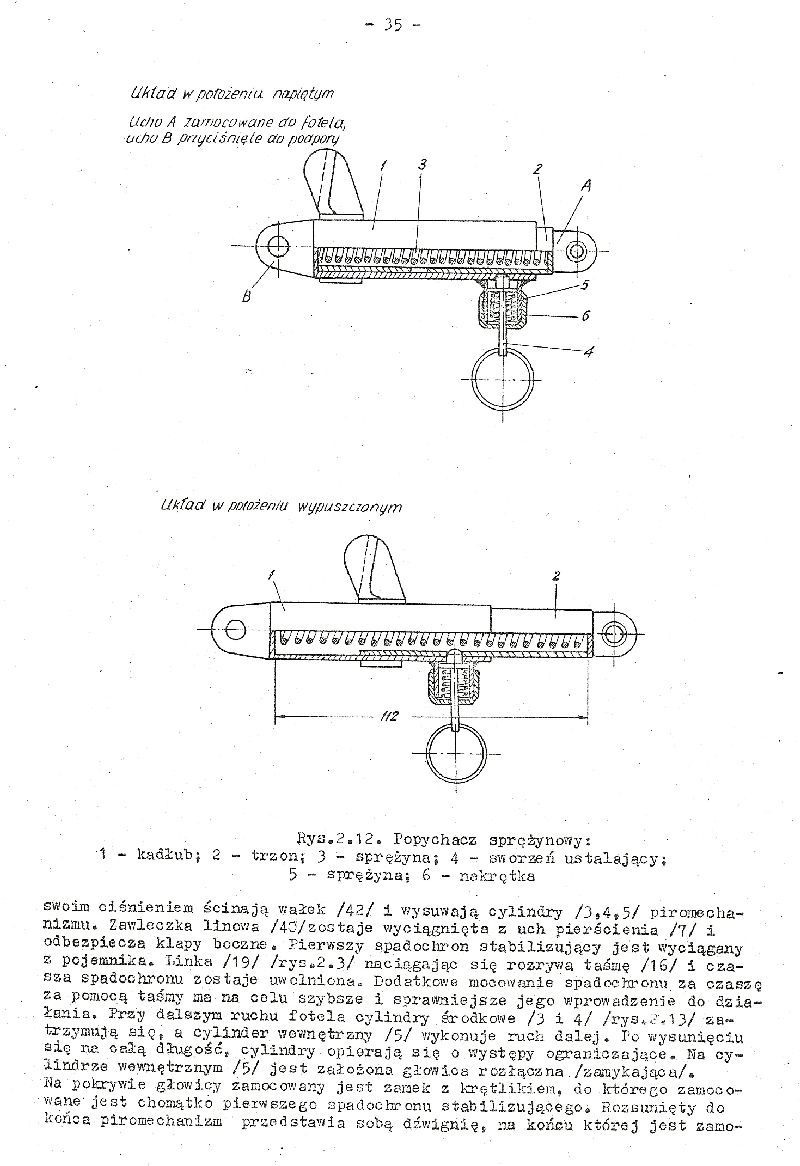
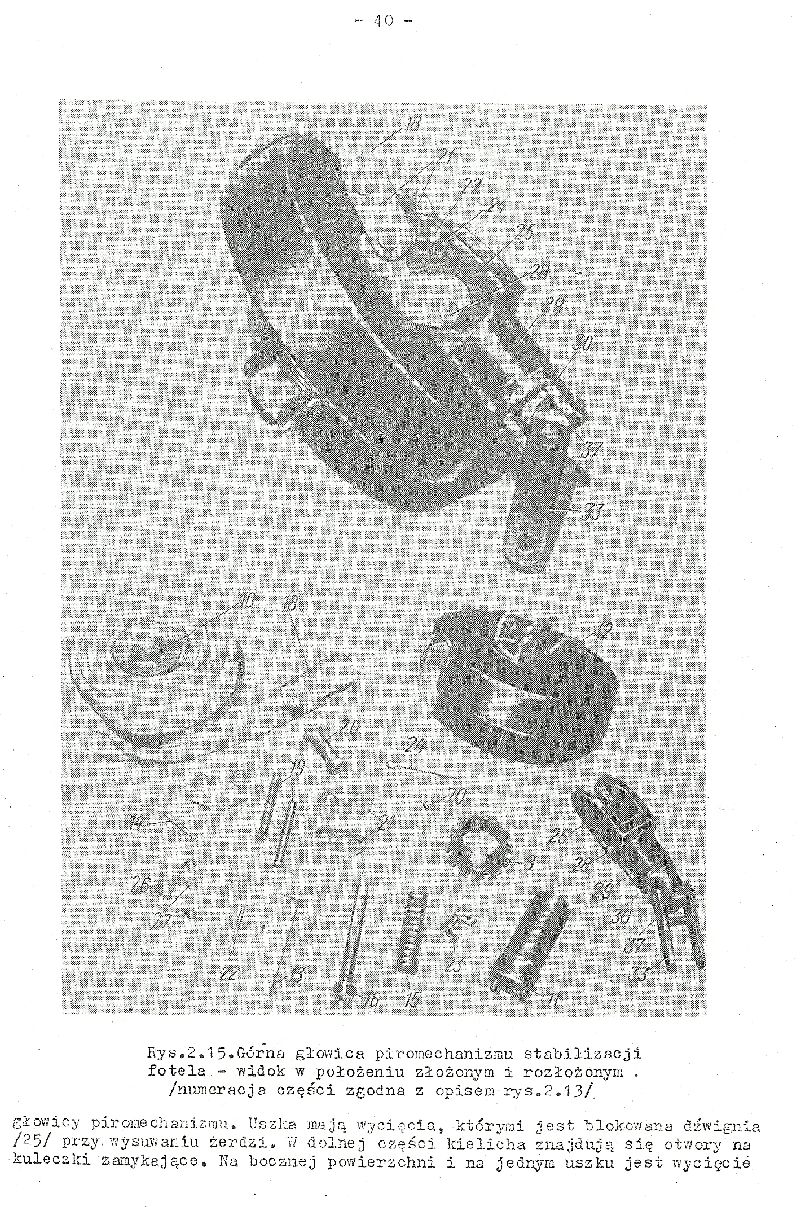
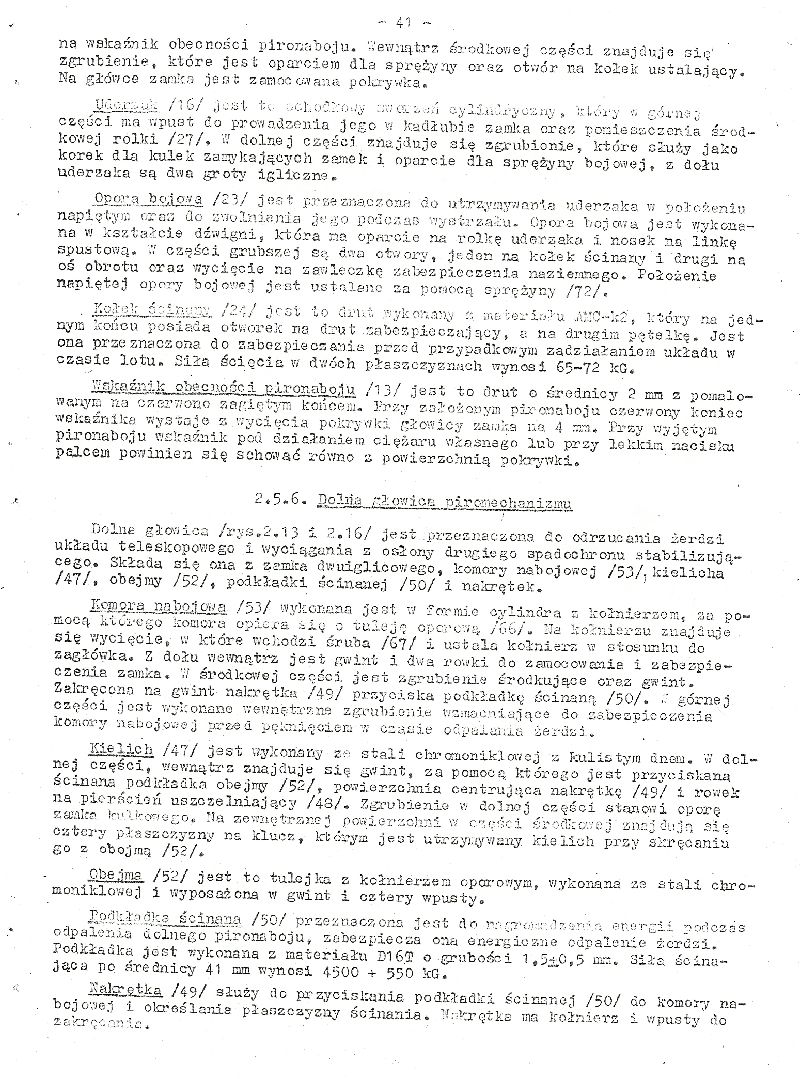
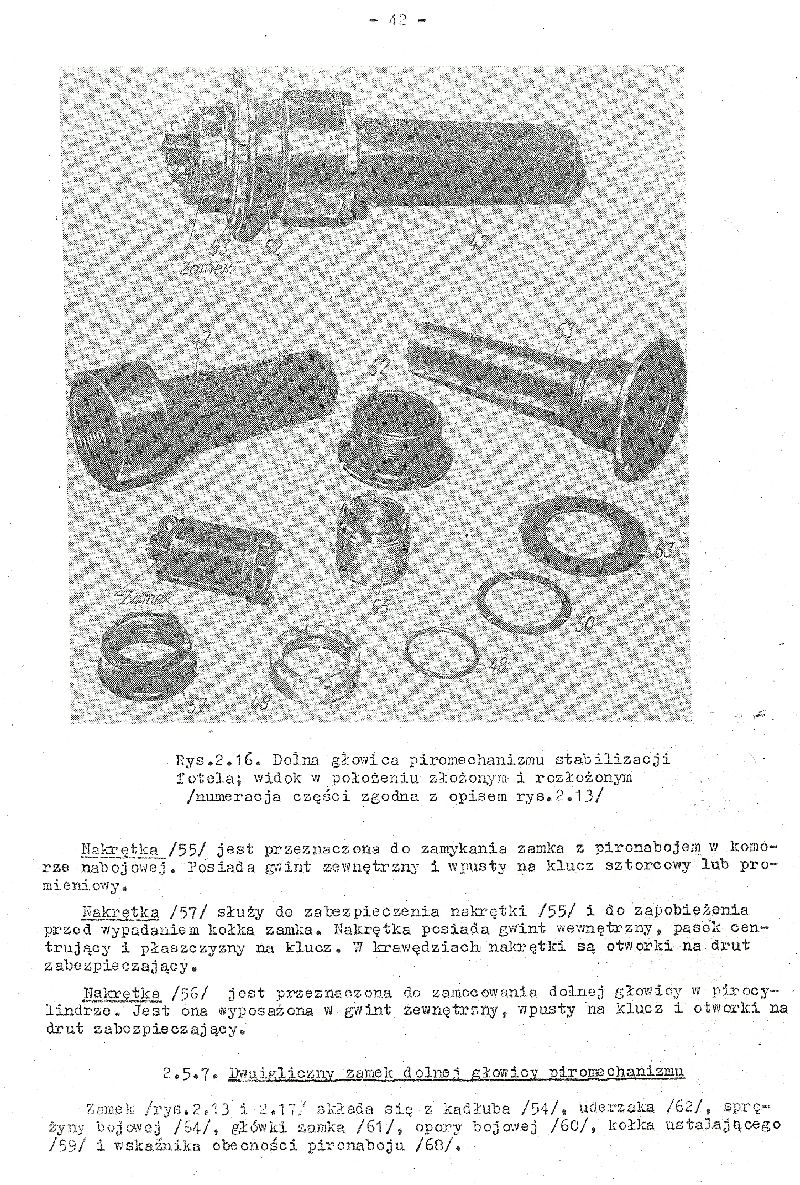
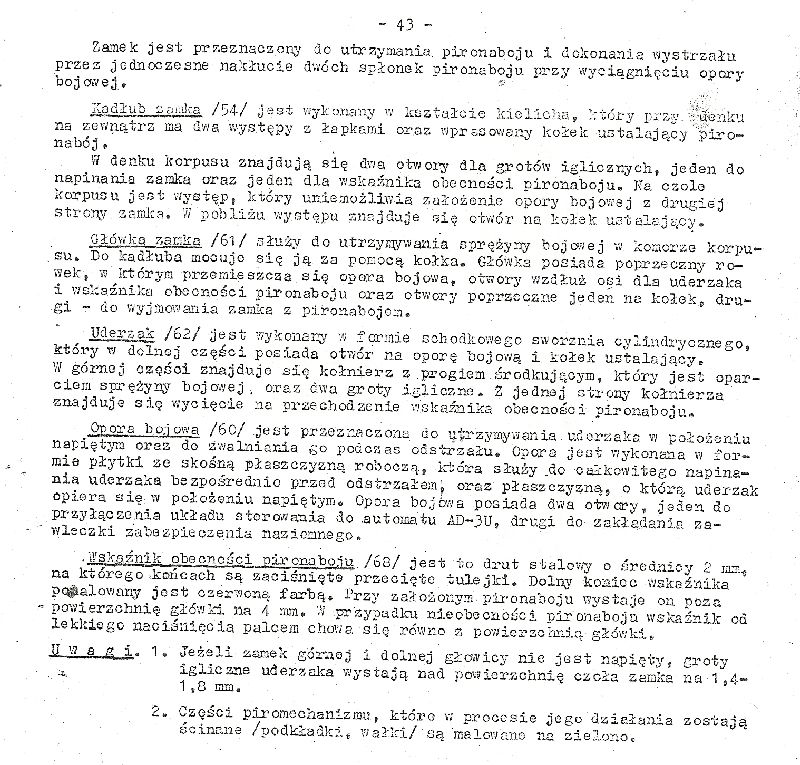
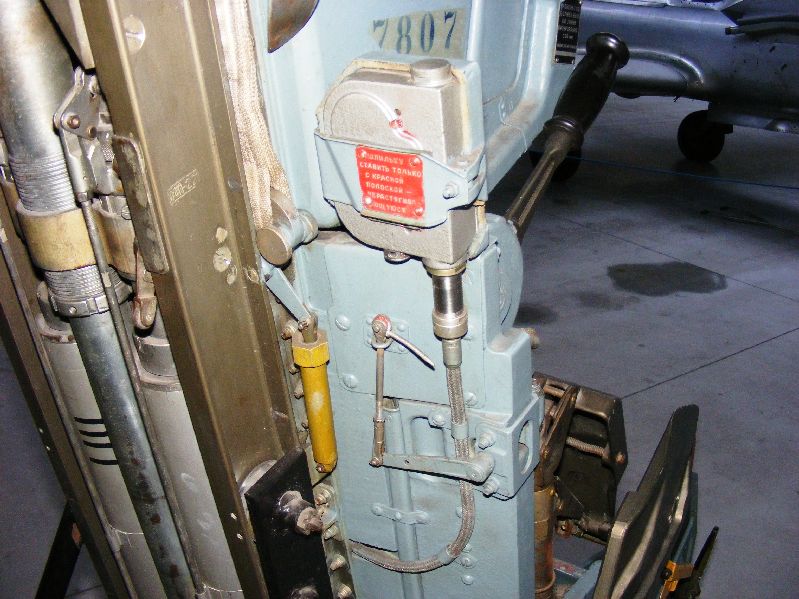
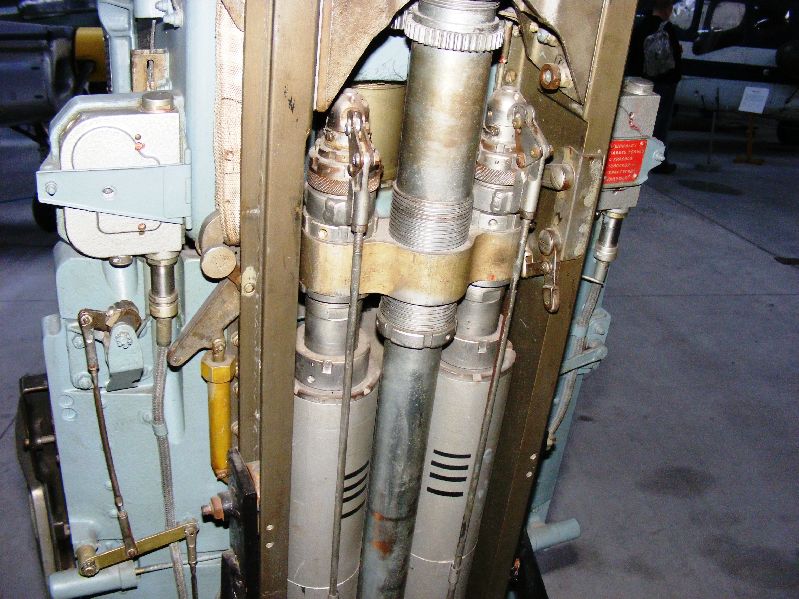
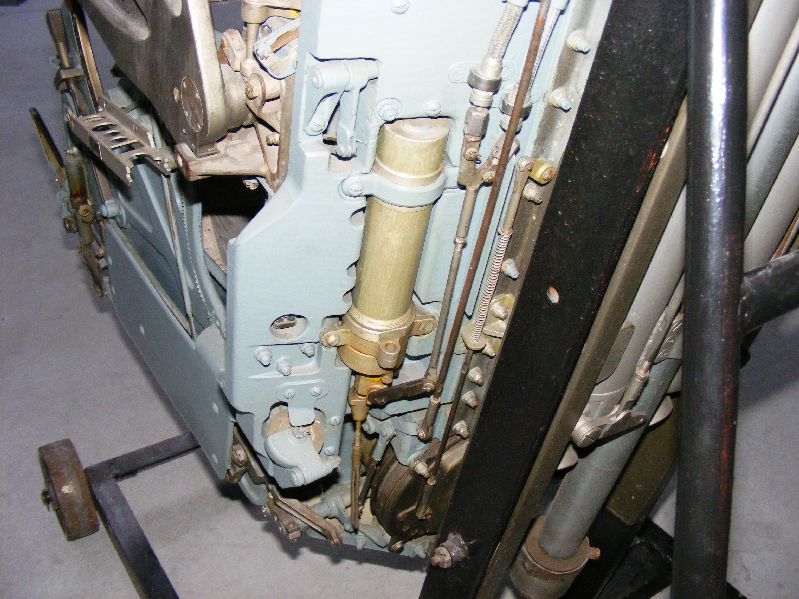
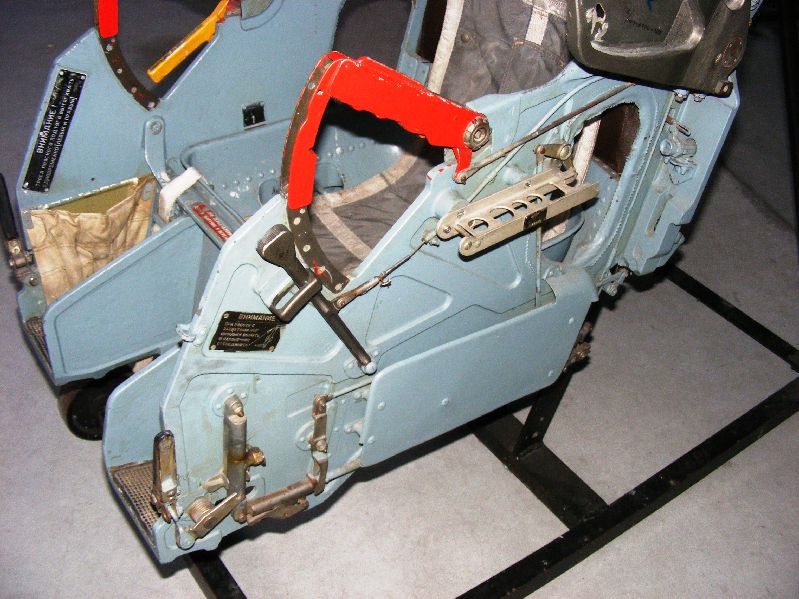
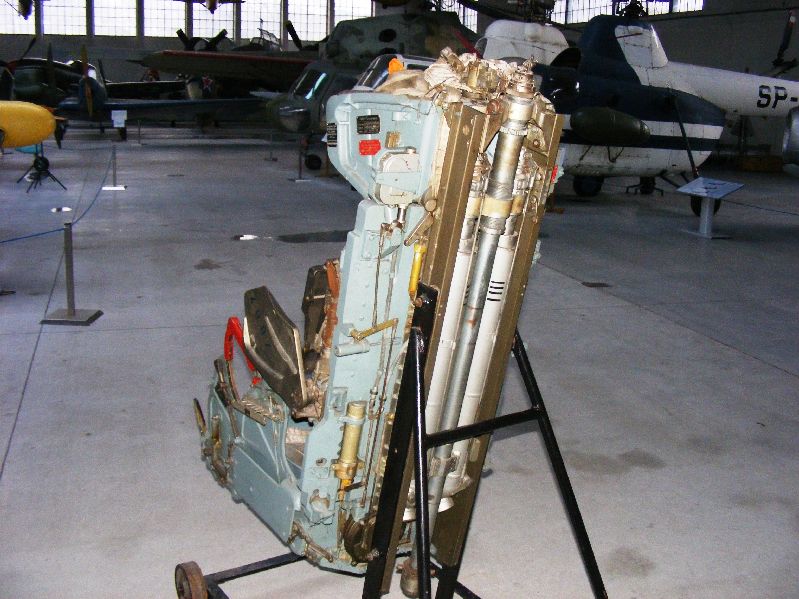
The most important difference between the KS-4 and KS-3 seats is hidden behind the backrest and becomes visible only when the seat is removed from the cockpit. The first has a KSM-S combined ejection gun, the second a single-stage TSM-1880-52 gun. The difference is fundamental, because the KSM-S has two solid-fuel rocket motors that fire after the seat has left the cockpit. This has a major effect on the safety of ejection at low altitudes. A deep headrest and arm and leg restraints allow the aircraft to be abandoned safely at speeds of up to 1150 km/h (1100 km/h) and at the maximum ceiling. In such conditions the pilot must wear a high-altitude pressure suit (VKK-…) and a pressure helmet (GSh-…). The ejection process starts when one or both ejection levers are pressed, and continues automatically until the personal parachute has inflated. The sequence of the individual stages depends on the altitude and speed and is controlled by PPK-1, KAP-3P and KPA-4 (AD-3U, KAP-3, KAP-3M) automatic devices mounted at the headrest and behind the seat back. If the aircraft has to be abandoned on the ground without ejecting, the canopy is jettisoned by pulling a lever on the left side of the cockpit (on the left side of the seat). The harness straps are tightened and locked before flight with a mechanical winch, whose lever is located on the right-hand part of the headrest. At the moment of ejection the harness straps are tightened with a force of 60 kg by a spring system. The position of the seat in the air after it leaves the cockpit is stabilised by two parachutes. The smaller one turns the seat through 23-45 degrees so that the airflow acts on its underside. The second stabilises the seat down to an altitude of 3000 m, where the pilot separates from the seat and the personal parachute opens.
Apart from the parachute, the bucket holds the NAZ-7 (NAZ-5U) survival kit, which ensures the pilot’s survival after a successful ejection or after landing in unprepared terrain. The seat has seven ground safety pins, which are removed before the pilot enters the cockpit. The total weight of the ejection seat with the pilot is about 250 kg, and of the fully equipped seat – 163 kg.

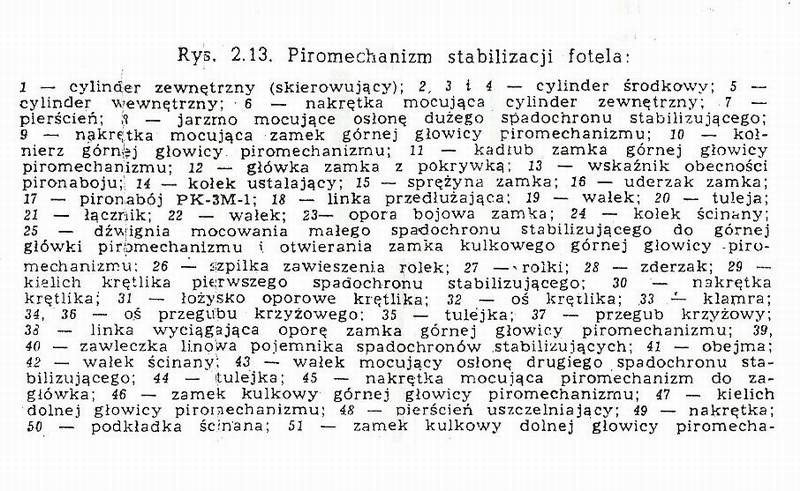
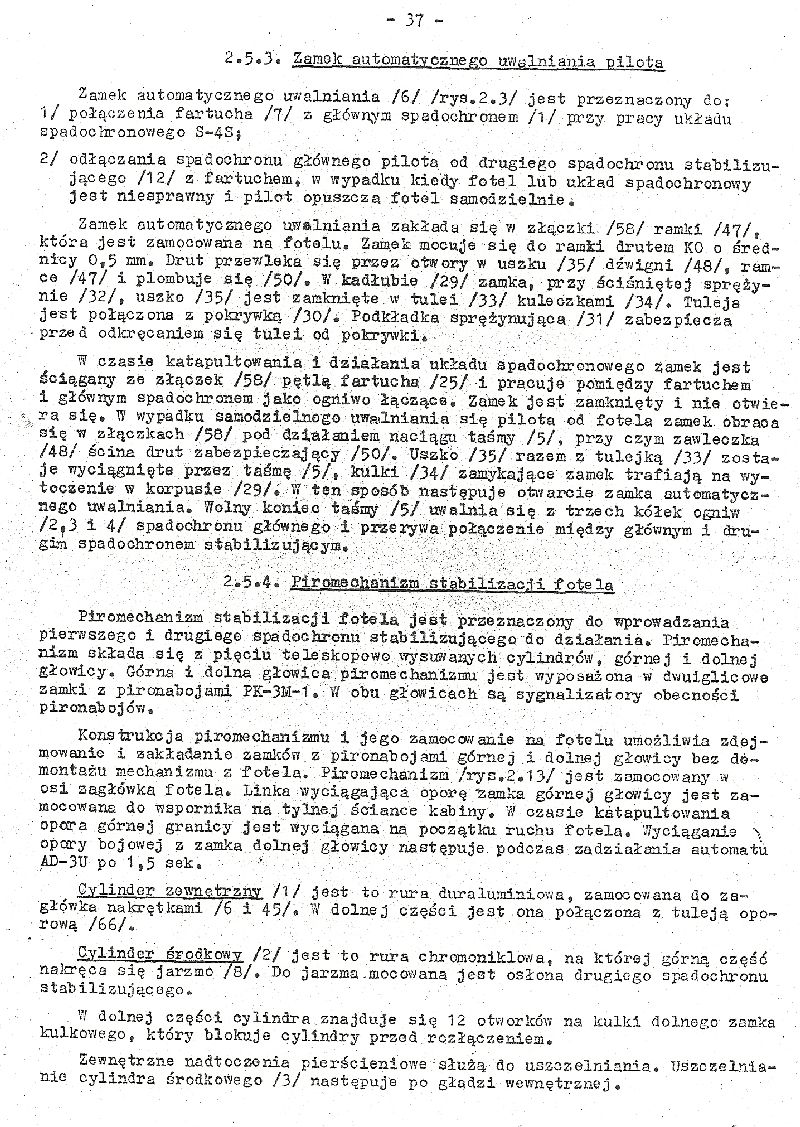
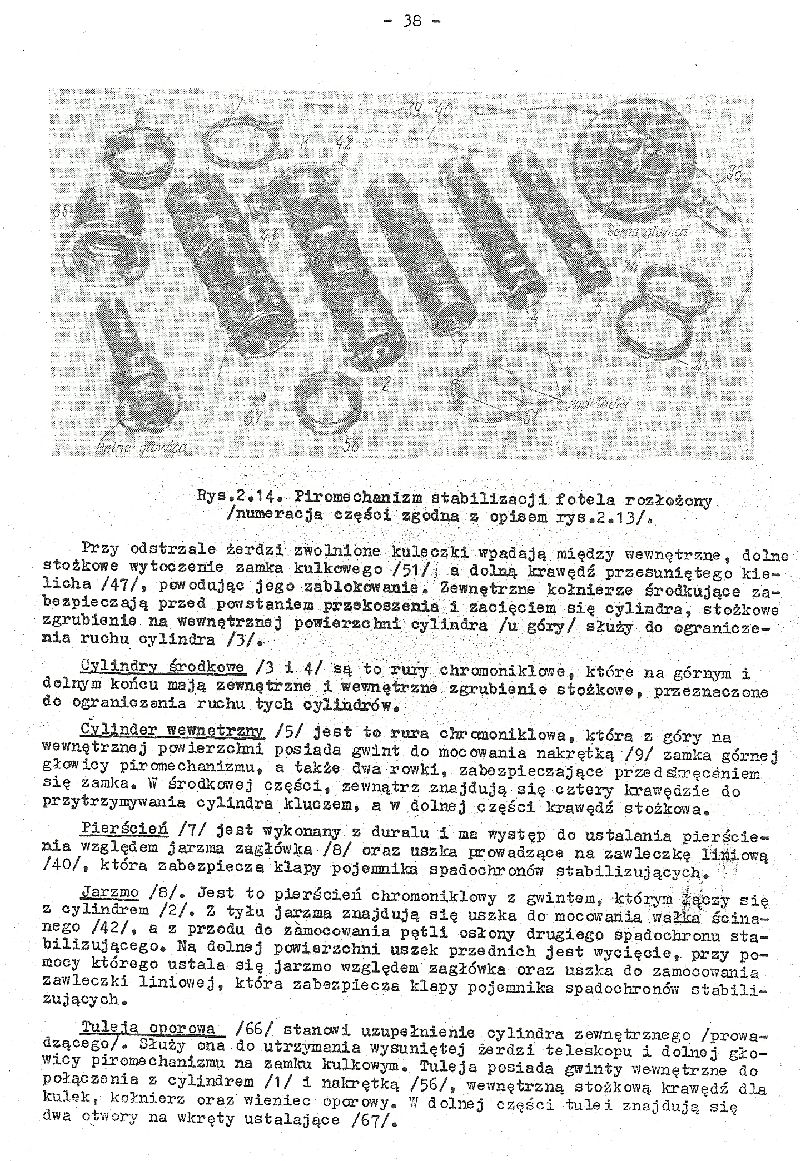
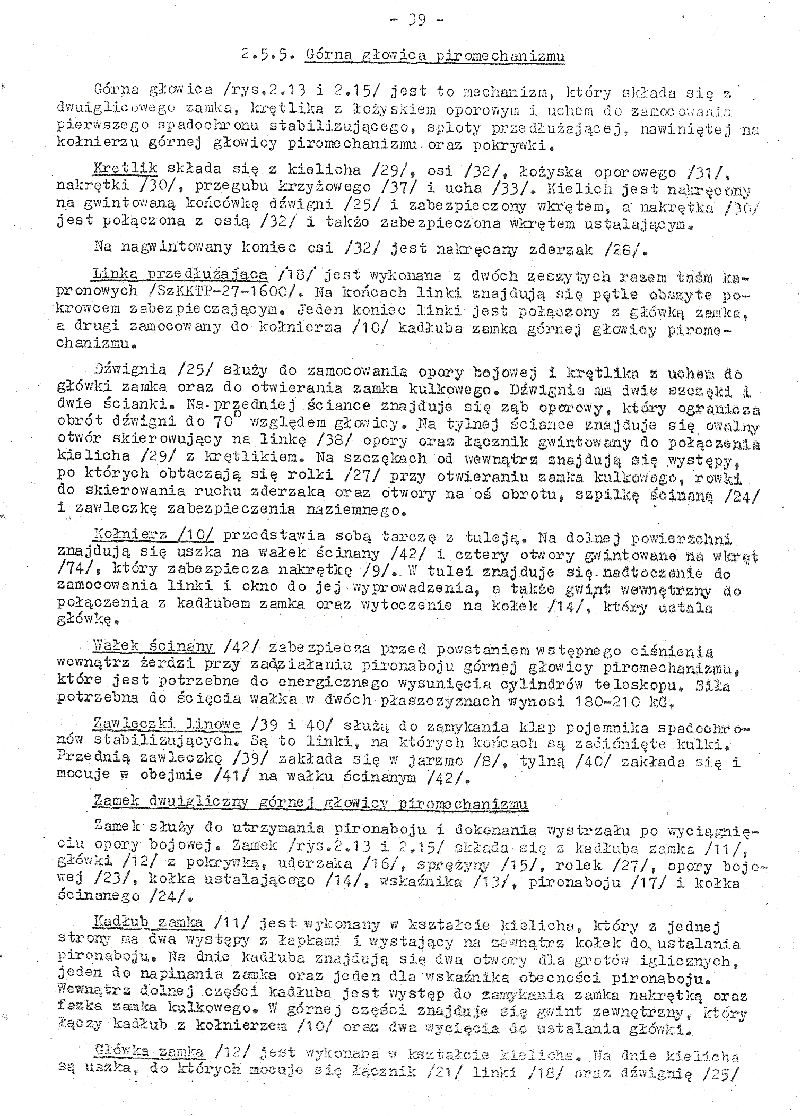
The KS-3 seat was used in the Su-7BM, Su-7BMK, late-series Su-9, Su-11 and early-series Su-15. The safer KS-4 was intended for the Su-7BKL, Su-15T/TM and the experimental T-58D1 and T-58L UWD-58M.
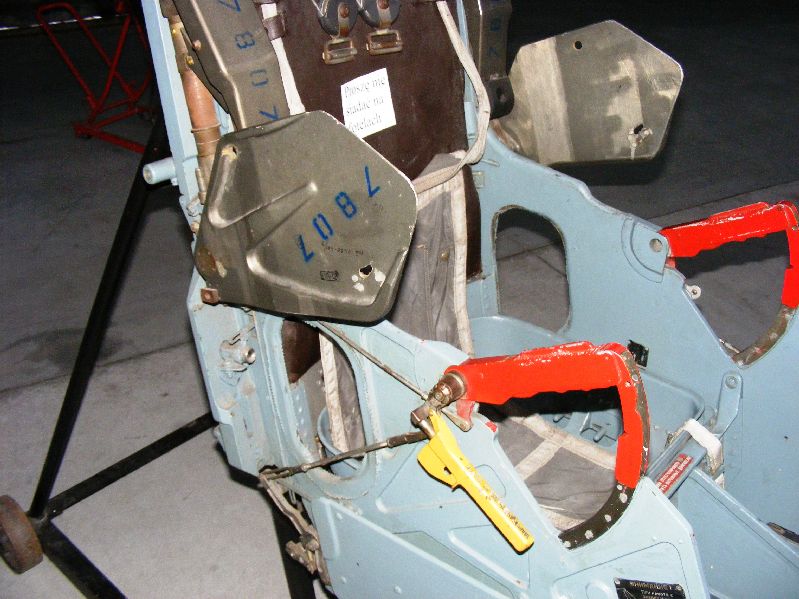
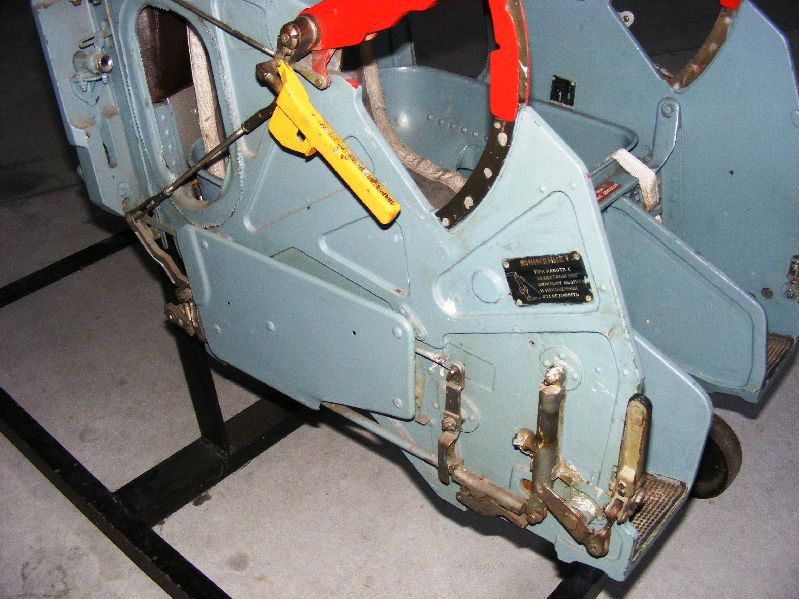
The frame of the KS-4 seat shown below was used in the Su-7BKL serial number 7807, side number 807. The aircraft was built in June 1971 and delivered to the 3rd Fighter-Bomber Aviation Regiment in September 1971; major overhaul – 18 October 1985. Both the aircraft and the seat are now in the Polish Aviation Museum in Kraków, where the photos below were taken.
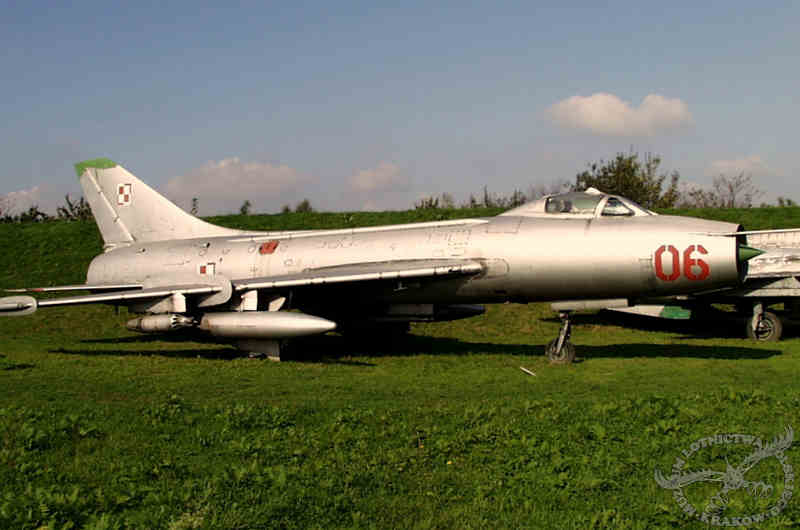
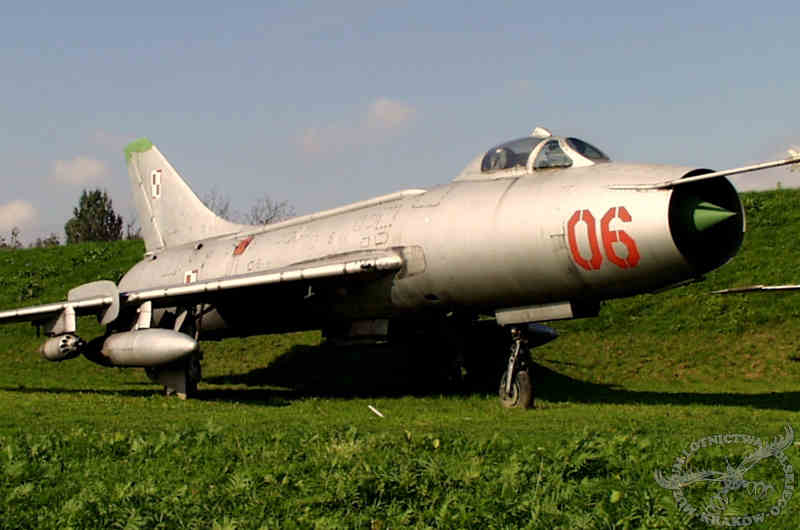
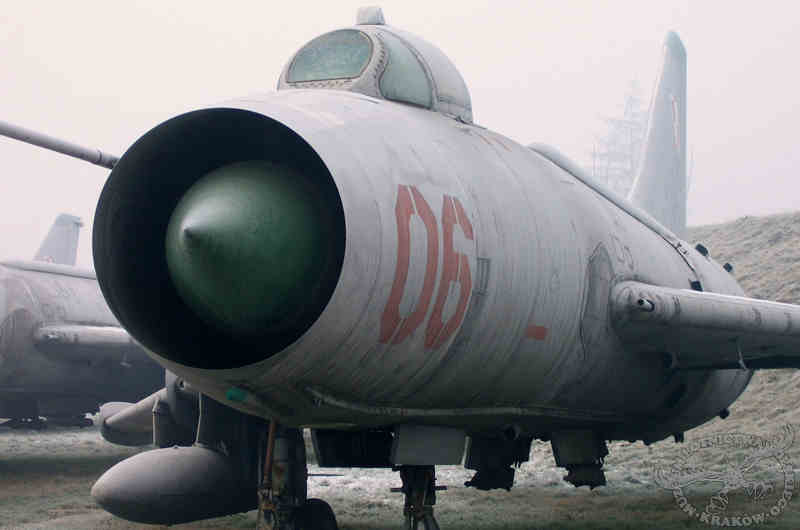
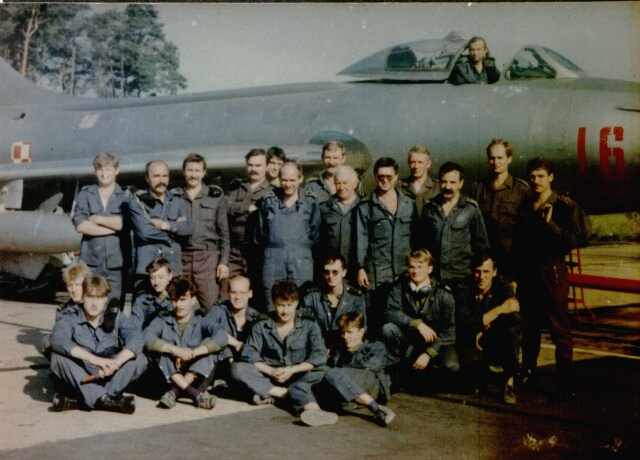
The seat frame was used in the Su-20 serial number 6606. In its early service the side number was 06, later 4246. The aircraft was built in 02.1974 and delivered to service on 26.04.1974. Service history: 26.04.1974 – 10.10.1982 Military Unit 1462, 7th Bomber-Reconnaissance Aviation Brigade; 10.10.1982 – 28.02.1994 7th Bomber-Reconnaissance Aviation Regiment. Work done on the aircraft outside its home unit: 1982 – Baranovichi, USSR; 1988 – 16.07.1989 – Baranovichi, USSR. Total flying time: 1256 h 56 min. Withdrawn from service on 28.02.1994, handed over without an engine to the Air Force Equipment Base, and scrapped on 07.12.1995.
The seat has been in my collection since 2011 and is being completed.
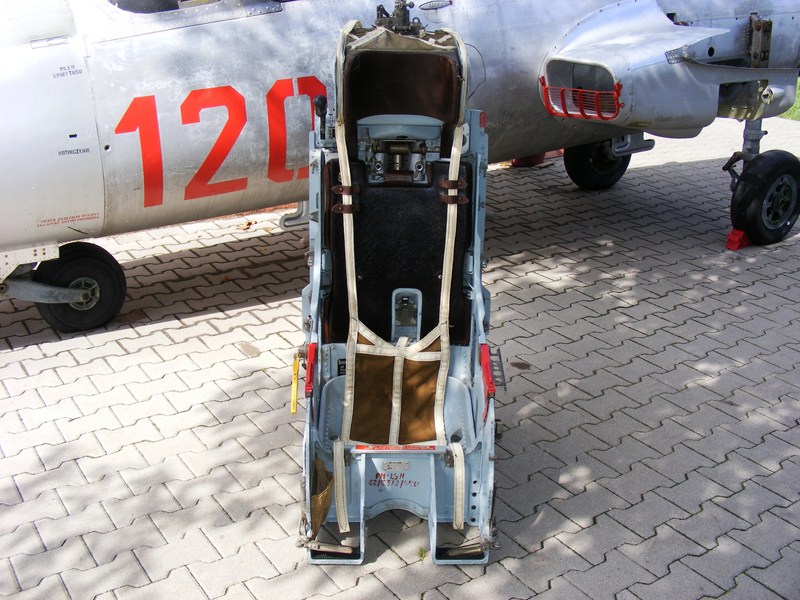
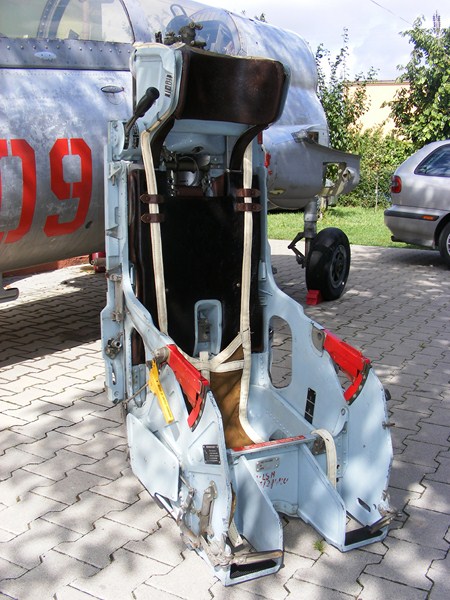
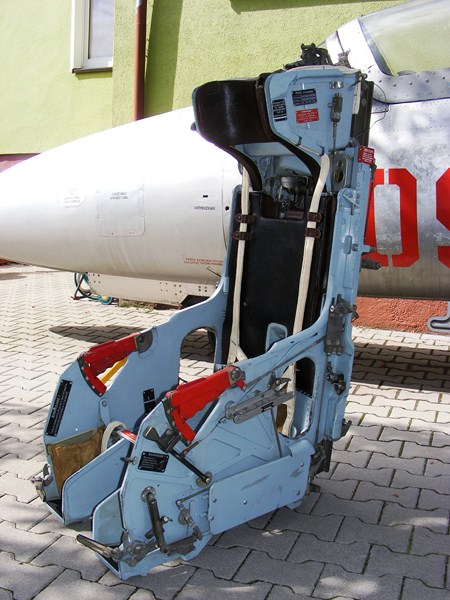
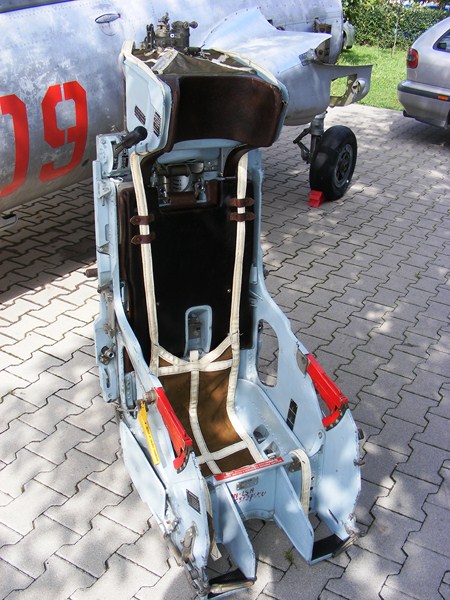
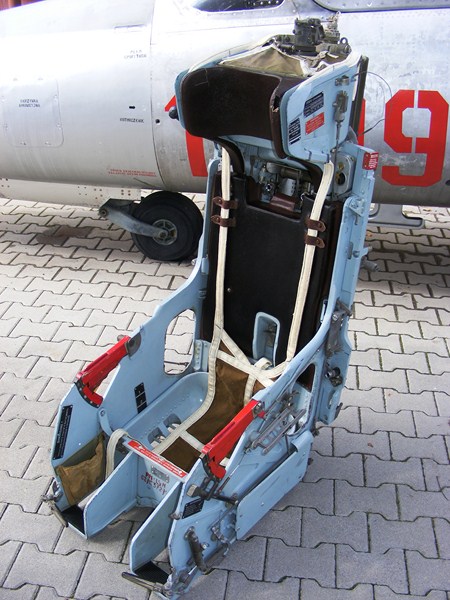
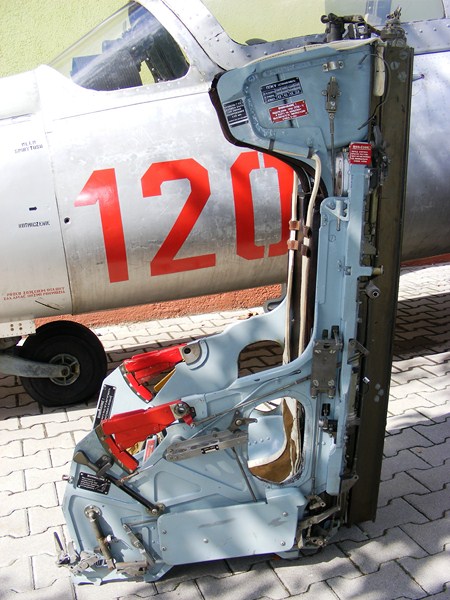
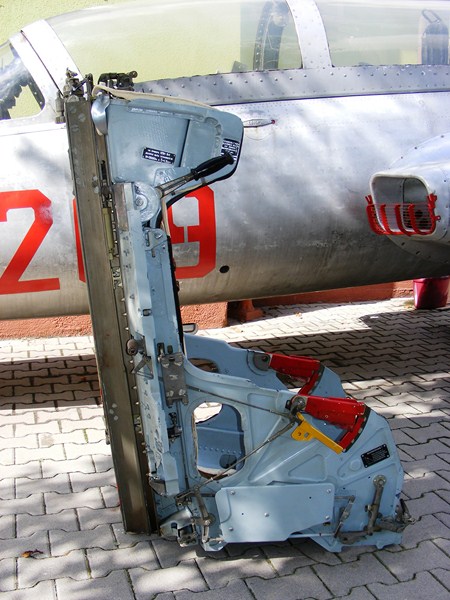
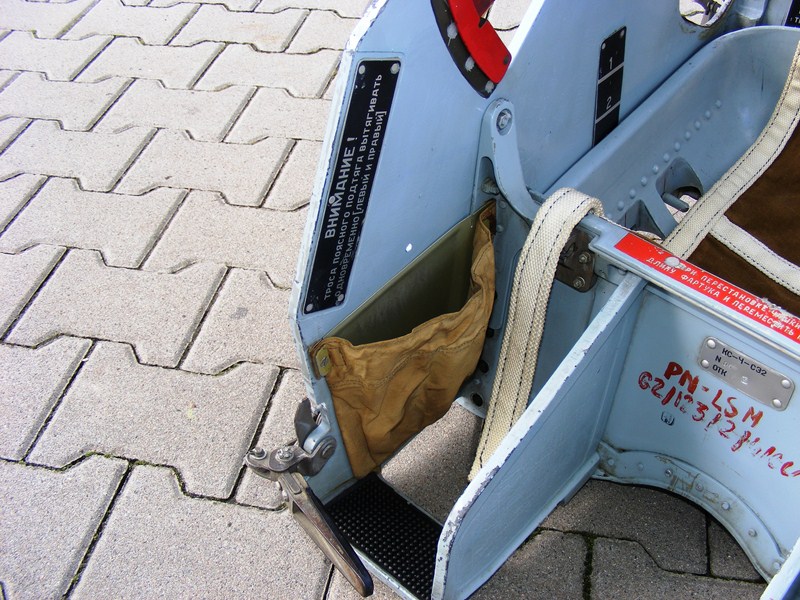
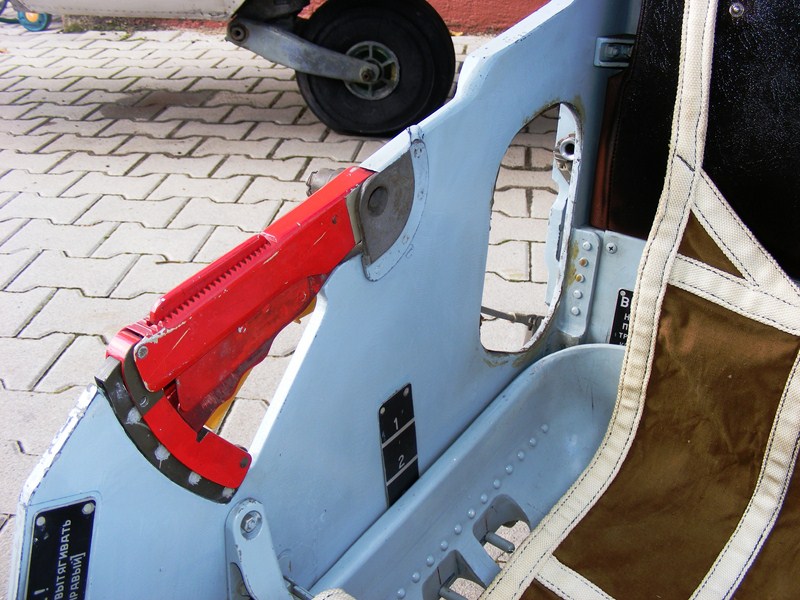
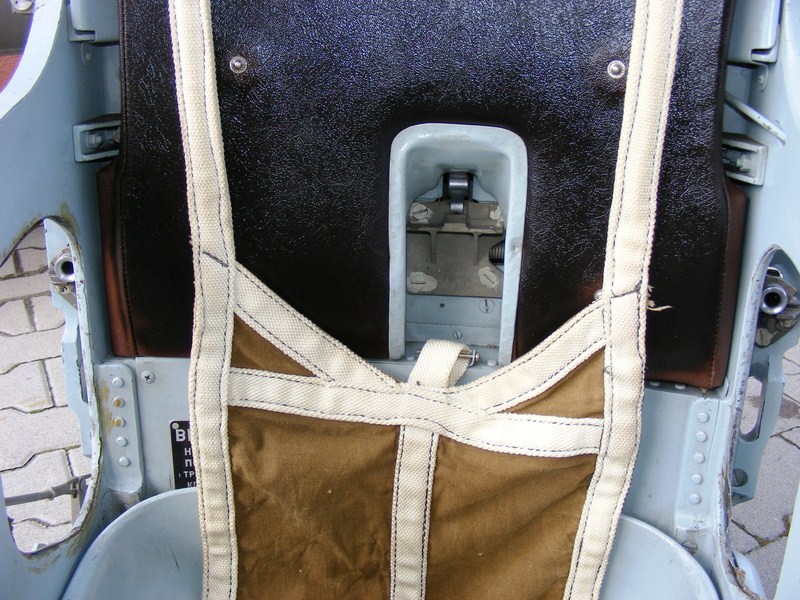
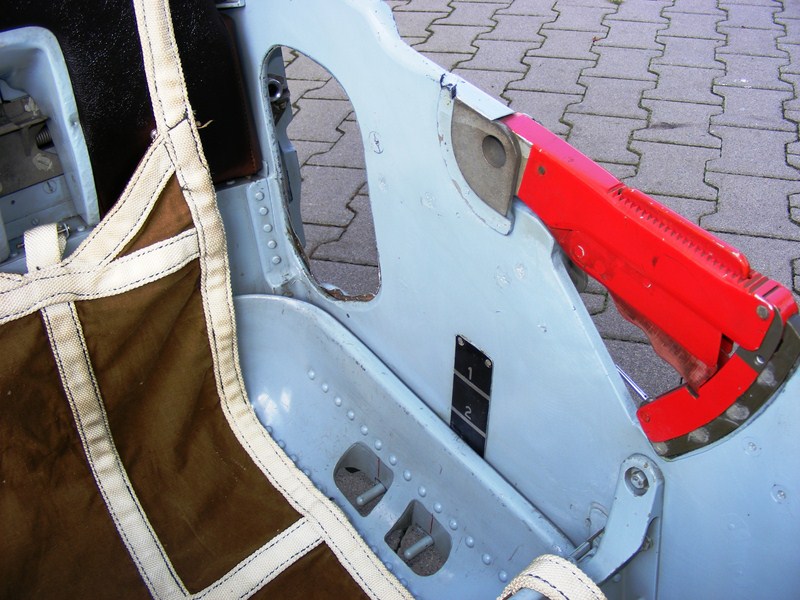
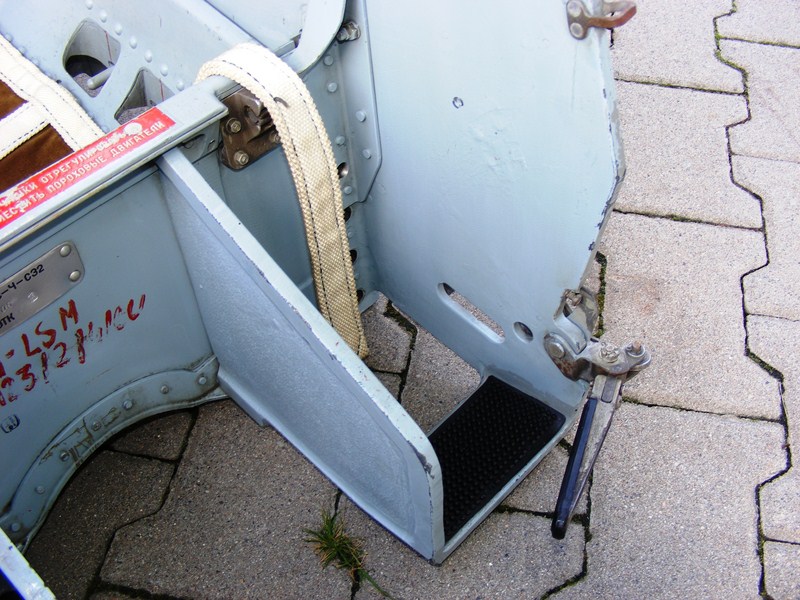
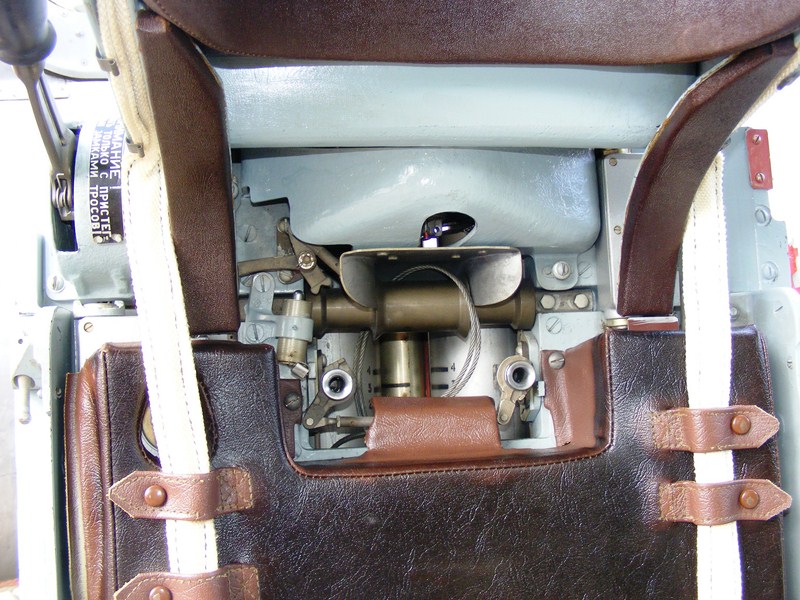
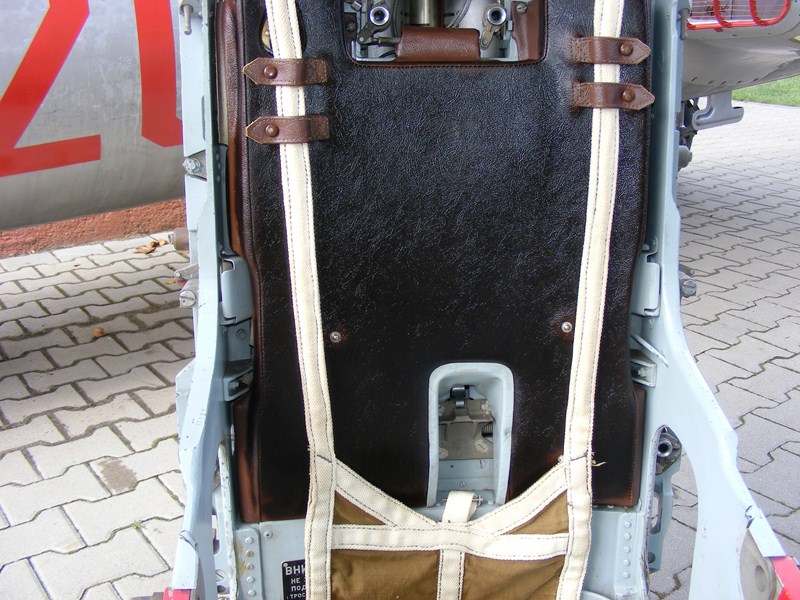
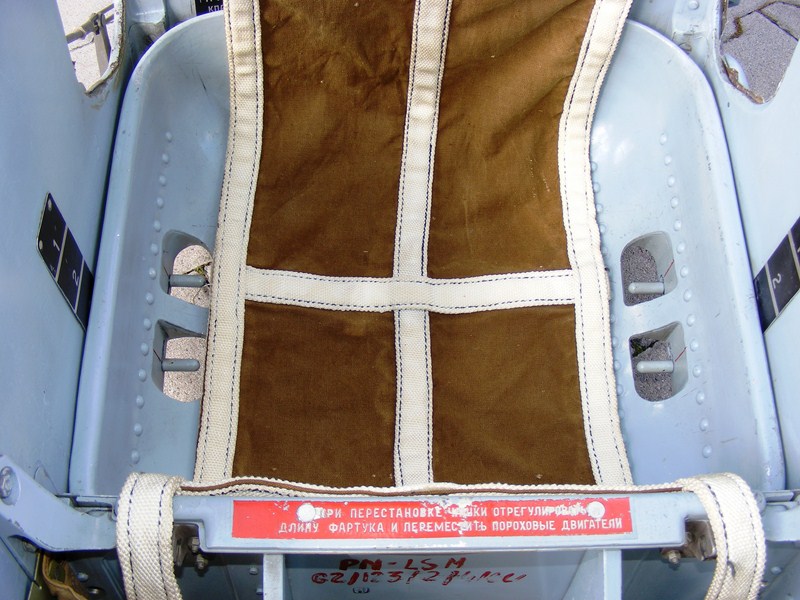
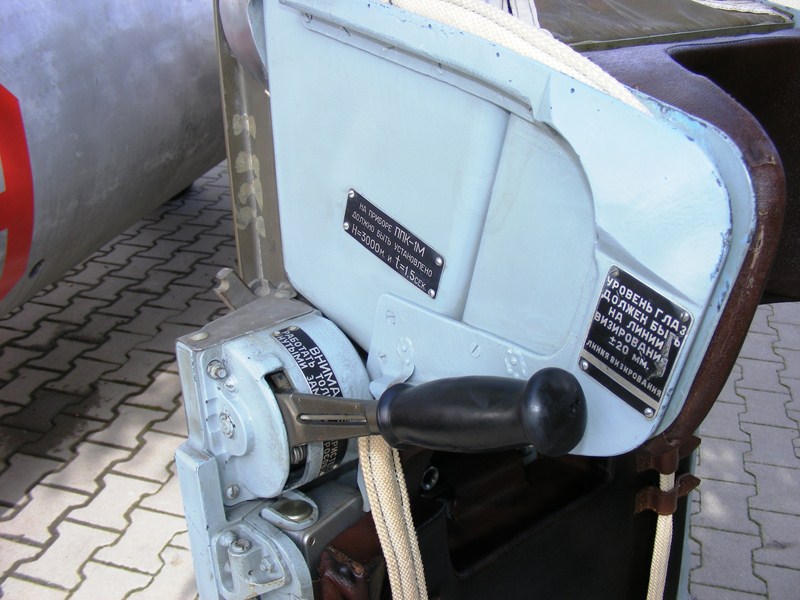
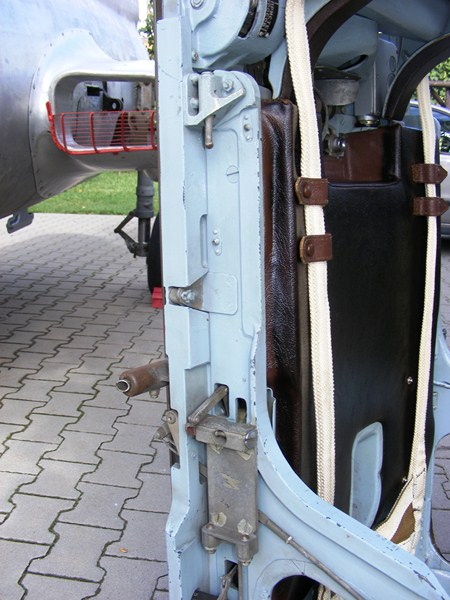
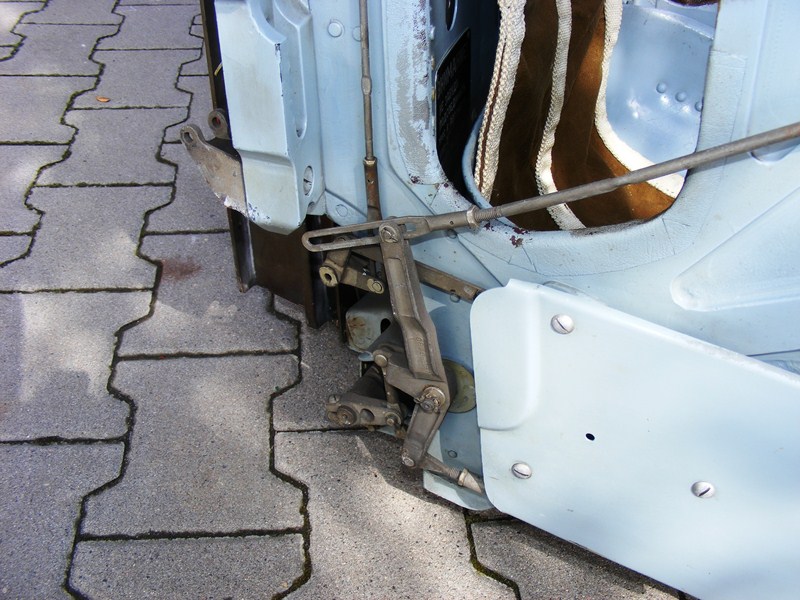
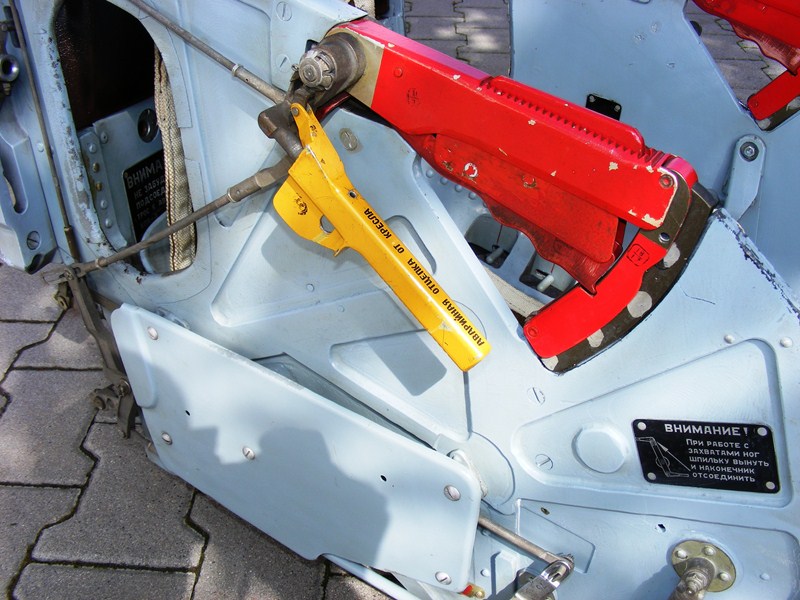
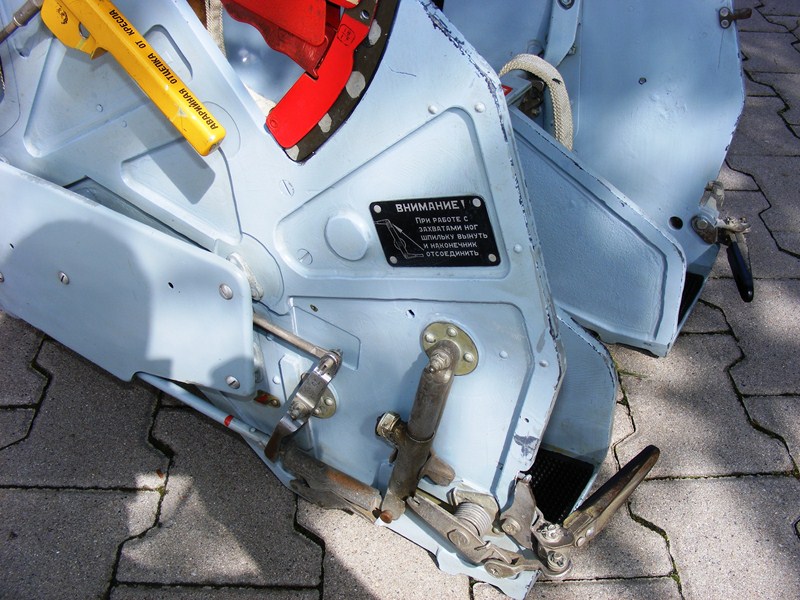
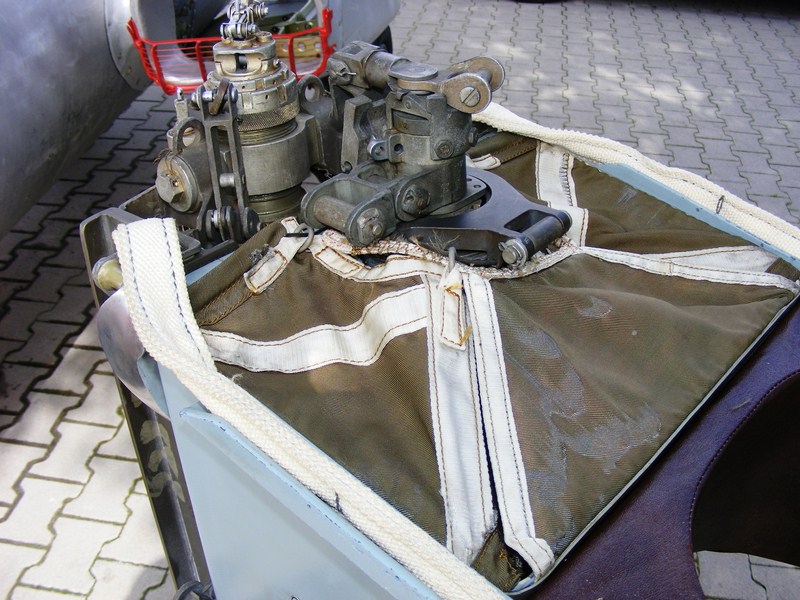
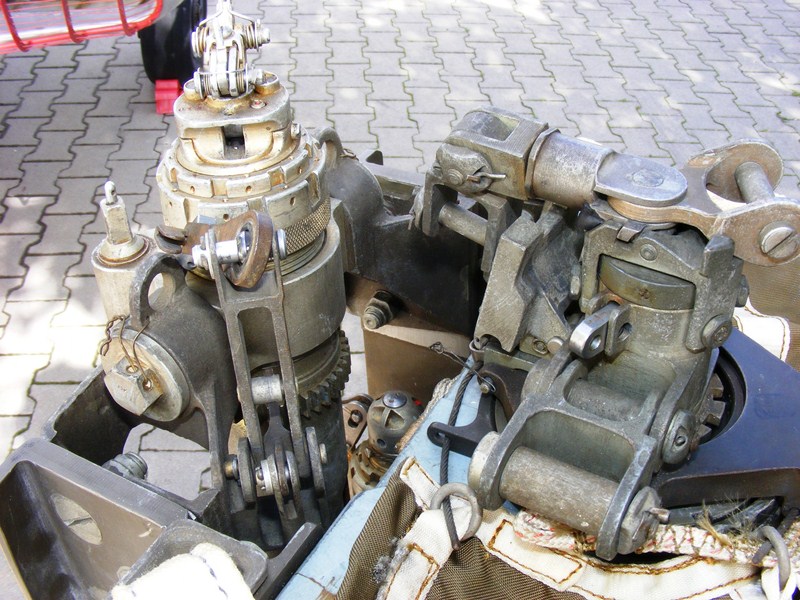
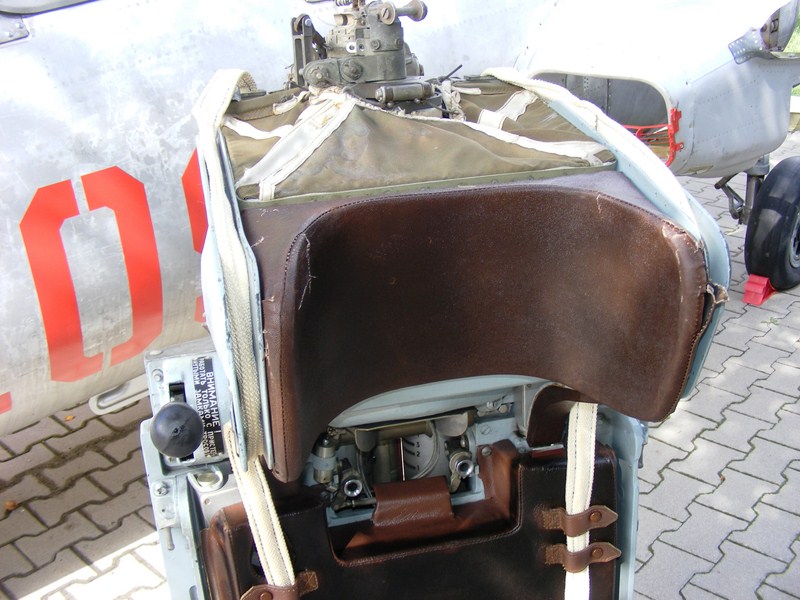
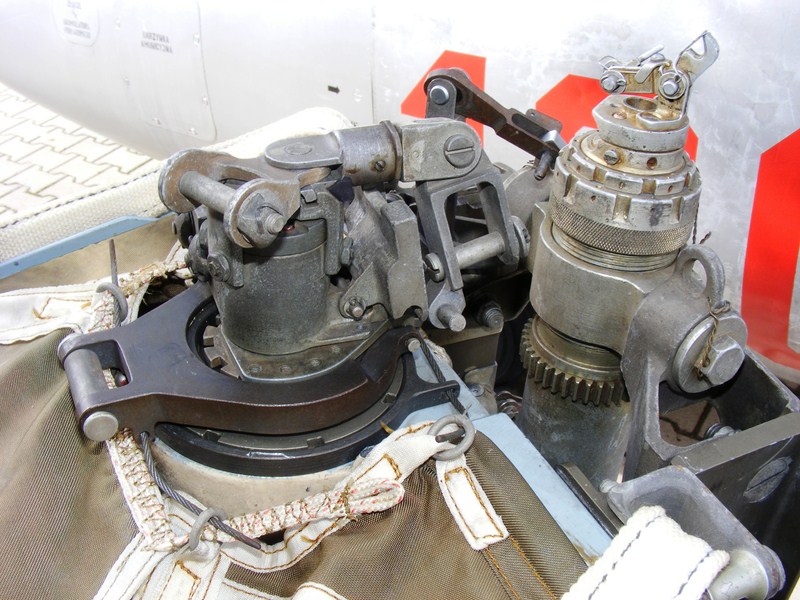
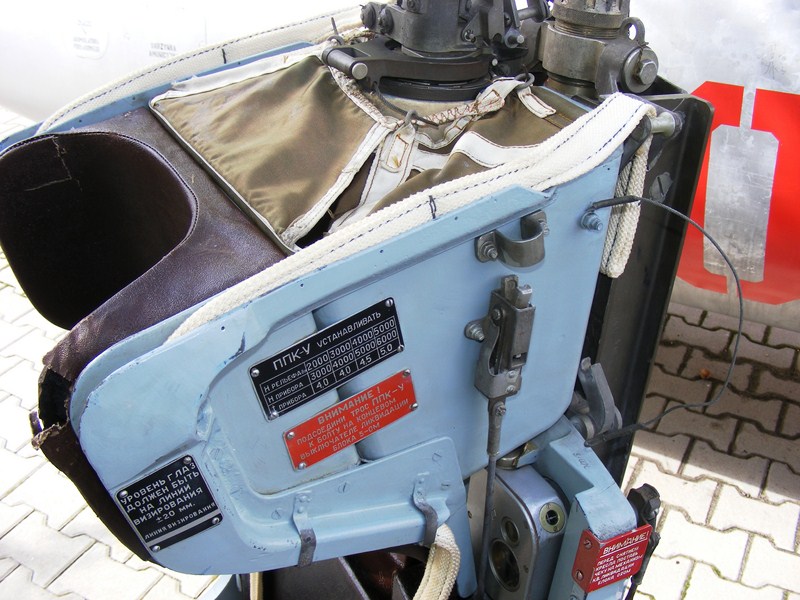
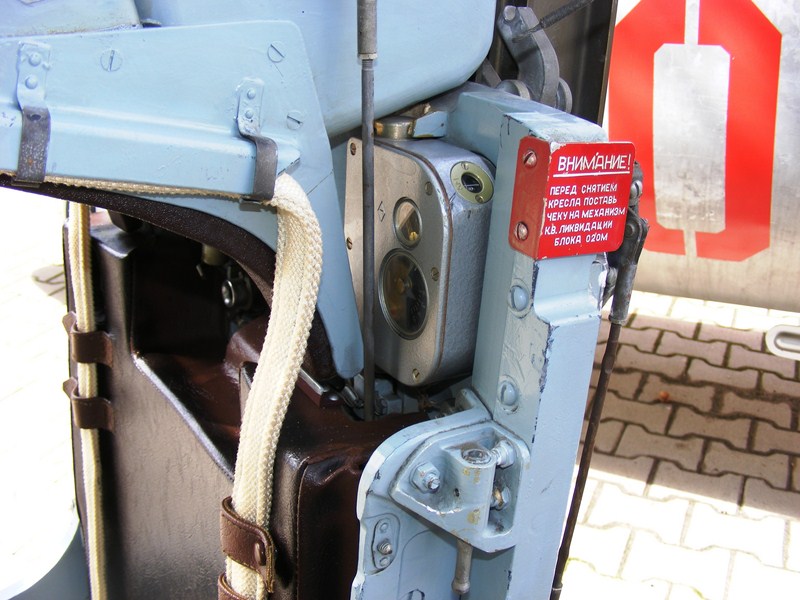
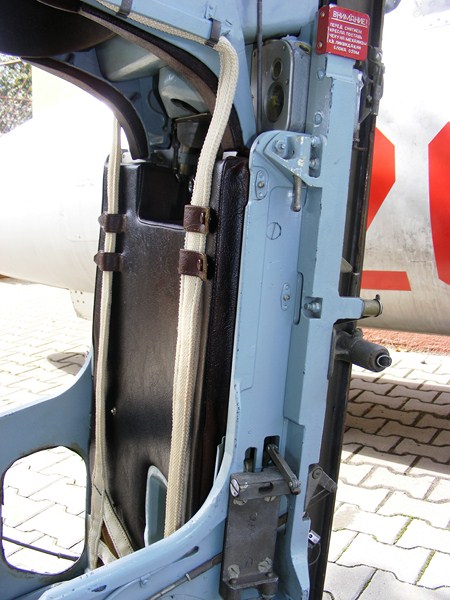
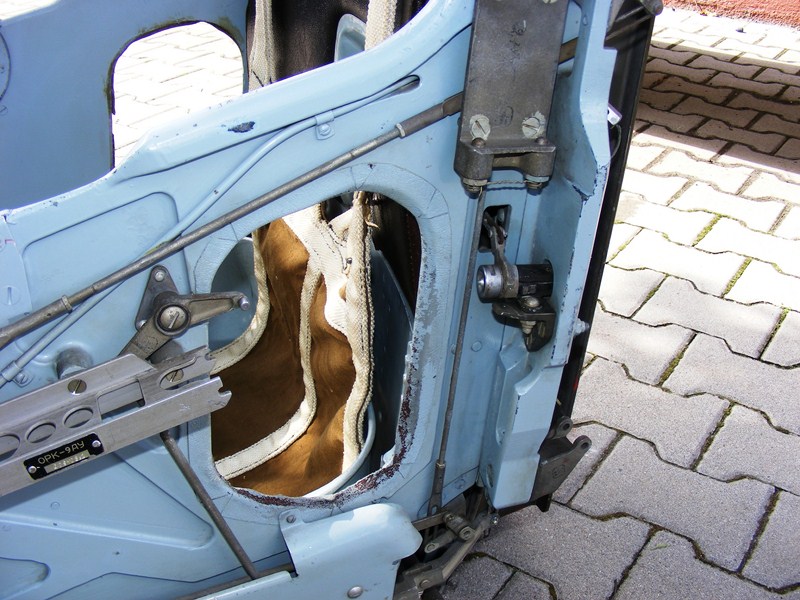
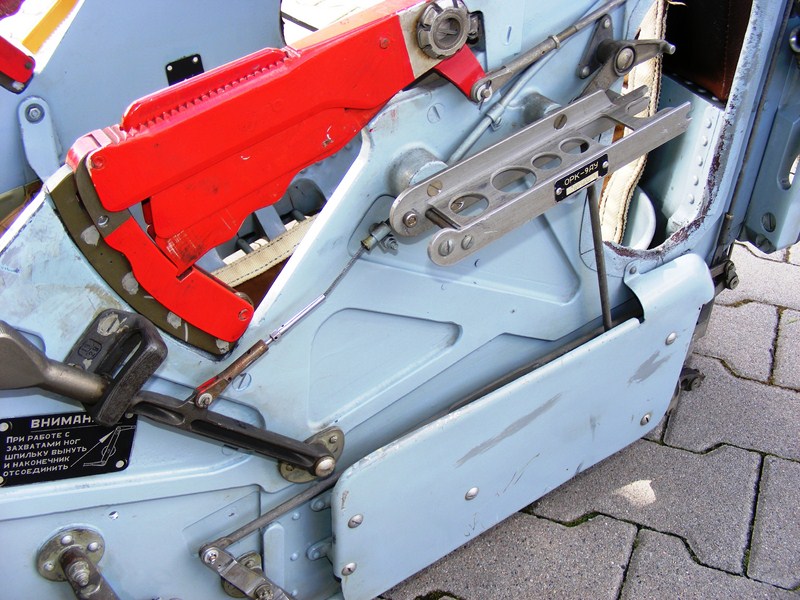
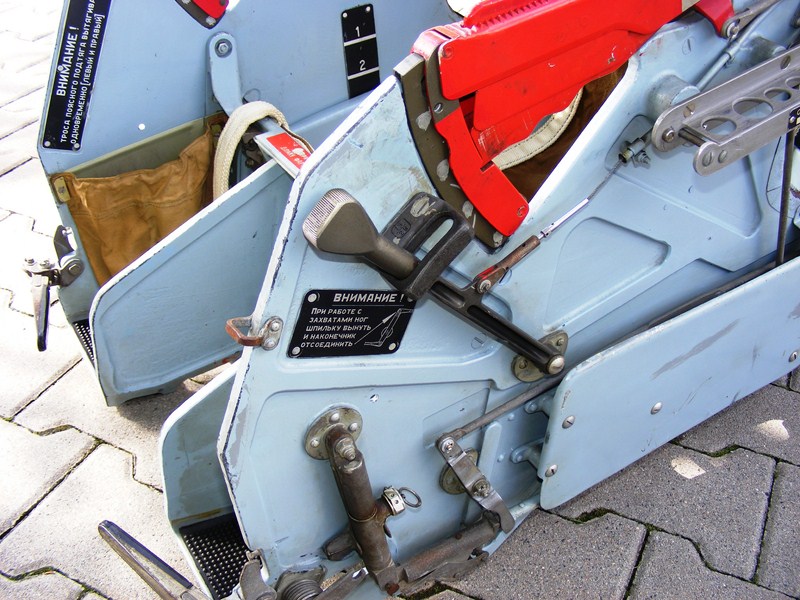
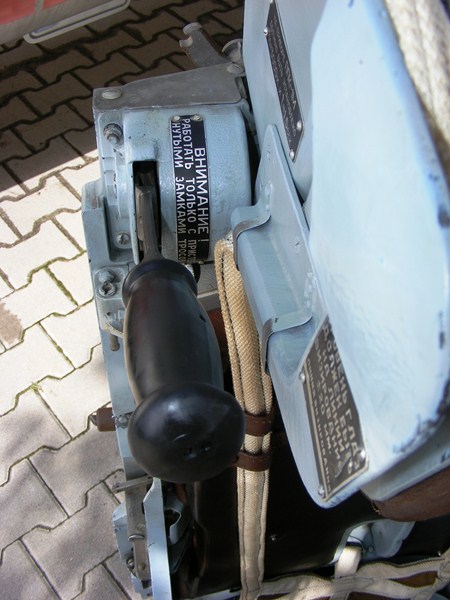
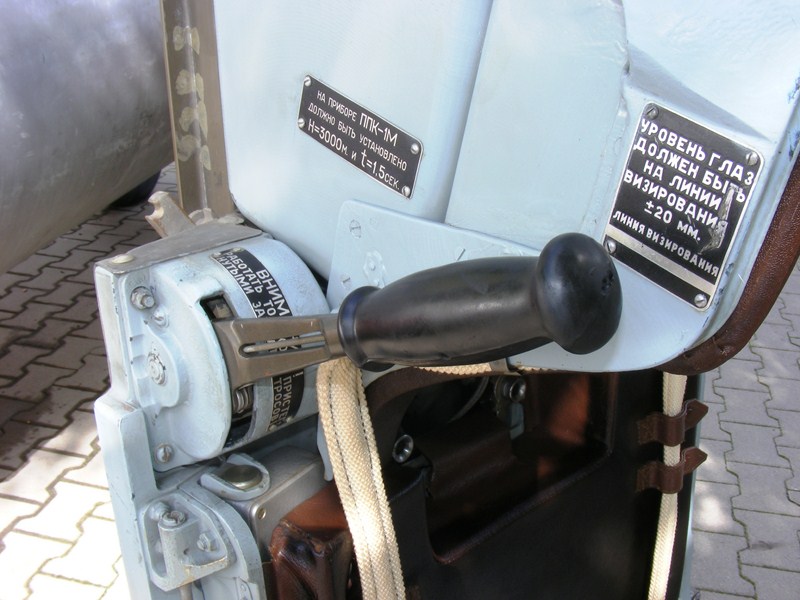
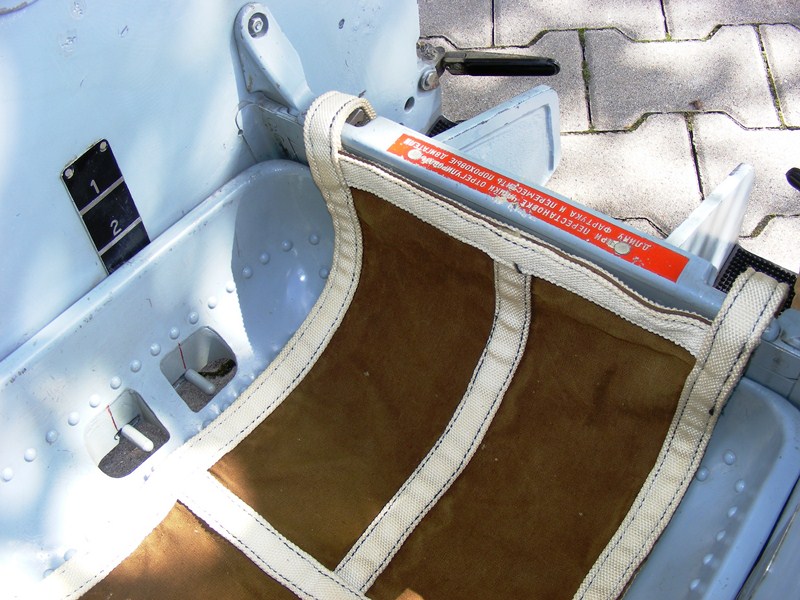
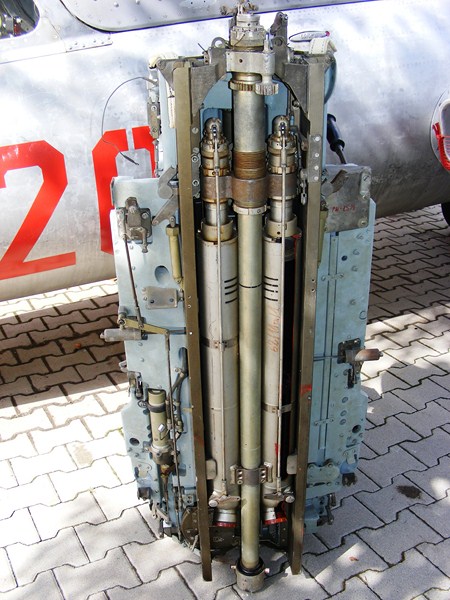
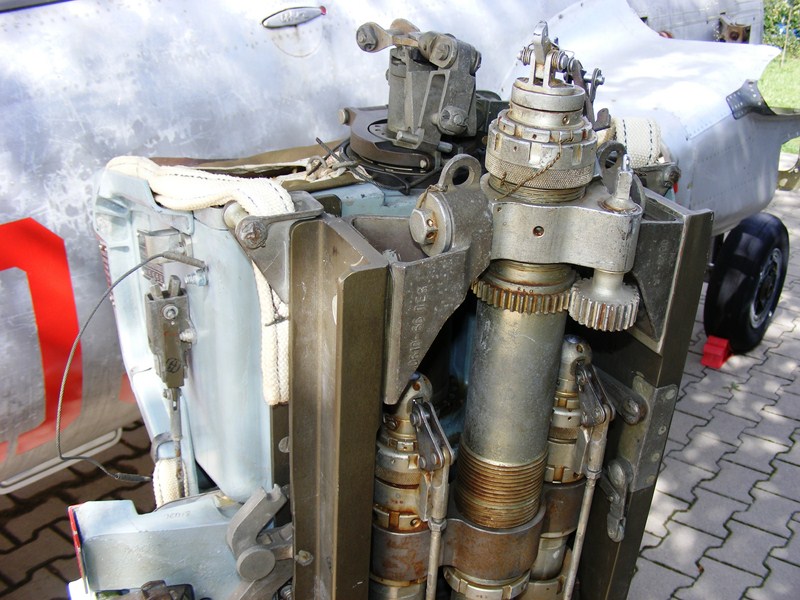
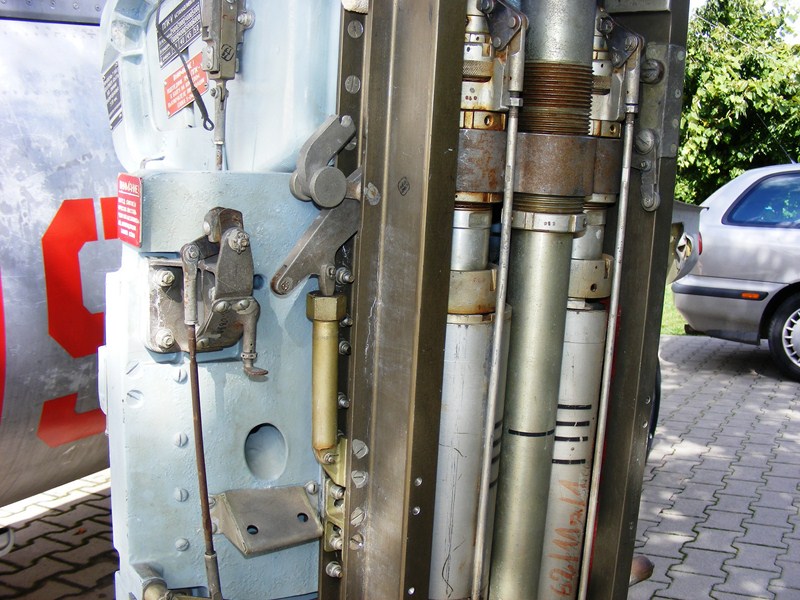
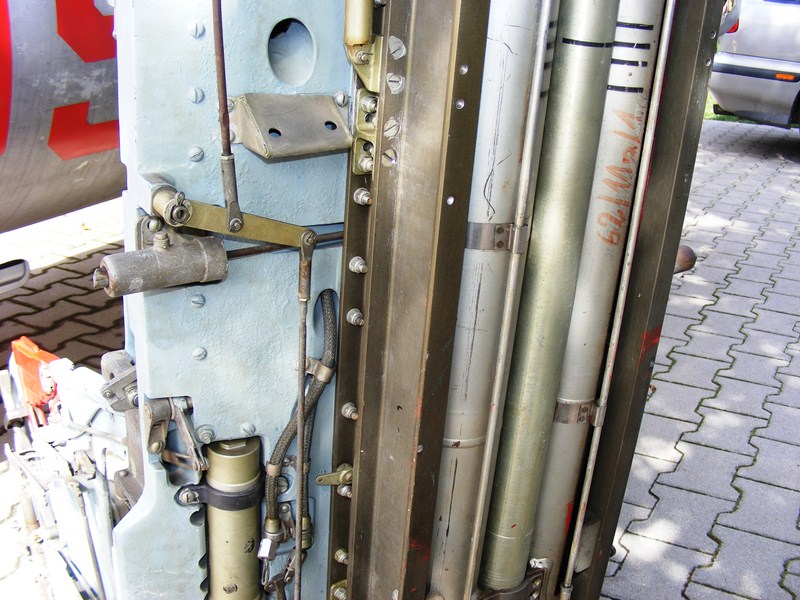
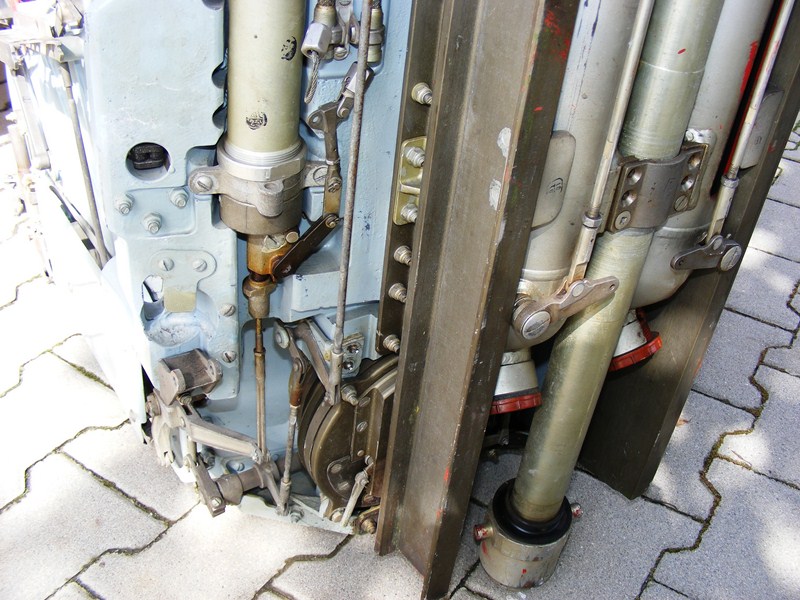
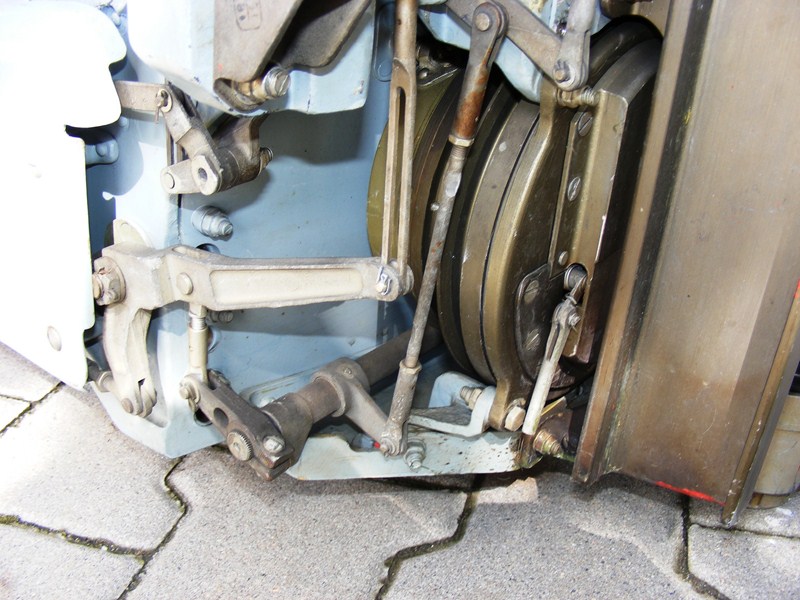
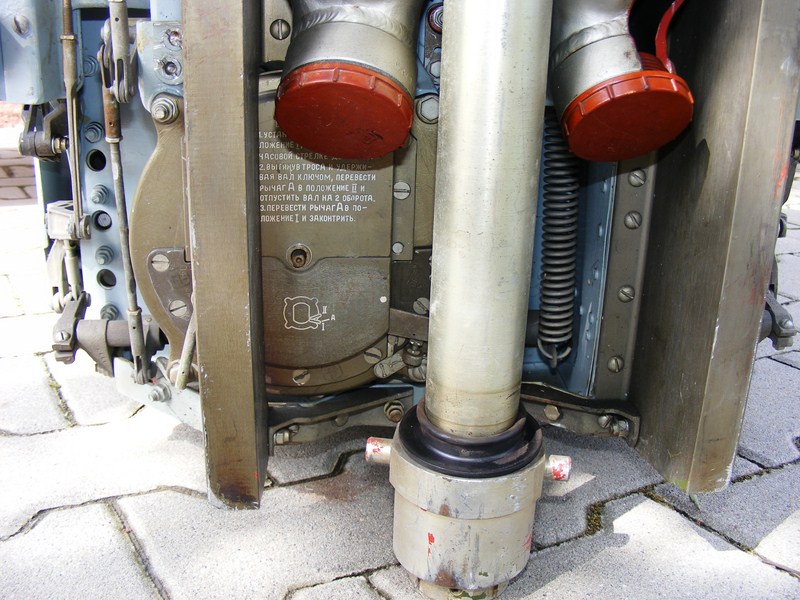
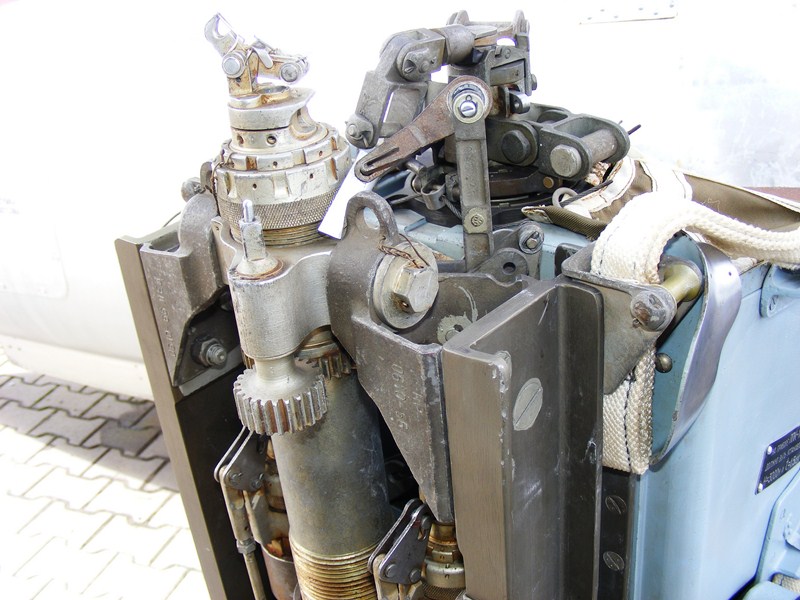
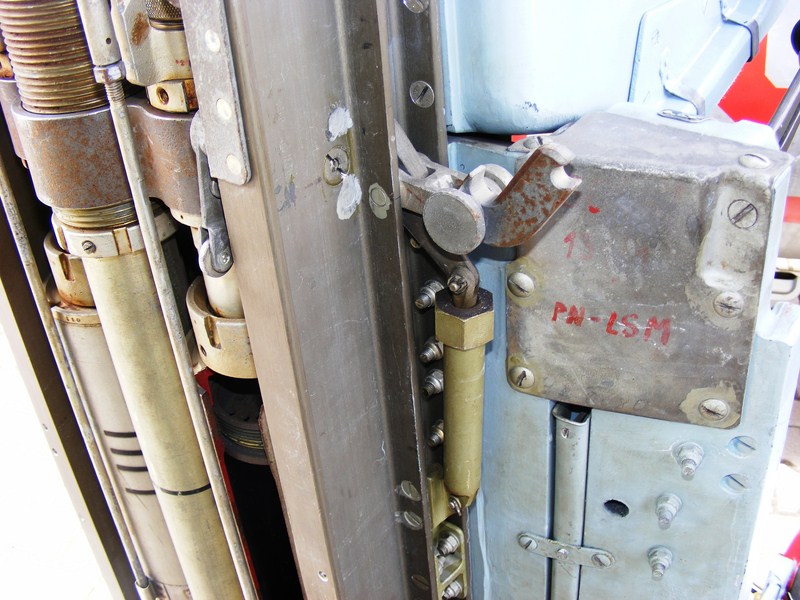
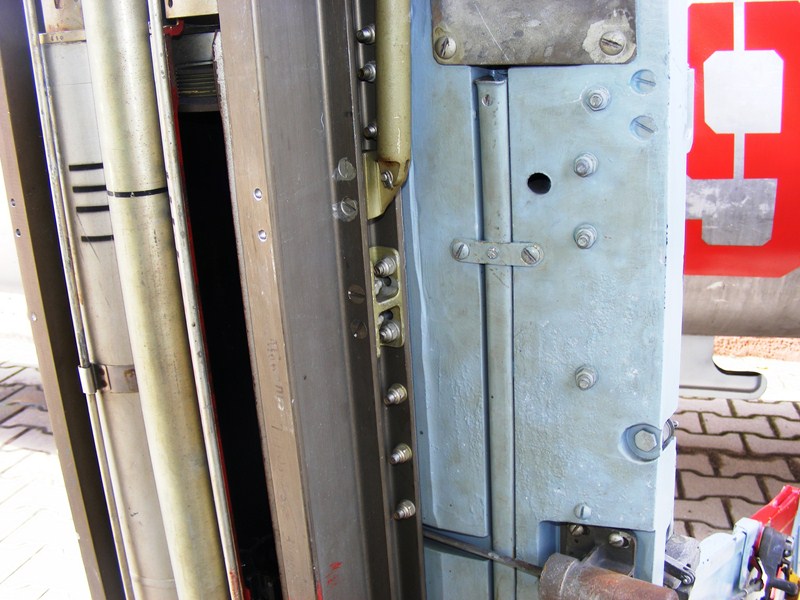
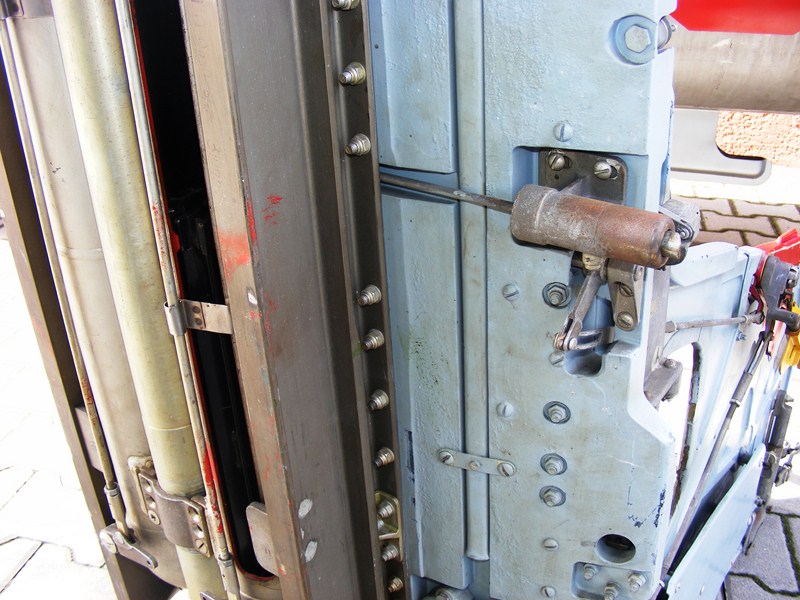
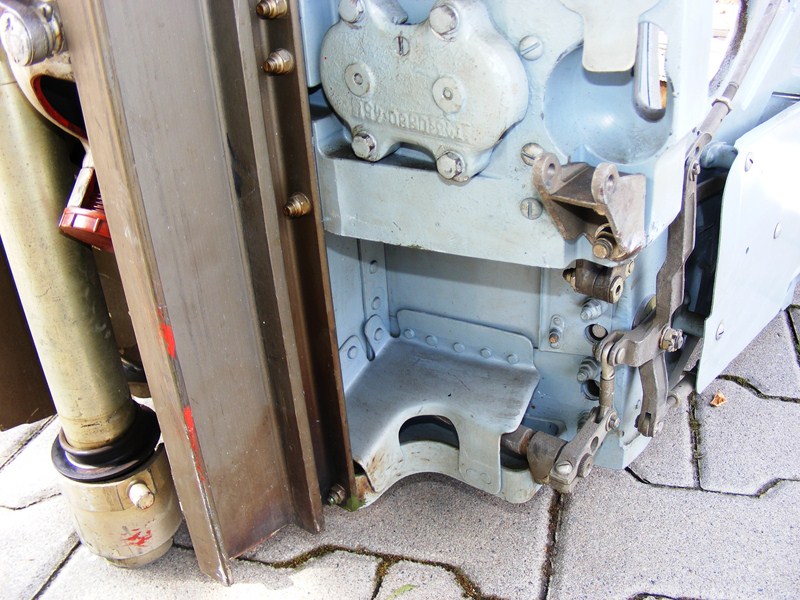
The frame of the KS-4-S32 seat was used in the Su-20 serial number 6606. In its early service the side number was 06, later 4246. The aircraft was built in 02.1974 and delivered to service on 26.04.1974. Service history: 26.04.1974 – 10.10.1982 Military Unit 1462, 7th Bomber-Reconnaissance Aviation Brigade; 10.10.1982 – 28.02.1994 7th Bomber-Reconnaissance Aviation Regiment. Work done on the aircraft outside its home unit: 1982 – Baranovichi, USSR; 1988 – 16.07.1989 – Baranovichi, USSR. Total flying time: 1256 h 56 min. Withdrawn from service on 28.02.1994, handed over without an engine to the Air Force Equipment Base, and scrapped on 07.12.1995.
The seat has been in my collection since 2011 and is being completed.