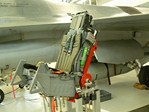
ACES II ejection seat
The ACES II (Advanced Concept Ejection Seat II) is the basic element of the F-16’s emergency escape system. It is a zero-zero seat. The third generation of the ACES II, currently in use, can adjust the parachute opening time to the speed and altitude. However, difficulty in maintaining pitch stability and the lack of additional protection against dynamic air pressure indicate a clear likelihood of injury to the pilot at speeds above 425 KEAS.
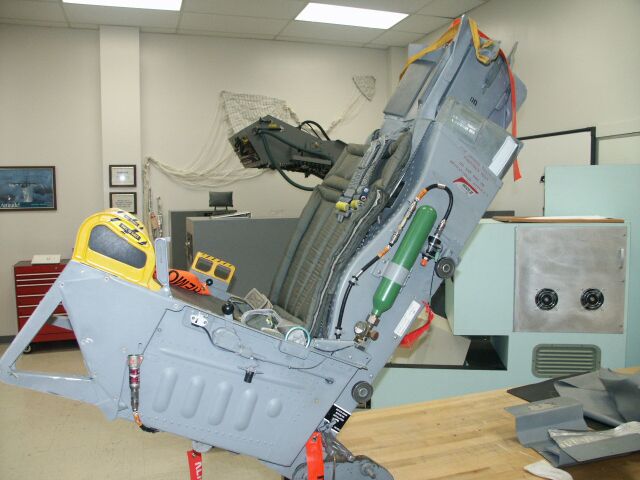
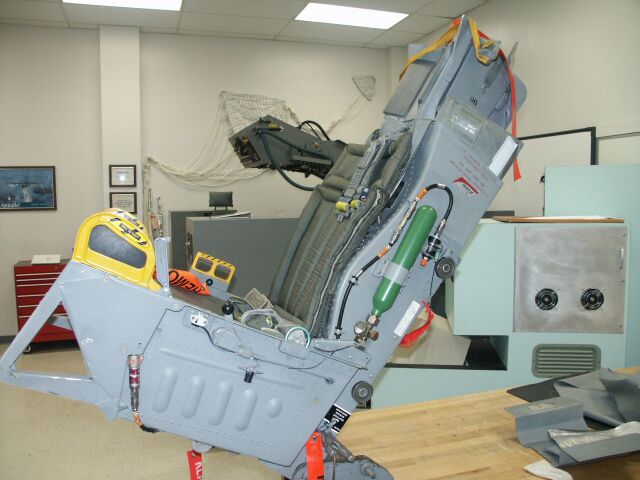
The ACES II ejection seat is built of aluminium structures shaped to give it sufficient strength. The rear section has a set of three rollers that allow the seat to move along aluminium rails mounted in the cockpit. The seat bucket is about 51 cm wide. The CKU-5/A/A rocket catapult (CKU-5/B in the newer version) uses a standard solid-propellant ejection charge and gives the seat its initial speed, while further movement of the seat is provided by a rocket motor that fires after the seat has left the cockpit. In most versions the seat weighs about 57 kg and contains the following elements:
The sequencing subsystem consists of an environmental sensor unit and a sequencer unit. Its task is
to activate the seat mechanisms needed for the ejection, depending on the data collected. The environmental sensor system includes two dynamic pressure sensors (altitude-compensated) and two static pressure sensors.
The STAPAC gyroscopic seat stabilisation system. Its main element is an additional rocket motor mounted under the seat on a special platform controlled by a gyroscopic pitch-angle sensing system. The STAPAC’s task is to stabilise the seat’s trajectory to prevent it from tumbling. The rocket nozzles are aimed so that the resultant thrust vector passes through the nominal centre of gravity of the pilot–seat system.
The inertia reel harness locking system is responsible for forcibly pulling the pilot back into the seat. It is located at the back of the seat under the headrest. The system consists of a shoulder retraction mechanism and a lap retraction mechanism. A lever on the left side of the seat bucket allows the harness to be locked manually.
The inertia reel harness locking system has two functions:
1. It locks the pilot’s harness when a g-load greater than 2G acts in the x-y plane;
2. During ejection it pulls back the pilot’s shoulders so that he takes up the correct position.
The drogue system, located in a container at the top left of the seat, consists of a stabilising (drogue) parachute, a small pilot chute and a mortar. The mortar is fired to slow down and stabilise the movement of the pilot–seat assembly. Its main task is to protect the pilot from a strong aerodynamic impact after leaving the cockpit. The mortar ejects a slug weighing about 0.5 kg. This slug pulls out the pilot chute, which in turn deploys the drogue parachute. The pilot chute is packed in a container at the top left of the seat. The drogue parachute bridle is attached to the seat on both sides. The drogue lines are cut pyrotechnically before the main parachute opens. A manual parachute release handle on the right side of the seat bucket allows the parachute to be opened manually, the main parachute mortar to be fired and the separation of the pilot from the seat to be started if the electronic sequencer fails. This handle is locked while the seat is in the guide rails, preventing parachute deployment and pilot separation.
The emergency oxygen system consists of a high-pressure oxygen bottle mounted on the left side of the ejection seat, an automatic activation lanyard and a manual activation handle. As the seat moves along the rails, the lanyard activates the emergency oxygen bottle, which can be used for as long as the crew member is connected to the seat. The oxygen supply lasts 8-12 minutes depending on altitude and breathing rate. In the event of a failure that does not require ejection, this supply allows the oxygen system to be used until the aircraft has descended below 10,000 feet. A pressure gauge on the emergency bottle shows the pressure of the stored oxygen. The system is activated automatically when ejection is initiated, or manually by pulling the green emergency oxygen ring on the left side of the ejection seat.
The ACES II survival kit is located under the seat bucket lid. The lid is made of fibreglass and hinged to the bucket. After the pilot separates, the straps connecting him to the kit lift the lid up and forward. As a result, the kit falls out of the bucket. The lid returns to its place and is locked in this position until the charge releasing the pilot’s harness and the parachute mortar fires. The release switch has two positions: forward (automatic) and rear (manual). Pulling the kit handle opens it. The kit hangs below the descending pilot on a 25-foot lanyard. At the front of the seat bucket is the URT-33C emergency locator beacon, which works in two modes (automatic and manual). The beacon is switched to automatic mode when the pilot separates from the seat.
The ejection sequence with the ACES II seat. The ejection process begins after the locking lever has been released and the ejection handles (the central handle) pulled, which activates all the seat systems; they work in a set order, turning a gear wheel and pulling the pins out of the initiators. The ejection seat is fully automatic and allows the aircraft to be abandoned at any moment, at altitudes and speeds from zero up to the maximum the aircraft can reach. The figure shows the seat’s trajectory in level flight, with the individual stages of the ejection process marked.
Ejection in level flight:
Depending on the conditions, one of three ejection modes is selected automatically:
1. Ejection at speeds V = 0 – 460 km/h and altitudes H = 0 – 4570 m (main parachute deployment time less than 2 s),
2. Ejection at speeds V > 460 km/h and altitudes H = 0 – 4570 m (less than 6 s),
3. Ejection at high speeds V and altitudes H (in this mode
some functions are delayed until the conditions of mode 2 or 1 are reached).
Ejection modes depending on the aircraft’s speed and altitude:
1. Allows the aircraft to be abandoned at low speed and altitude. Immediately after the seat is ejected, the rescue parachute begins to deploy.
2. Allows emergency abandonment of the aircraft at medium speed and altitude. After the seat is ejected, and before the rescue parachute begins to deploy, a drogue parachute opens to slow down the pilot–seat system.
3. Allows the aircraft to be abandoned at high speed and altitude. This mode is similar to mode two. In addition, the separation of the pilot from the seat is delayed, and consequently so is the start of rescue parachute deployment. The rescue parachute opens only when the motion parameters of the pilot–seat system have entered the envelope defining the conditions for mode two (one second after the parameters enter the envelope). Data on the ejection conditions, needed to select the correct mode automatically, come from the air pressure sensors located on the seat’s head.
DCF 1.0 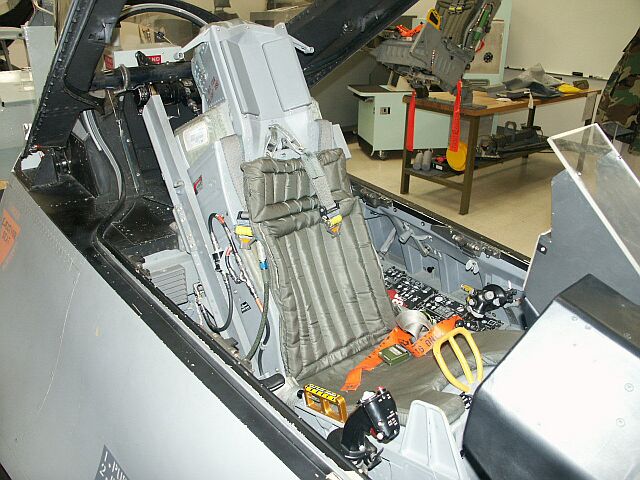
DCF 1.0 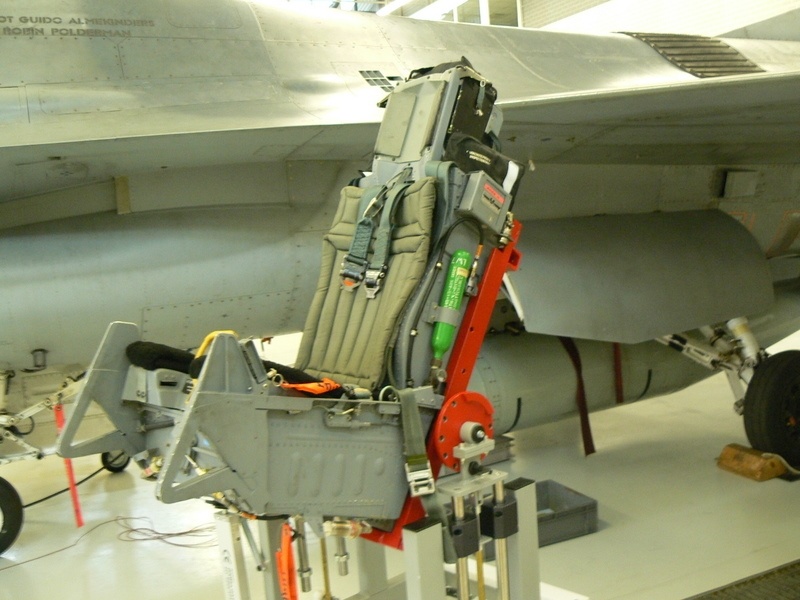
DCF 1.0 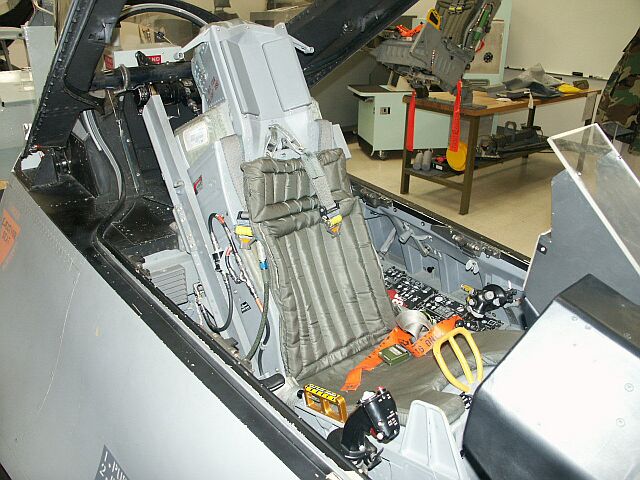
DCF 1.0 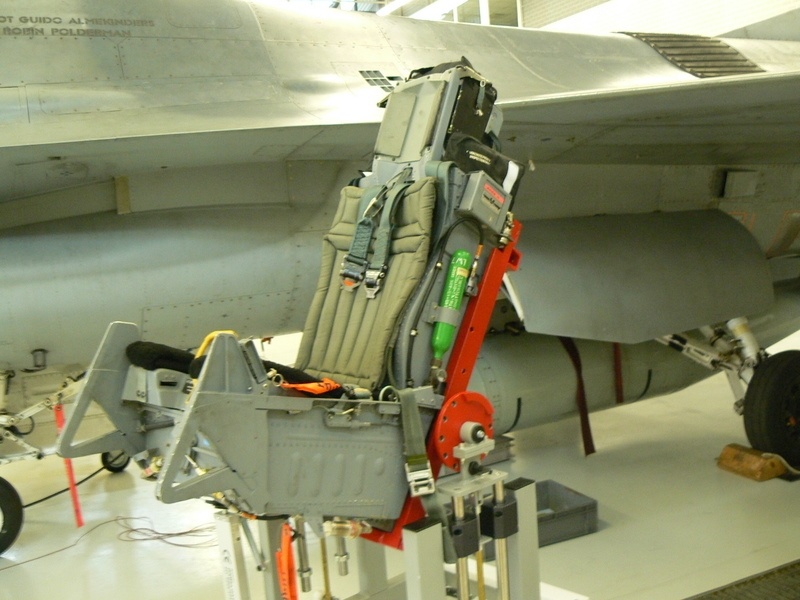
DCF 1.0 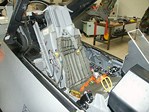
DCF 1.0