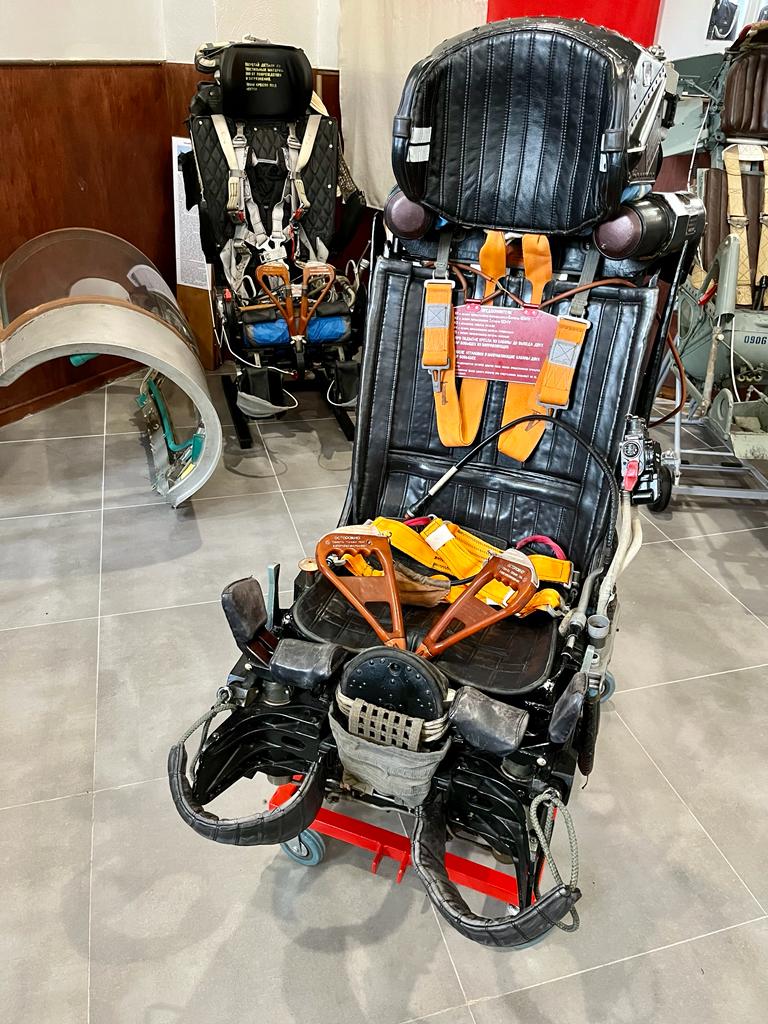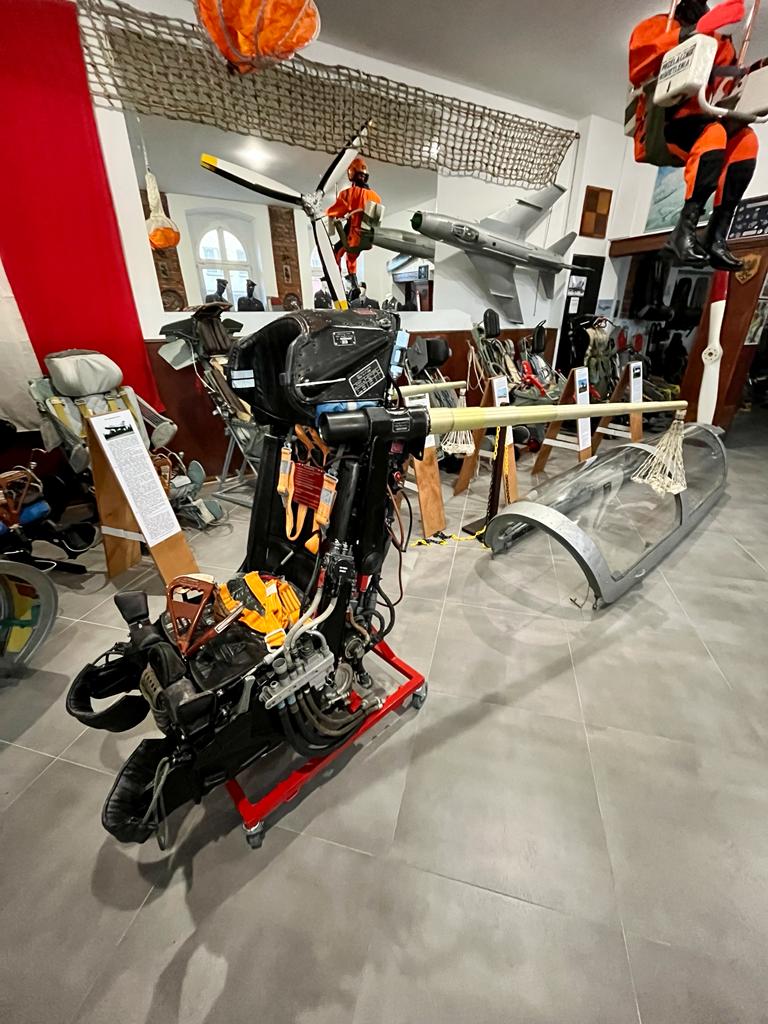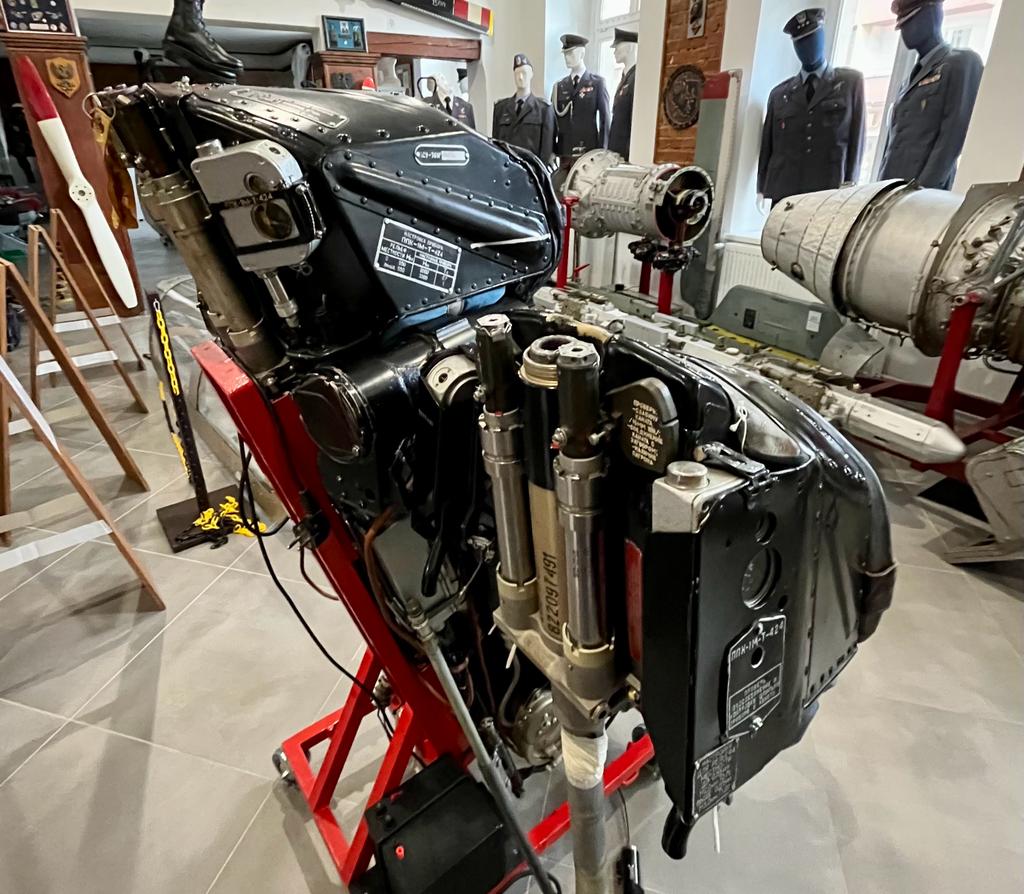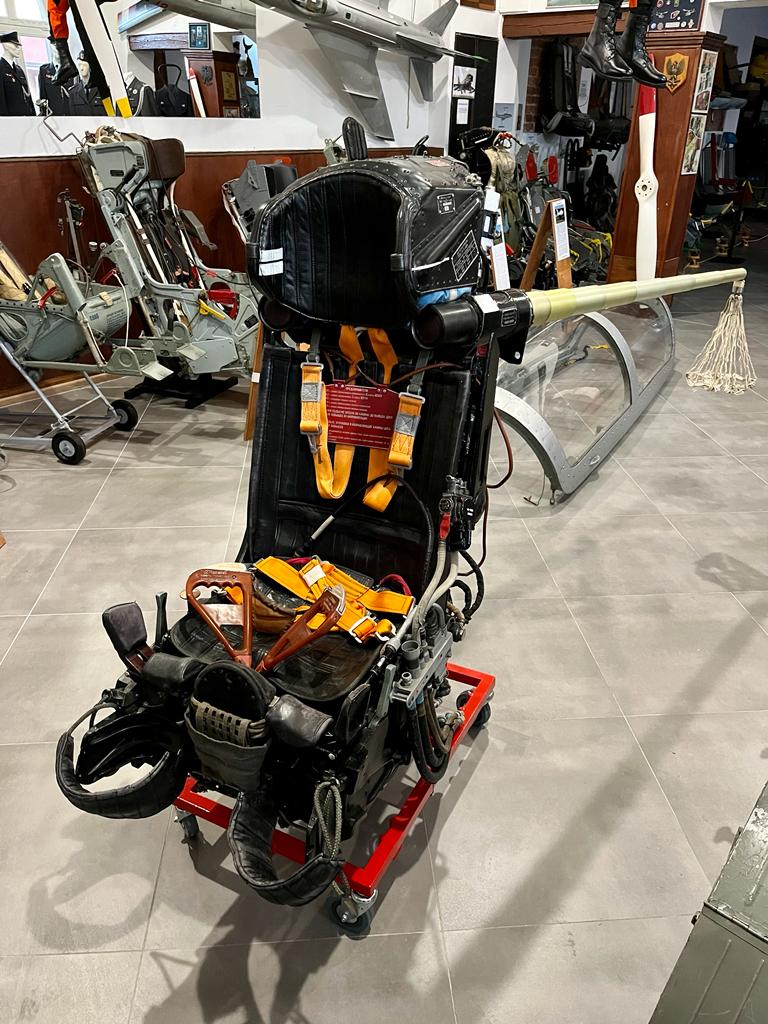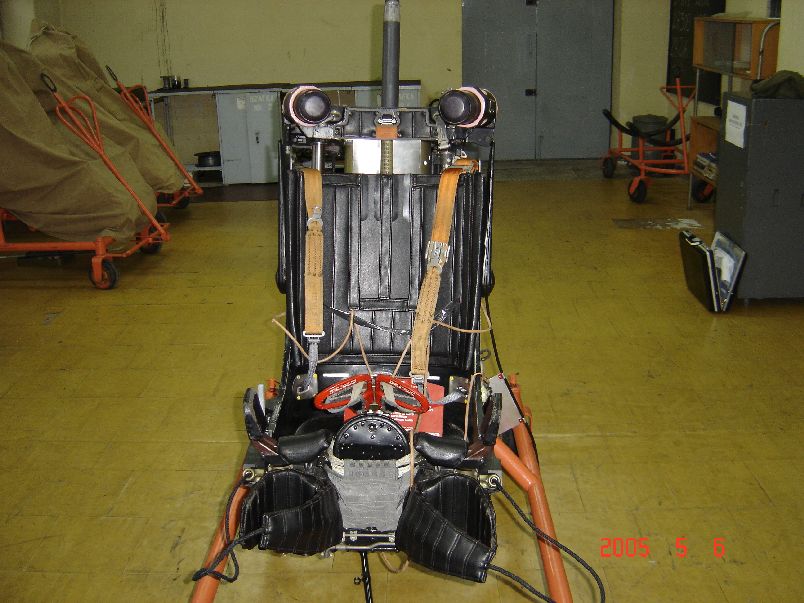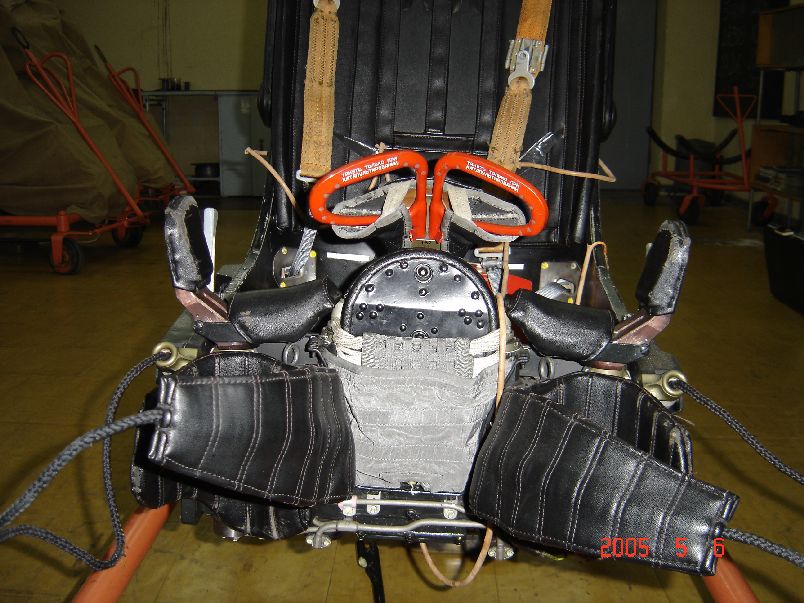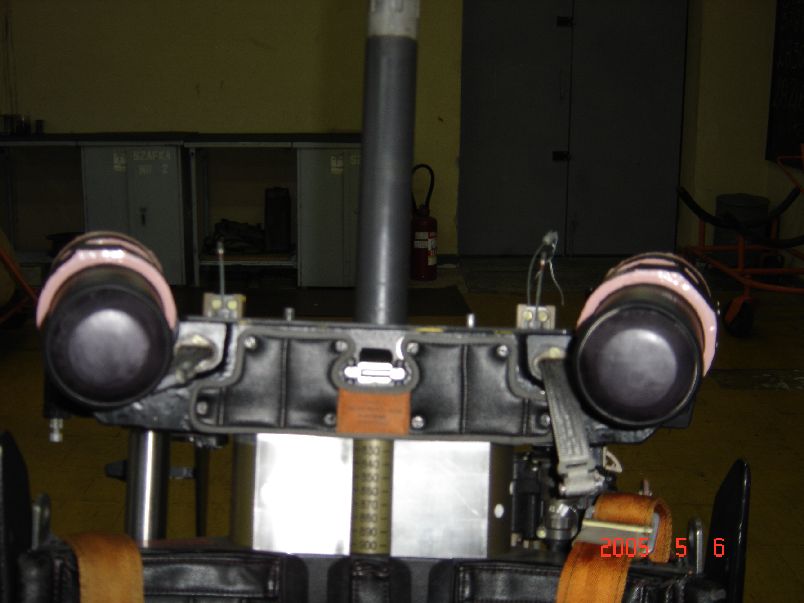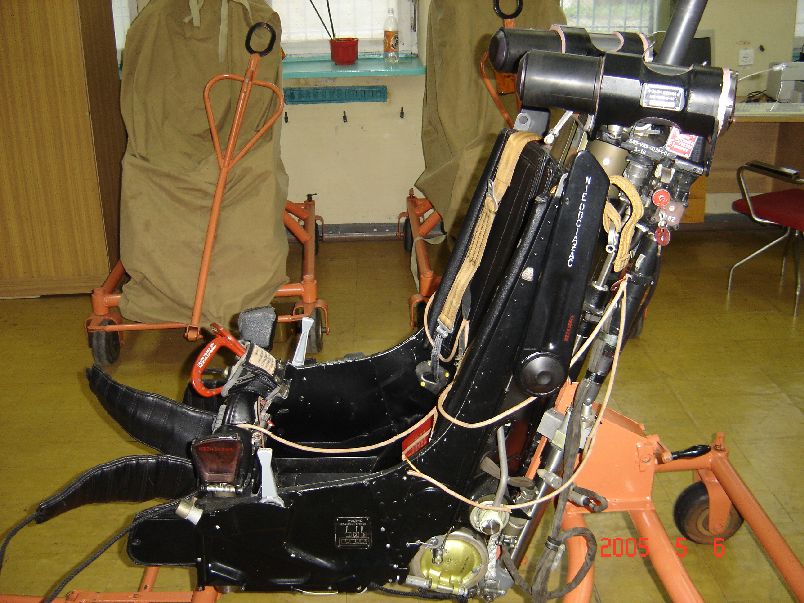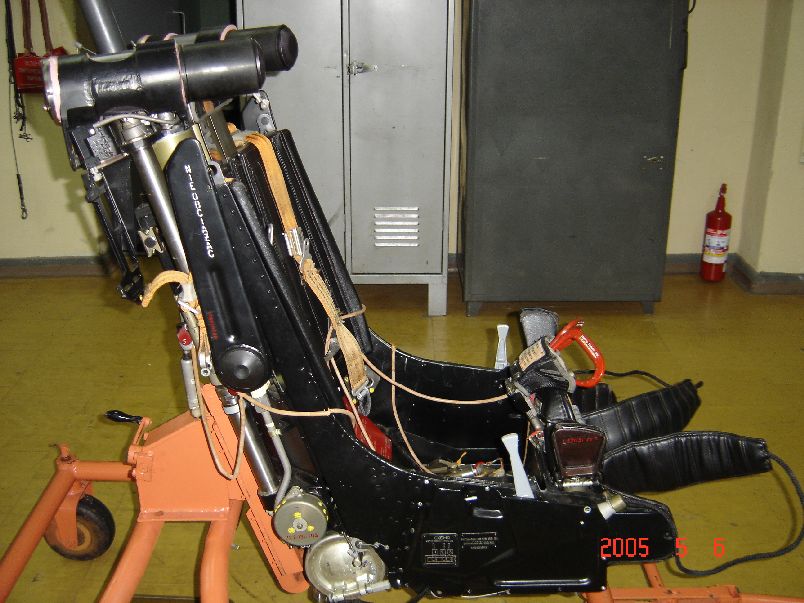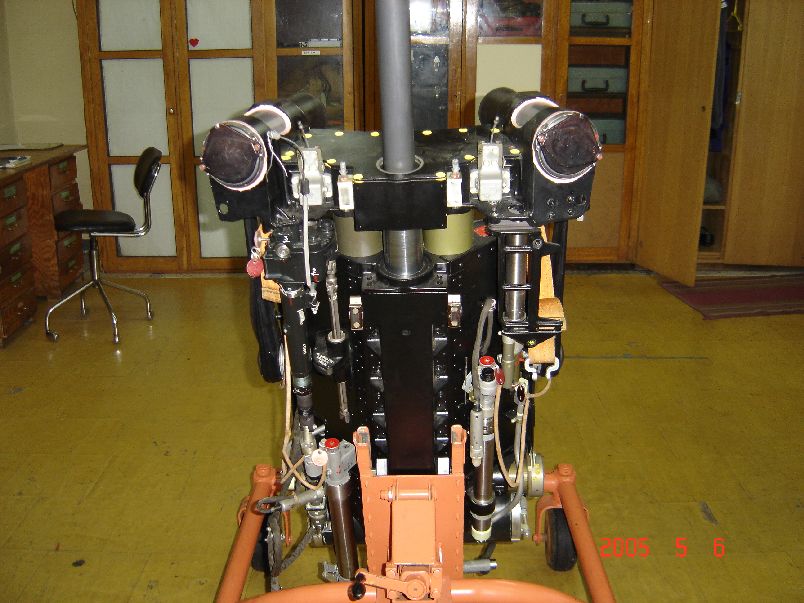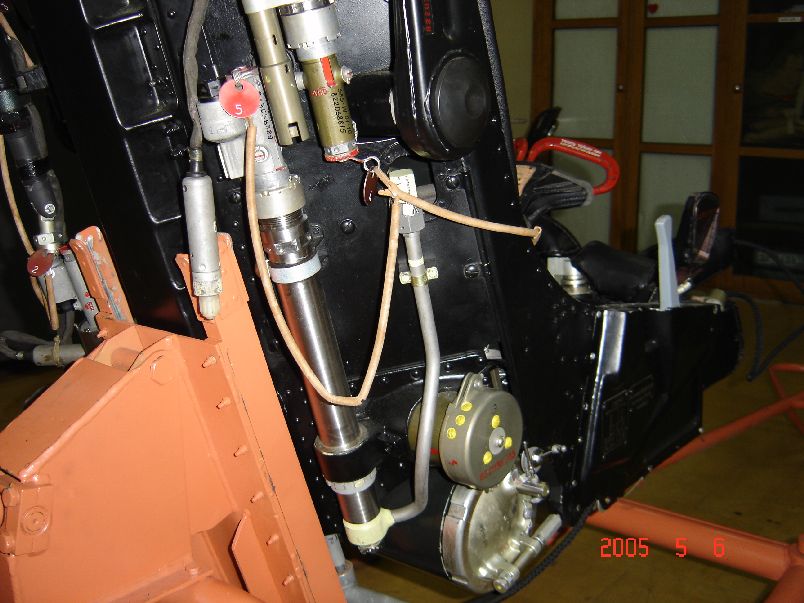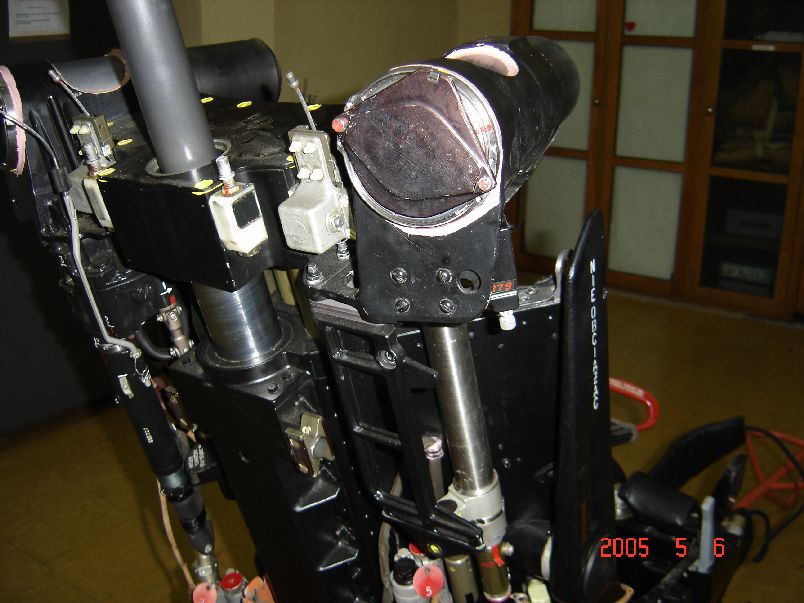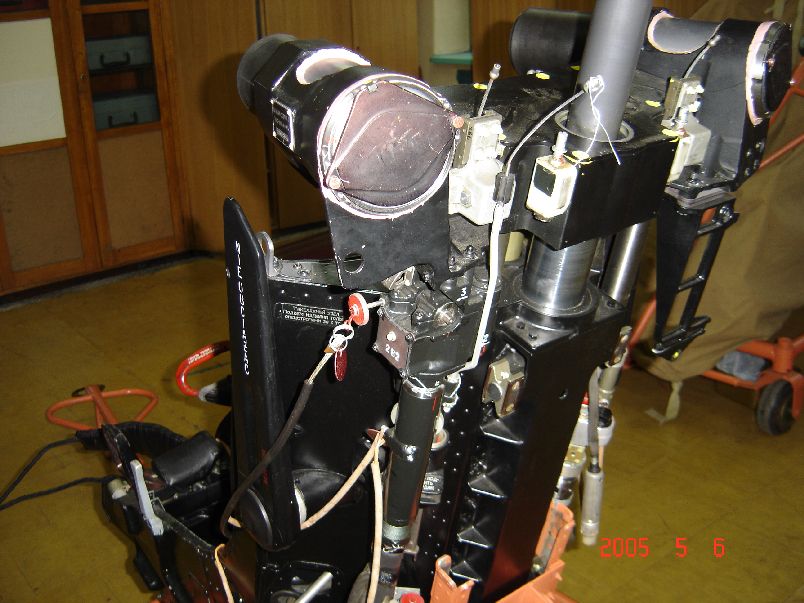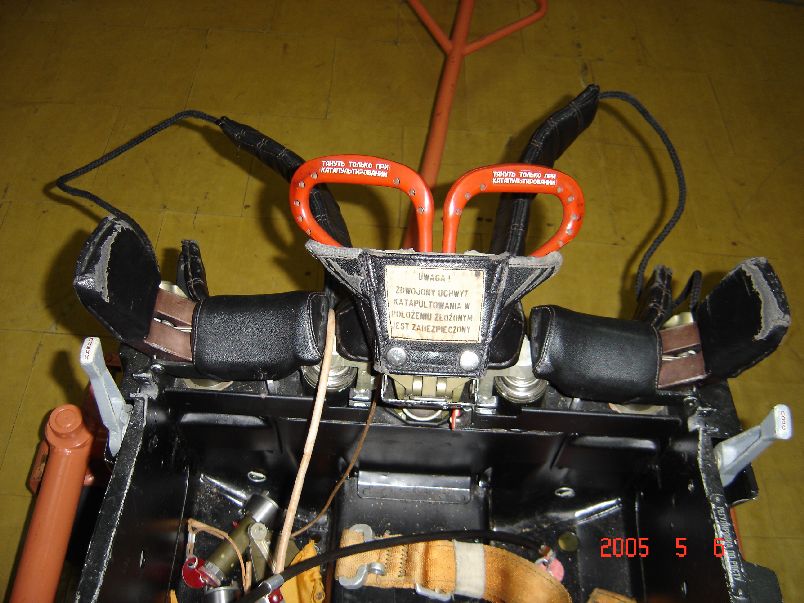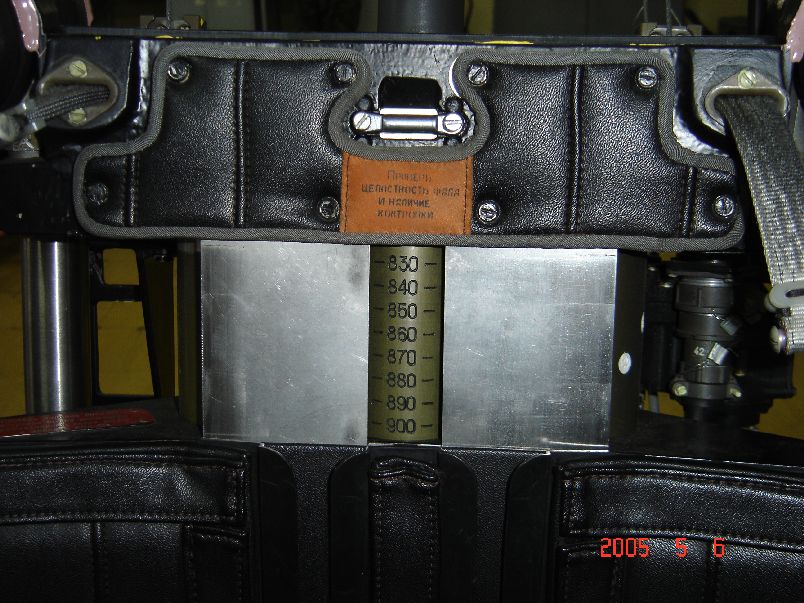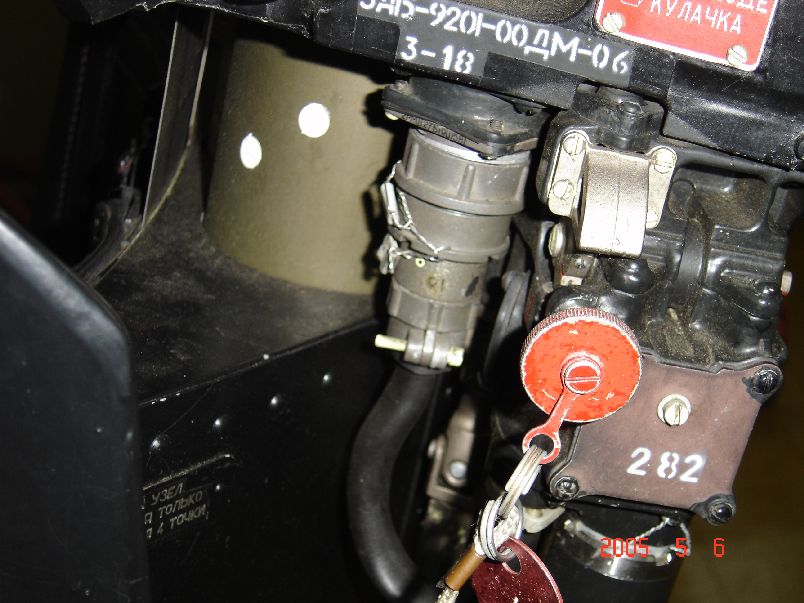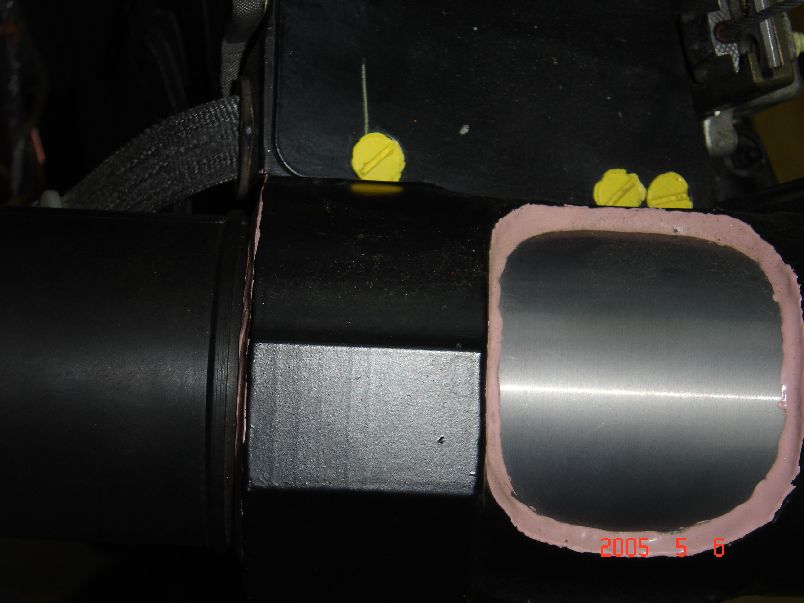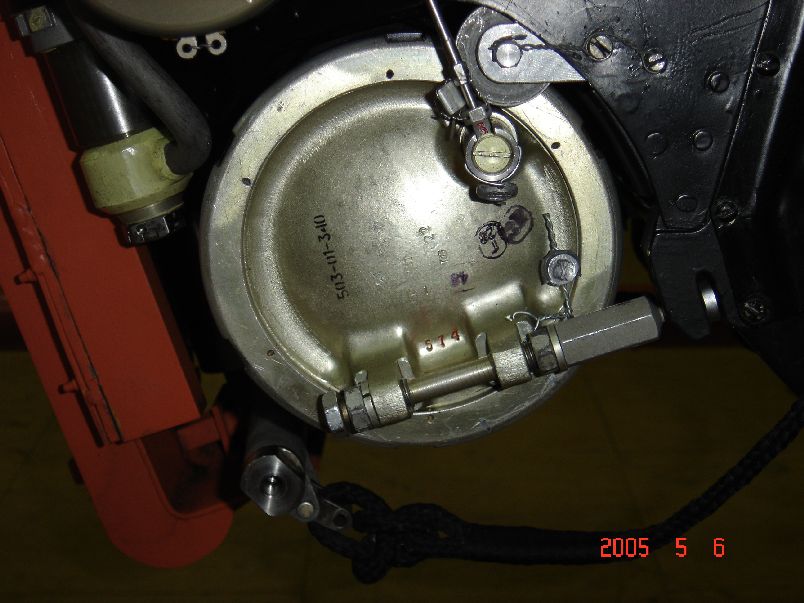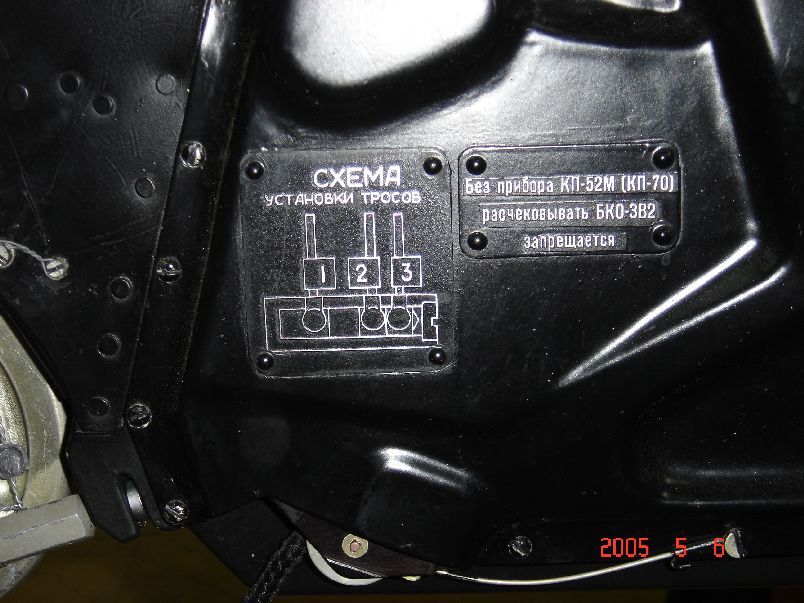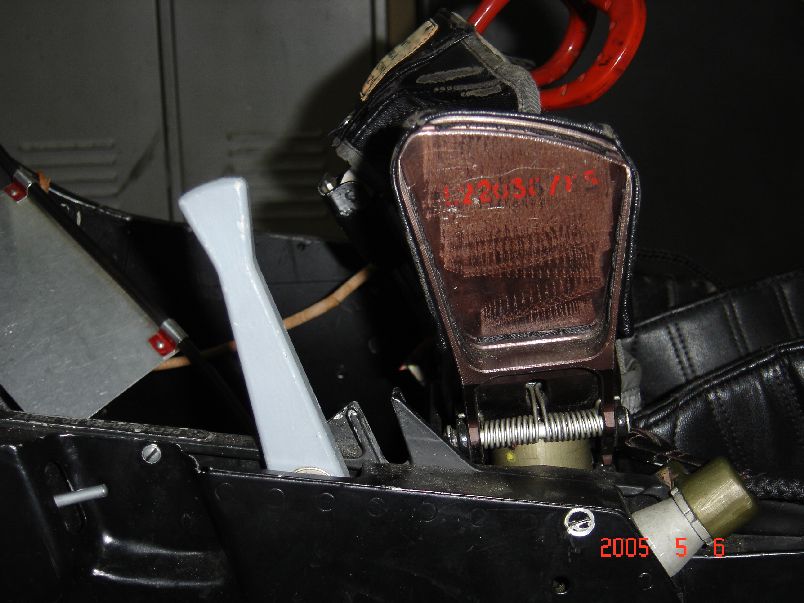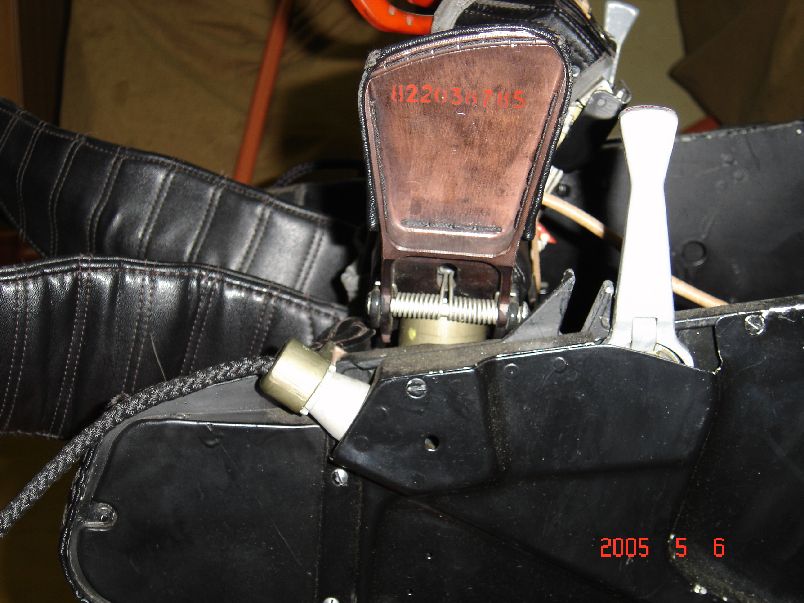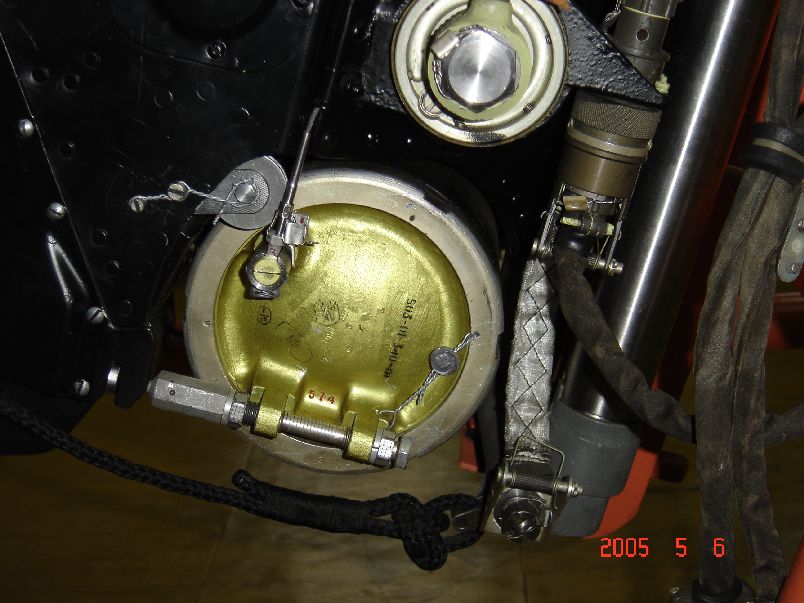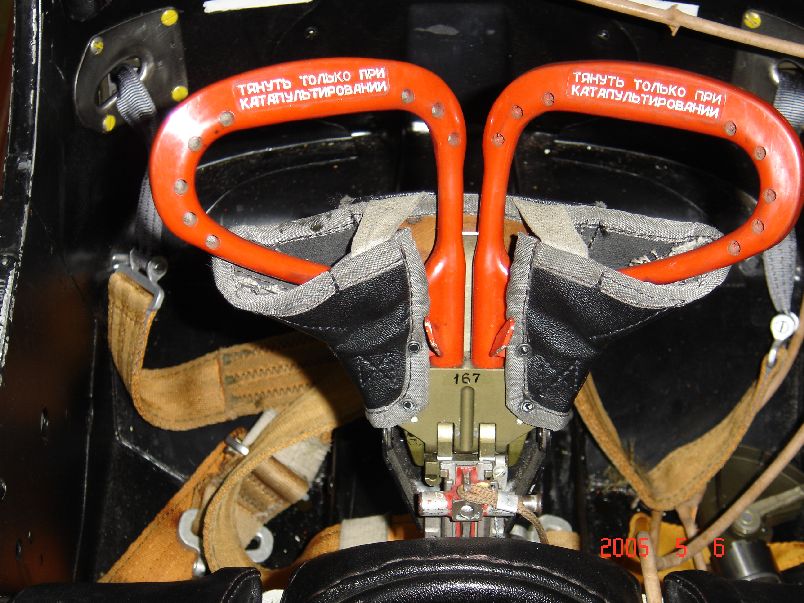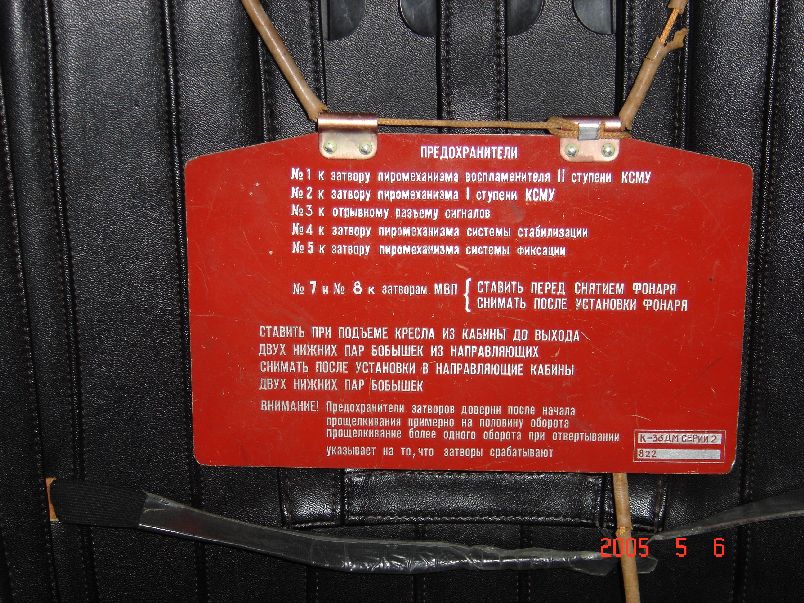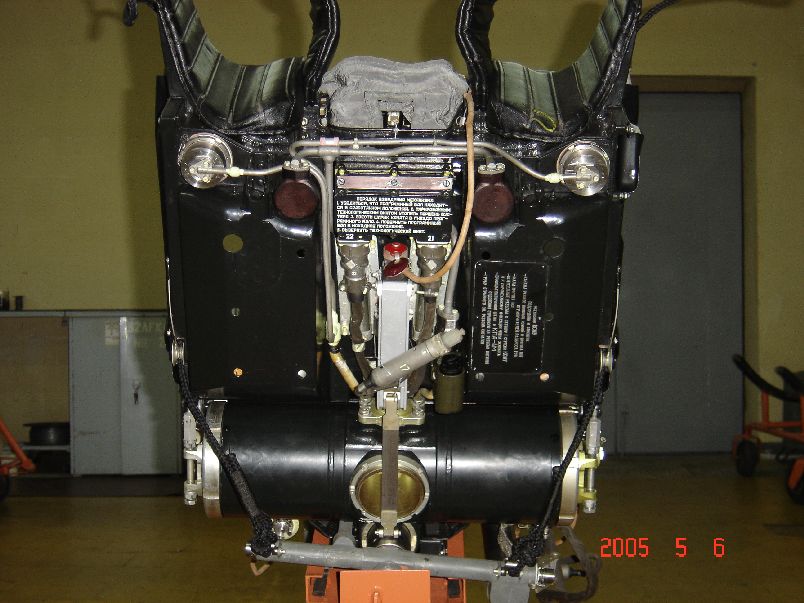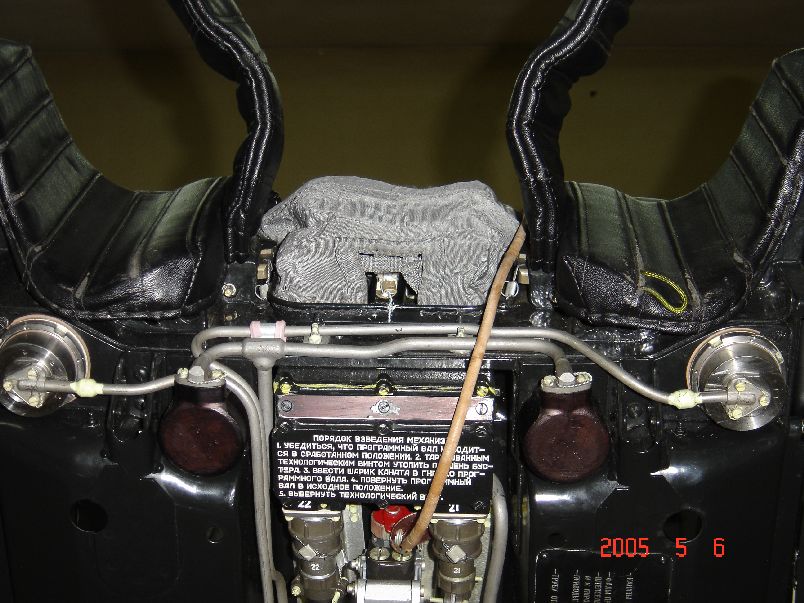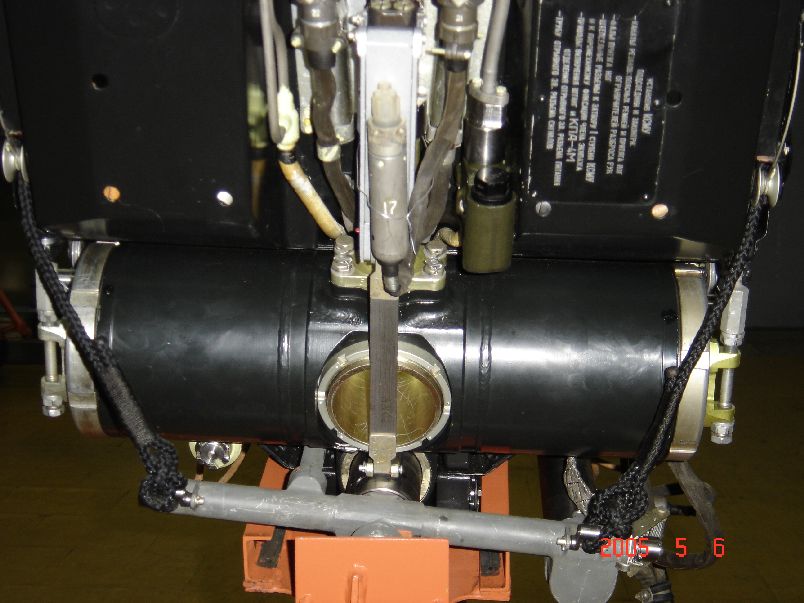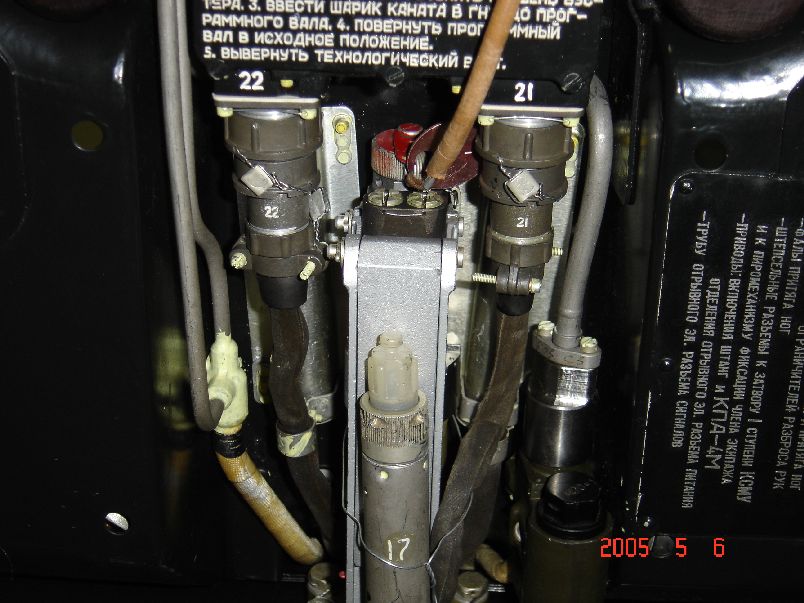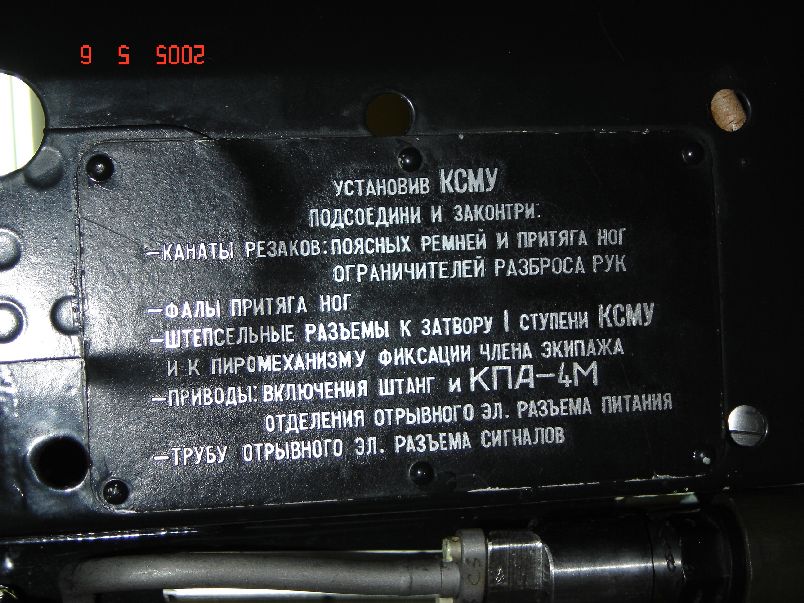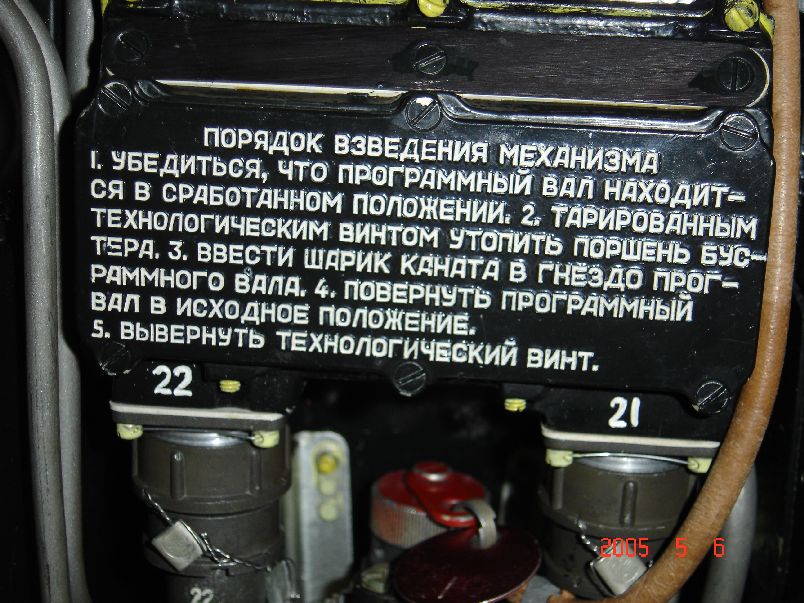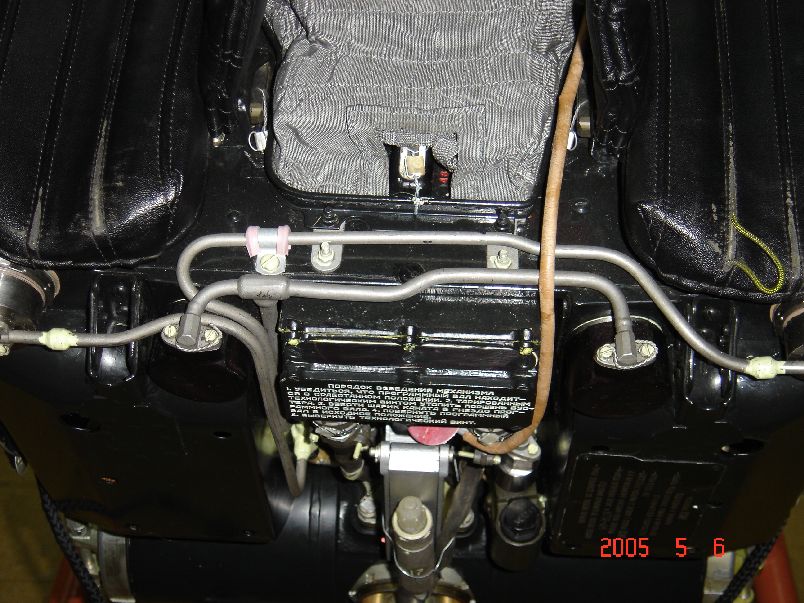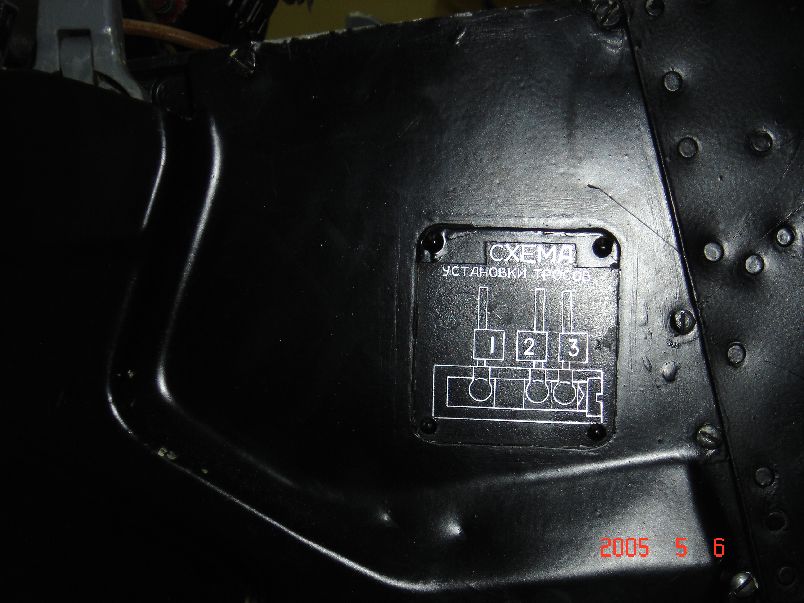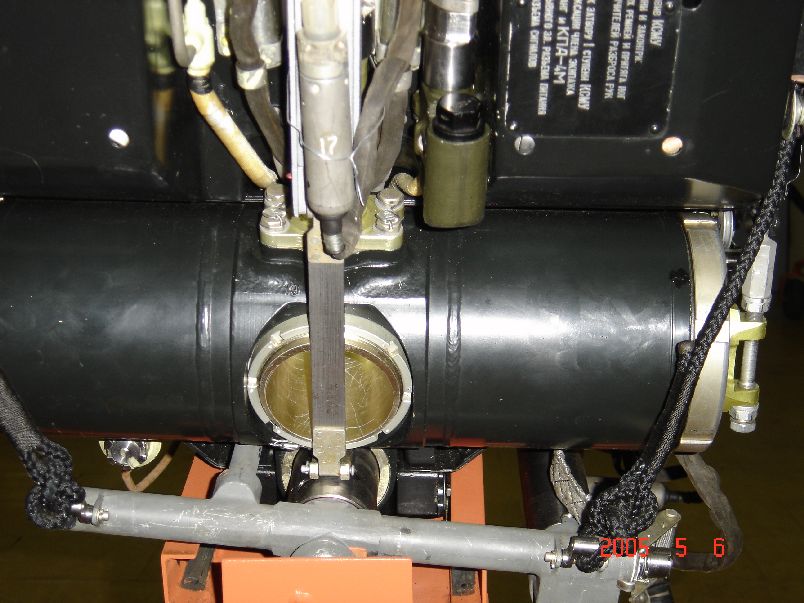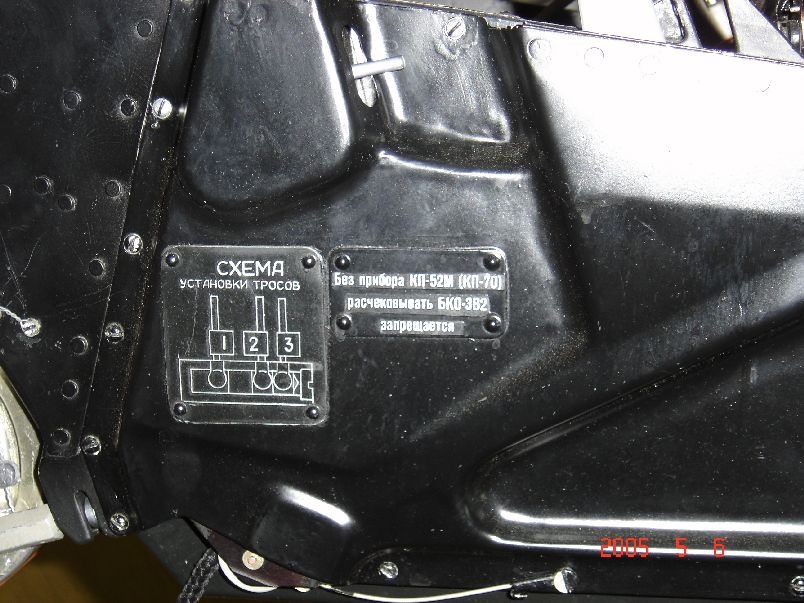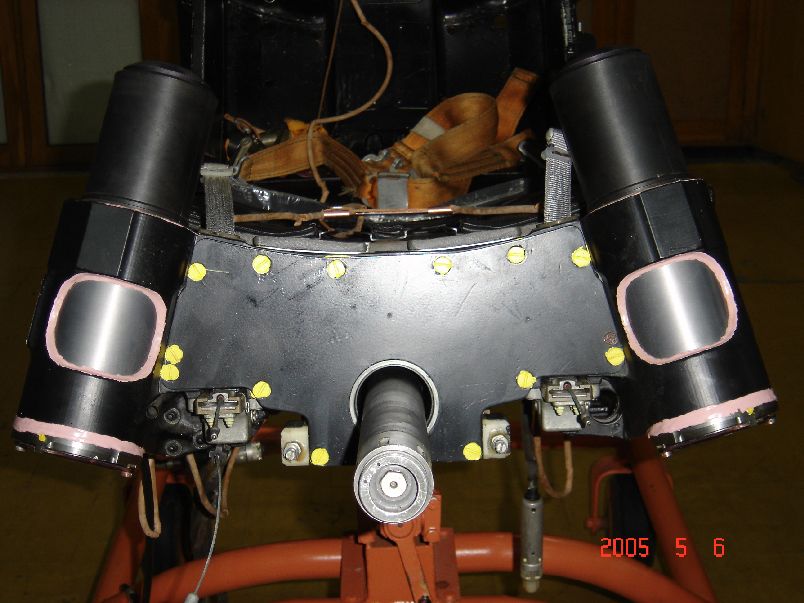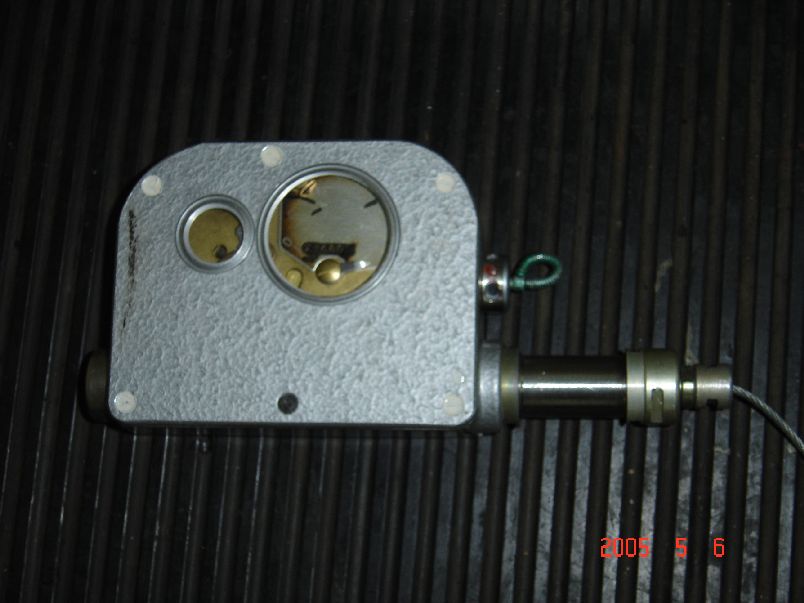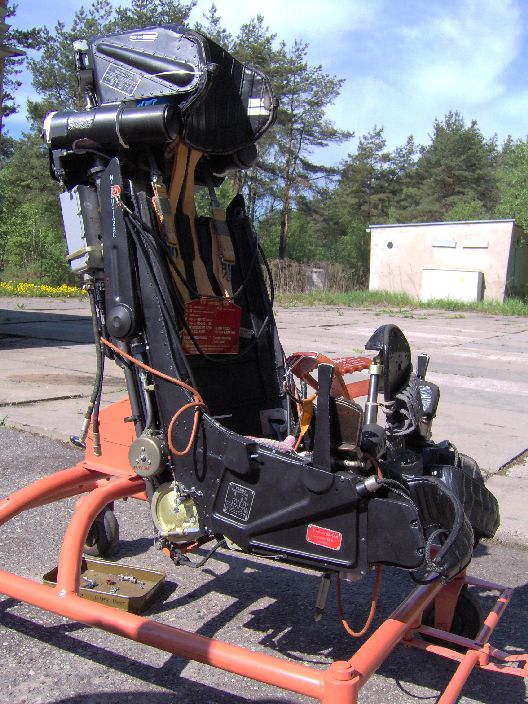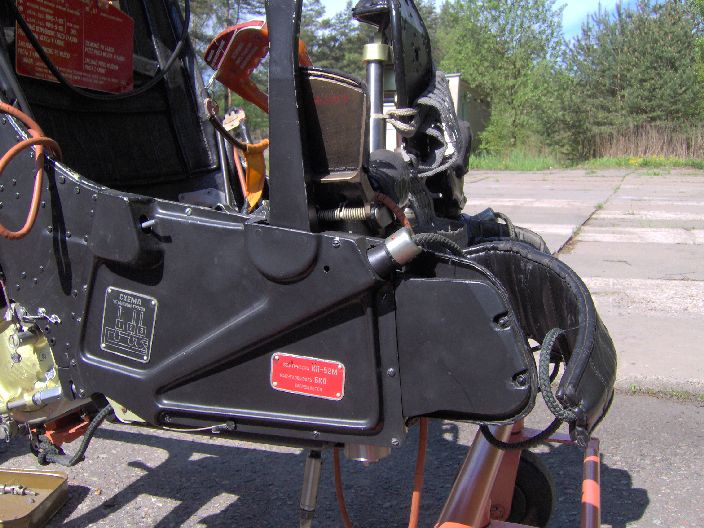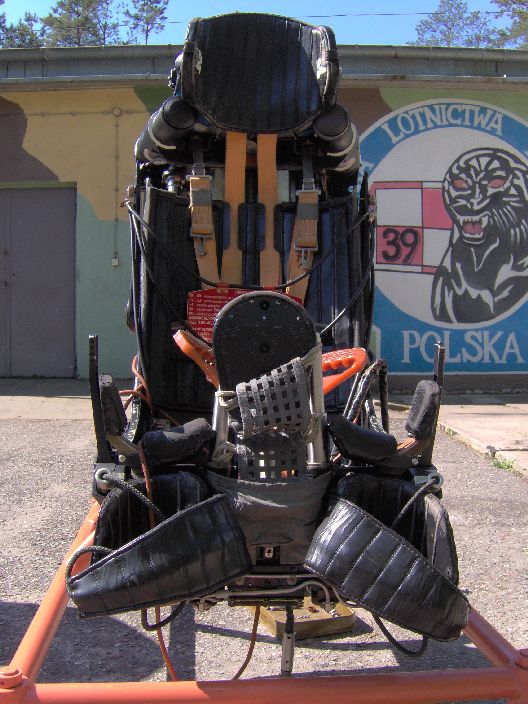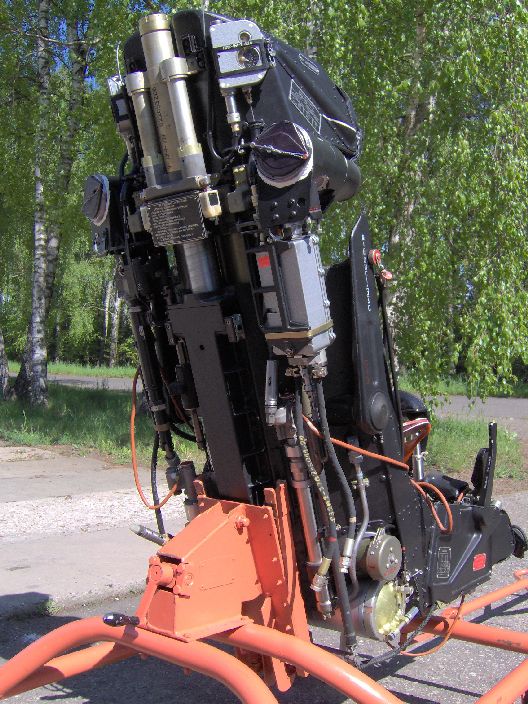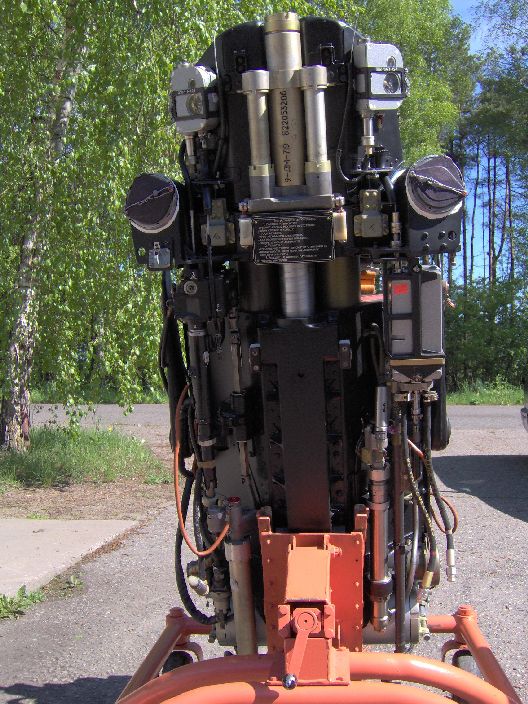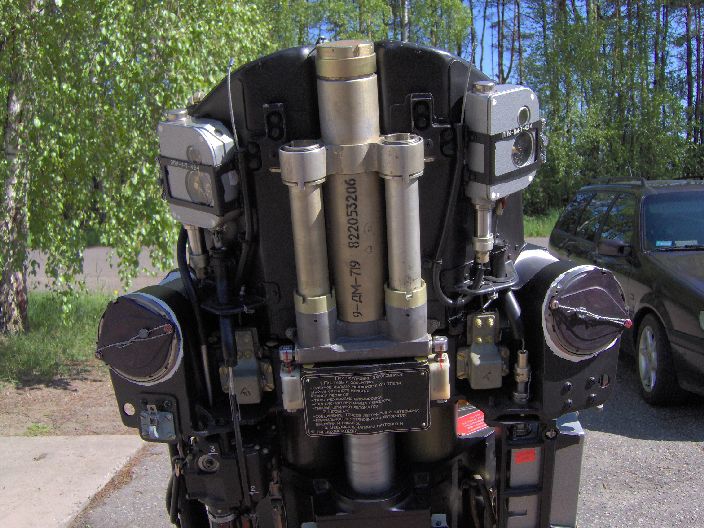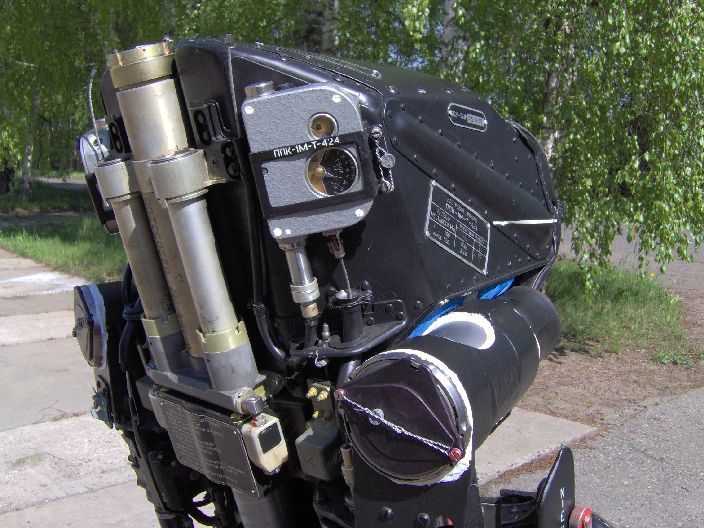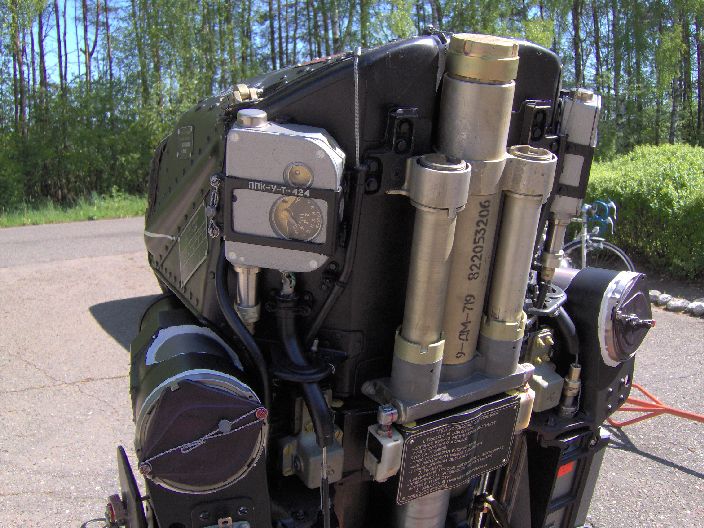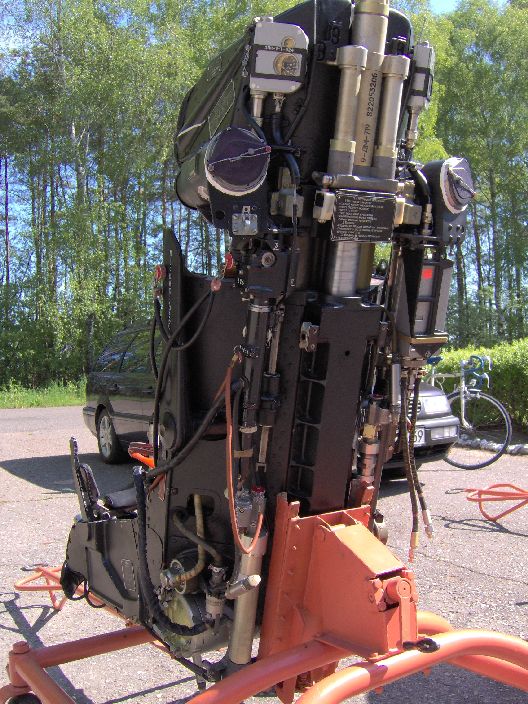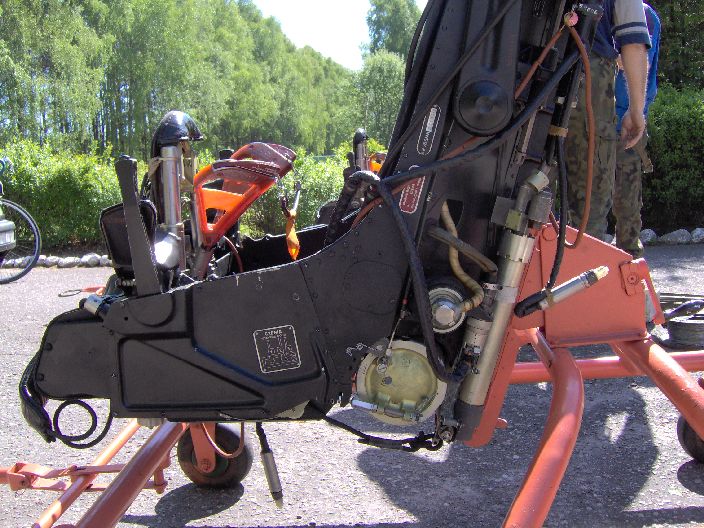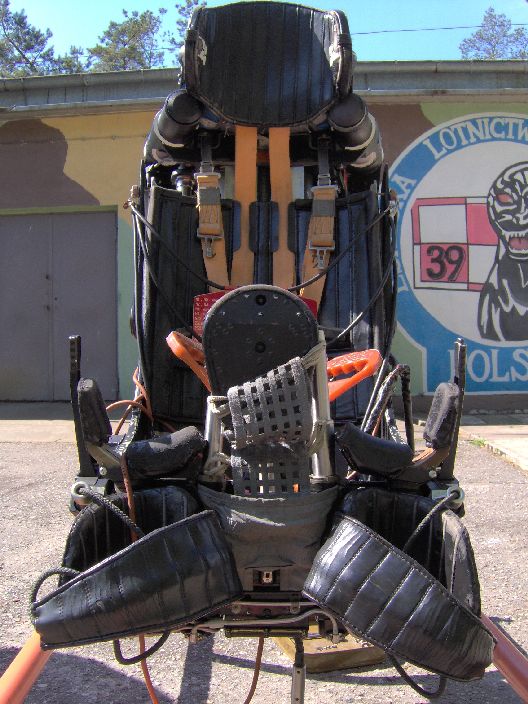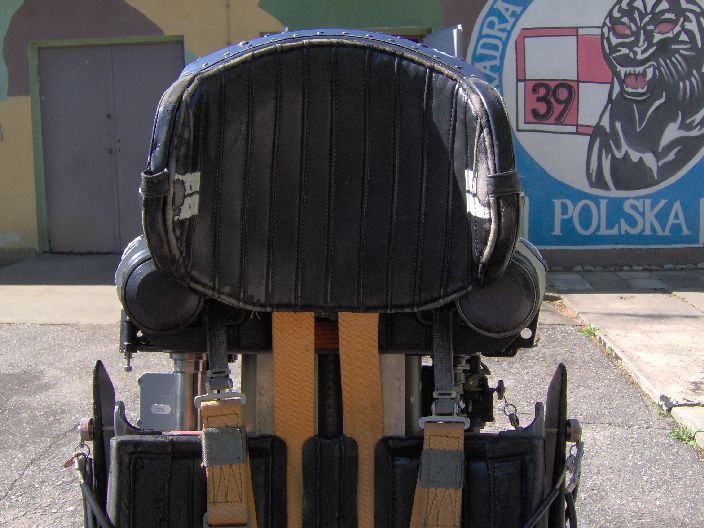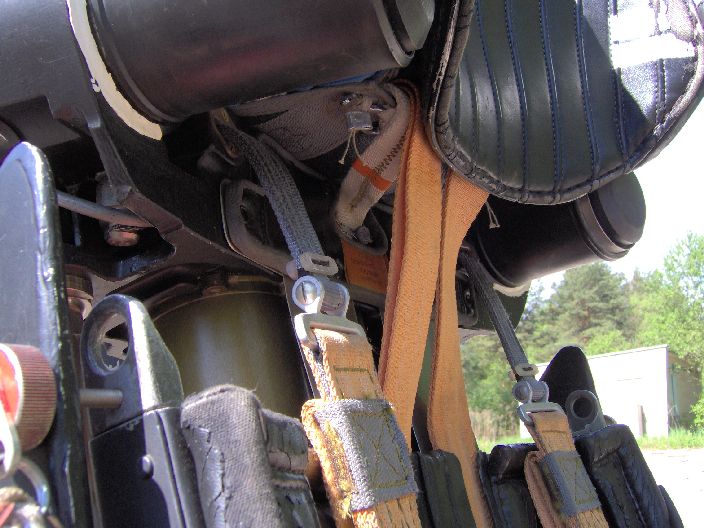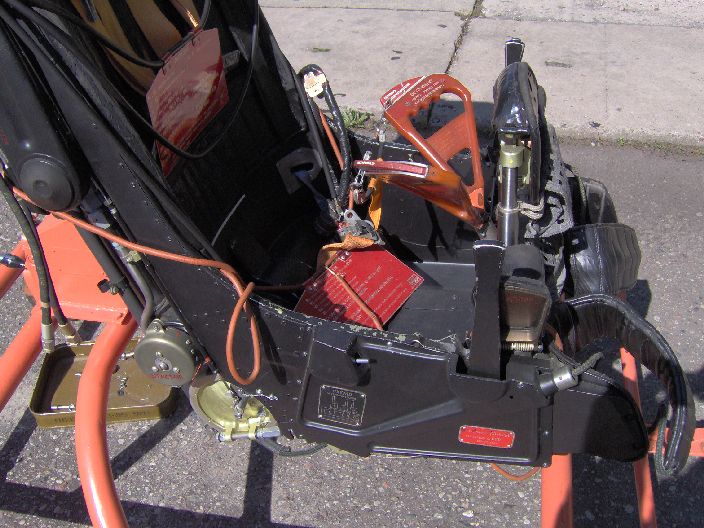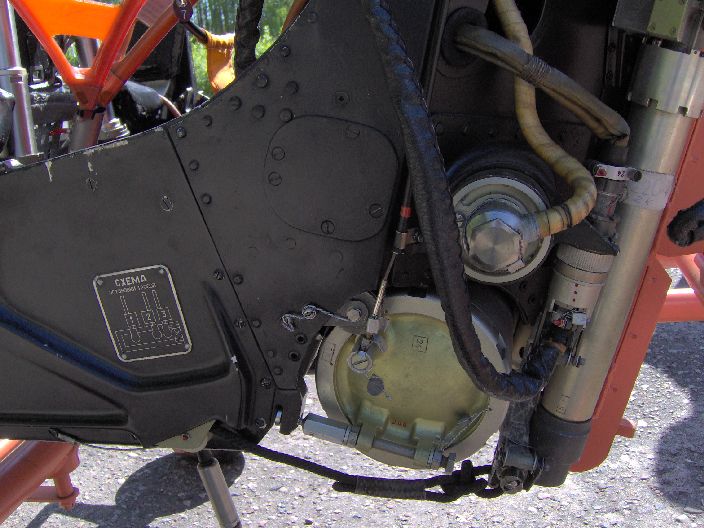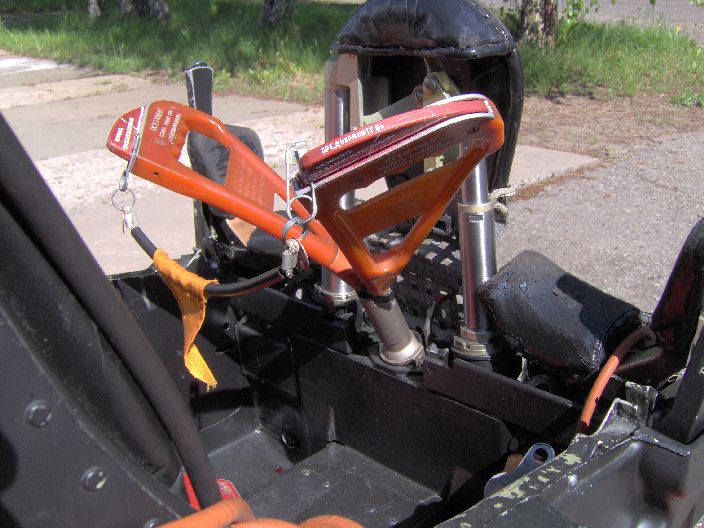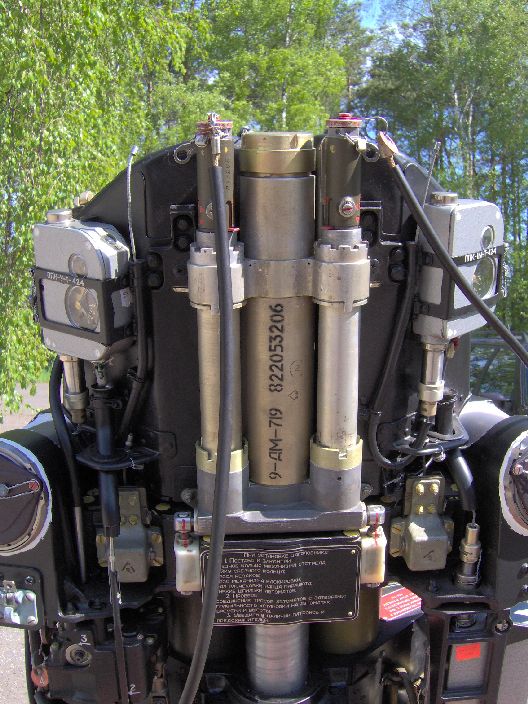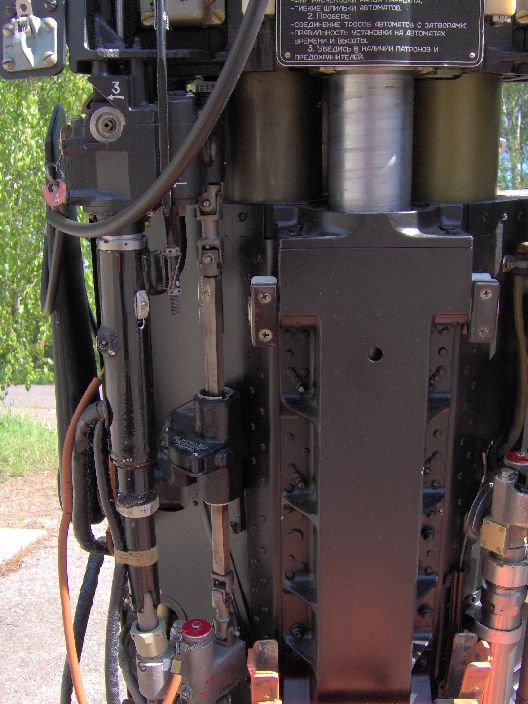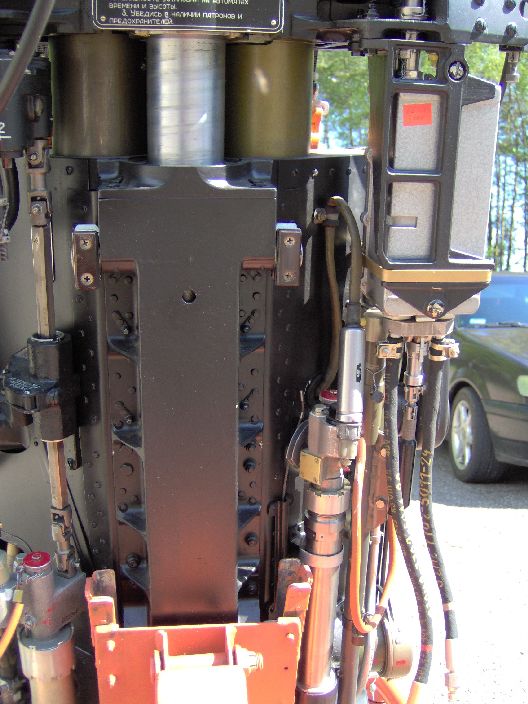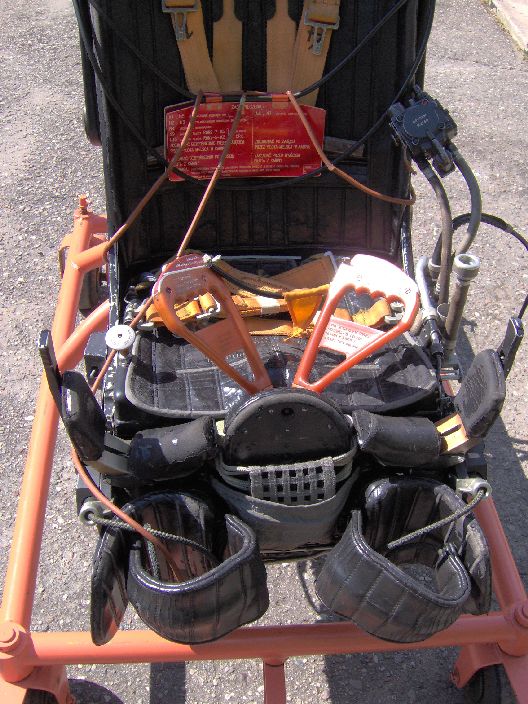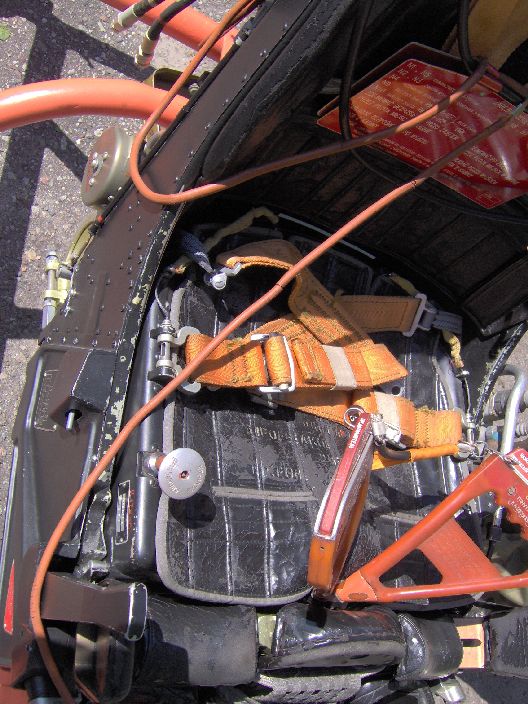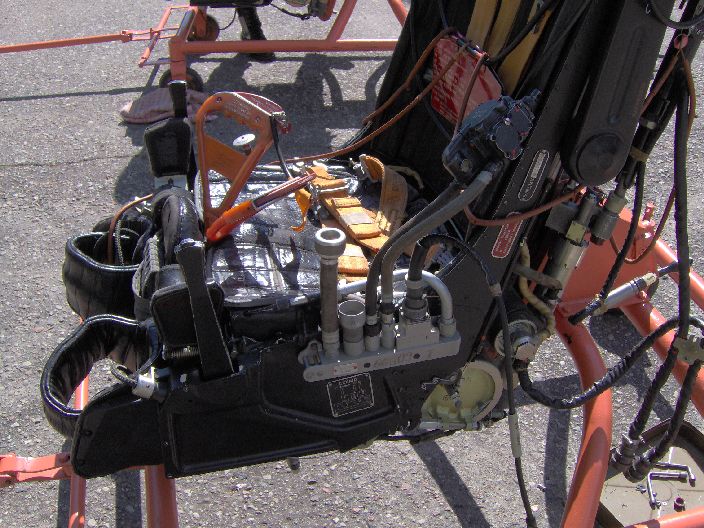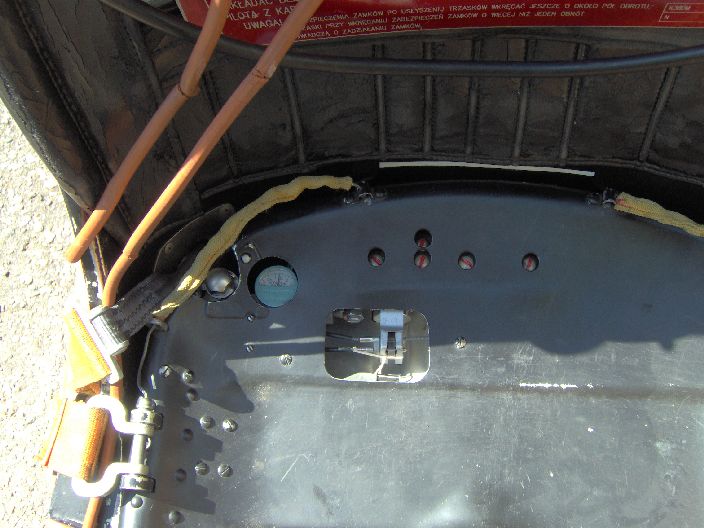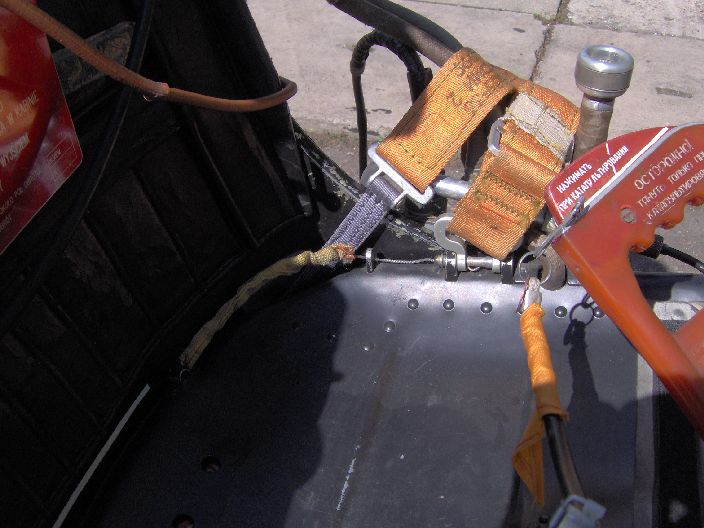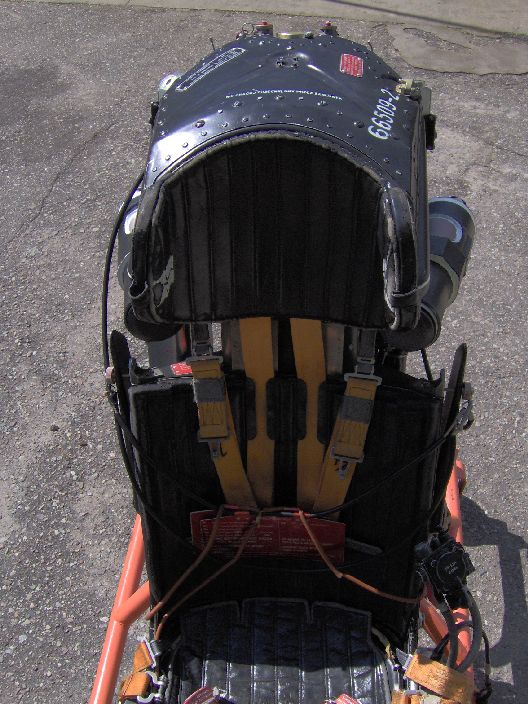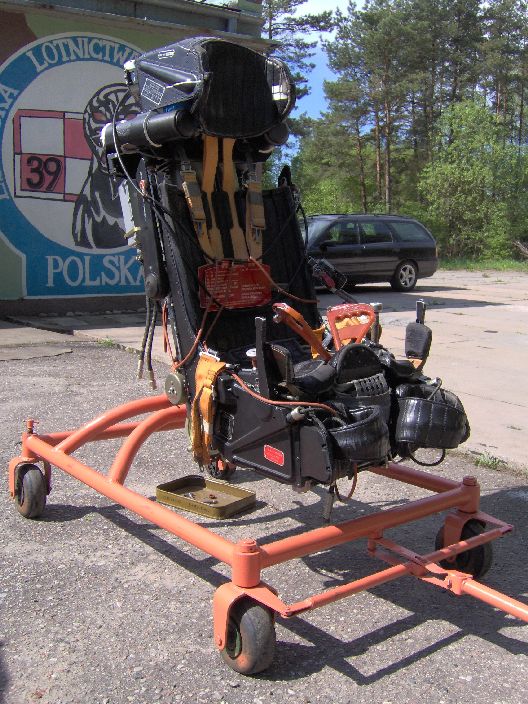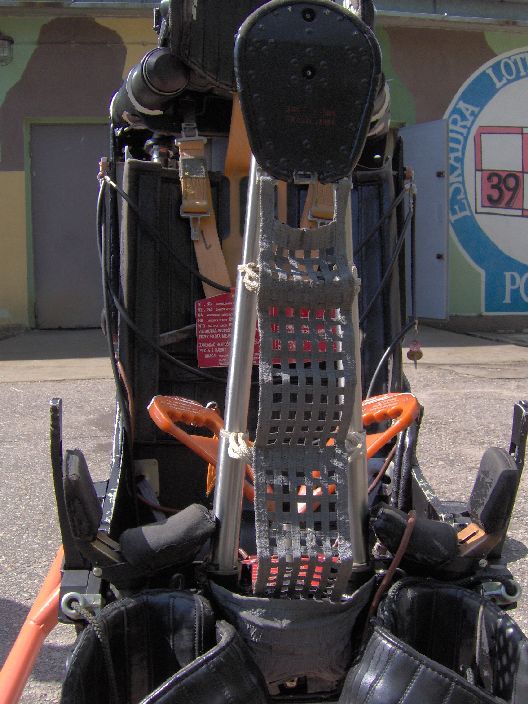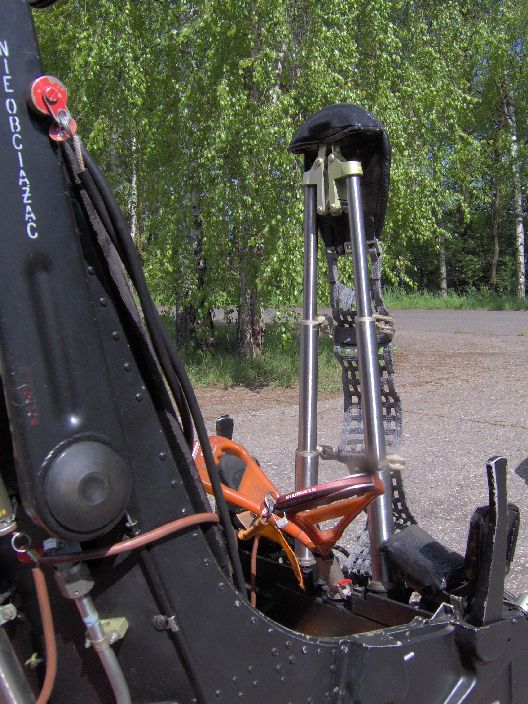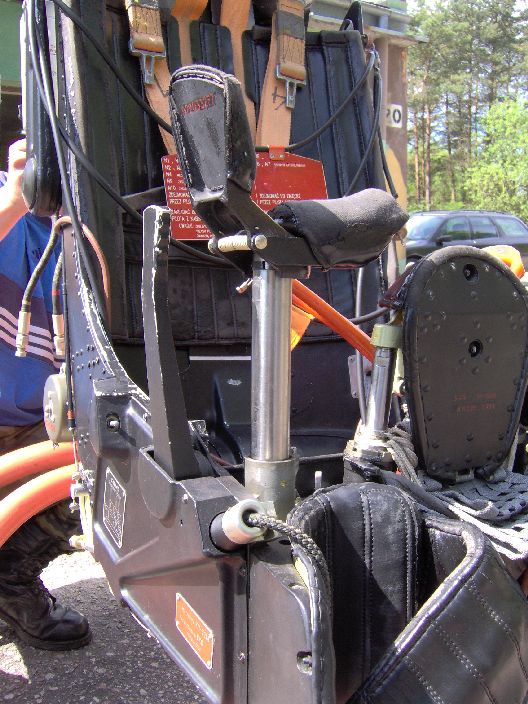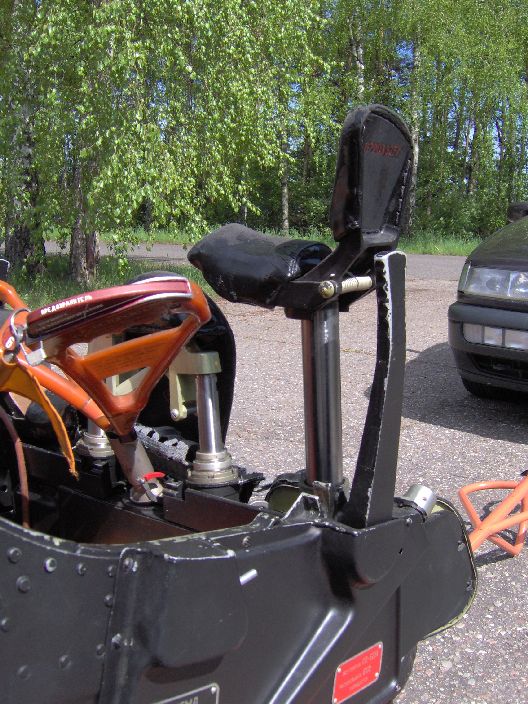
The K-36 is a unified zero-zero ejection seat, i.e. with minor changes it can be used in many aircraft types, and it rescues the crew across a wide range of speeds and altitudes, including during taxiing at speeds of no less than 70 km/h. It is considered one of the best seats in the world and comes in several variants: K-36D, K-36DM, K-36VM and K-36L. Although it was designed and tested in state trials for the zero-zero envelope, it has to its credit an unintended, successful ejection from a stationary aircraft. This happened in the early 1970s, while the Su-24 bomber was being introduced into service. After the engines were started, the navigator was suddenly ejected from the cockpit – the control stick on his side, shorter than the pilot’s, had caught the double ejection handle. Before the airman realised what had happened, he was already descending under his parachute. After this incident, the aircraft’s general designer P. Sukhoi presented the crew with engraved gold watches. The seat also “advertised itself” unintentionally at the Paris Air Show in 1989 and 1999, where it saved the pilots of a MiG-29 and a Su-30 in front of the spectators.
K-36D – the basic variant of the seat, intended for supersonic aircraft. It is fitted with a full set of devices ensuring safe abandonment of the aircraft even at Mach 3. Used mainly in the MiG-31 and its versions.
K-36VM – used in the Yak-41 and Yak-38. It has an automatic ejection system which issues the command to abandon the aircraft when the aircraft reaches limit values of roll and pitch angles, and also at limit values of angular velocity around the centre of mass. This makes it possible to save the pilot in a rapidly developing situation that leaves a human no time to analyse it and make a decision. The seat carries a survival kit in the sea configuration. All ejections from the Yak-38 (there have been more than 30) ended successfully.
K-36L – (L stands for lyogkoye – light) differs from the basic K-36D mainly in the absence of arm restraints, the airblast shield and the leg retraction system. It is used in subsonic jet aircraft such as the Su-25/39, M-17/55, Yak-130, MiG-AT and others. When ejecting with the K-36L, the pilot must pull his arms in to his body and place his legs in the correct position himself.
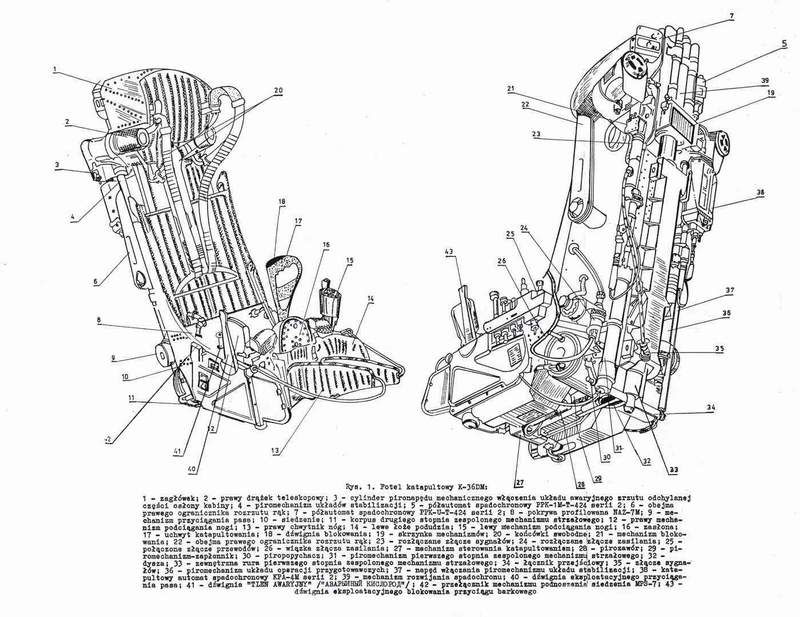
K-36DM – a modified version of the K-36D seat for supersonic aircraft. It is used in all modern Russian-built military aircraft (MiG-29, Su-27, Su-24, Tu-160, Su-17M3/M4/UM3, S-37, 1.42 and others). In aircraft with multi-person crews, the seat systems ensure a strictly defined ejection sequence. The K-36DM comes in two variants: the series I seat (which requires the pilot to put on the IPS-72 harness before entering the cockpit) and the series II seat with an integrated harness.
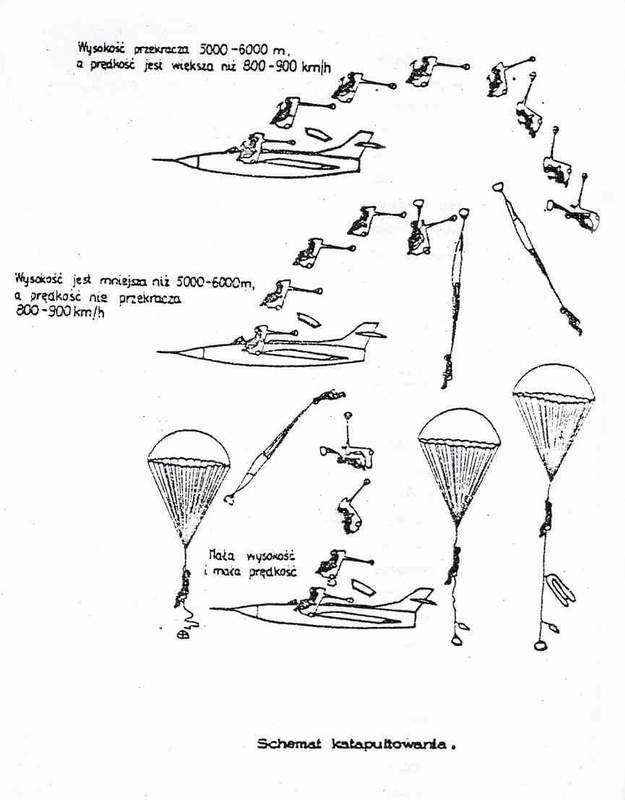
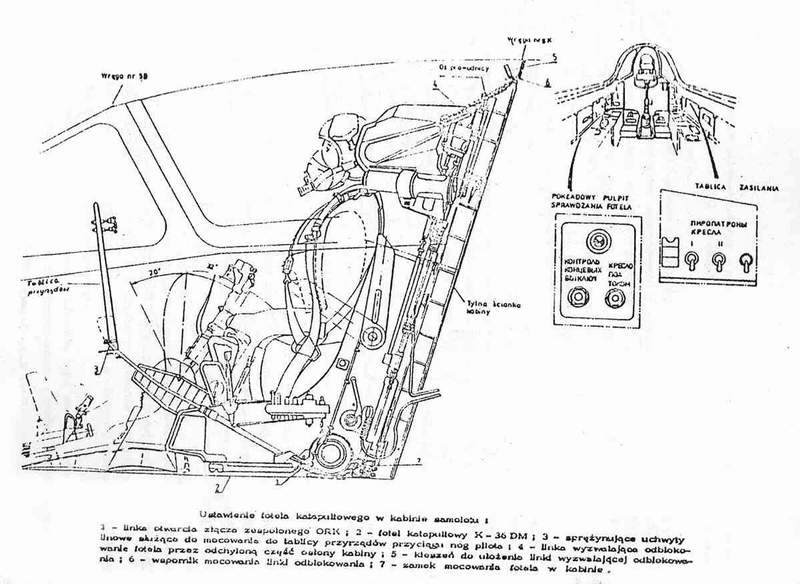
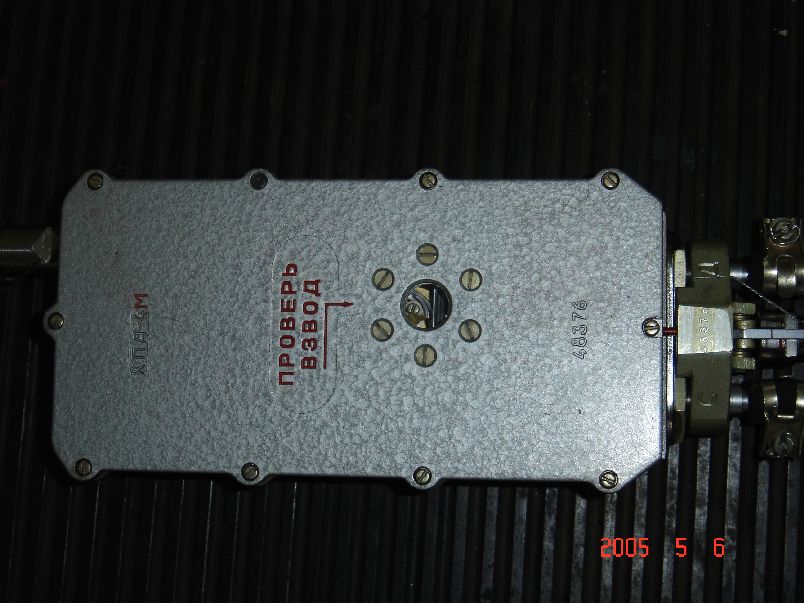
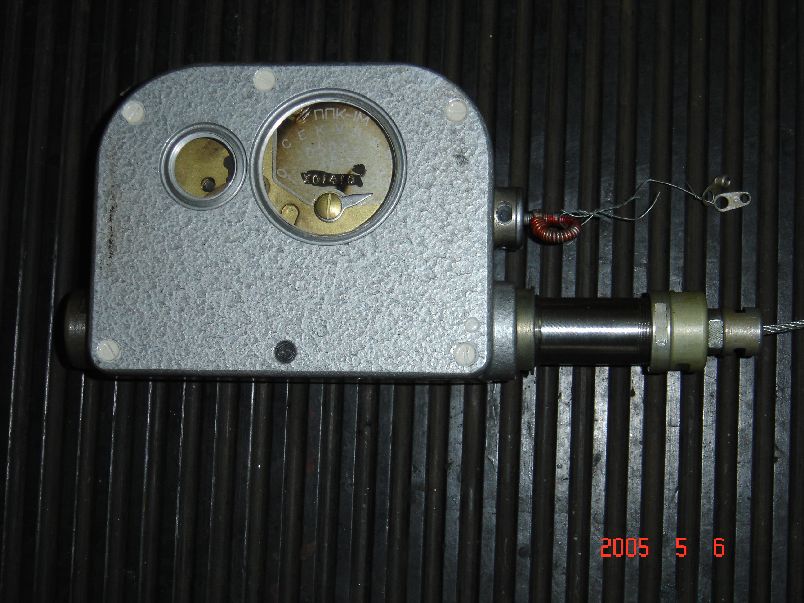
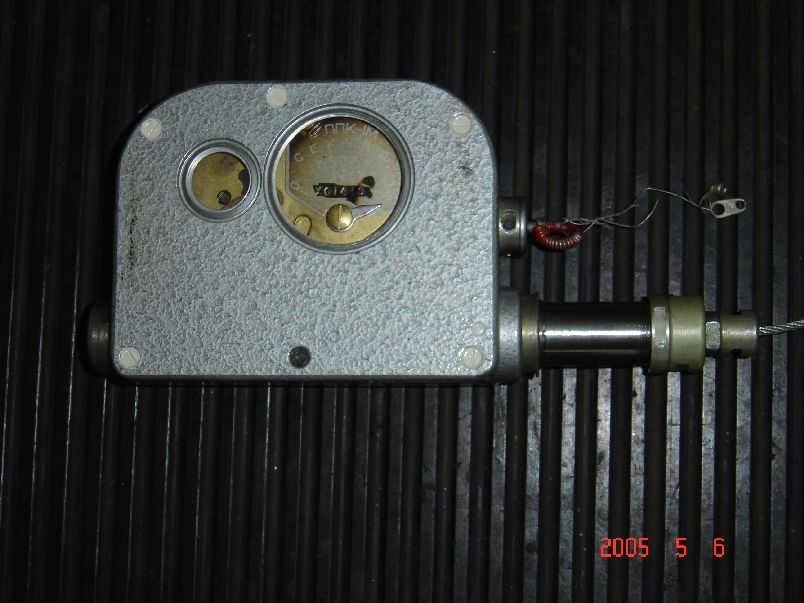
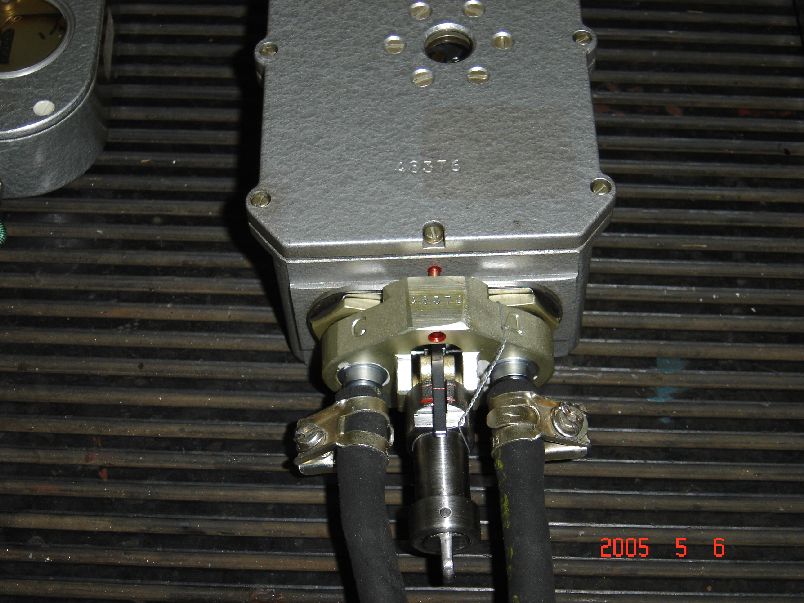
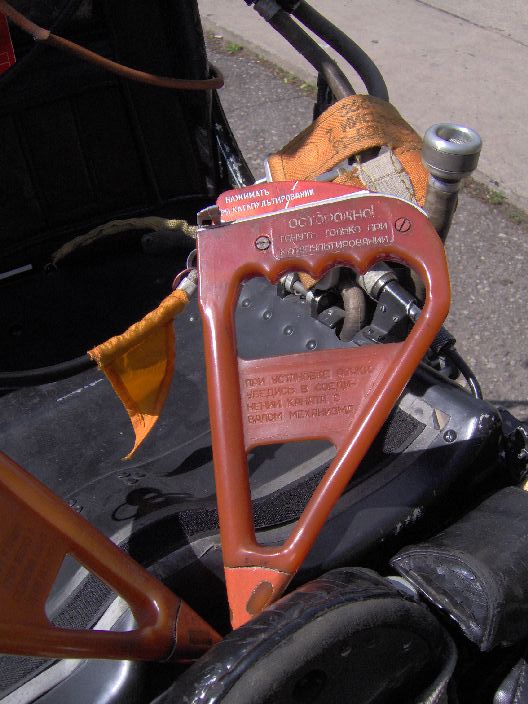
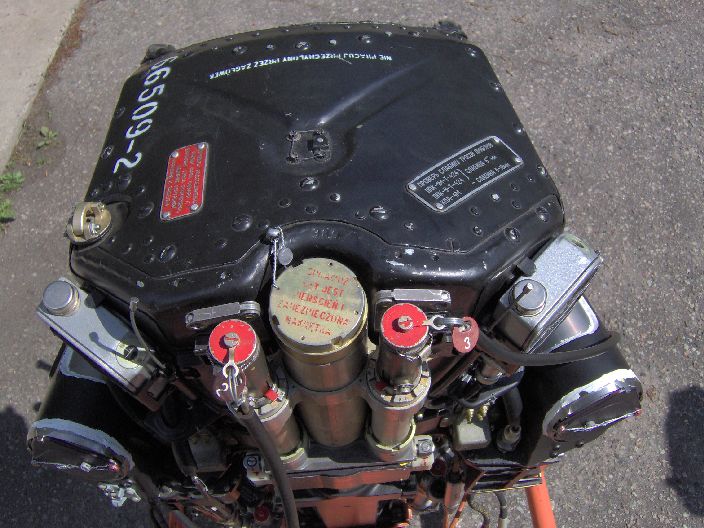
Ejection with the K-36 seat takes place after the pilot unlocks and pulls the double ejection handle. Once this is done, all the seat systems and the emergency canopy jettison system come into action automatically in a set sequence, ending the ejection with the opening of the parachute and the separation of the pilot from the seat. The two-stage KSMU-36M combined ejection unit throws the seat clear of the aircraft’s fin at high speed, ensures that the parachute canopy fills at low altitude, and opens the parachute and separates the pilot from the seat. The combined unit consists of a twin-cylinder ejection gun (1st stage), a solid-fuel rocket motor (2nd stage) and a parachute opening mechanism. The 1st stage works for 0.2 s and gives the seat an initial speed of less than 134.6 m/s. Then the rocket motor ignites and works for 0.2 s, producing a thrust of 3300 kN. The parachute opening mechanism fires off the headrest together with the parachute. The signal to fire off the headrest comes from the PPK-1M-T424 (PPK-U-T424) parachute semi-automatic device. The aircraft’s speed at the moment of ejection is taken into account by the KPA-4M parachute automatic device. A safe landing or splashdown is ensured by the PSU-36 rescue equipment. The NAZ-7M survival kit, which separates from the seat together with the pilot, keeps the pilot in good condition until the rescue team arrives and transmits information by radio about the place of ejection and landing.
The seat has an MPS-7 electric actuator for smooth adjustment of its position according to the pilot’s height, and a system for tightening the lap and shoulder straps. The correct position of the pilot relative to the gunsight head is checked using sighting lines painted on the inner and outer sides of the seat headrest.
The D, DM and VM versions have a shield protecting the pilot’s head from the airblast, a leg retraction system and an arm restraint system, all operated pyrotechnically. The shield extends automatically during ejection at speeds above 800-900 km/h.
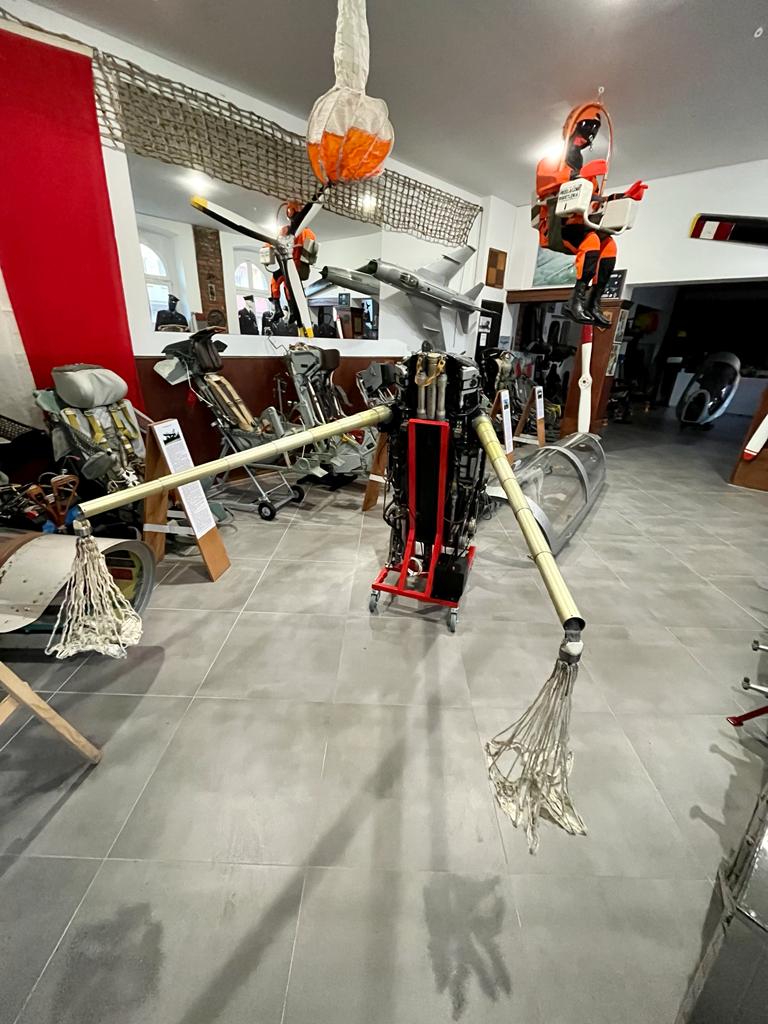
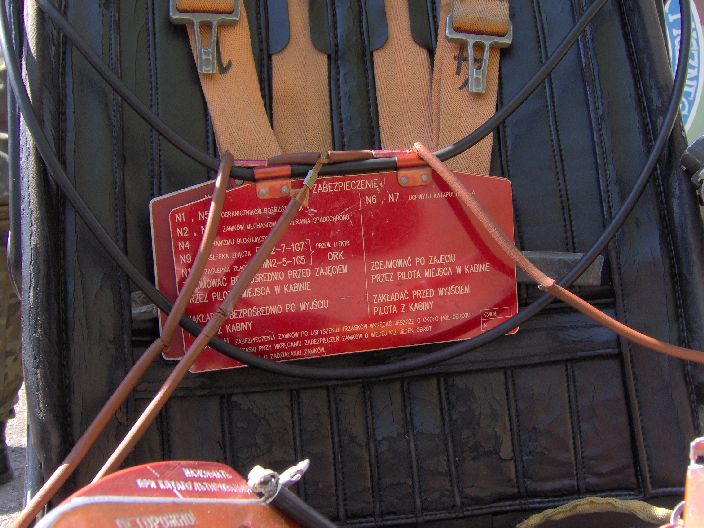
Stable flight of the seat after leaving the cockpit is ensured by two telescopic booms that extend at 30-40 m/s. Each carries a small stabilising parachute with an area of 0.06 m² at its end. In total, the K-36D/DM seat contains 13 pyrotechnic charges of various types. To prevent accidental operation of the seat mechanisms while the aircraft is parked and during maintenance, the seat has operational (7) and installation (5) safety pins, connected by a cable with red information tags.
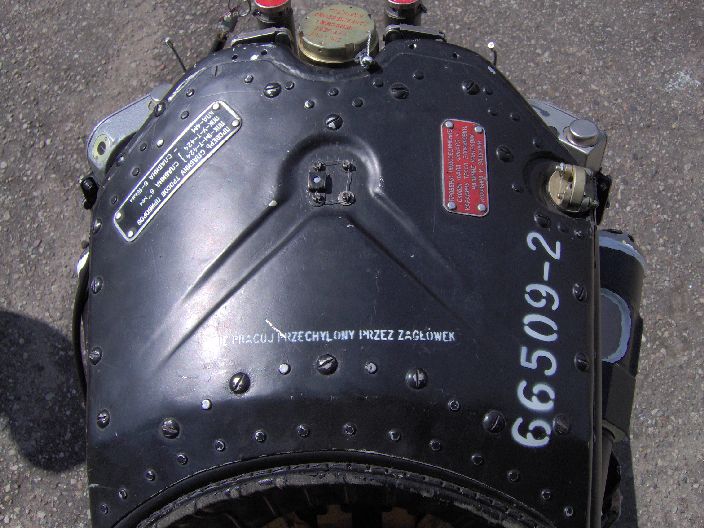
K-36DM technical data: length – 880 mm; width – 570 mm; height – 1240 mm; height adjustment range – 160 mm; weight – 145 kg.