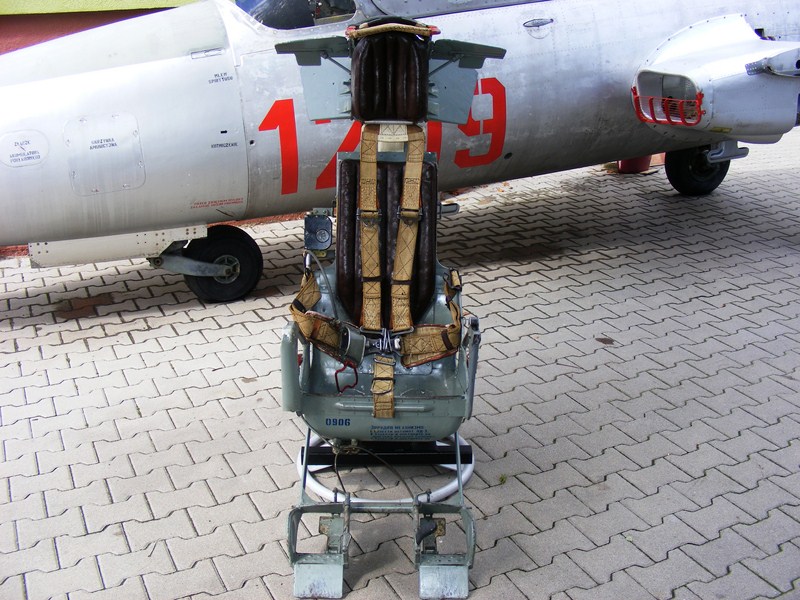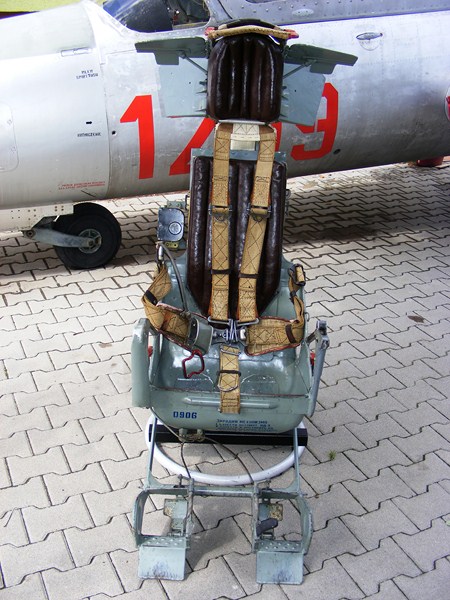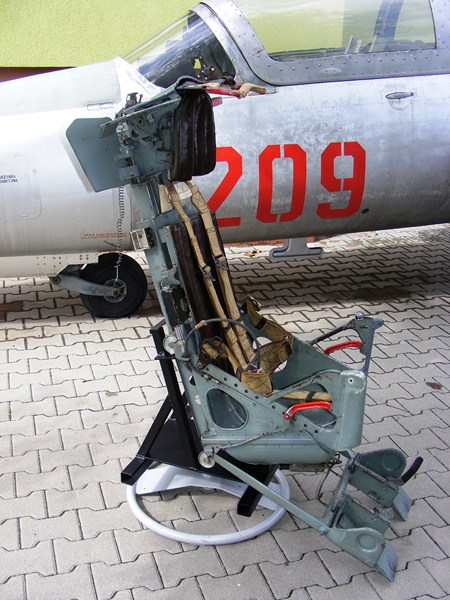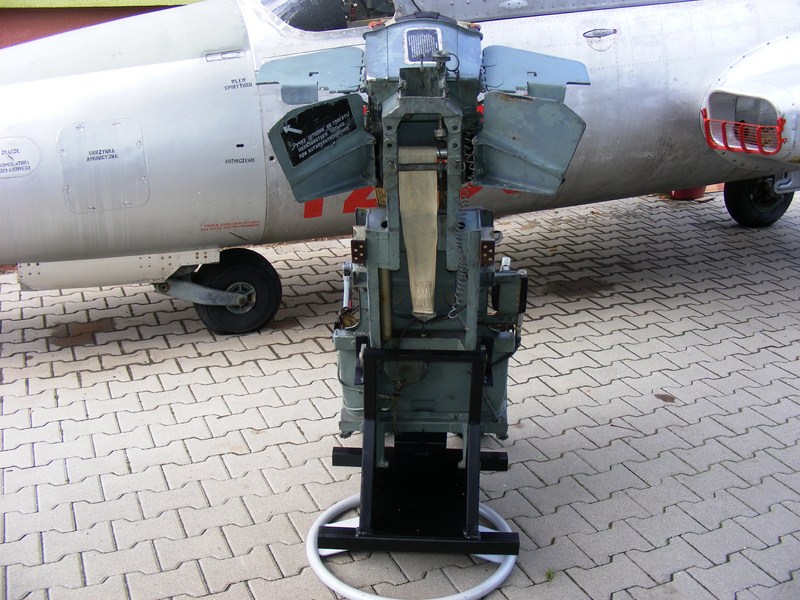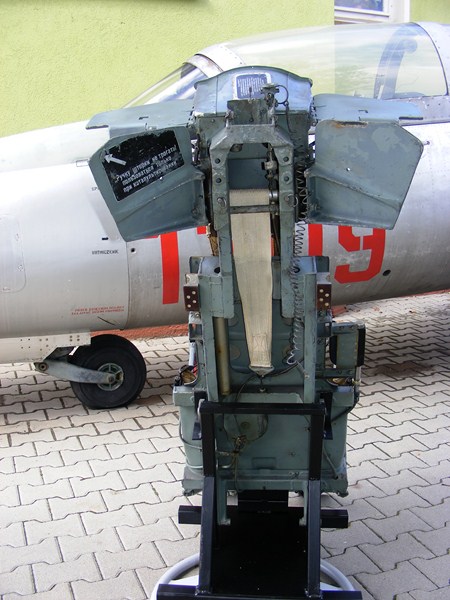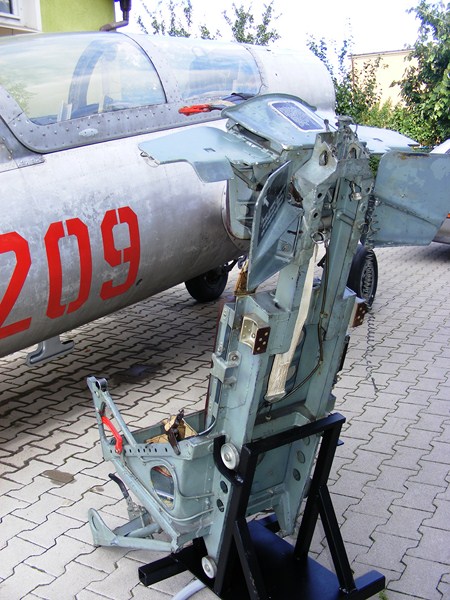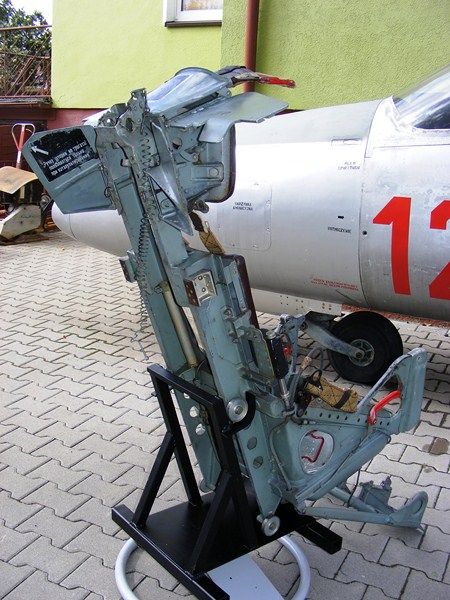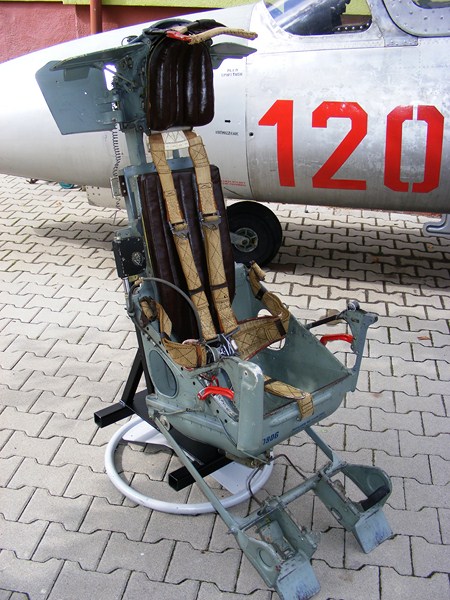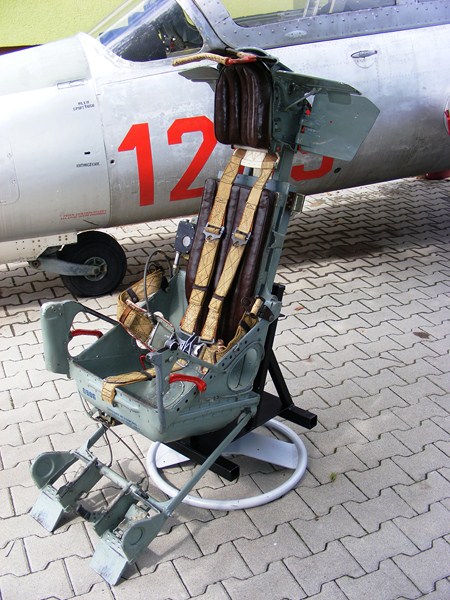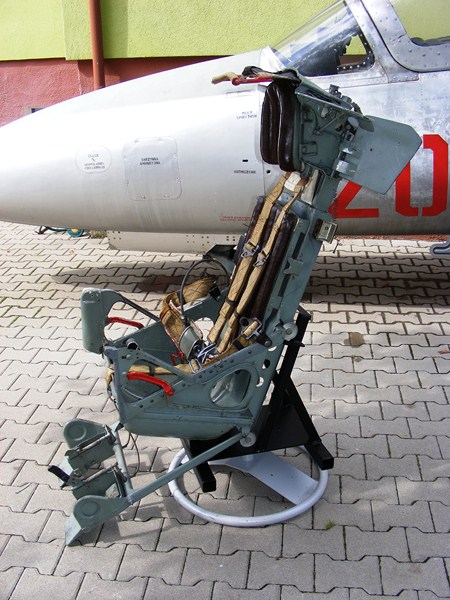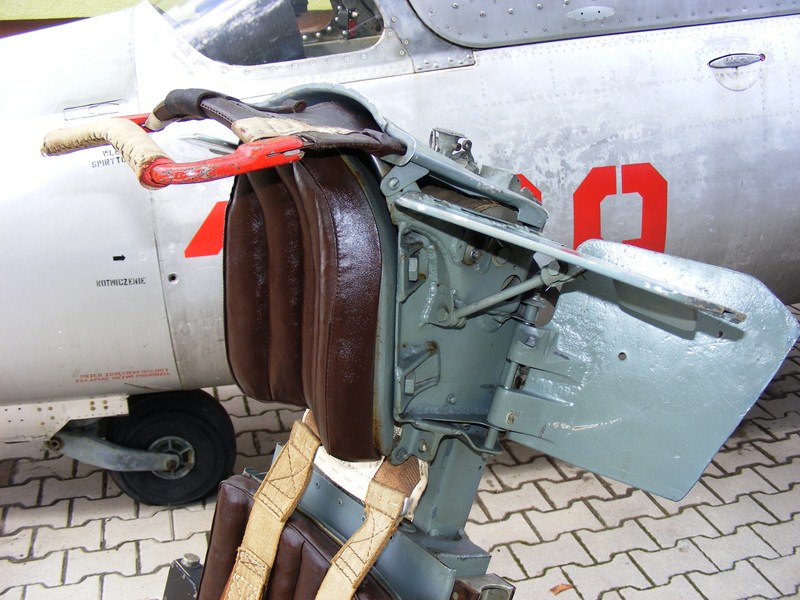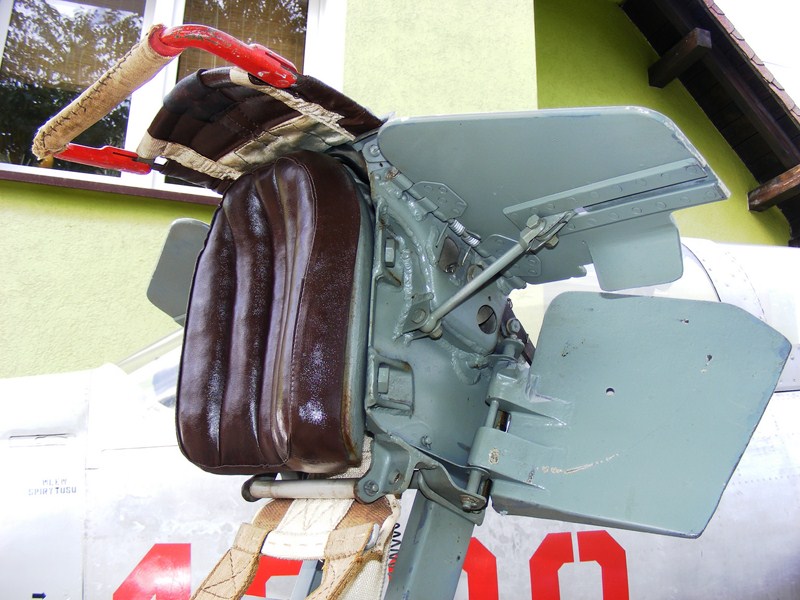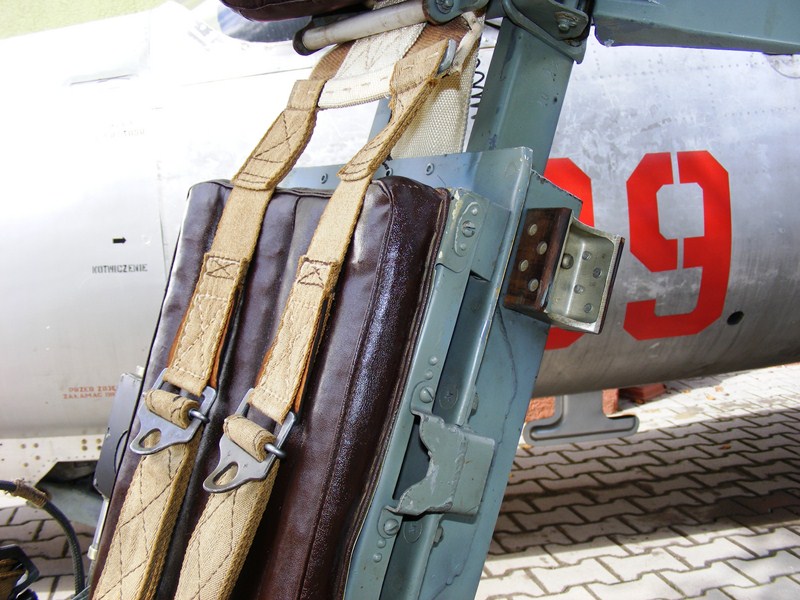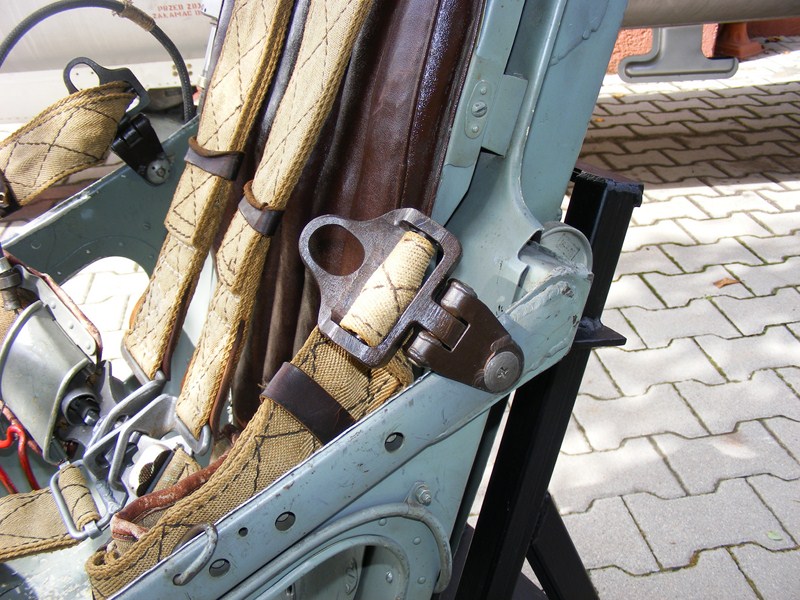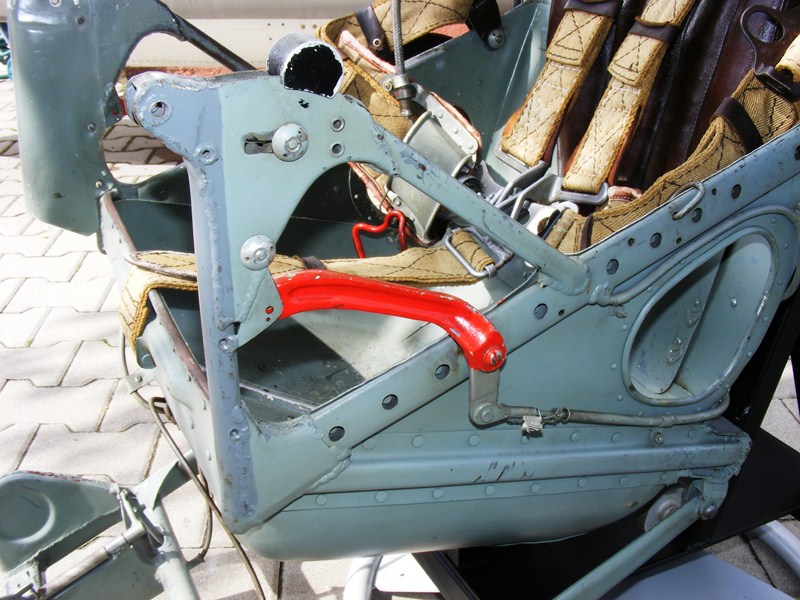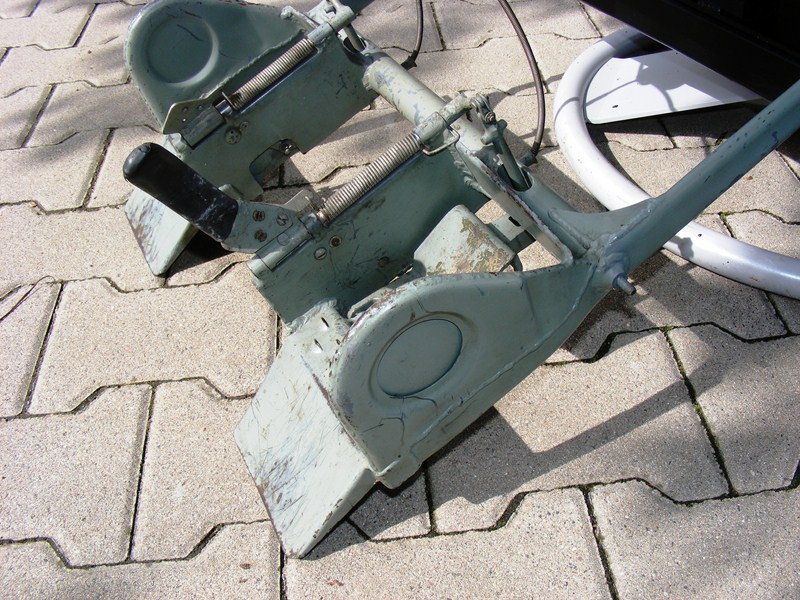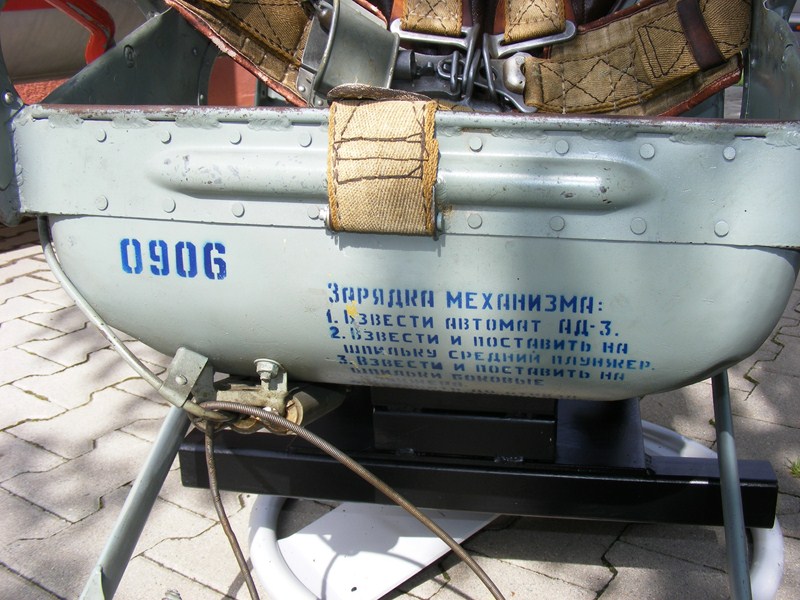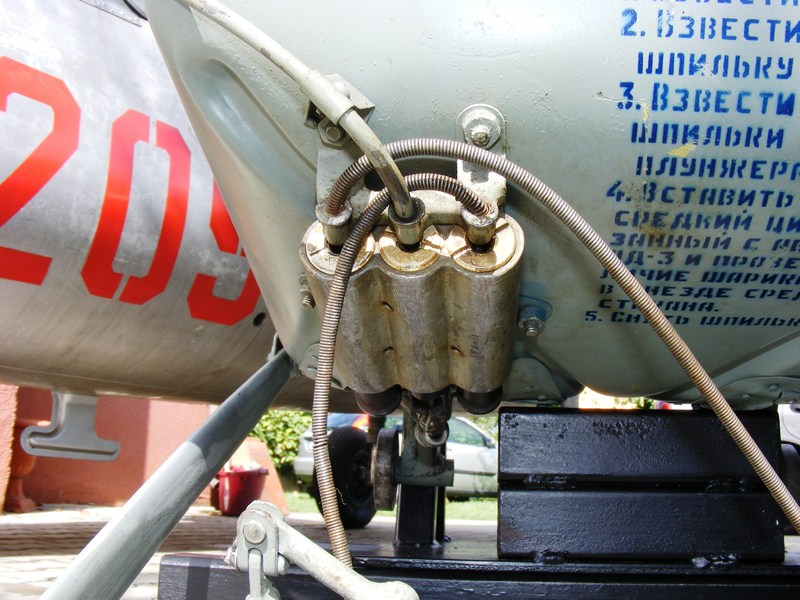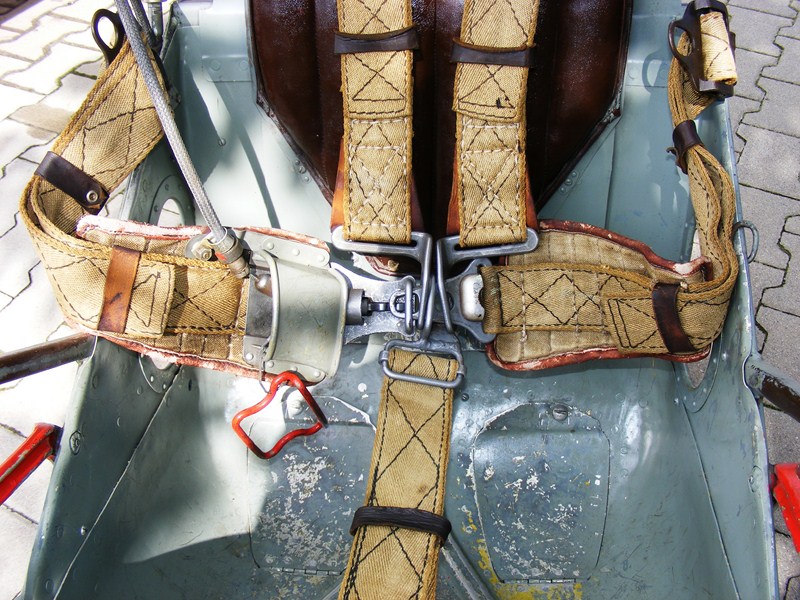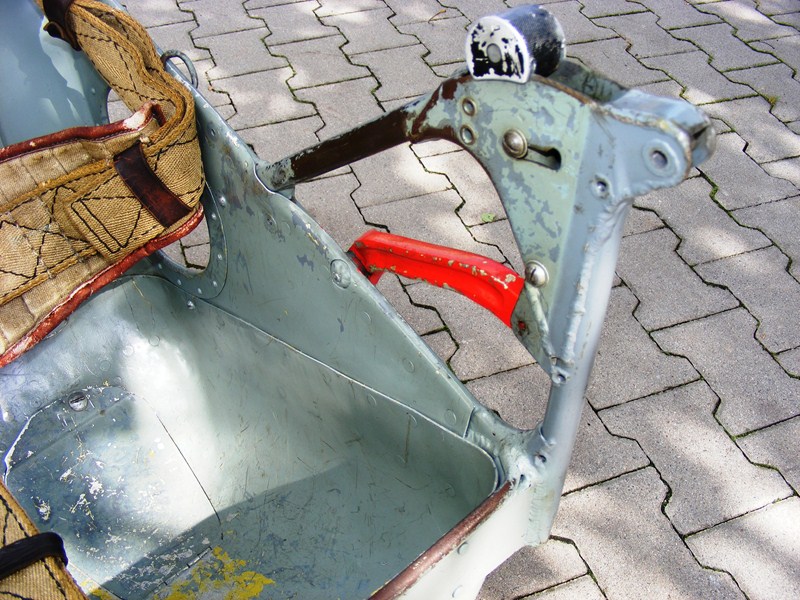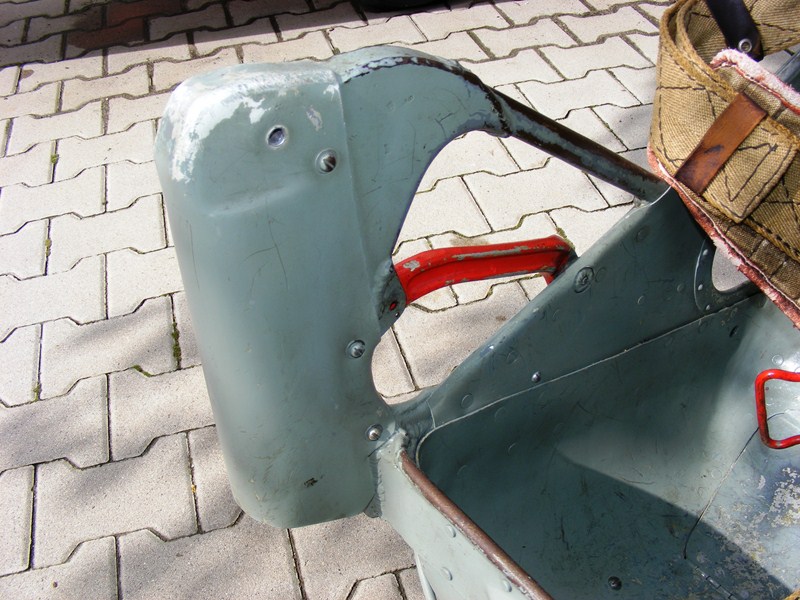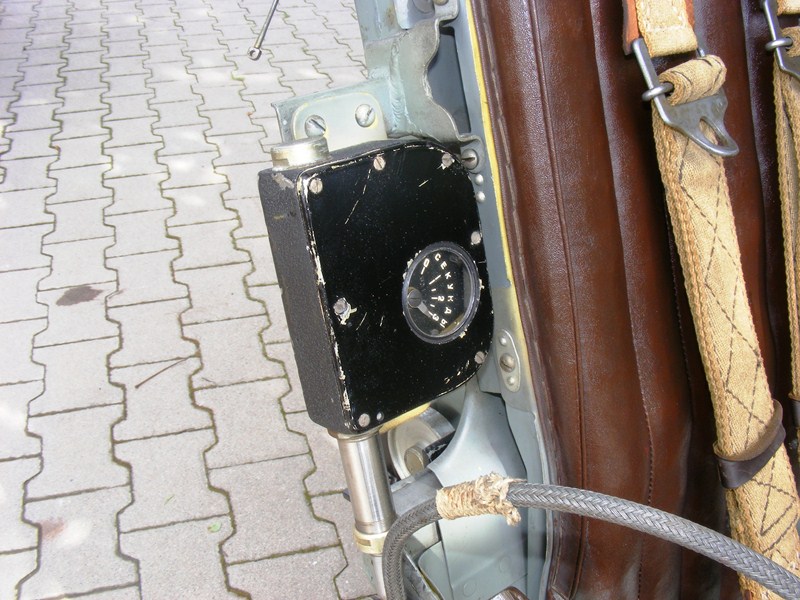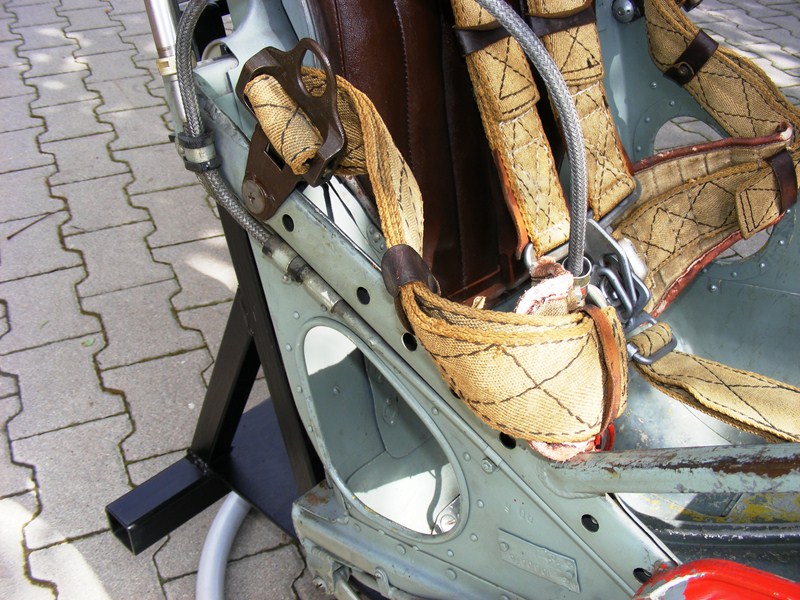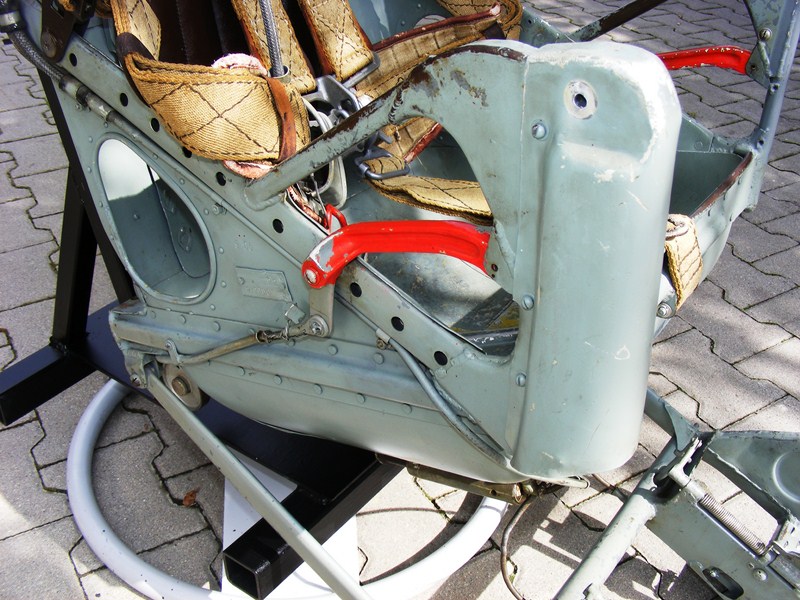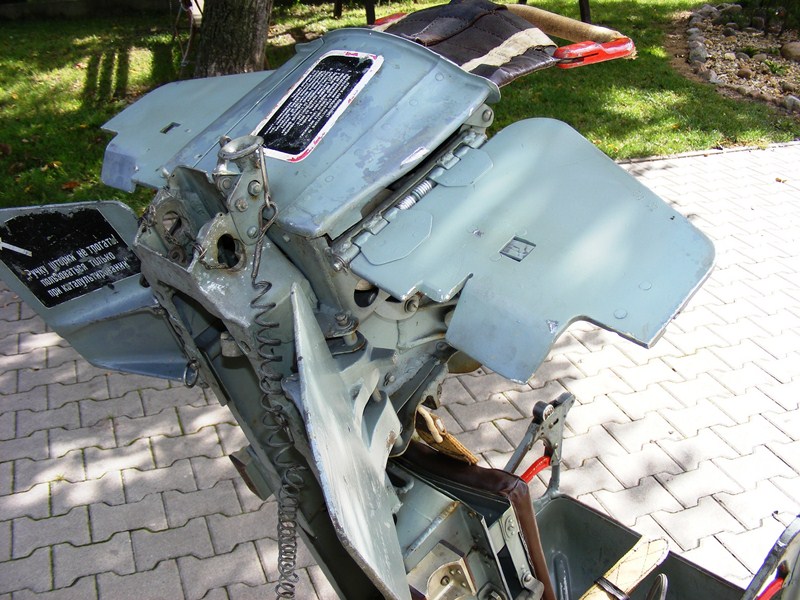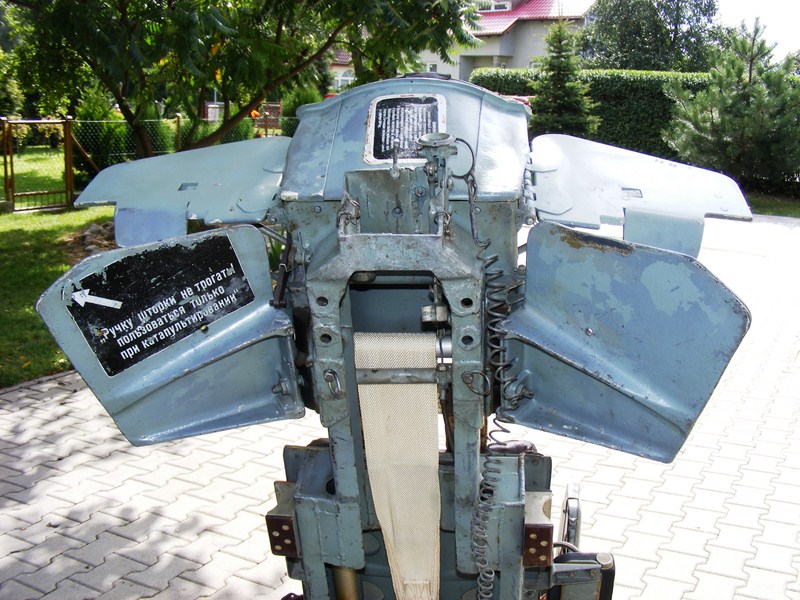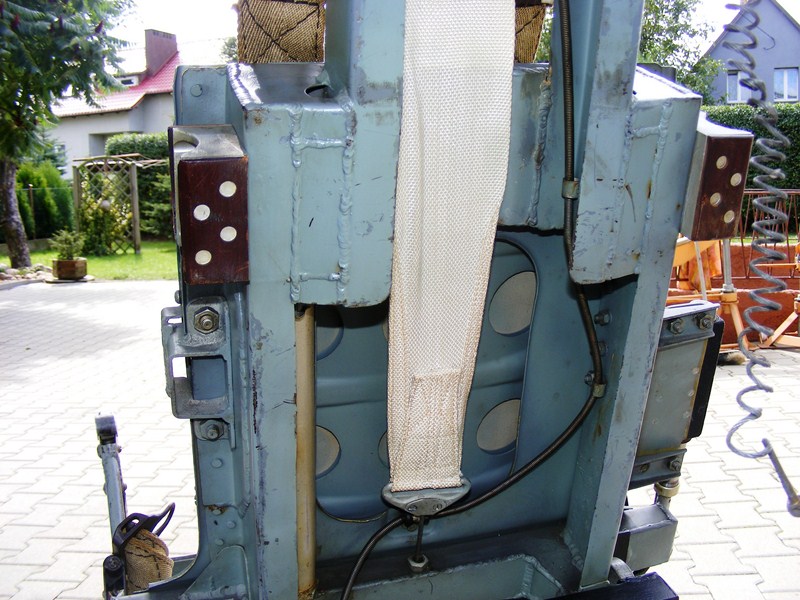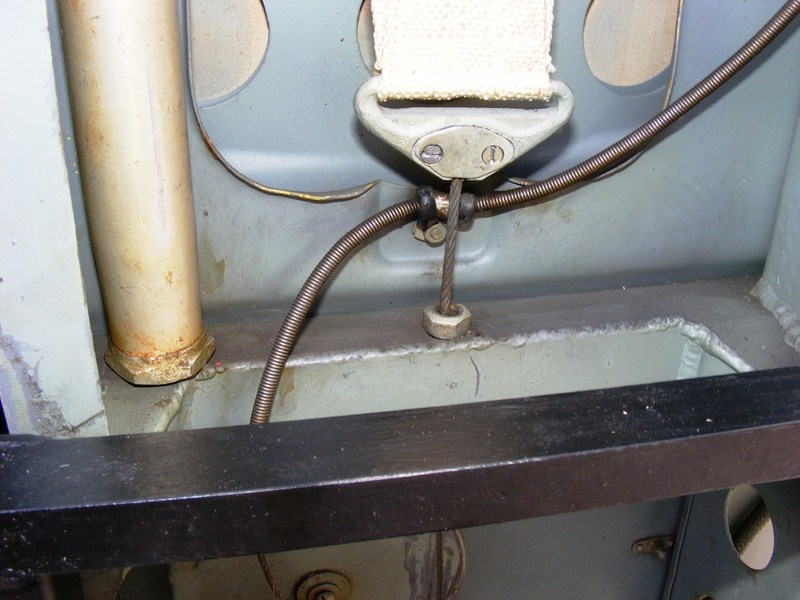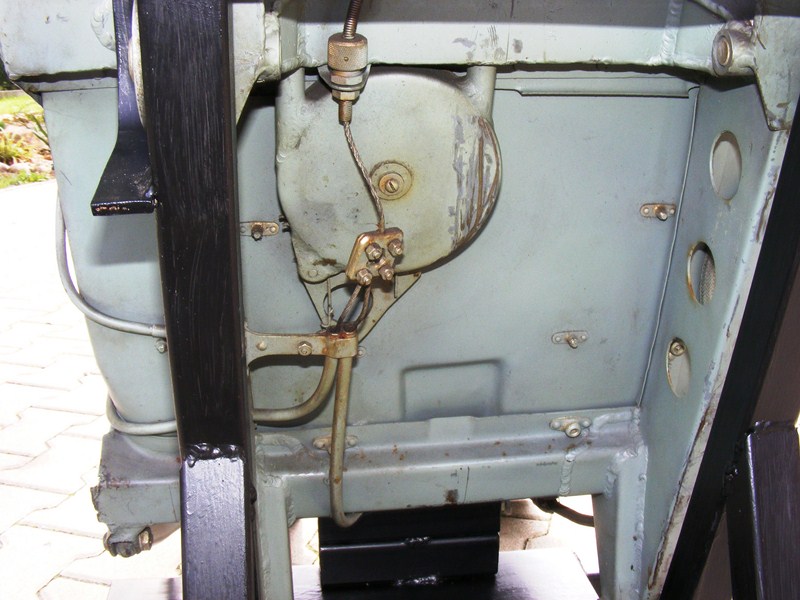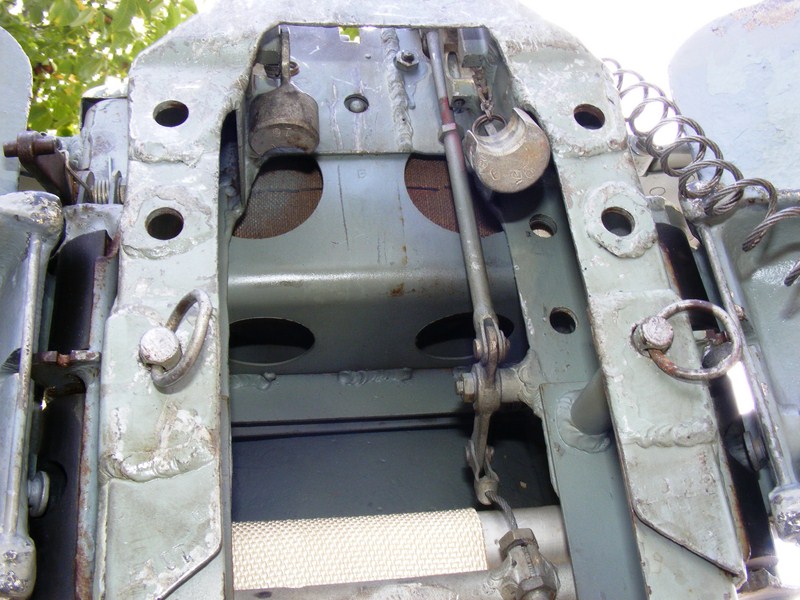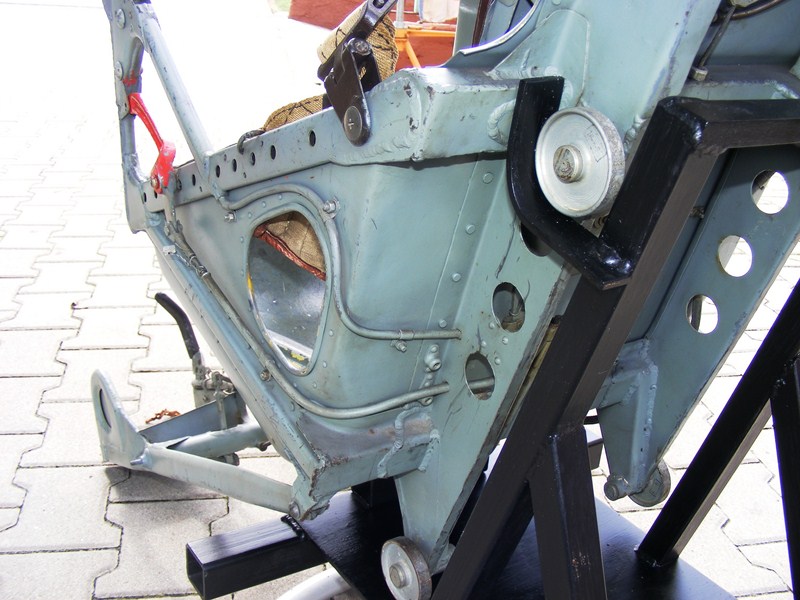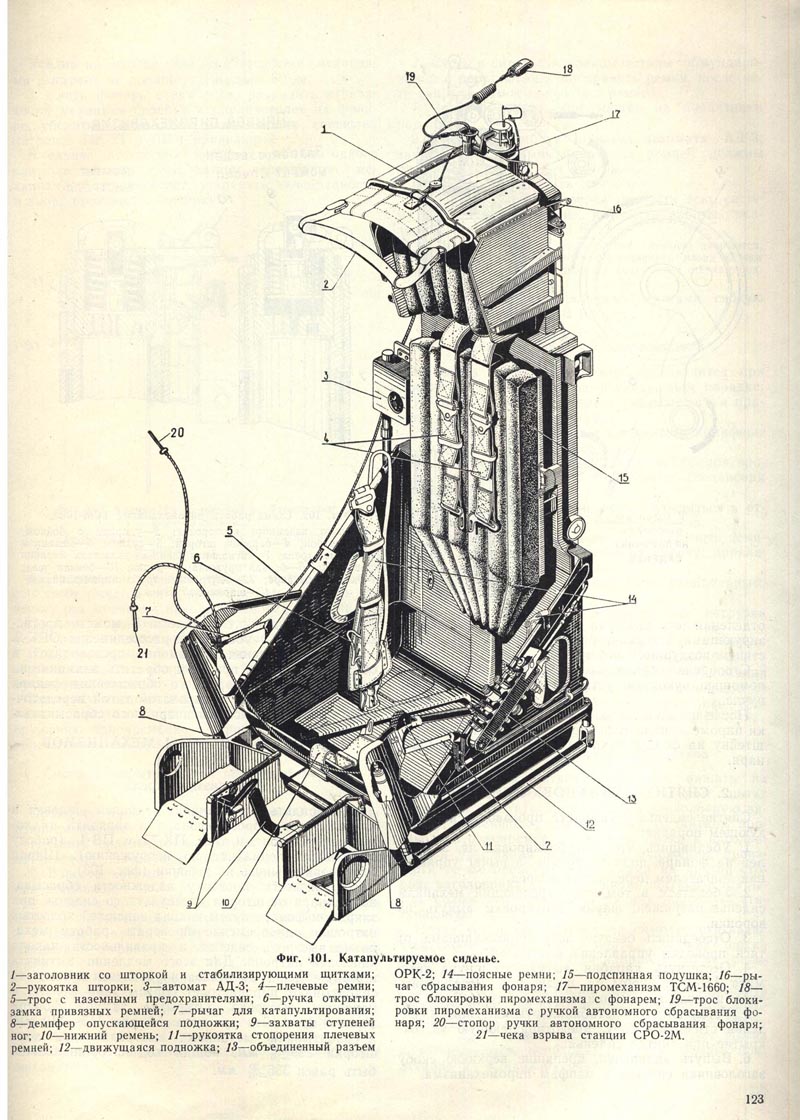
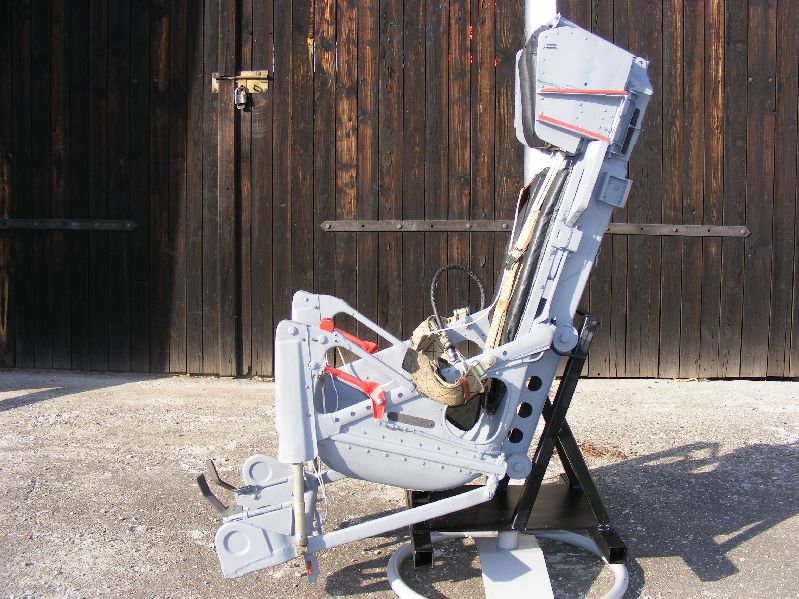
This improved ejection seat appeared in the MiG-17 and MiG-19, giving pilots a better chance of leaving the cockpit safely at speeds of up to 1100 km/h. Compared with the seat used in the MiG-15, it was a rather complex and heavy design. Because the MiG-17 was licence-built in Poland, it was fitted to all Lim-5 and Lim-6 aircraft, as well as to the first production TS-11s.
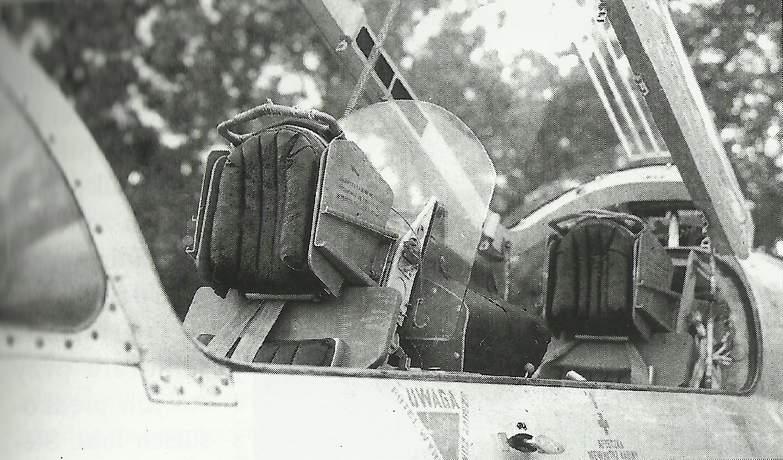
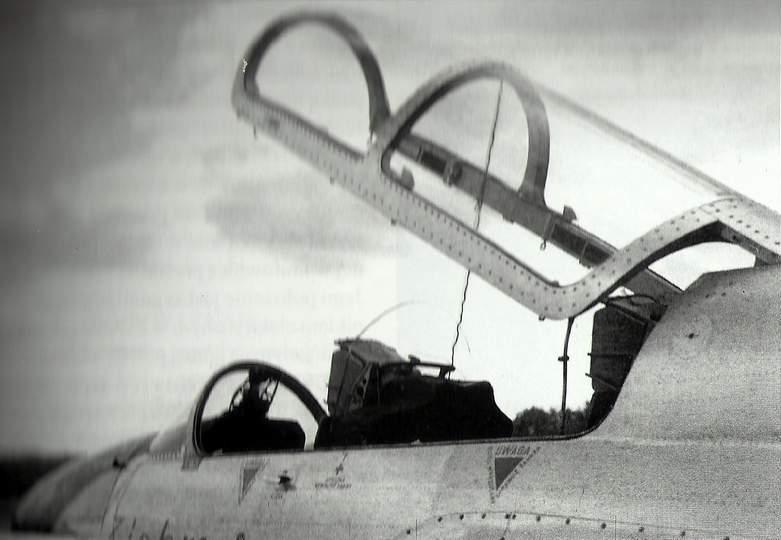
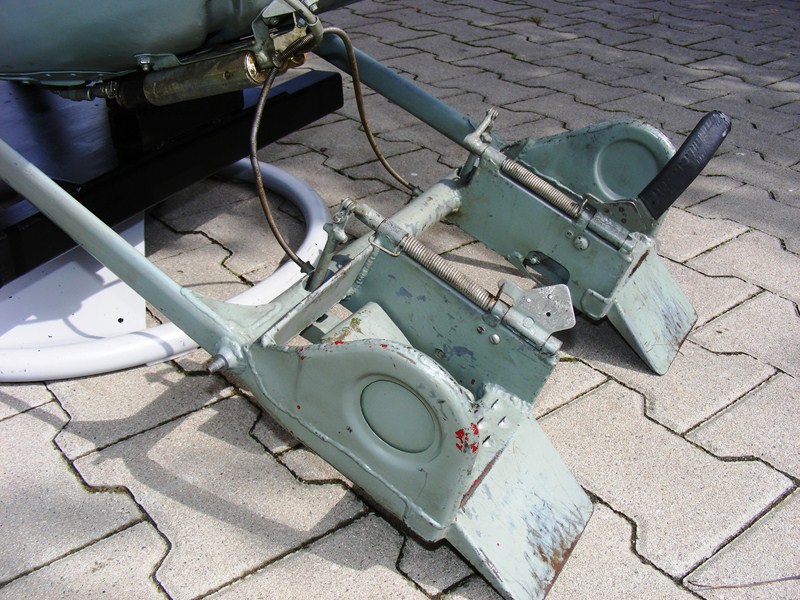
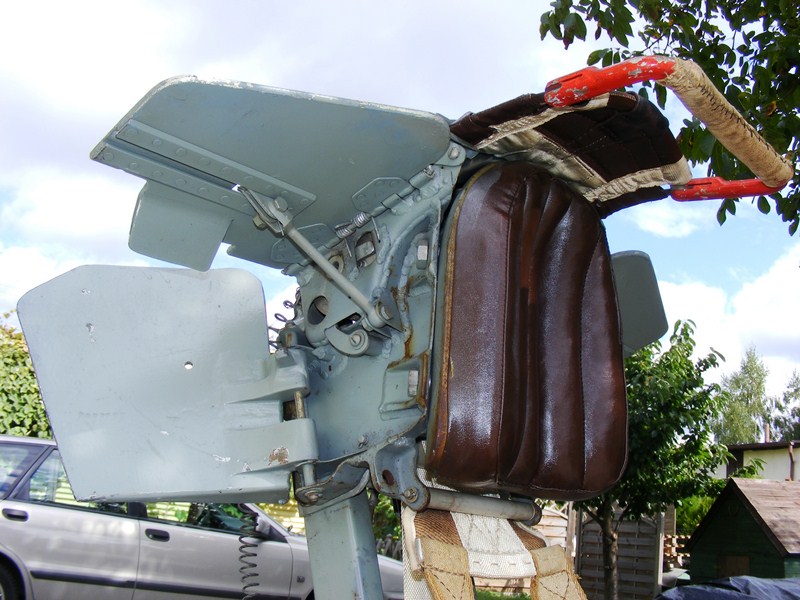
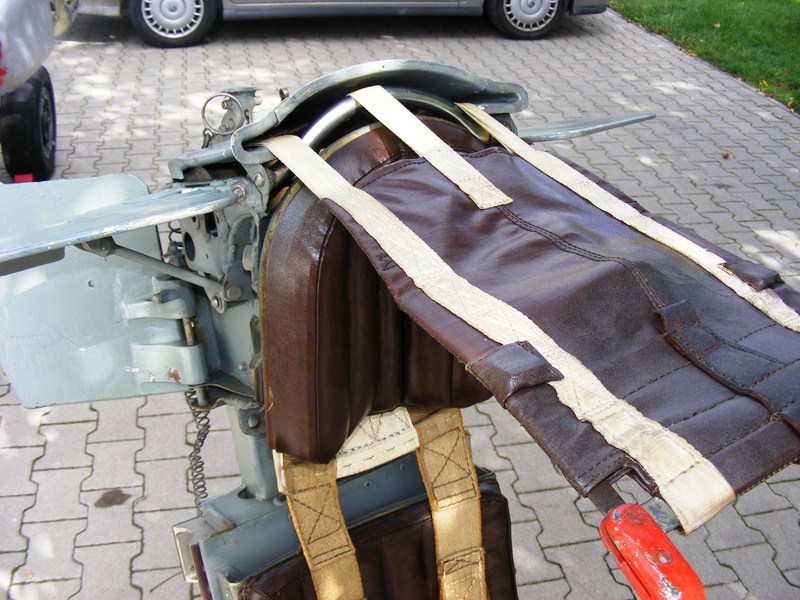
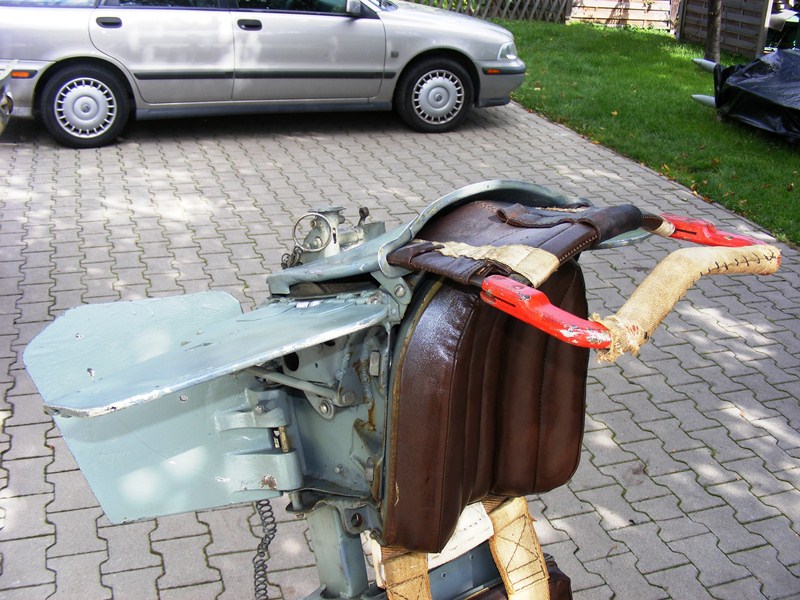
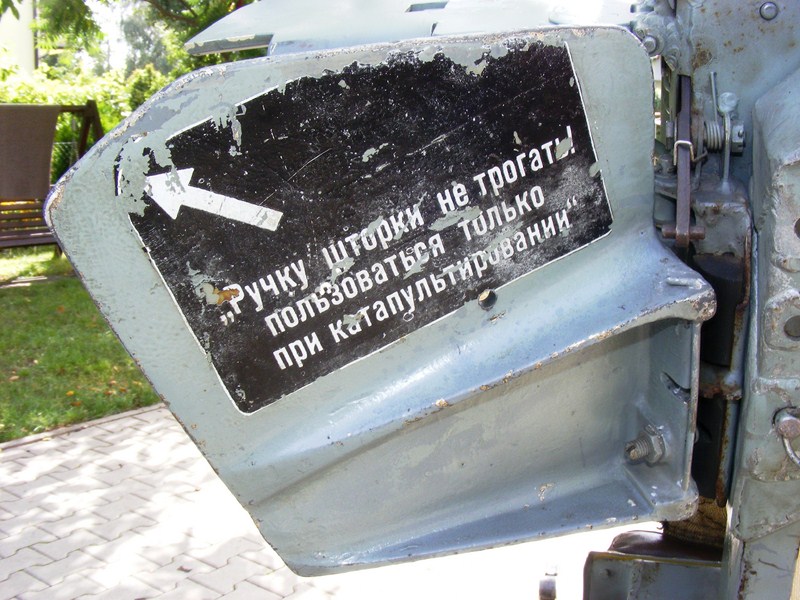
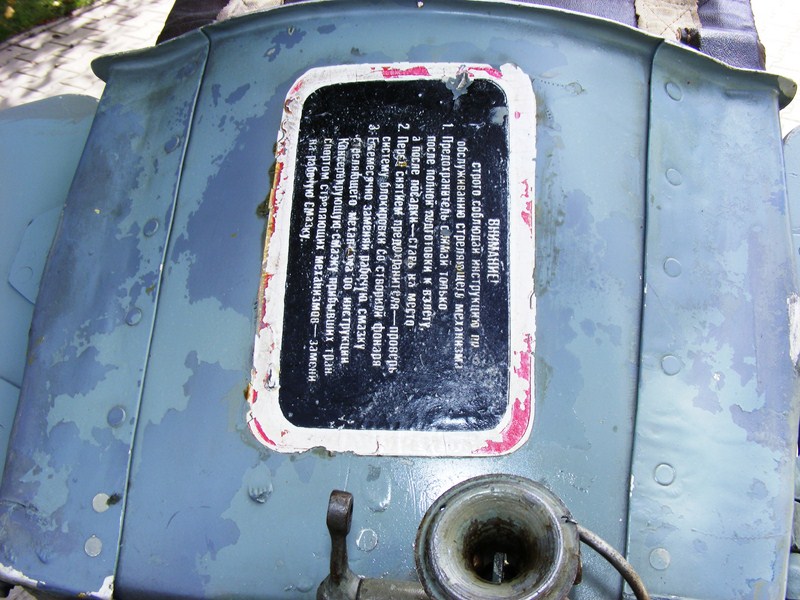
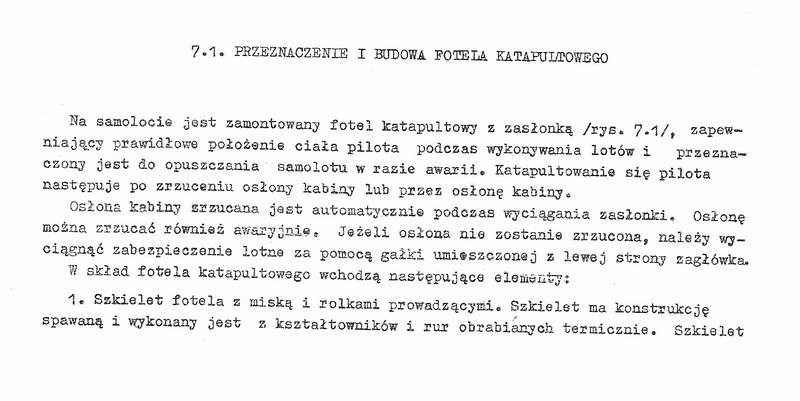
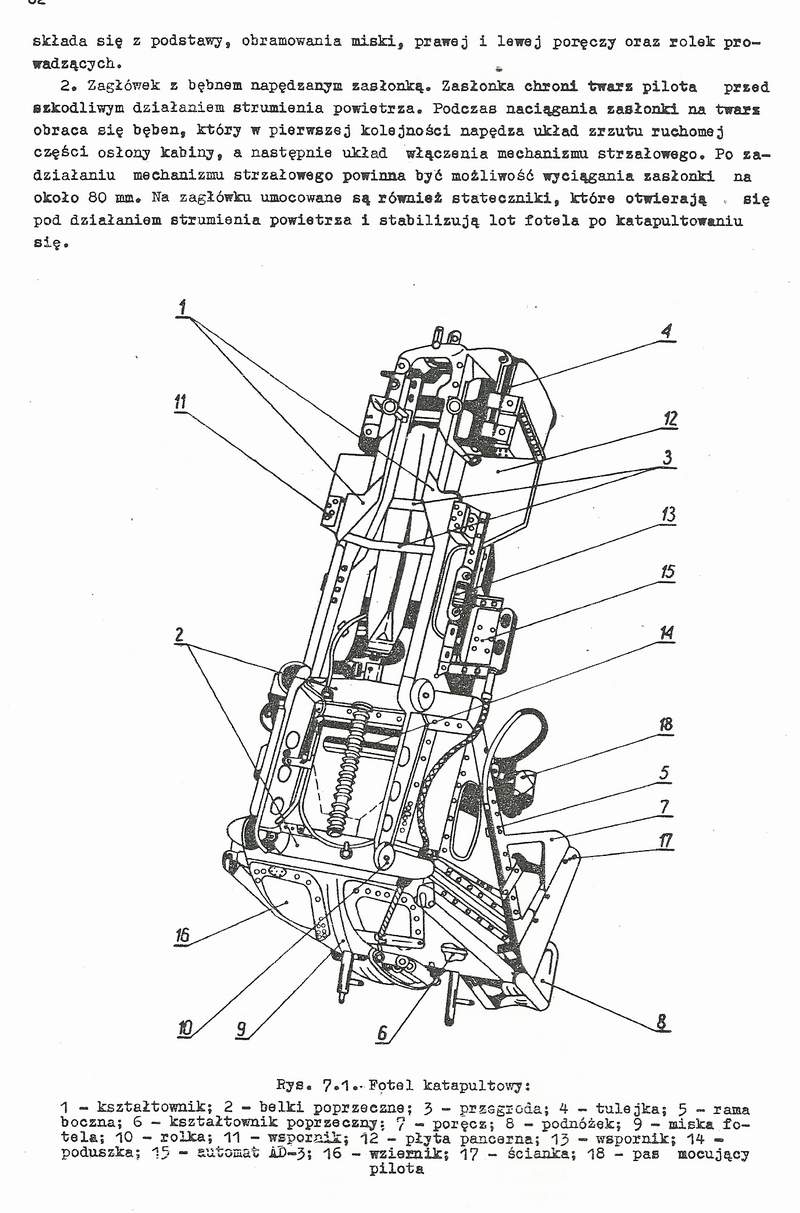
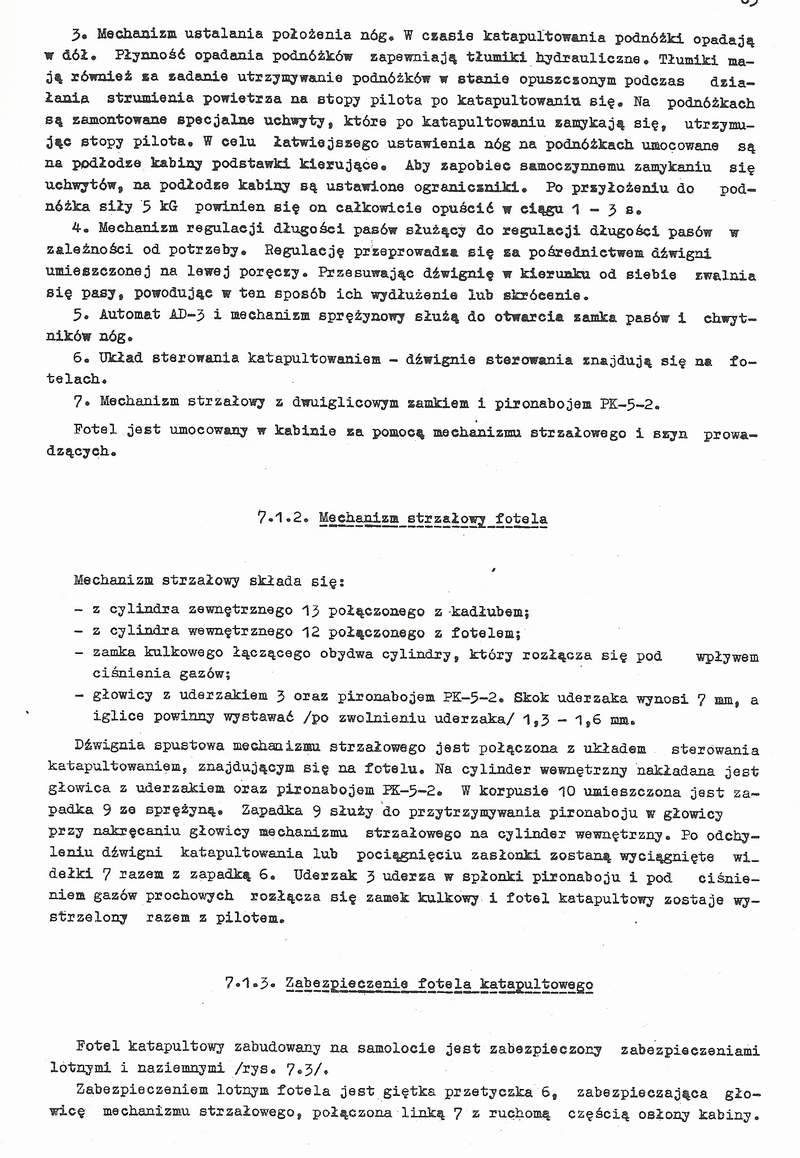
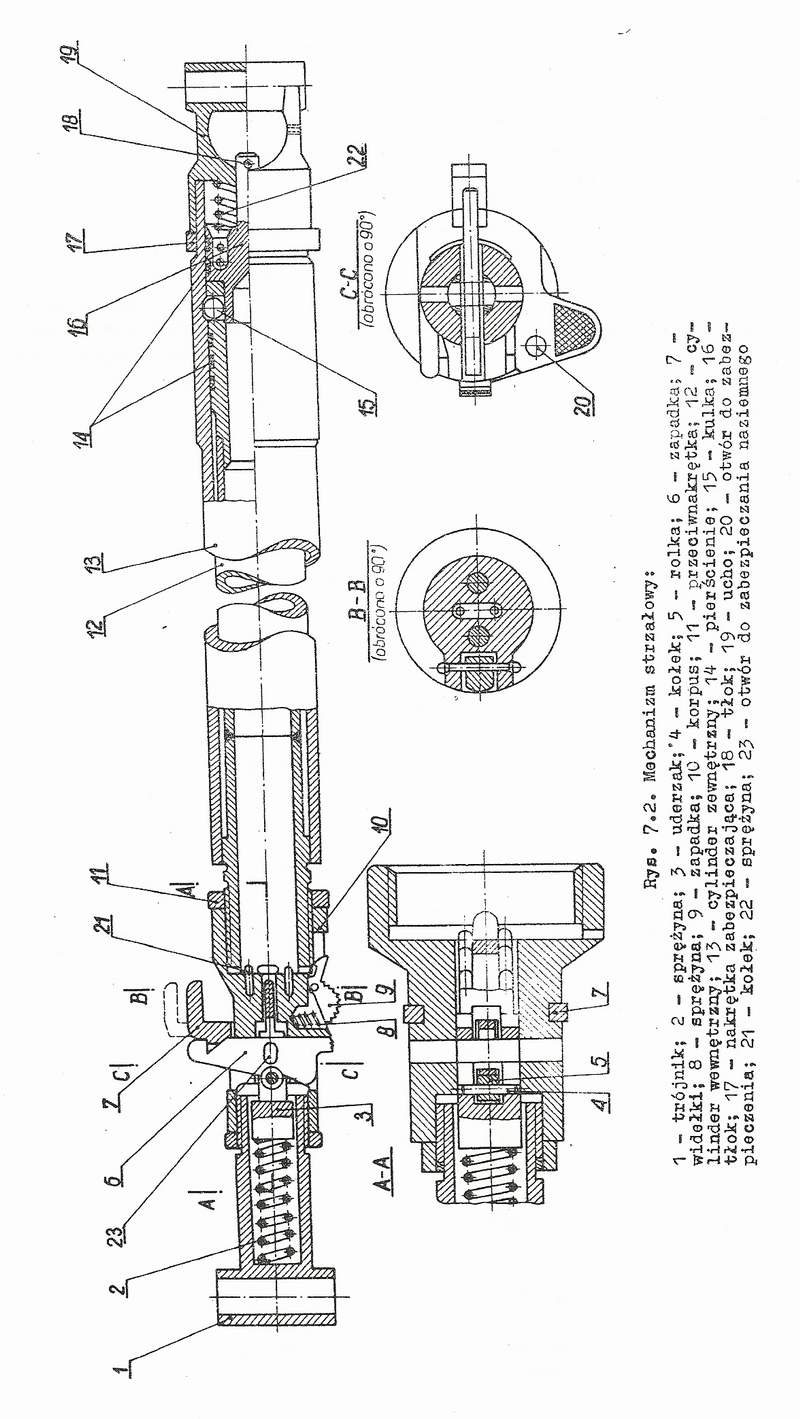
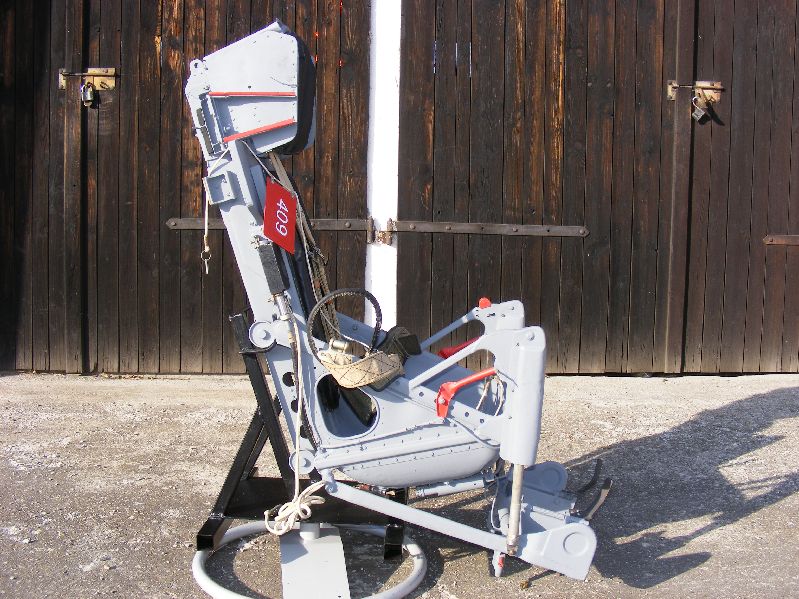
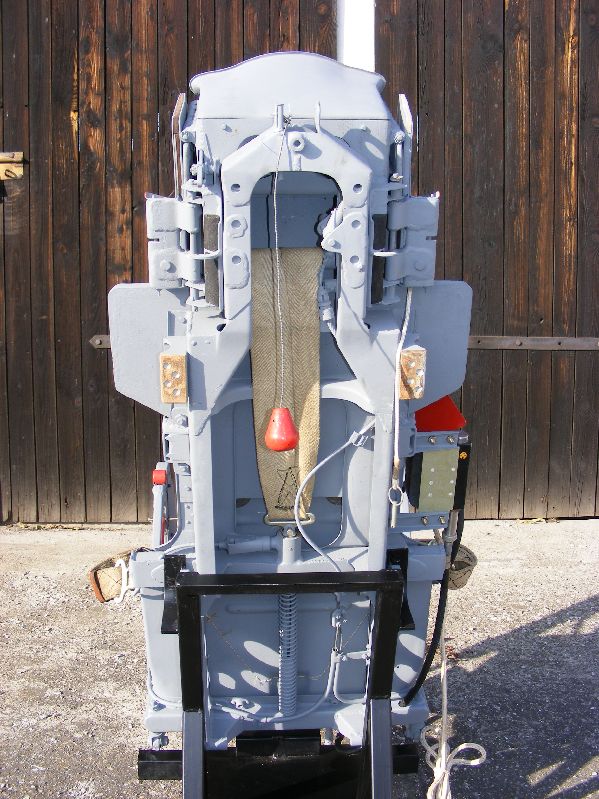
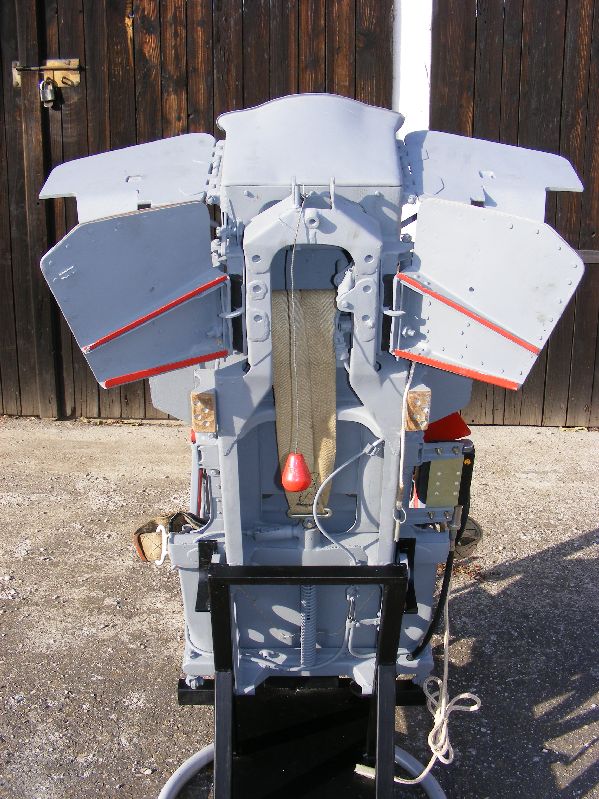
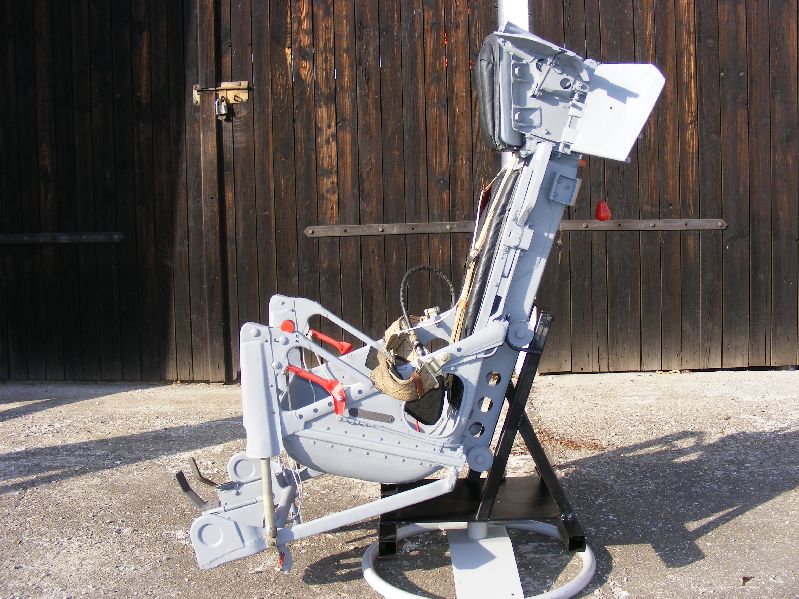
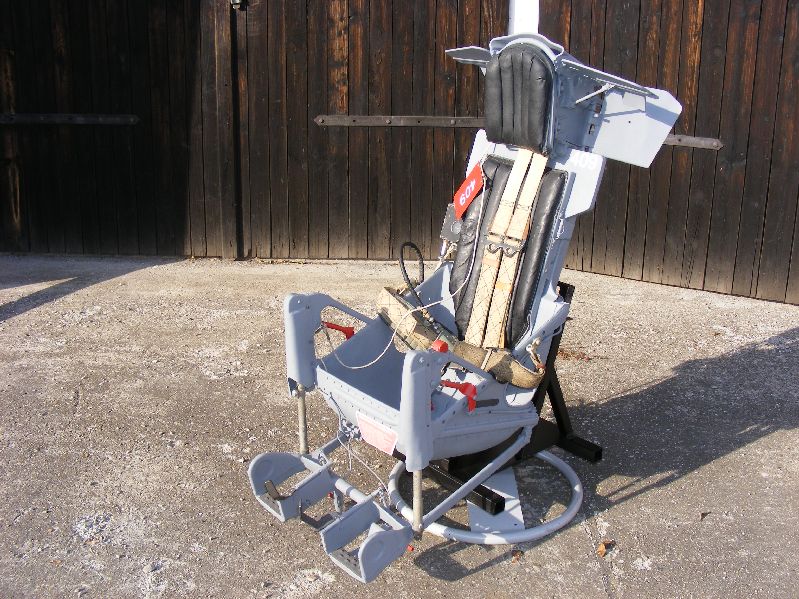
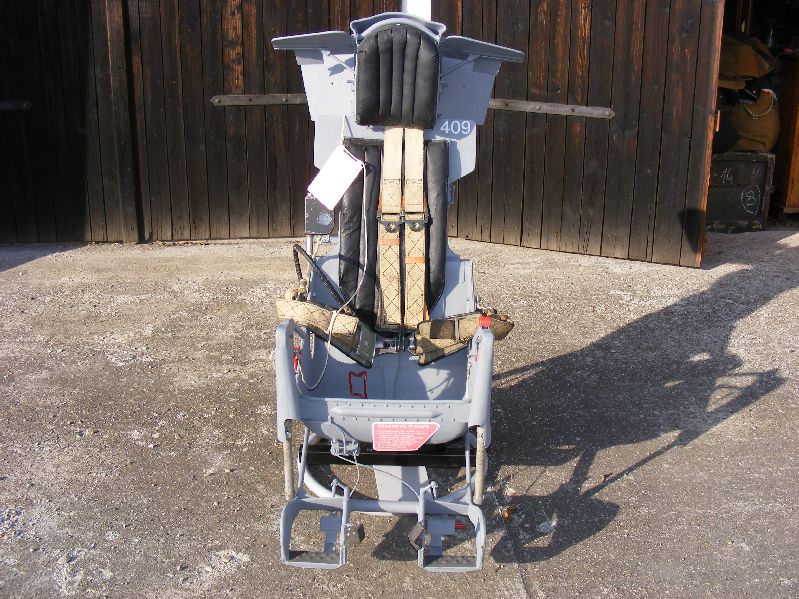
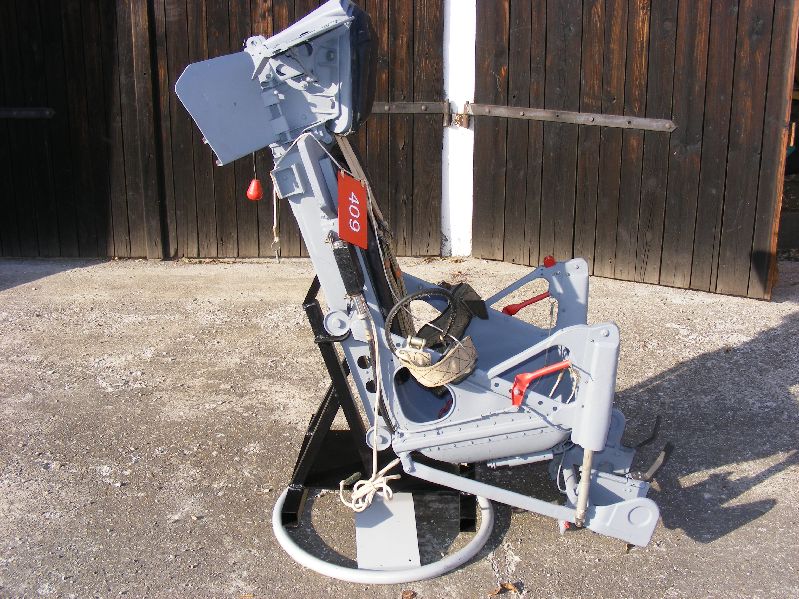
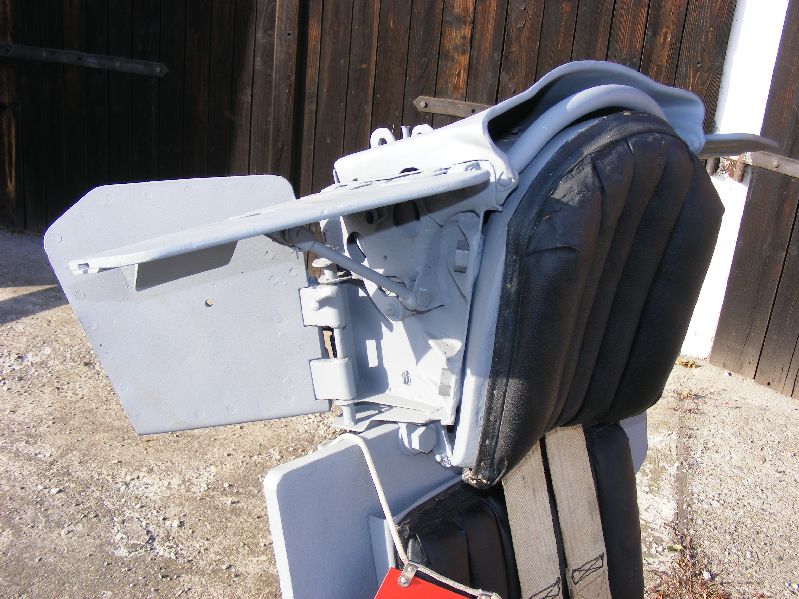
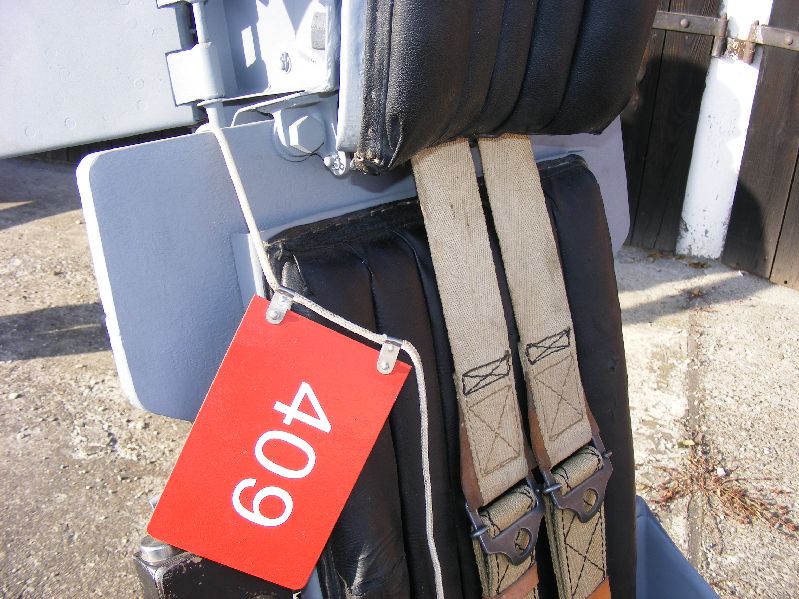
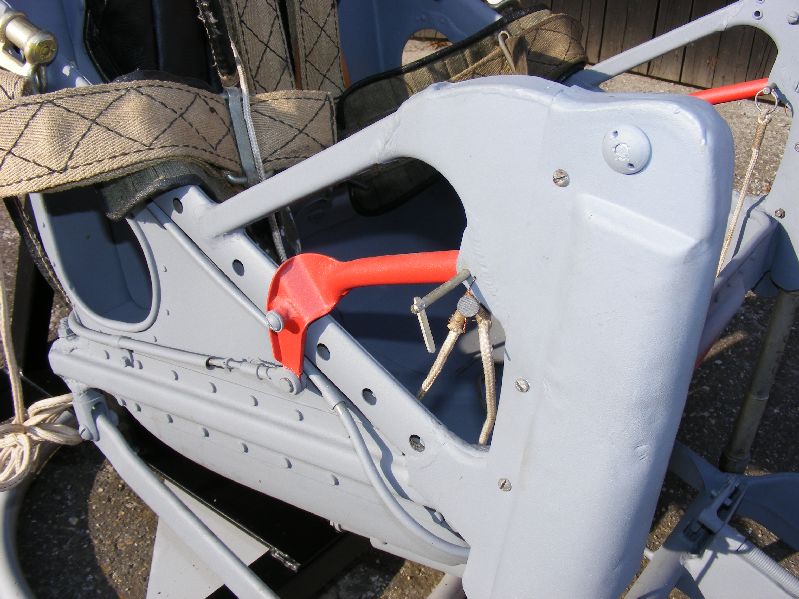
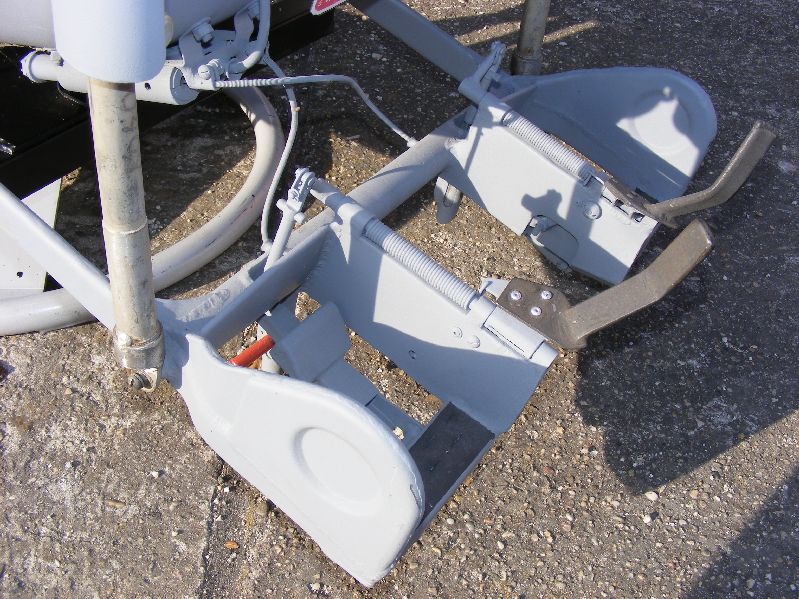
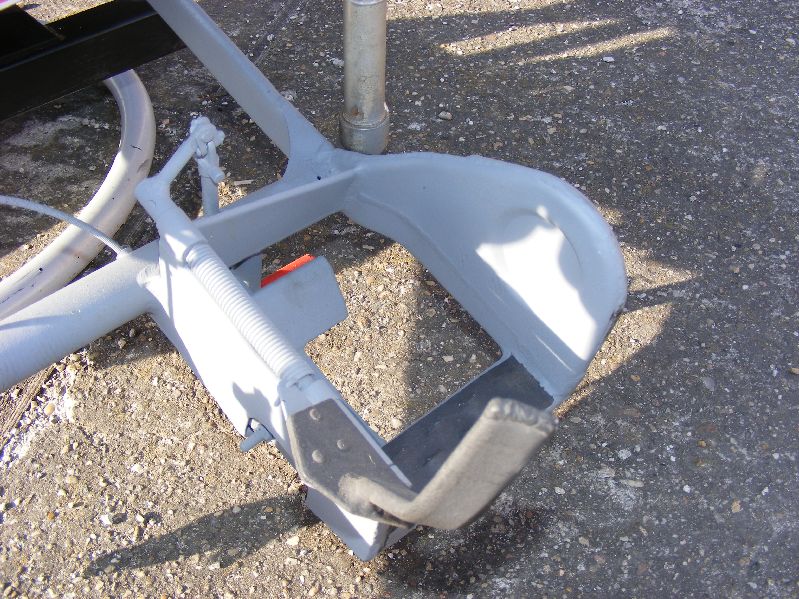
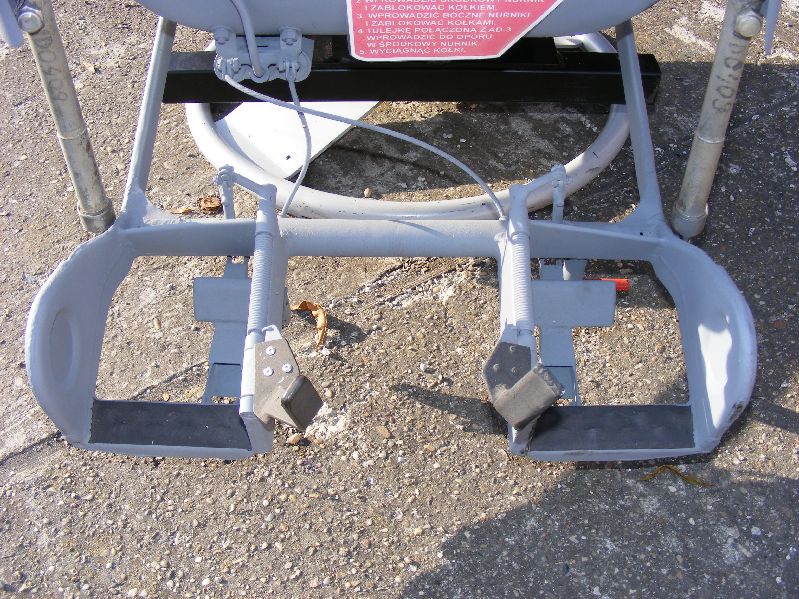
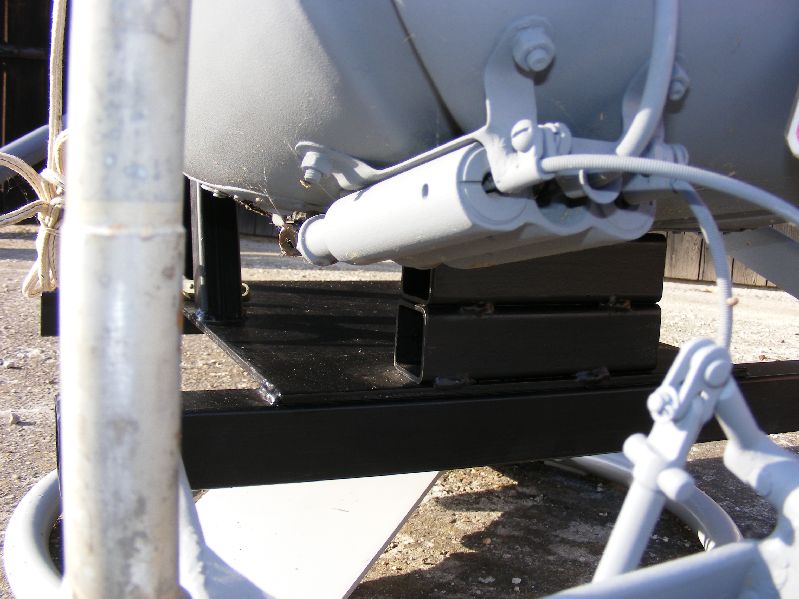
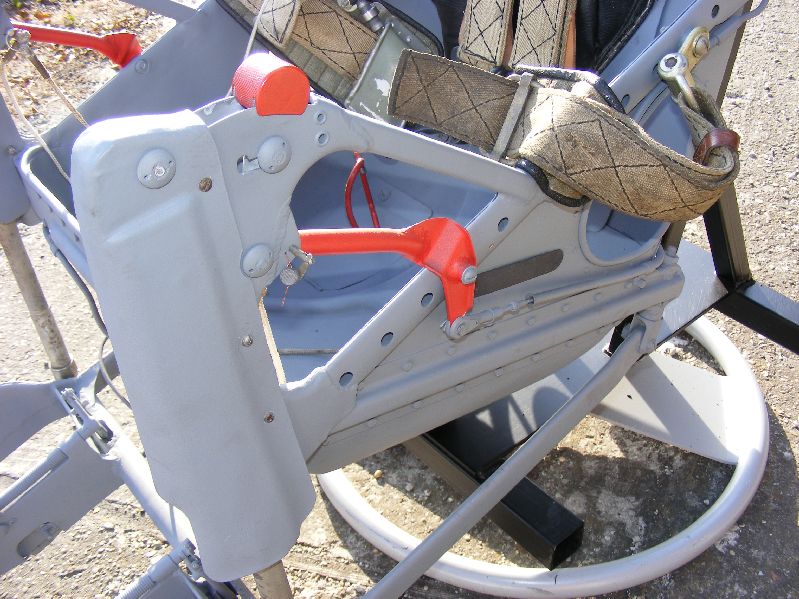
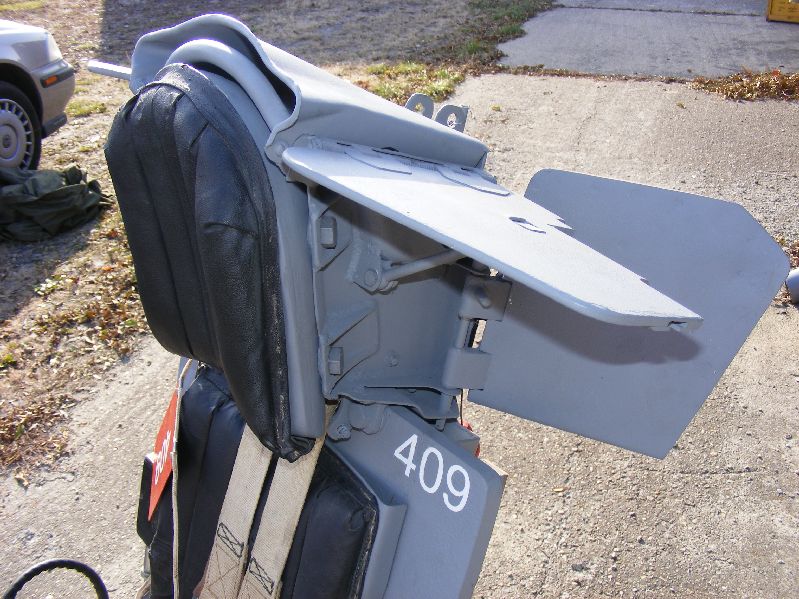
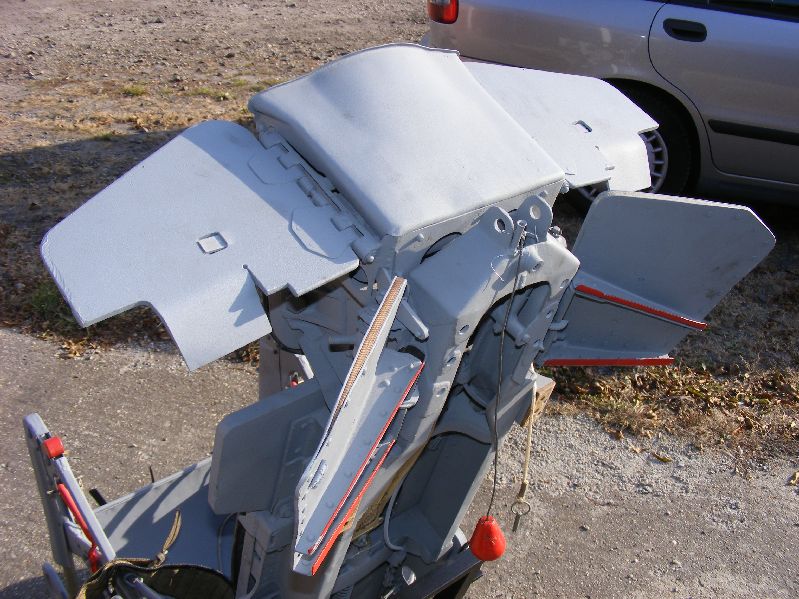
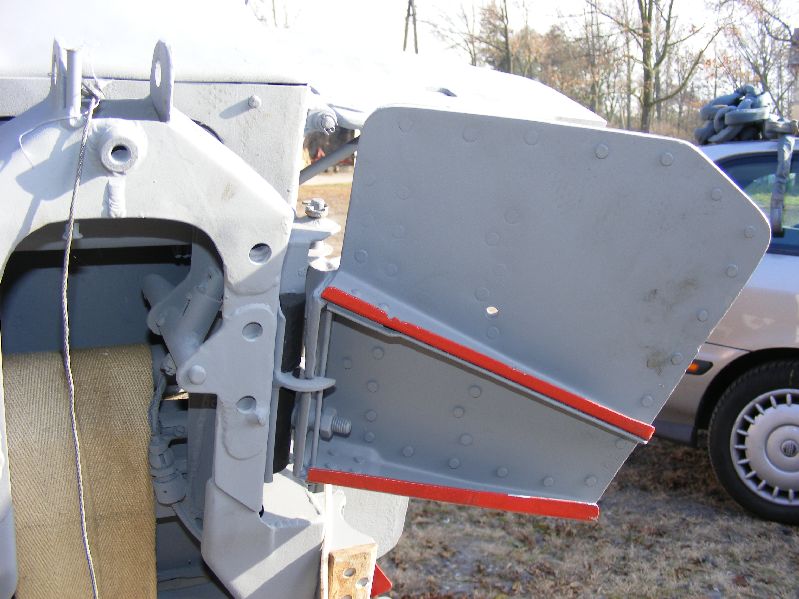
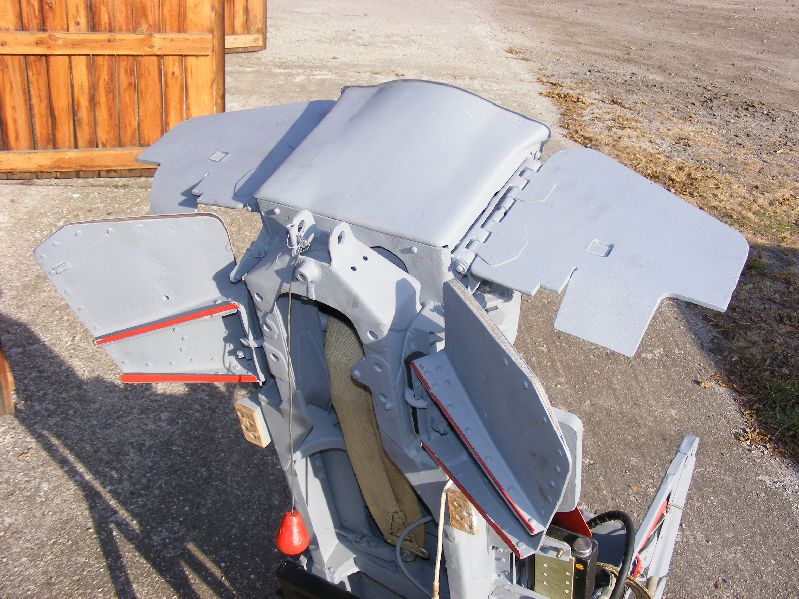
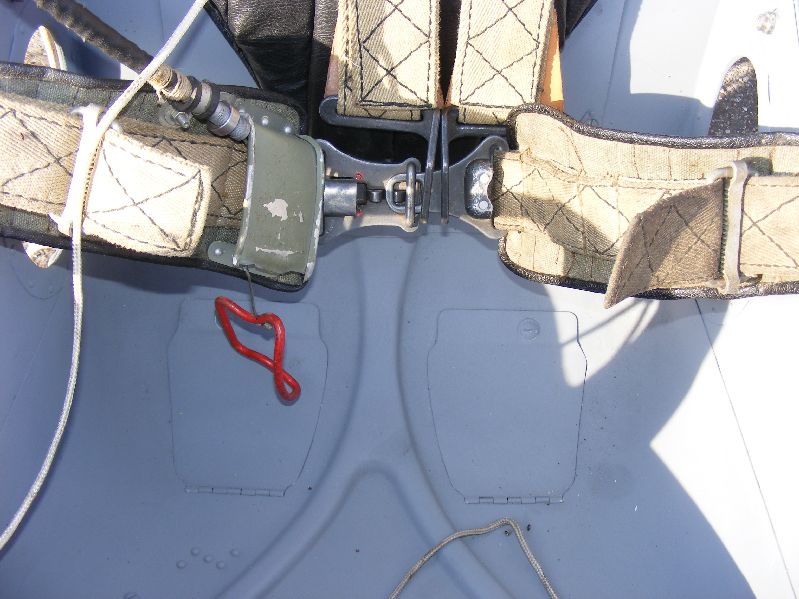
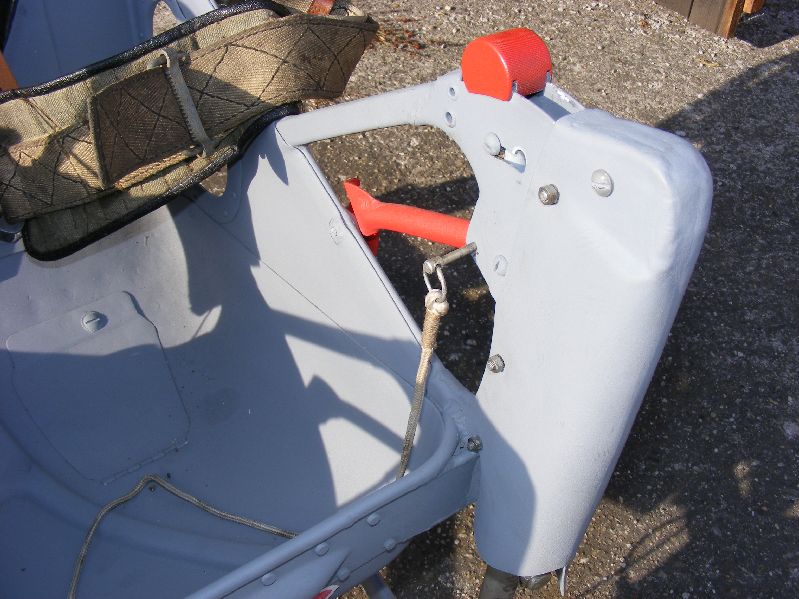
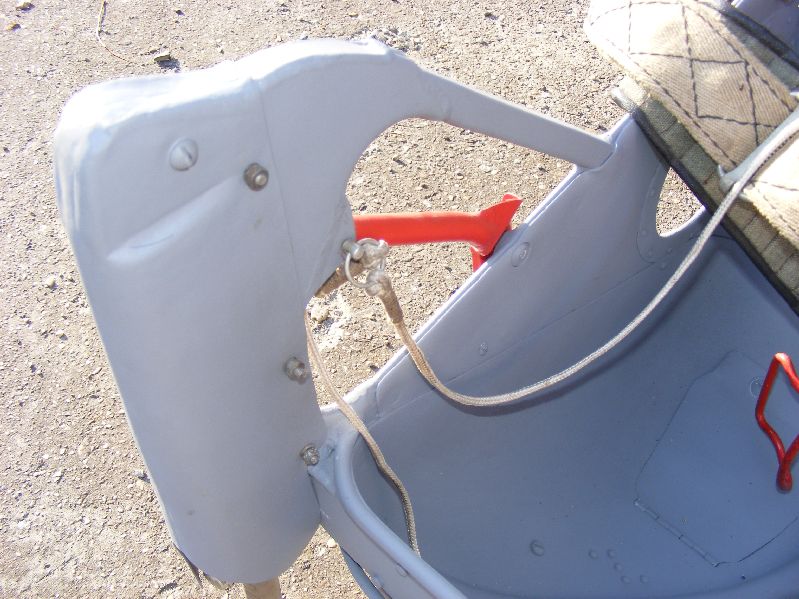
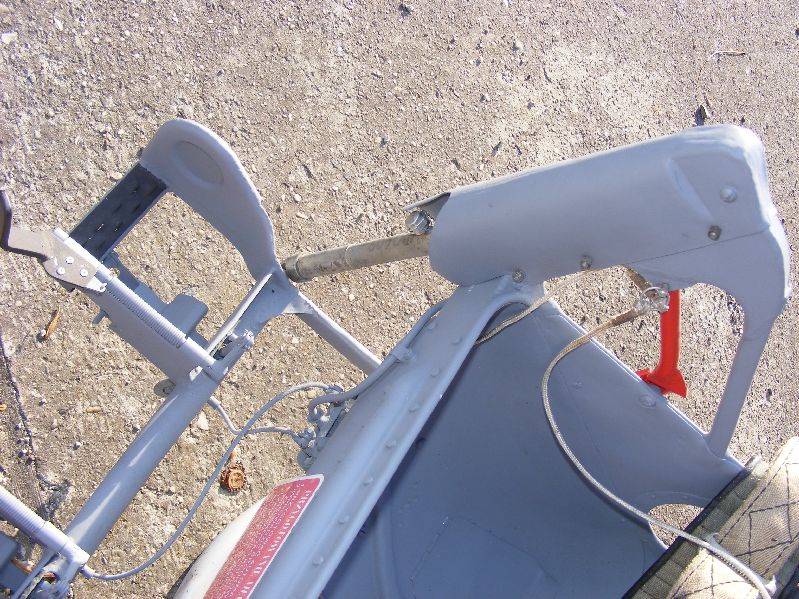
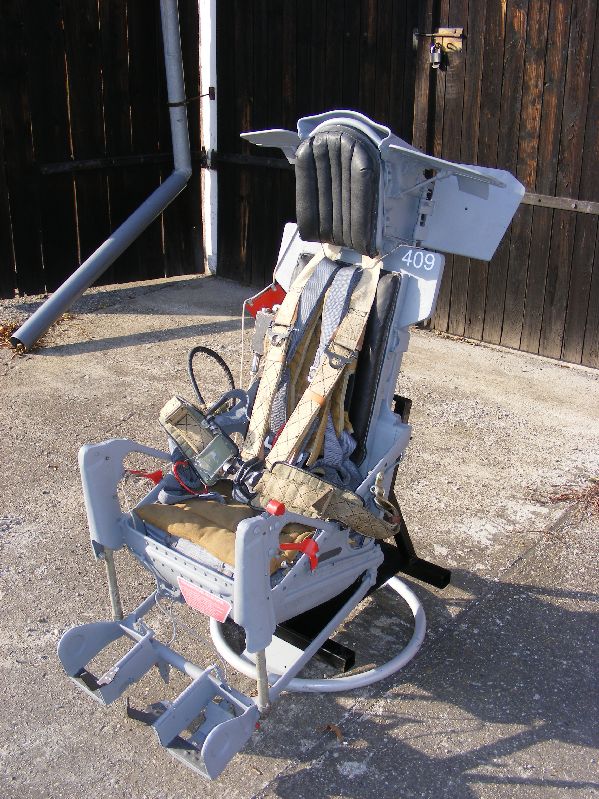
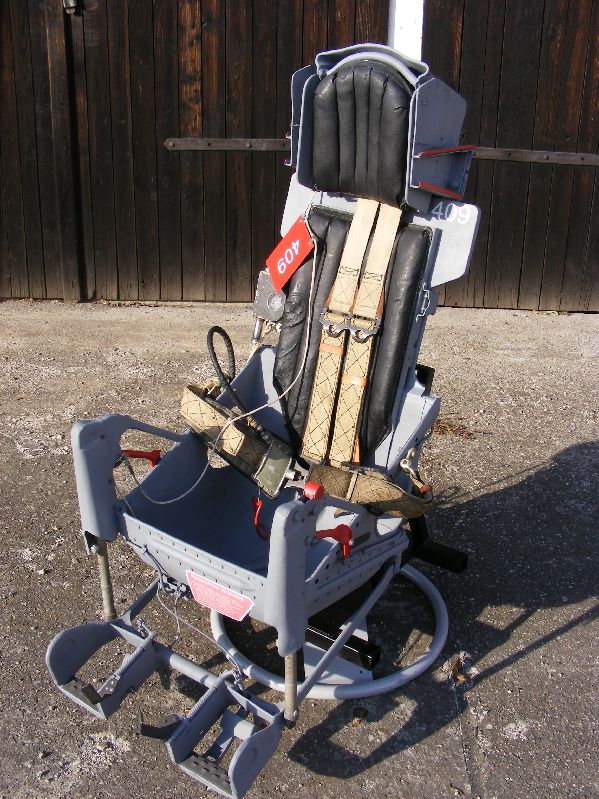
The main parts of the seat are: a welded frame with guide rollers, the parachute bucket, movable footrests, a spring mechanism, lap and shoulder straps with a lock, an AD-3 automatic release, shock absorbers, a headrest with a face curtain and stabilising flaps, an armour plate with a headrest cushion, and a back plate with a cushion. The bucket holds the personal parachute, which is placed in the seat before the flight. The seat is fixed in the cockpit by a single-stage ejection gun and guide rails. At the bottom right of the seat bucket there is a spring mechanism which opens the leg restraints and the pilot’s straps after ejection. This happens on a signal from the AD-3 automatic release with a delay of 1-3 s. To keep the pilot’s legs from hitting the cockpit sides during ejection, the footrests drop down in the first phase of the seat’s travel along the rails, and the legs are kept from flailing outwards by the bases of the armrests. Hydraulic dampers ensure that the footrests drop smoothly. In addition, the leg restraints close. Before the seat is installed in the aircraft, the footrests must be raised all the way up. On the left armrest, above the ejection lever, there is a lever for adjusting the length of the seat straps. The headrest frame is made of steel sheet, and hinged horizontal stabilising flaps and front flaps are attached to its side walls. They give the seat a stable position in the air after ejection. Ejection can be initiated in the standard way with the ejection lever, or in the emergency way using the face curtain. Having decided to eject, the pilot should jettison the canopy and pull both ejection levers, or one of them. All other actions and mechanisms work automatically. Emergency ejection is performed by pulling the face curtain with both hands by about 140 mm, which opens the canopy locks, jettisons the canopy and pulls out the seat’s flight safety pin, which is connected to the canopy by a cable. When the curtain has been pulled out by about 290 mm, the ejection gun fires (ejection). The face curtain protects the pilot’s face from the airblast and puts the arms in the correct position. The seat has three ground safety pins connected by a cable, one flight safety pin and one maintenance pin, fitted while maintenance work is being done on the seat. The ejection gun uses a PK-5-2 pyrotechnic cartridge, which has two primers for greater reliability.
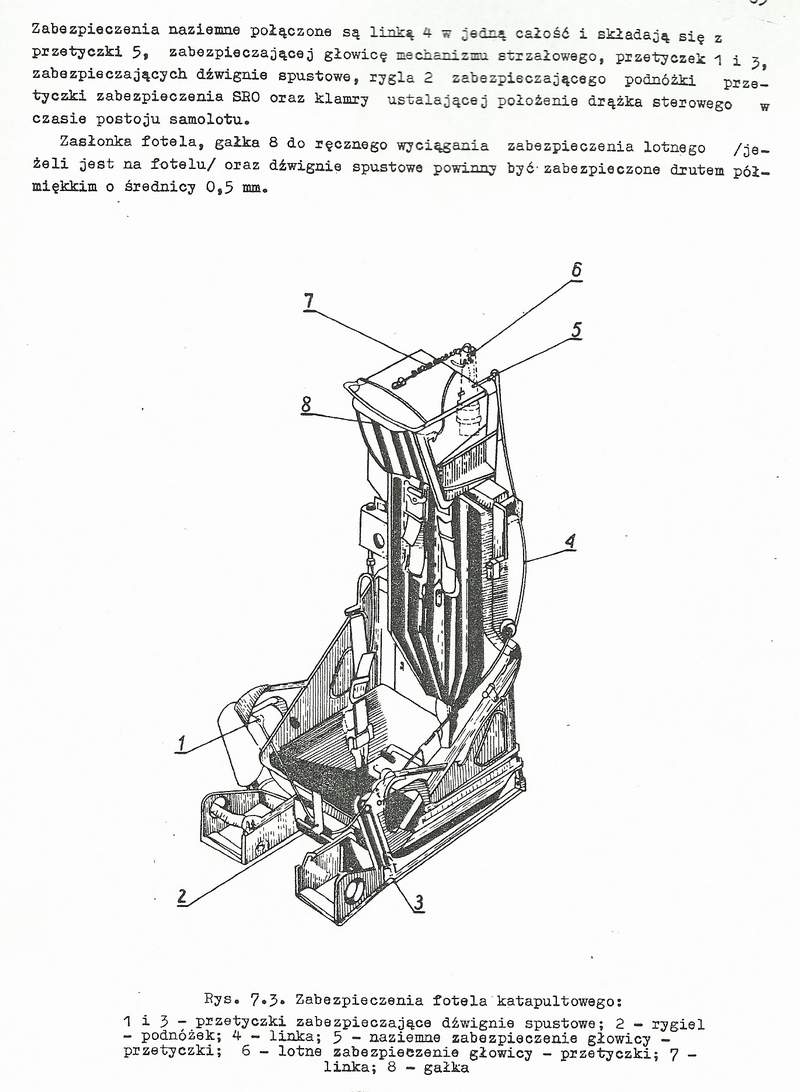
USED IN MiG-17, Lim-5, Lim-6 AIRCRAFT, AND IN THE TS-11 Iskra PROTOTYPE AND EARLY PRODUCTION SERIES.
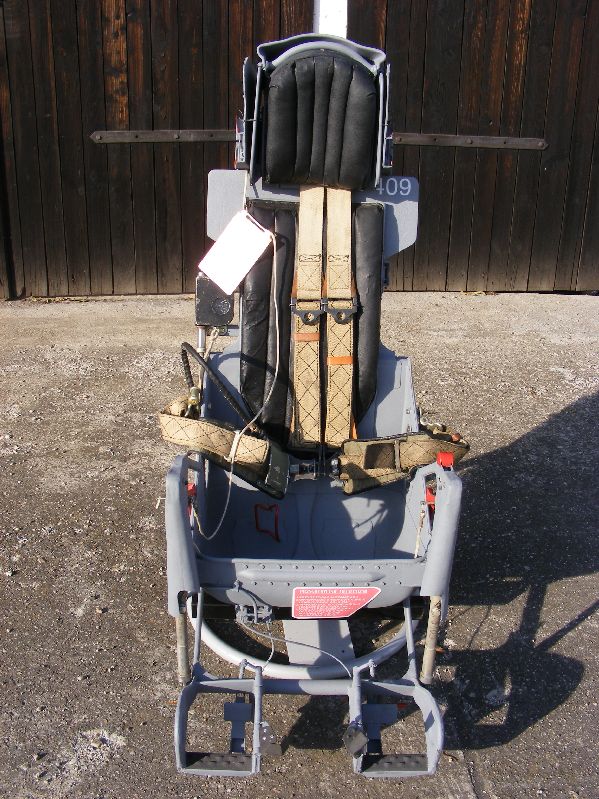
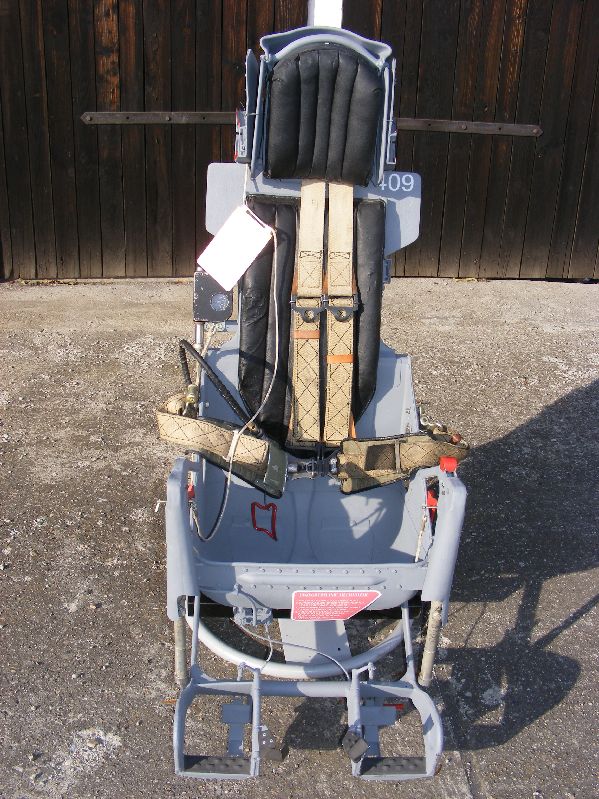
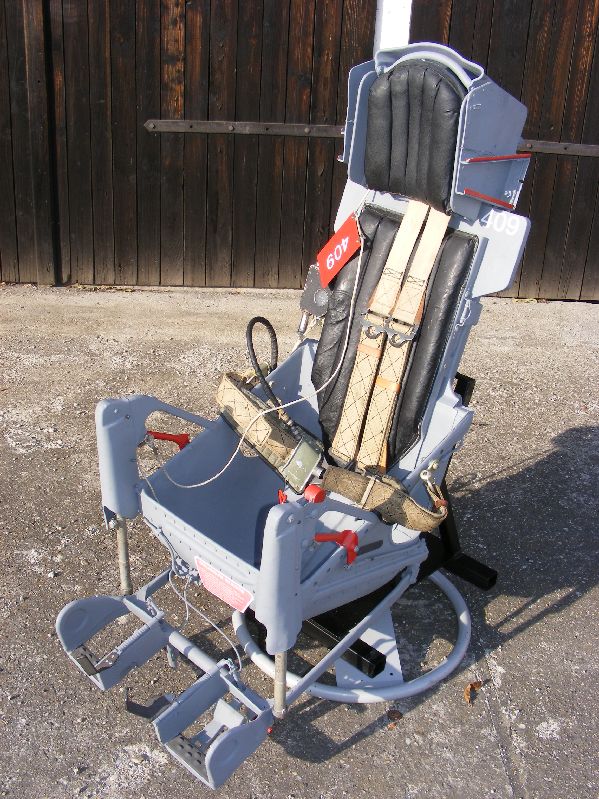
Seat frame from a Lim-6bis aircraft, serial no. 1J-0409, side number 409,
built ??.03.1963. It served with the 53rd Fighter-Attack Aviation Regiment; the fate of the aircraft is unknown to me.
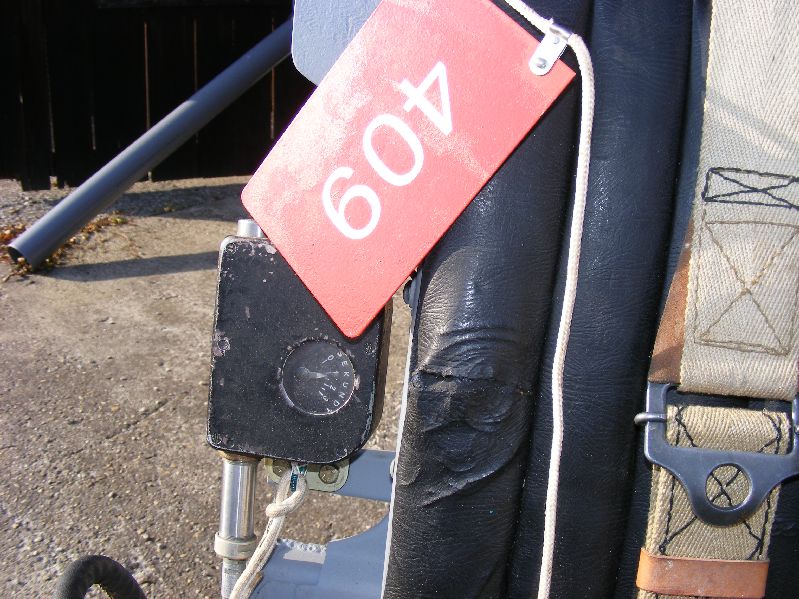
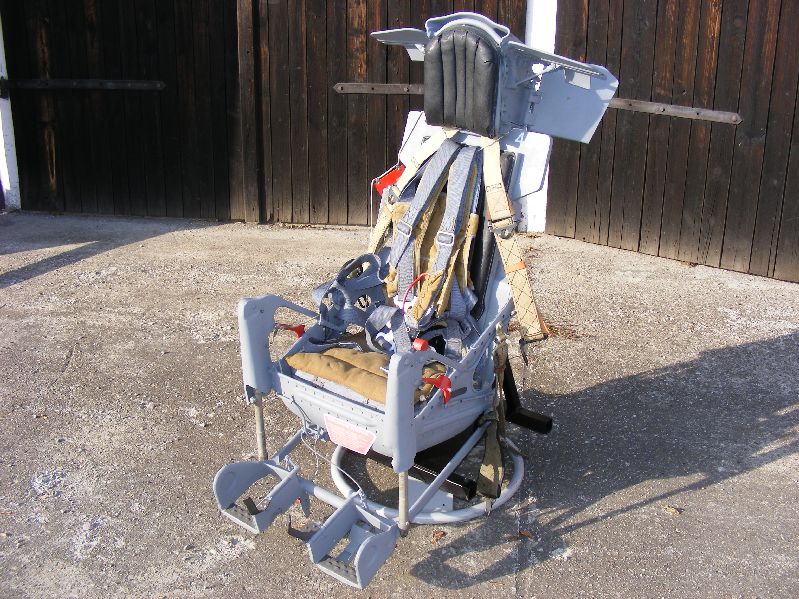
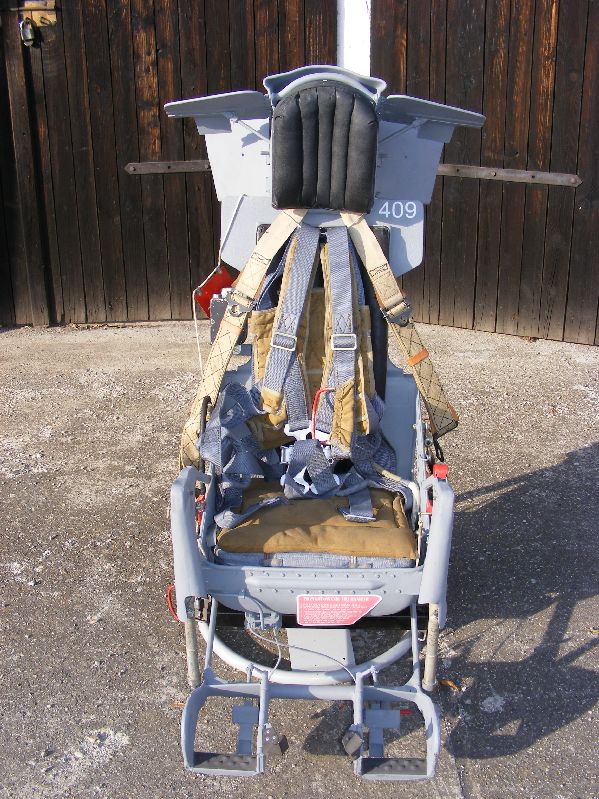
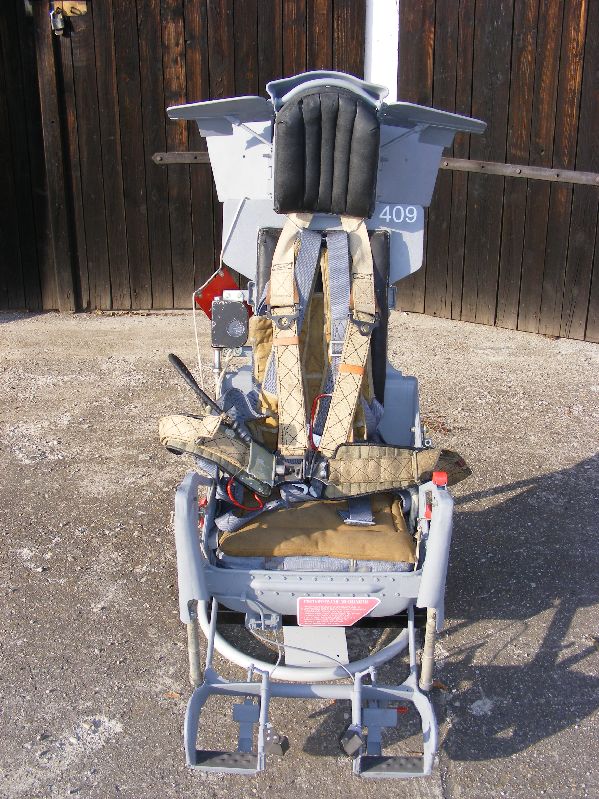
It comes from a MiG-21F; aircraft of this type were not used by the Polish Air Force. The seat has been in my collection since 2011 and is being completed.