VS1‑BRI EJECTION SEAT
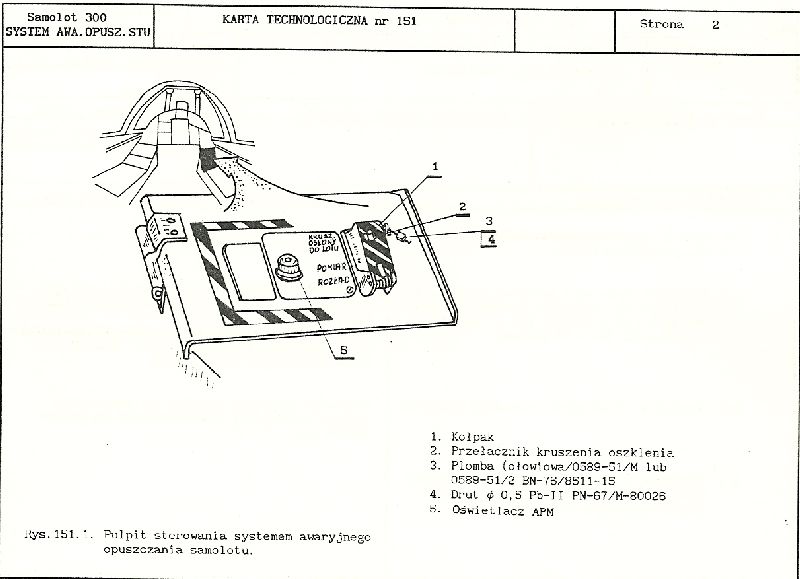
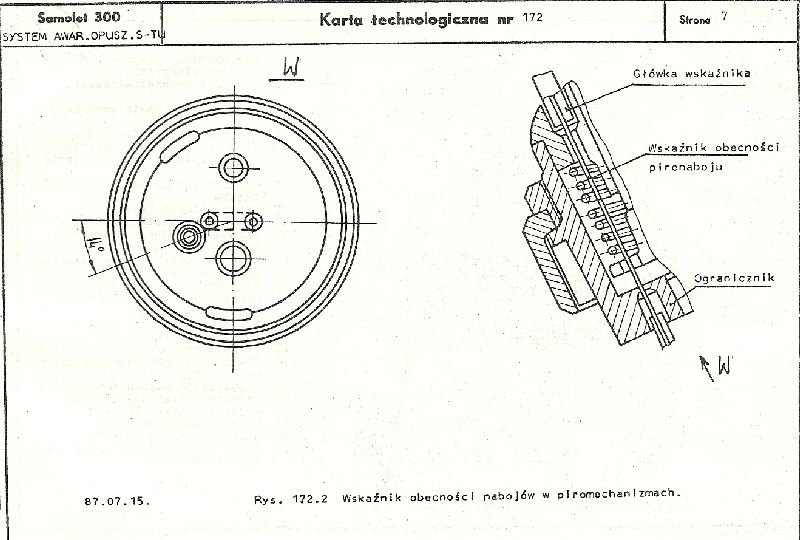
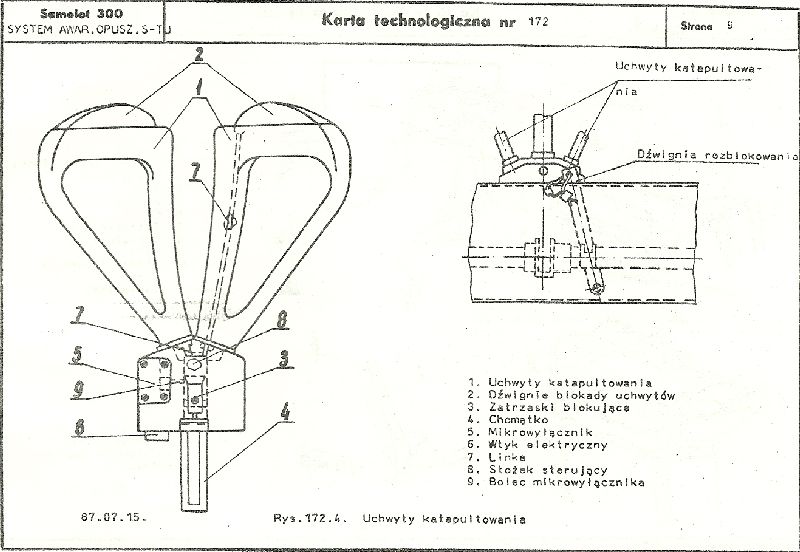
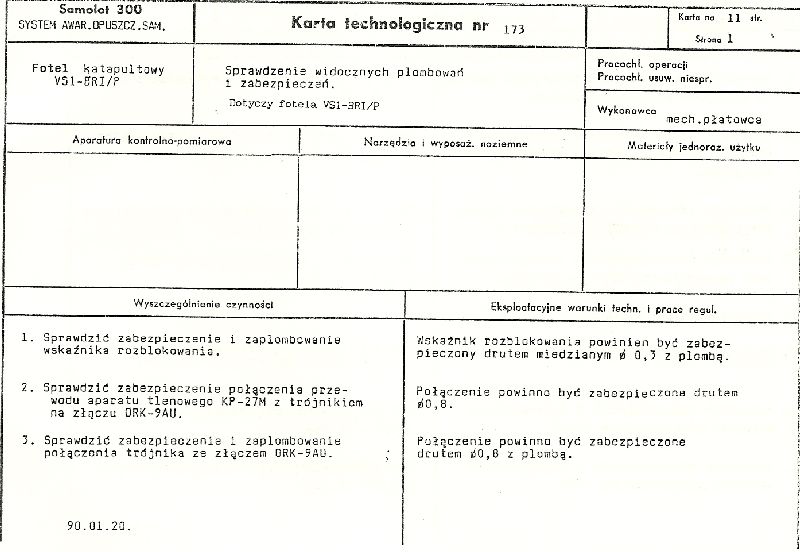
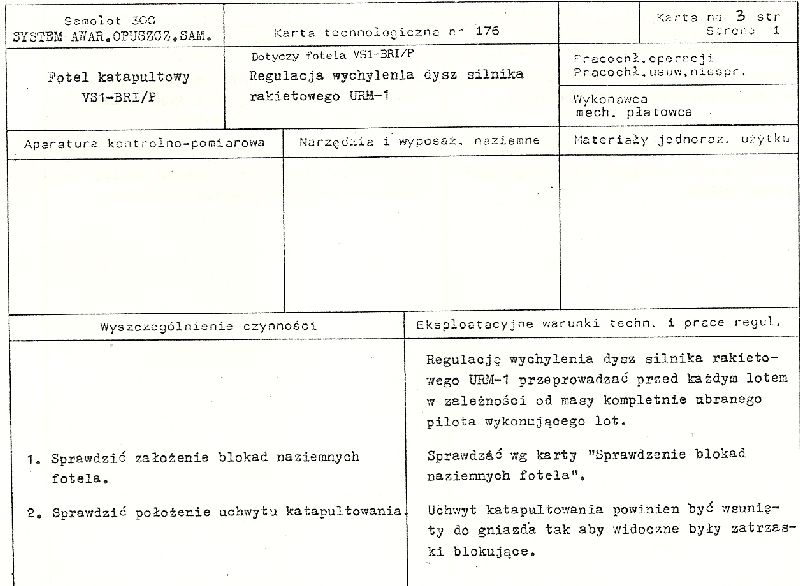
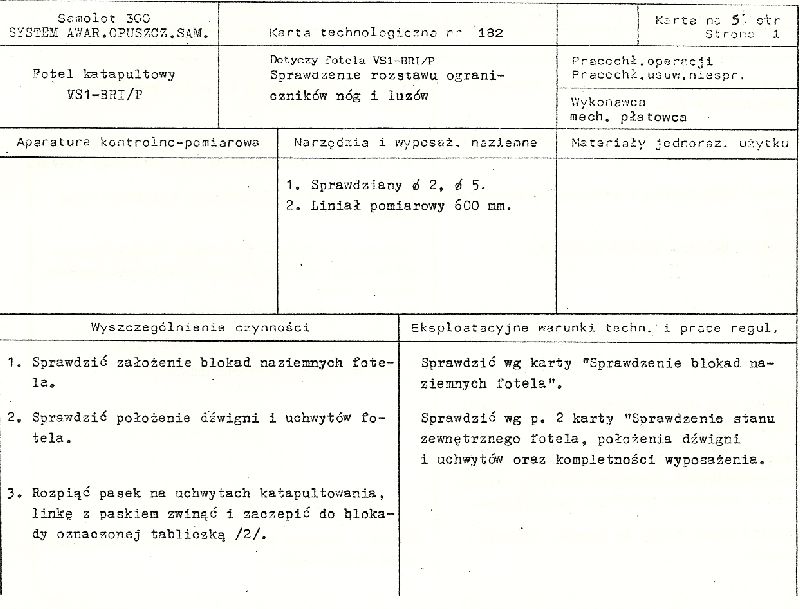
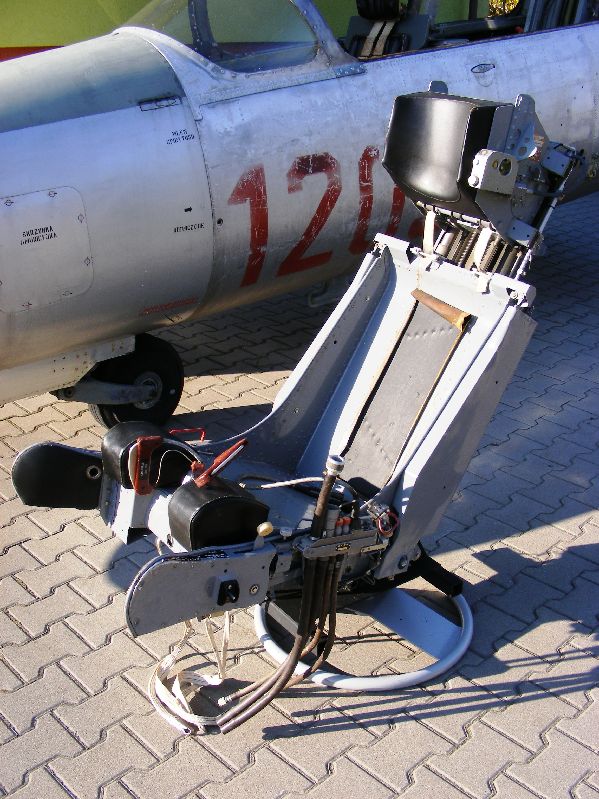
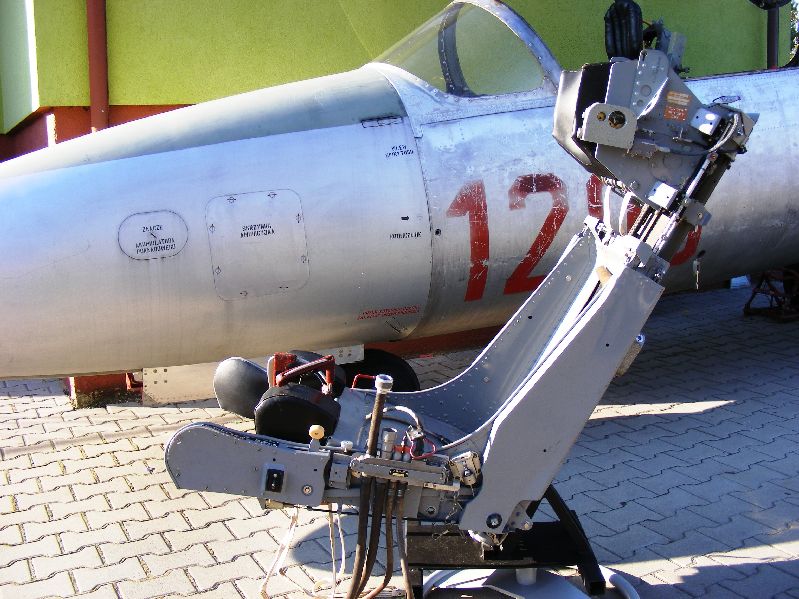
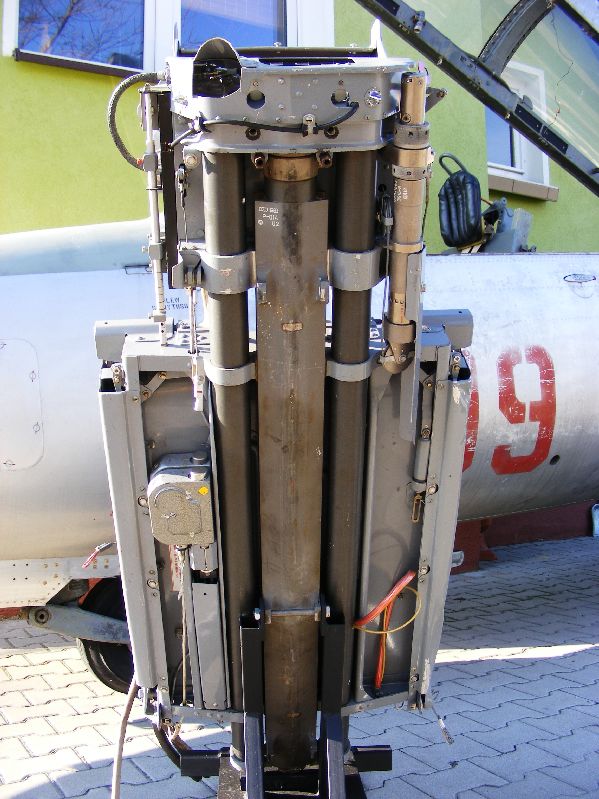
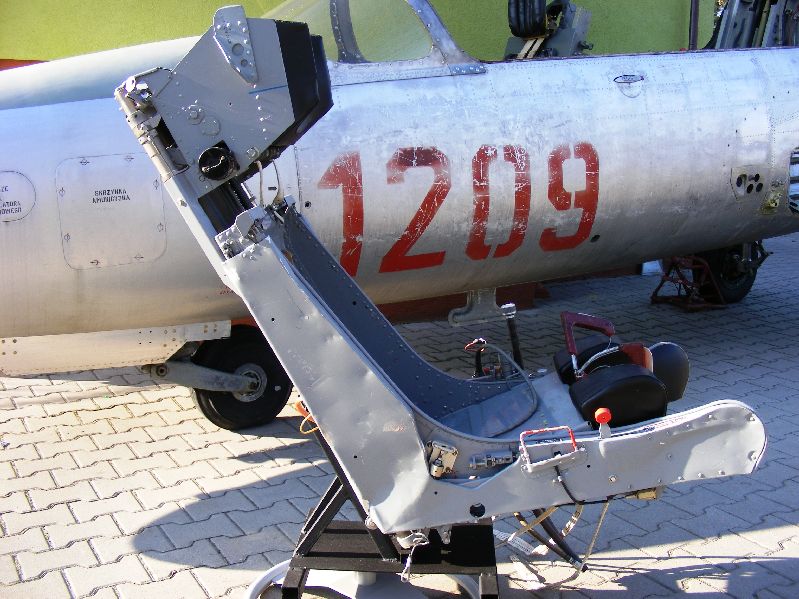
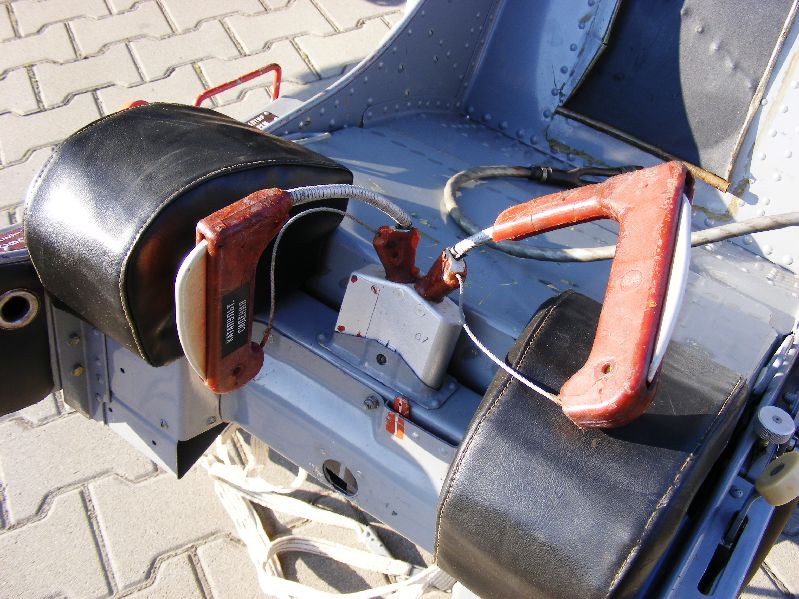
A seat designed and built in Czechoslovakia. It was intended for the L‑39 “Albatros” and for the first models of the PZL I-22 Iryda. It was tested in 1970 on the L‑39 X‑03 prototype (ejection at H=0 and V=100-150 km/h) through the canopy glazing. The seat was operated and used in service. It saves the crew’s lives when the aircraft is stationary, when the speed drops below the permissible value, during take-off and landing, and at various engine settings. The lowest indicated airspeed for safe ejection is 100-150 km/h at a height of 0 m above airfield level. The seat has safeguards against ejecting while the canopy is closed. However, it is possible to eject through the canopy if it fails to jettison. In that case the seat shatters the glazing without injuring the pilot. The crew can leave the aircraft in any order. Mutual interlocking of the seats prevents the crew members from colliding with each other. The seat’s propulsion unit consists of a telescopic ejection gun and a rocket motor. Its power ensures a sufficiently high trajectory when rescuing the pilots across the full range of flight speeds and altitudes, during take-off and on the ground, at temperatures of ±60°C. The design of the propulsion unit allows quick and accurate inspection of all parts, especially the pyrotechnic cartridges. The gas jet from the rocket motor nozzles is directed so that it does not harm the crew members. The design of the propulsion unit rules out spontaneous firing on the ground and in the air, and it must be highly reliable. All the seat mechanisms (including canopy jettison) are activated automatically by pulling the ejection handle. The standard method of ejection with canopy jettison is backed up by ejection without jettisoning the canopy, i.e. through its glazing. Spontaneous ejection of the pilots in flight is prevented by the design of the individual mechanisms. The seat has a device which, when needed or after the automatics have operated, opens with a single movement all the locks and systems securing the pilot to the seat. The force required to operate the main and backup mechanisms does not exceed 196 N.
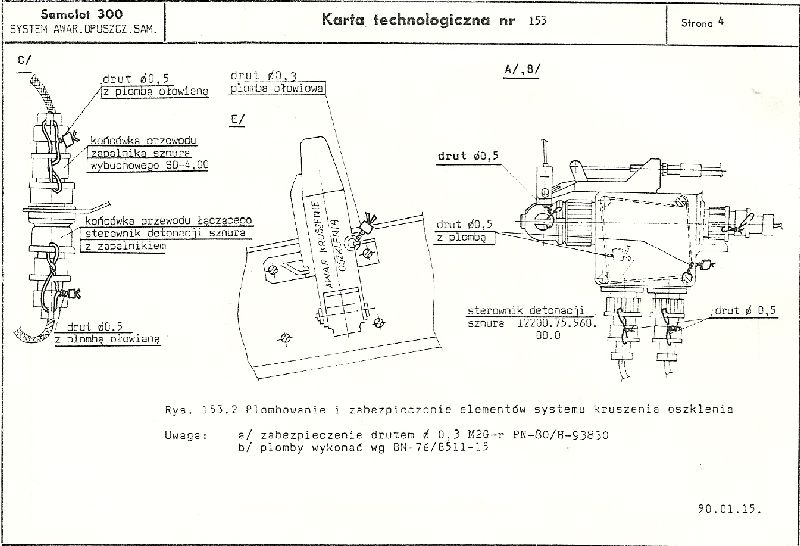
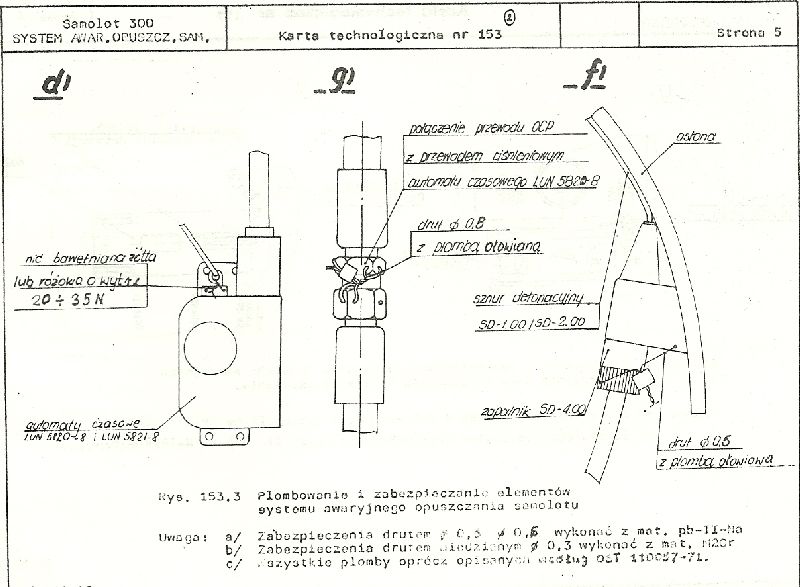
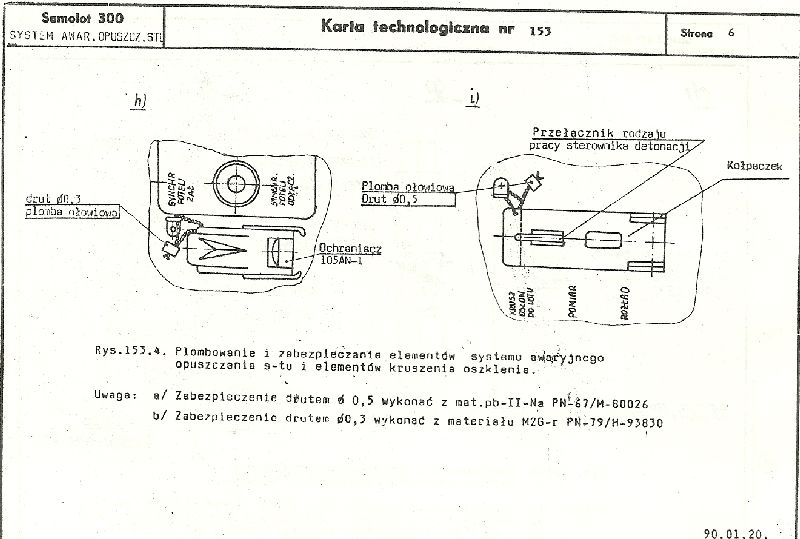
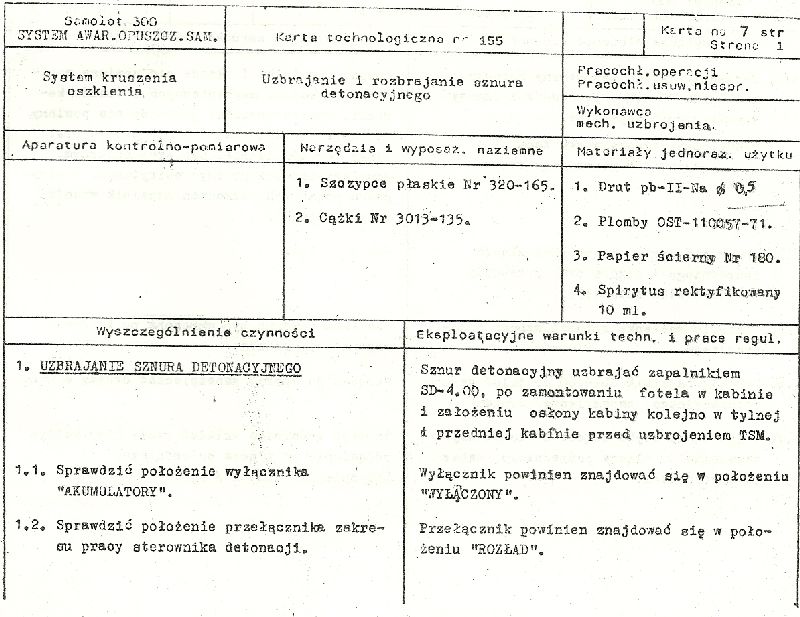
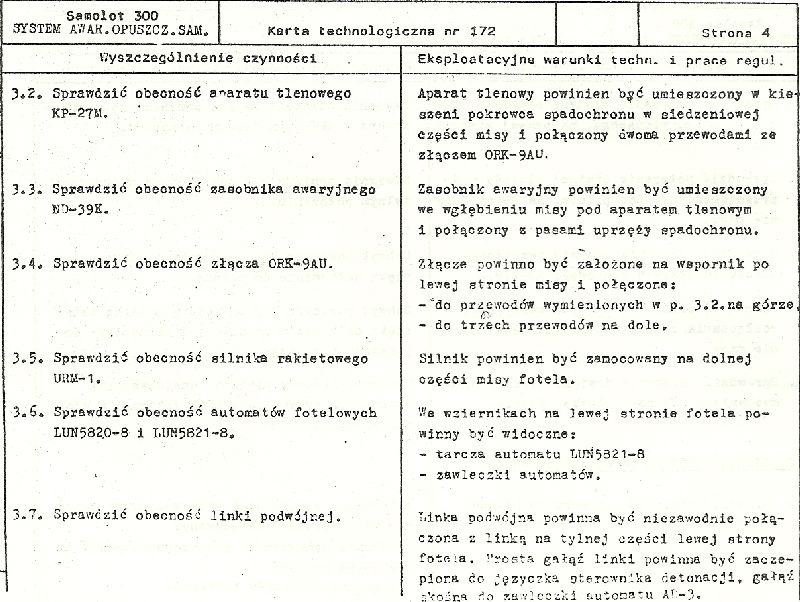
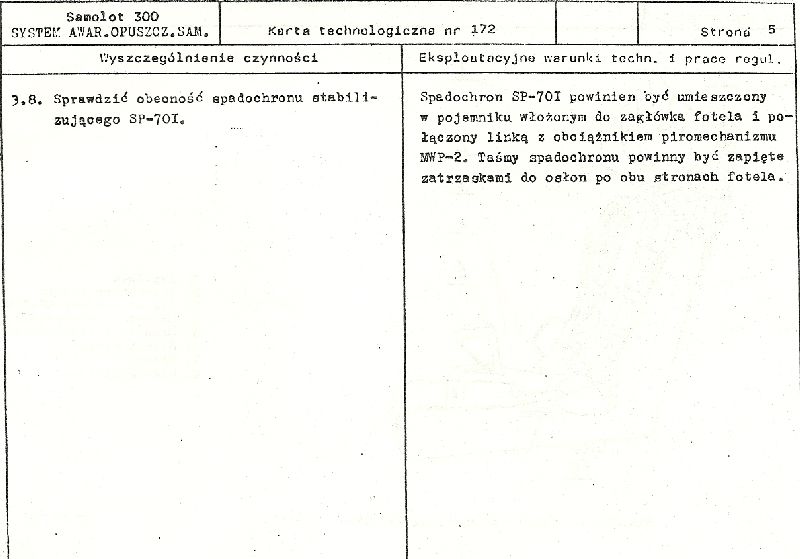
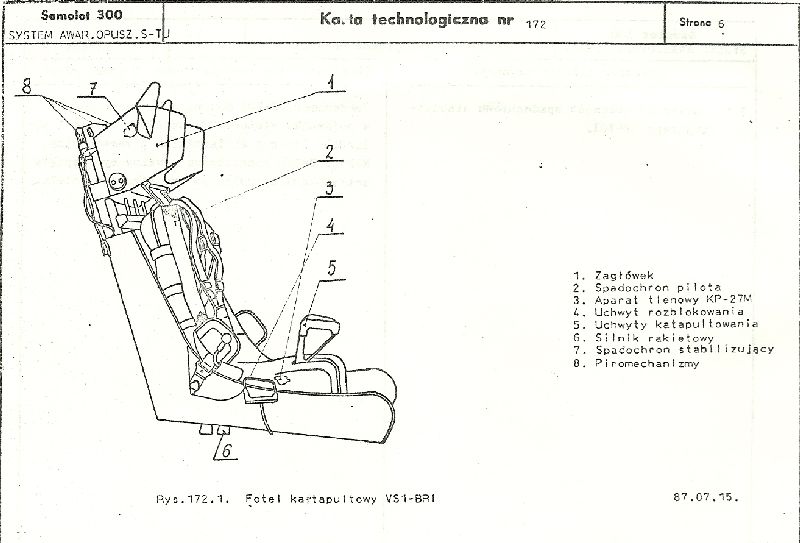
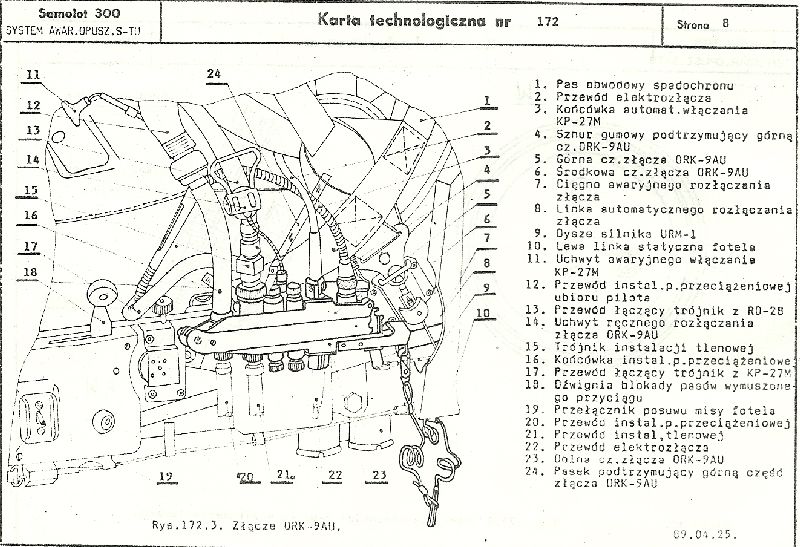
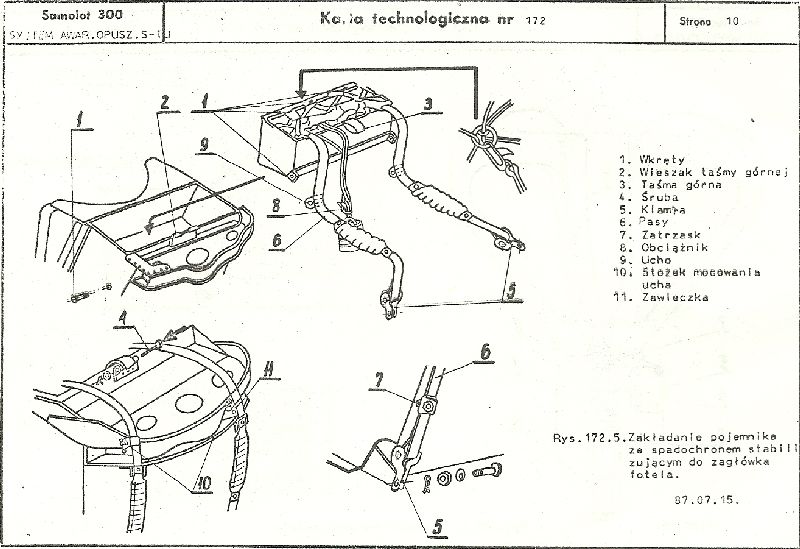
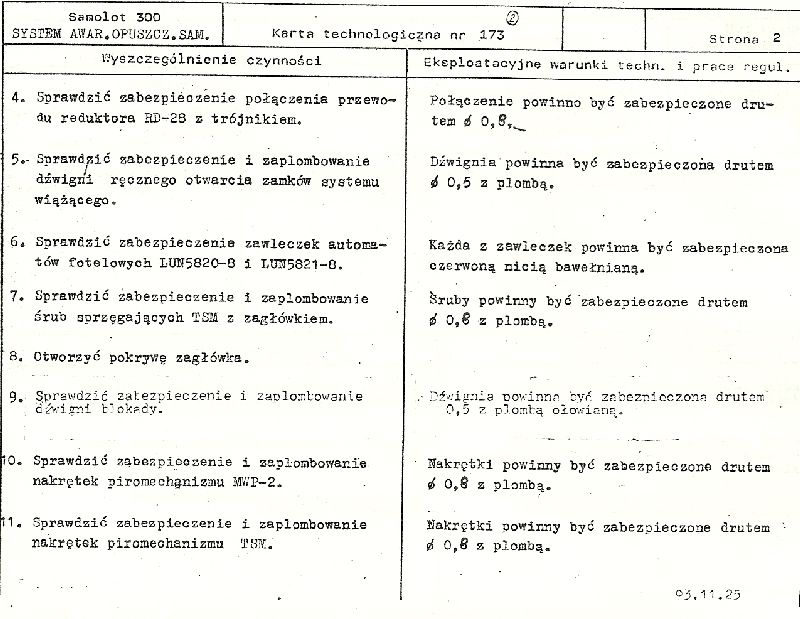
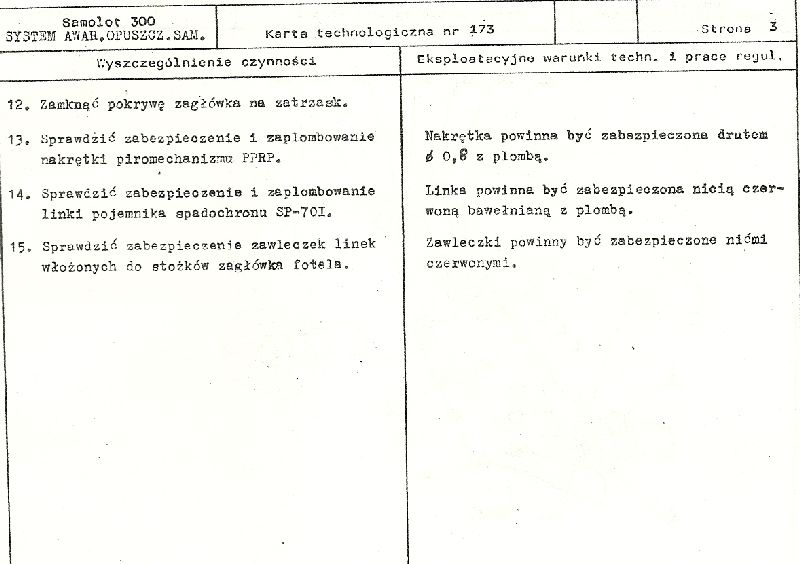
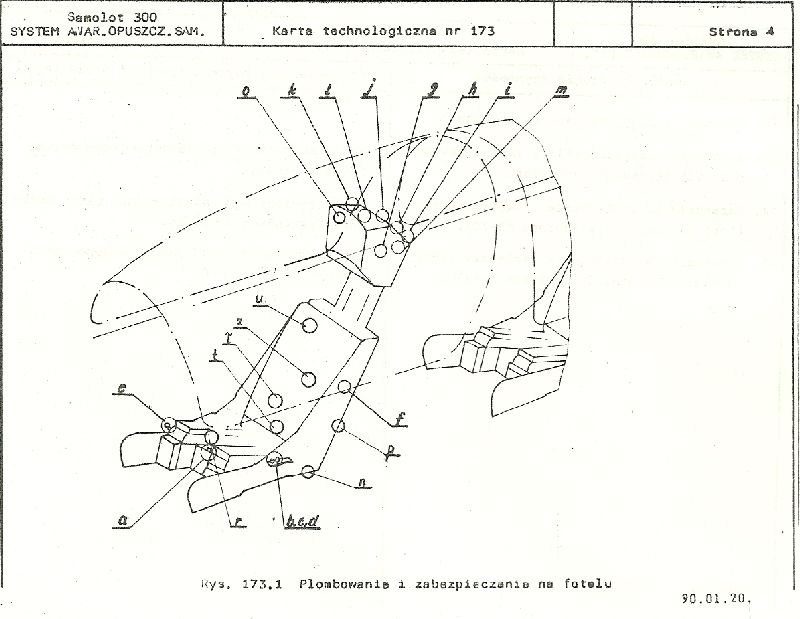
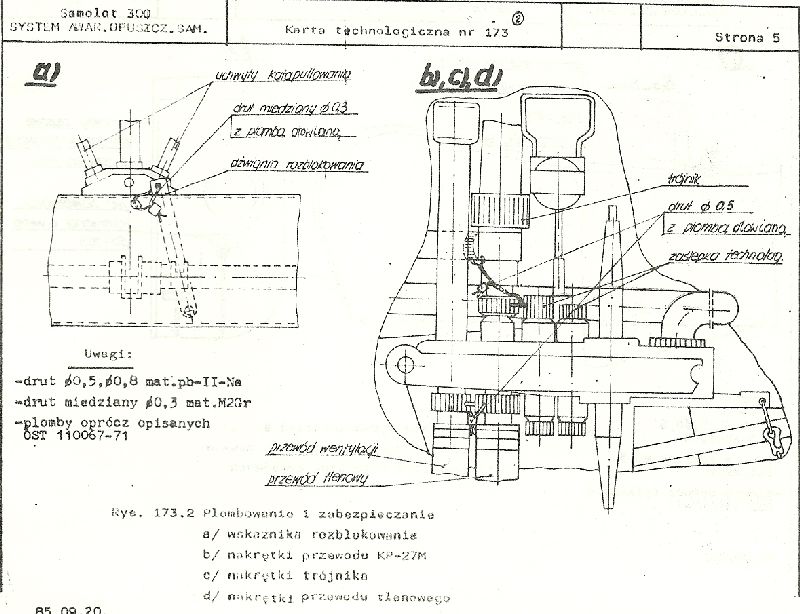
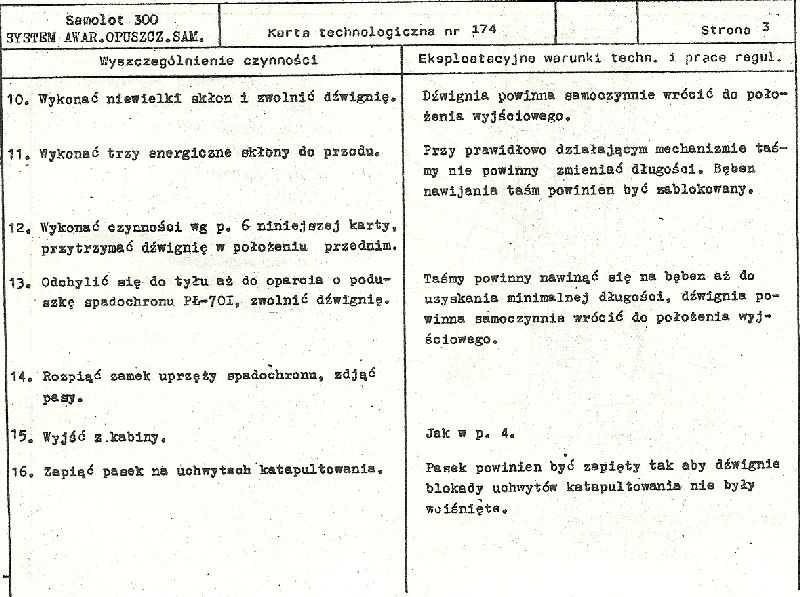
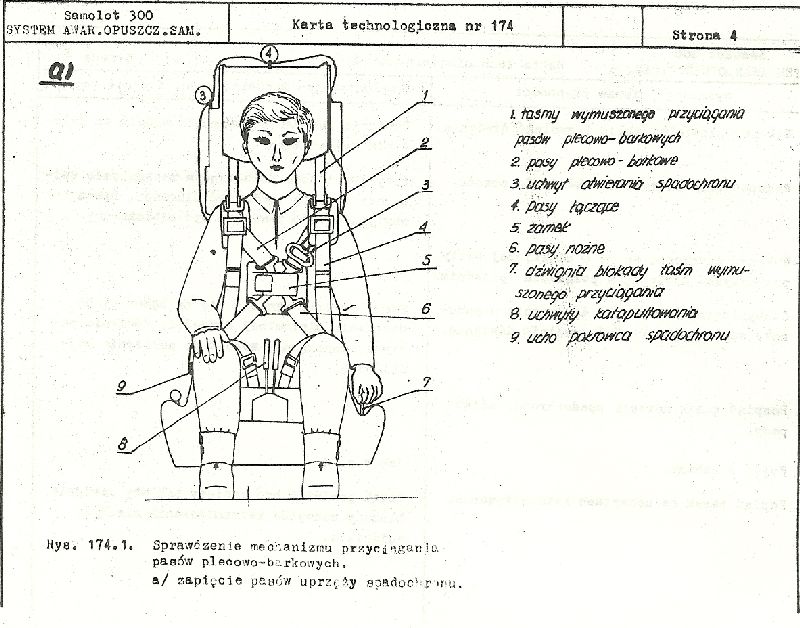
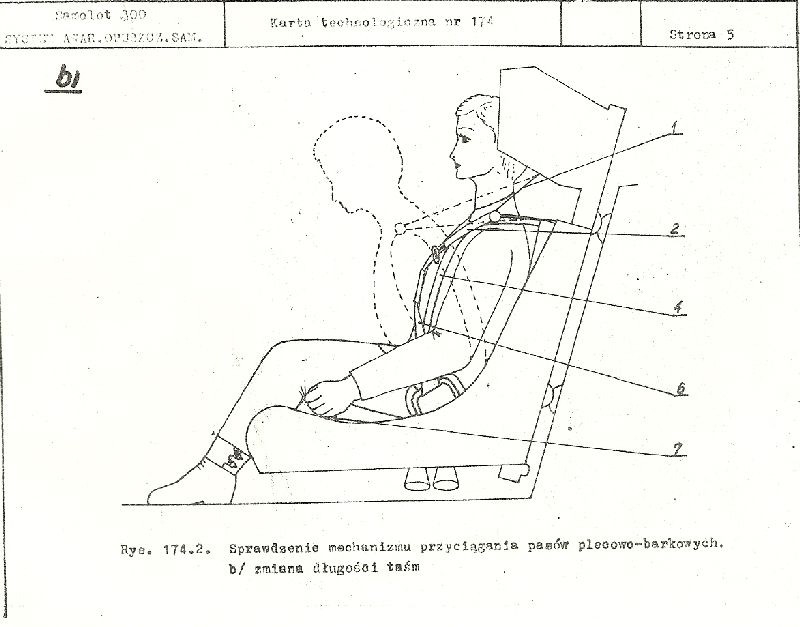
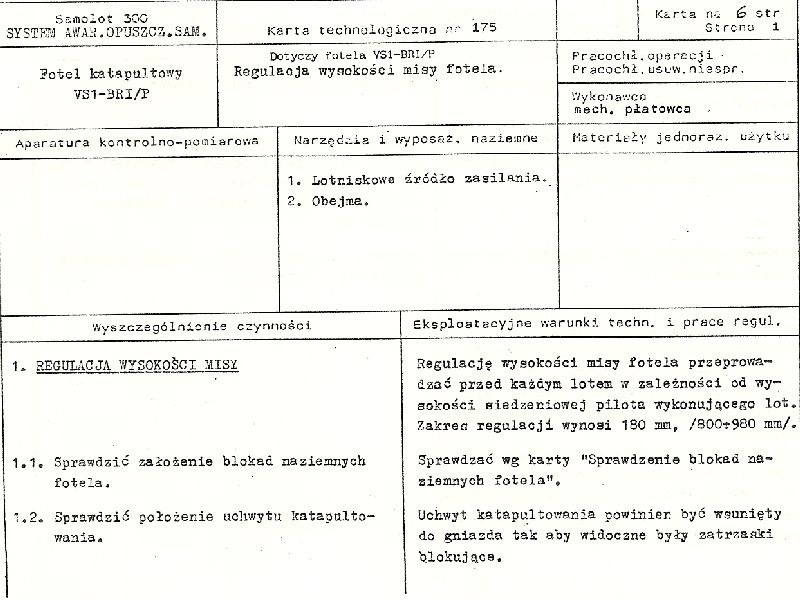
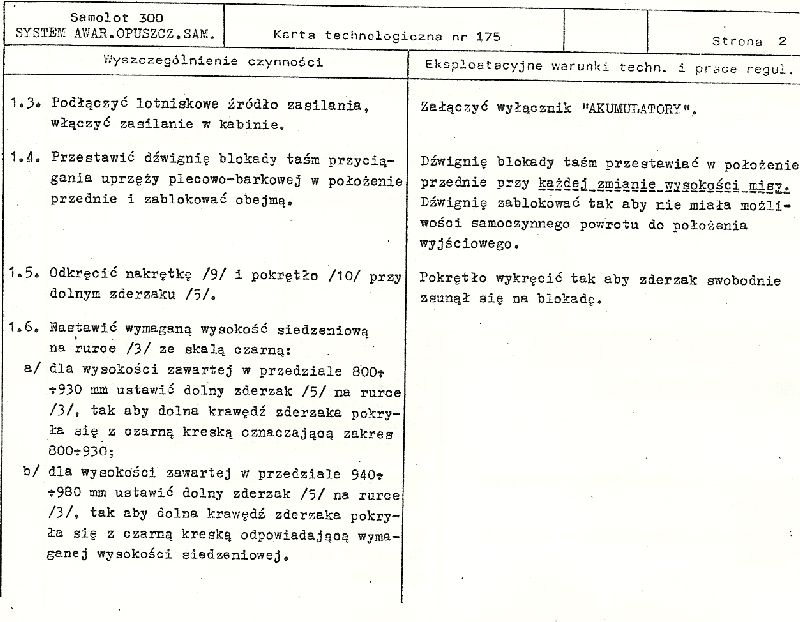
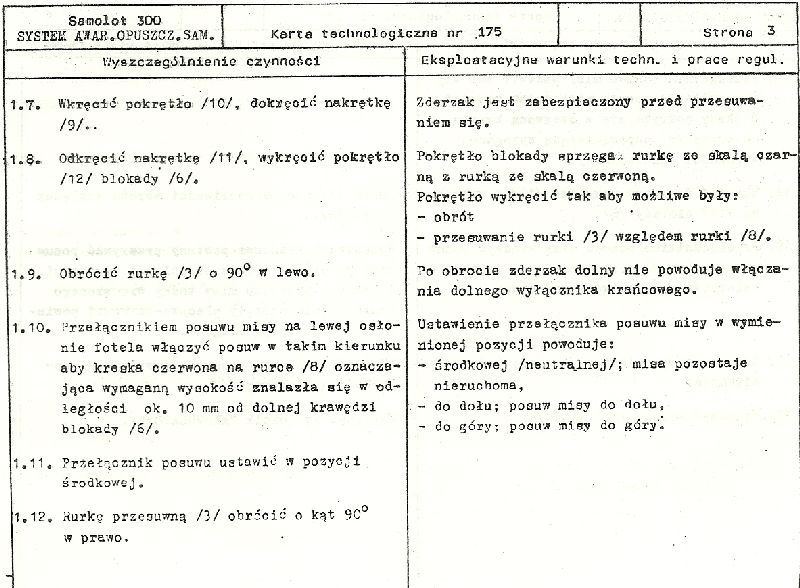
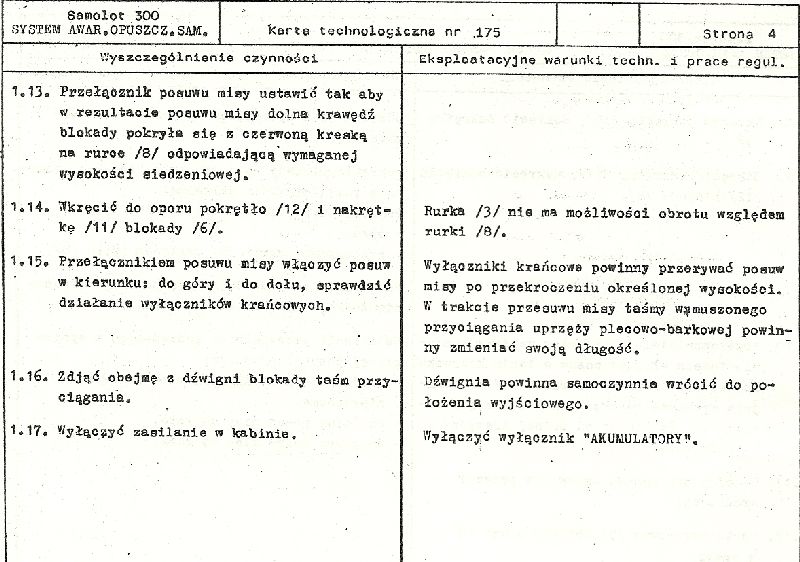
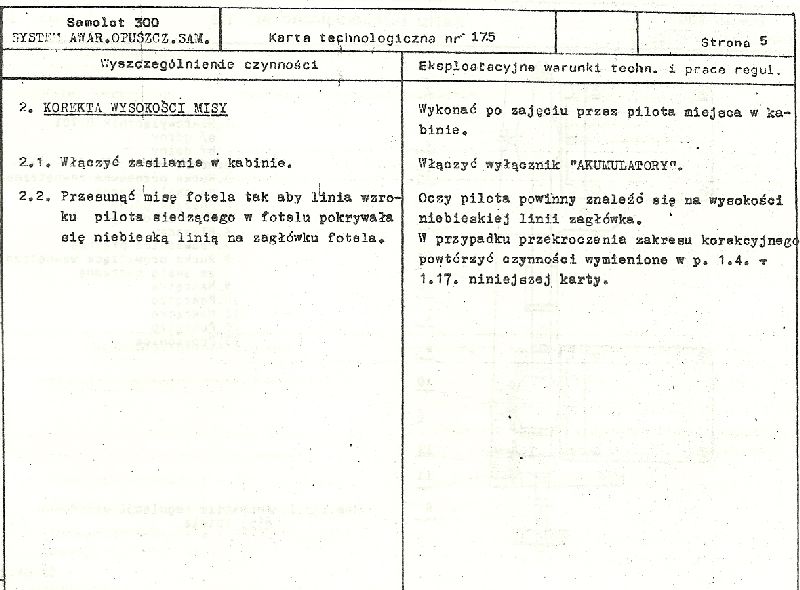
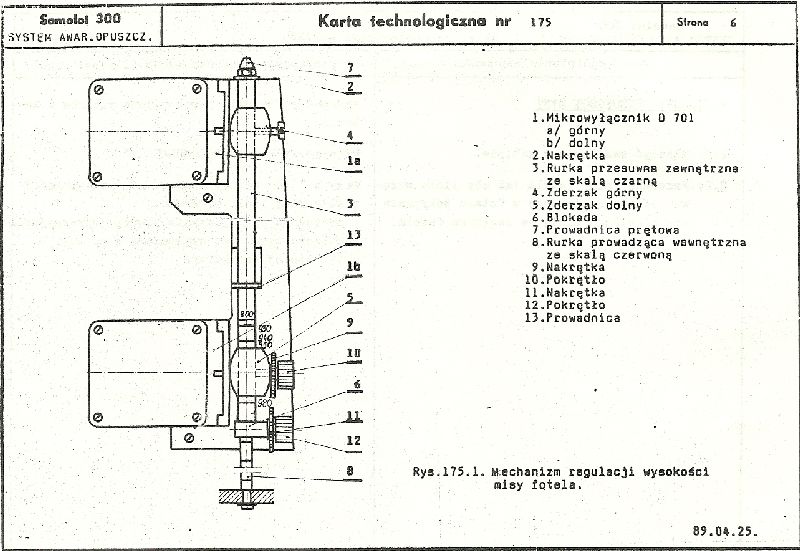
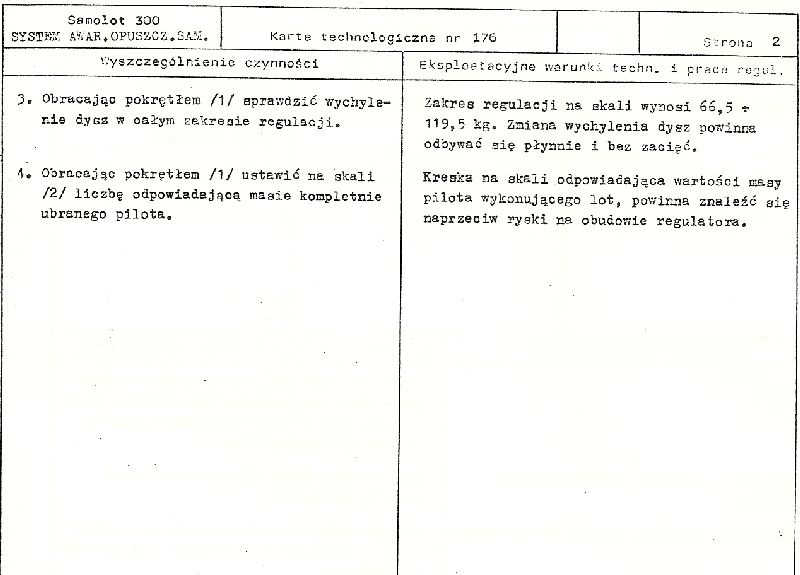
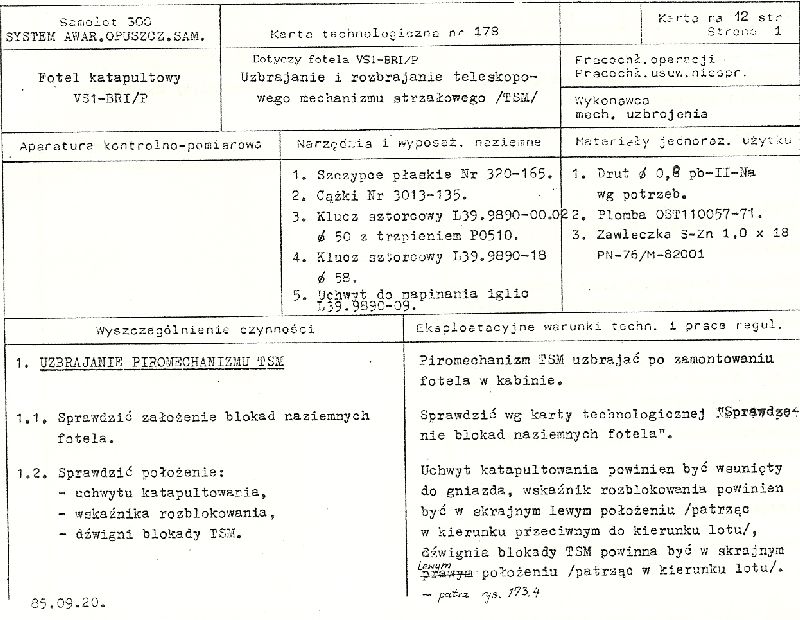
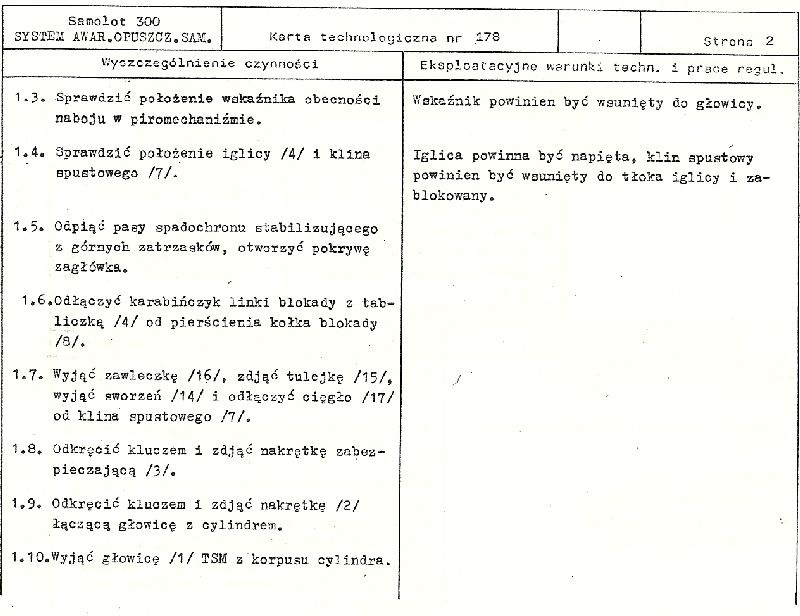
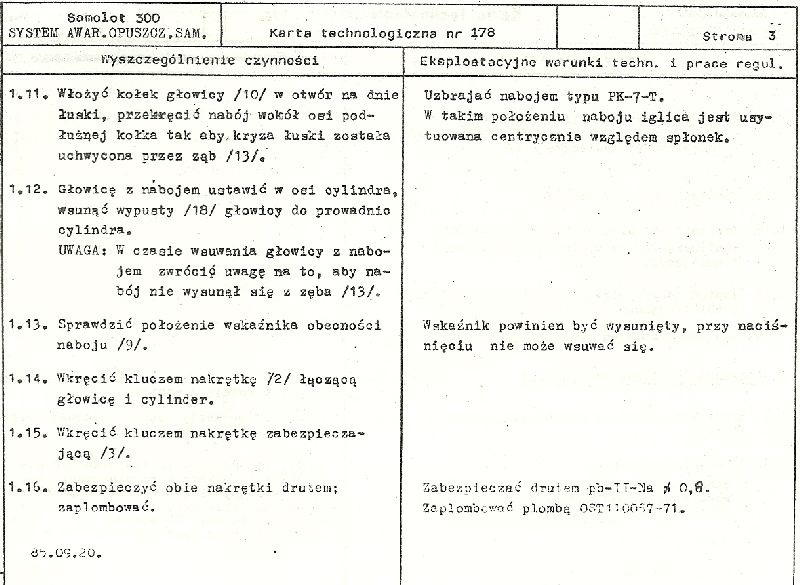
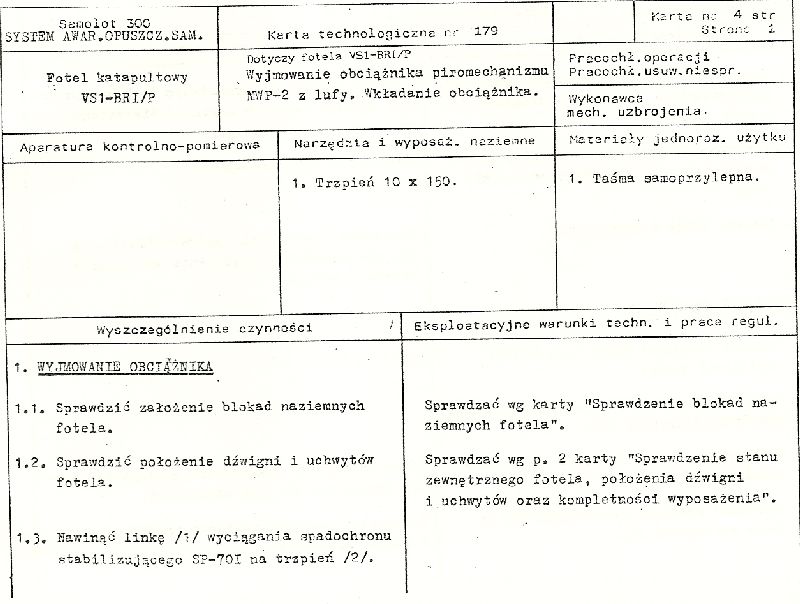
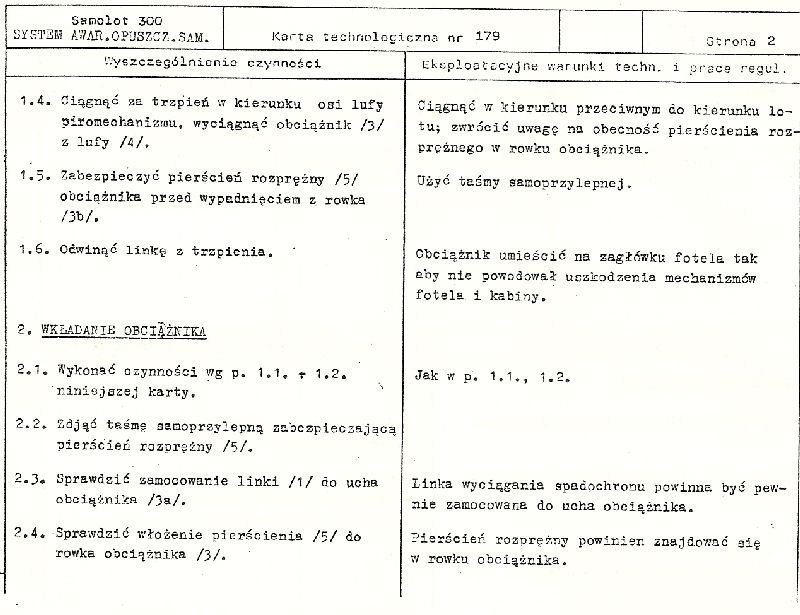
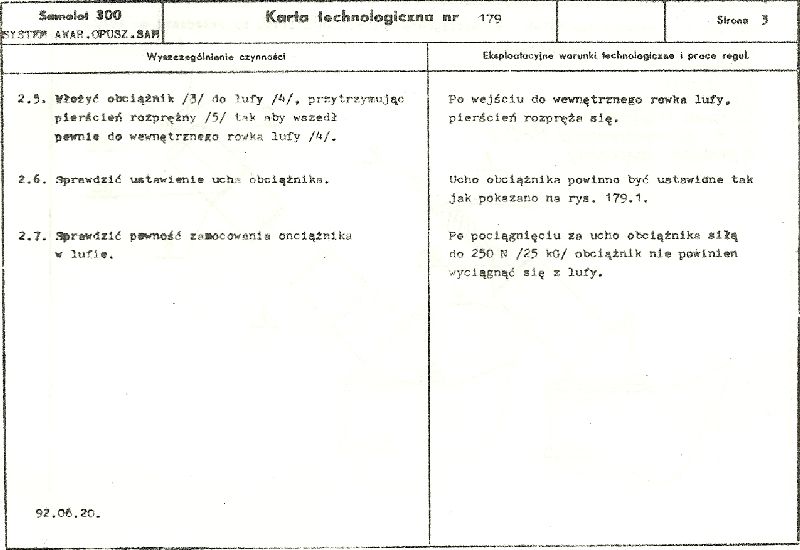
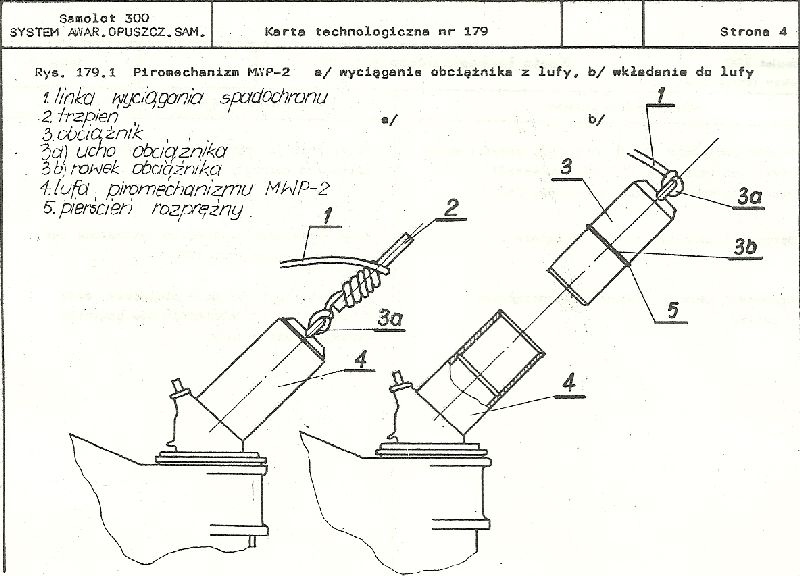
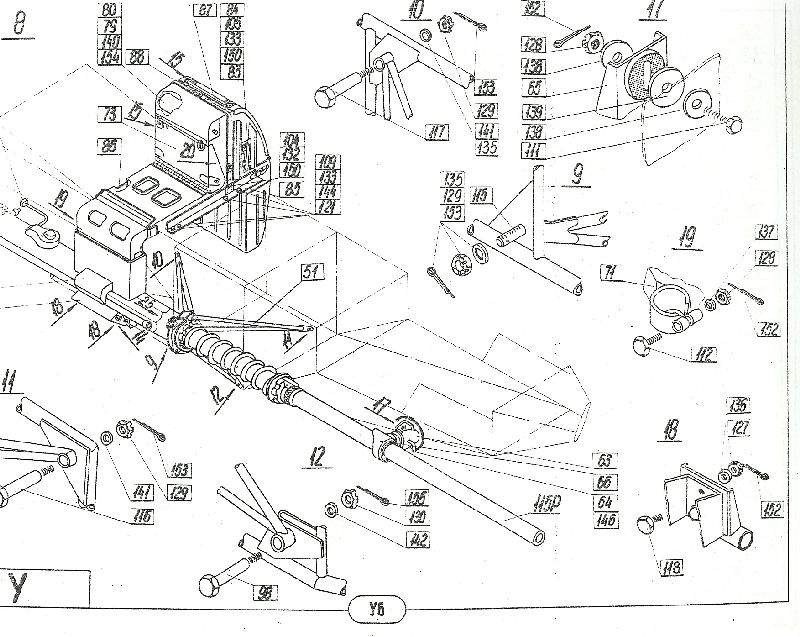
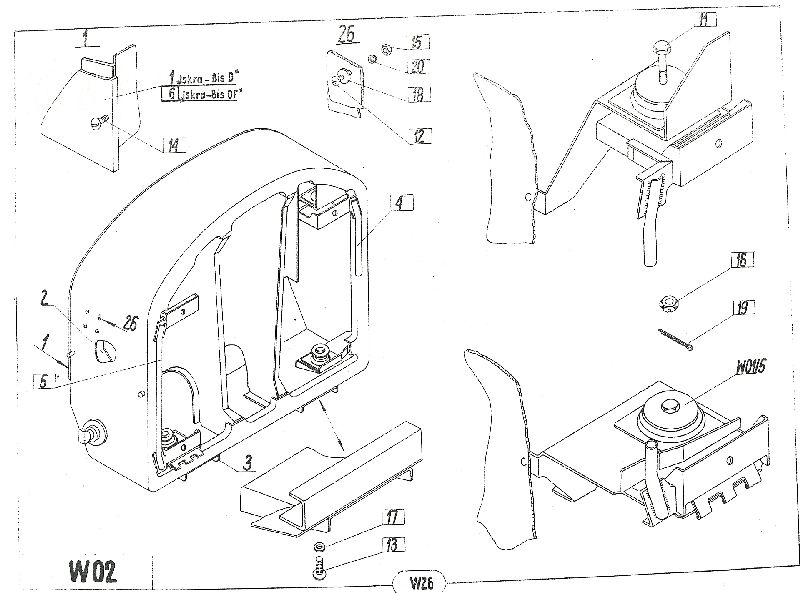
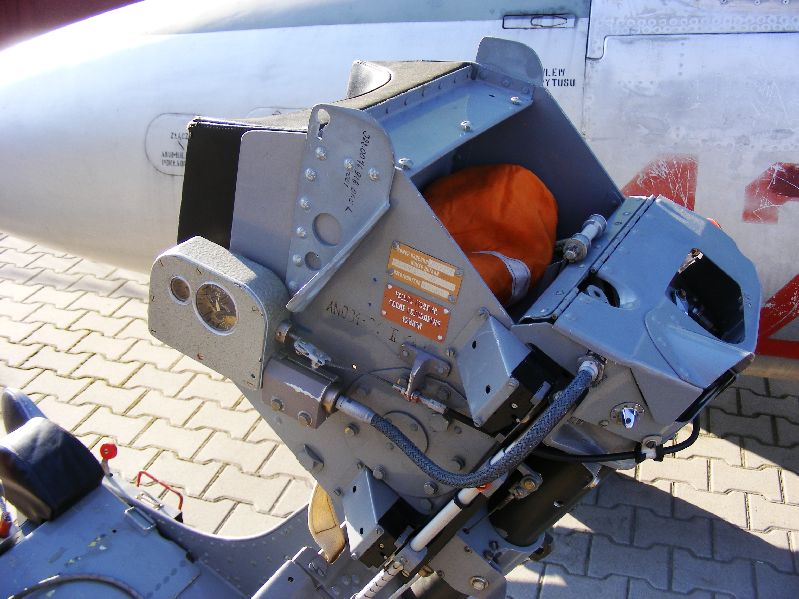
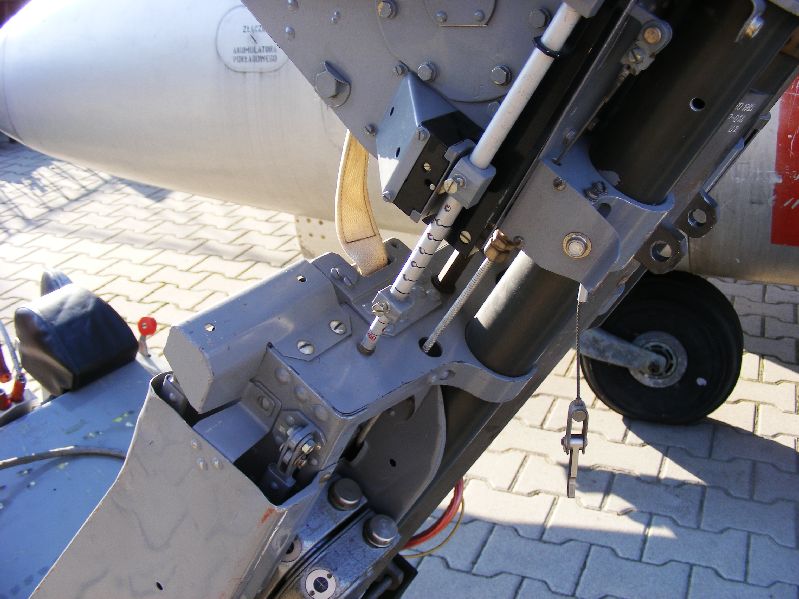
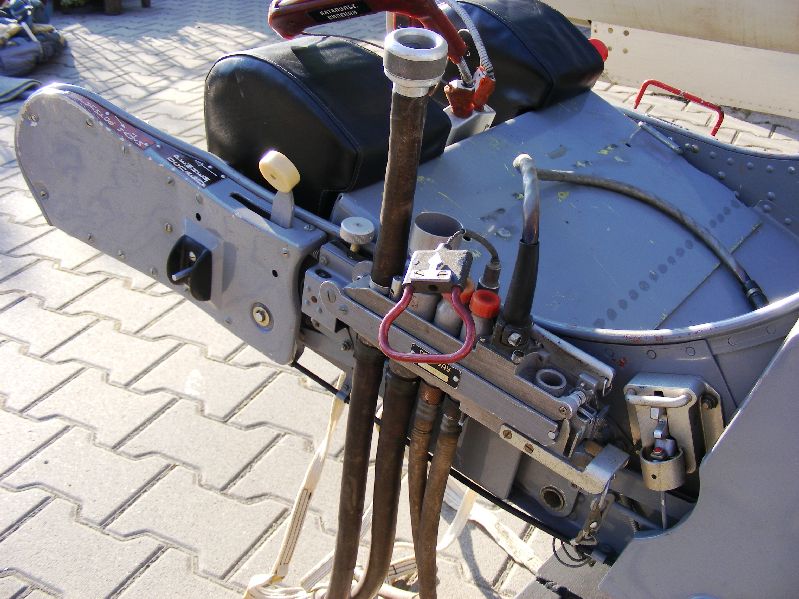
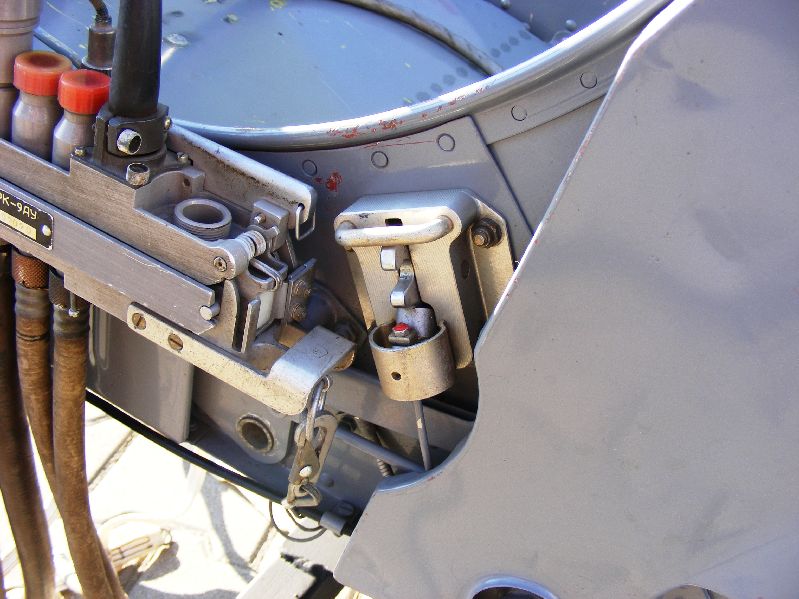
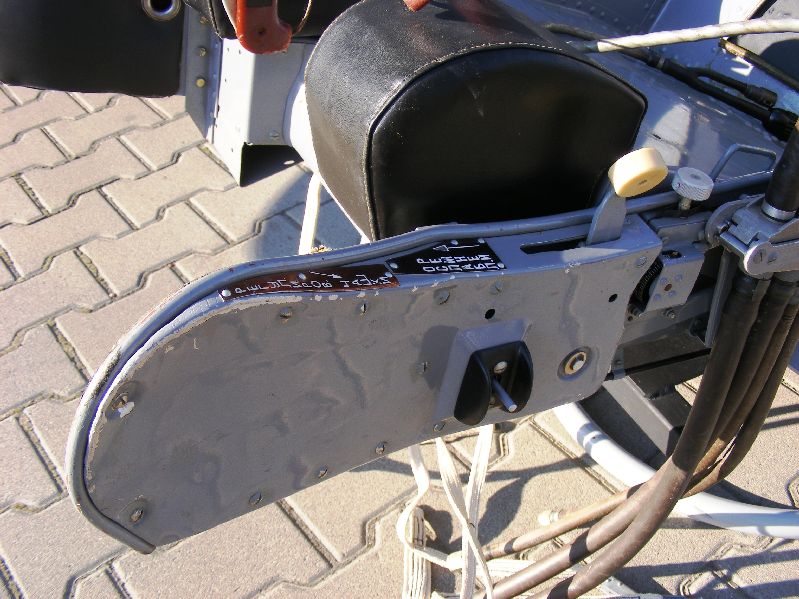
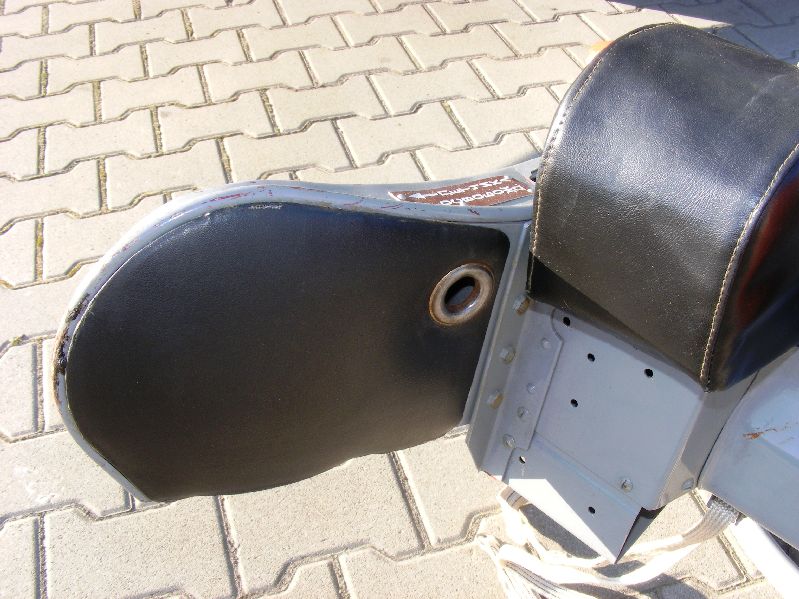
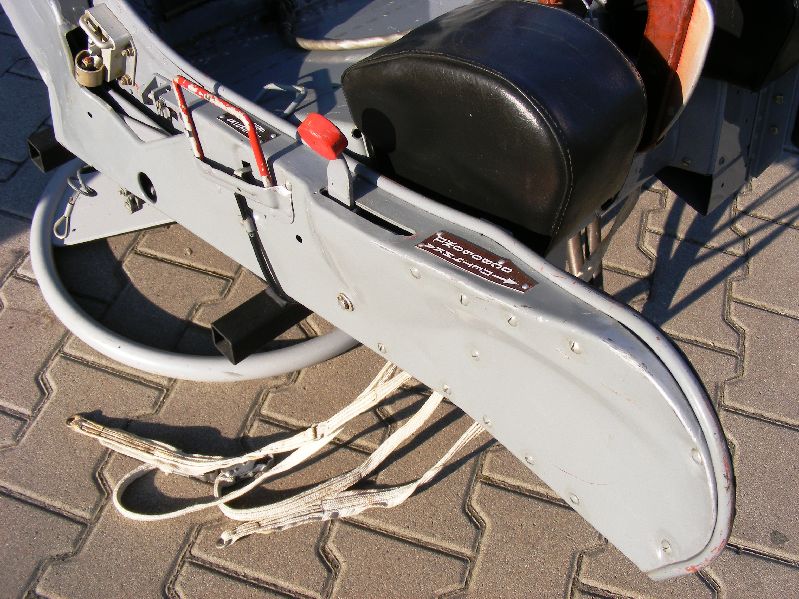
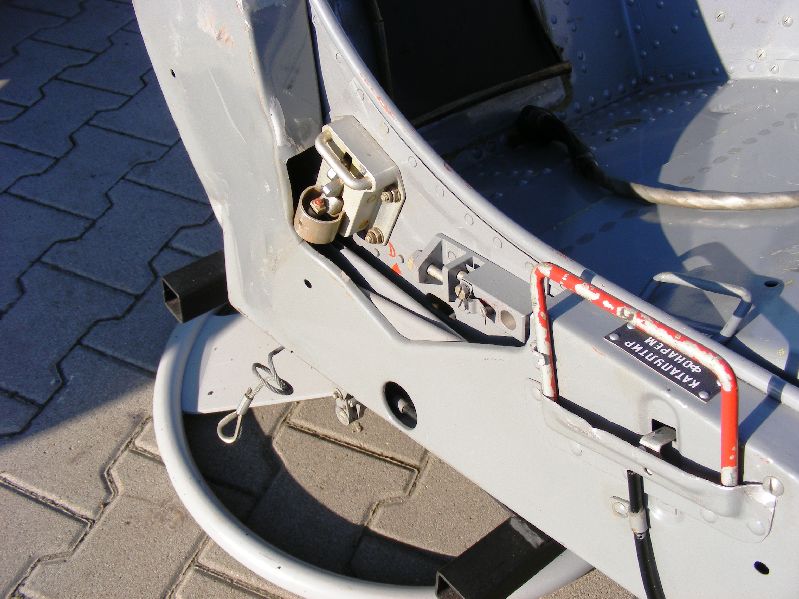
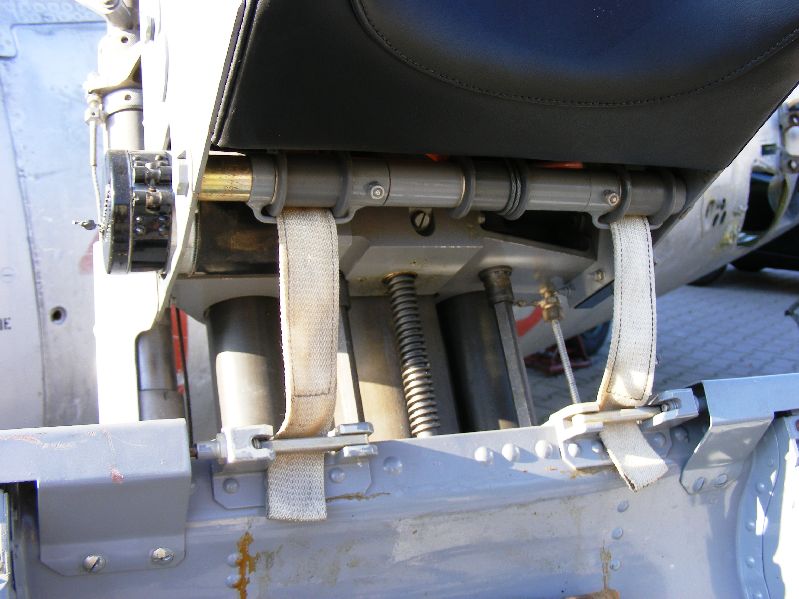
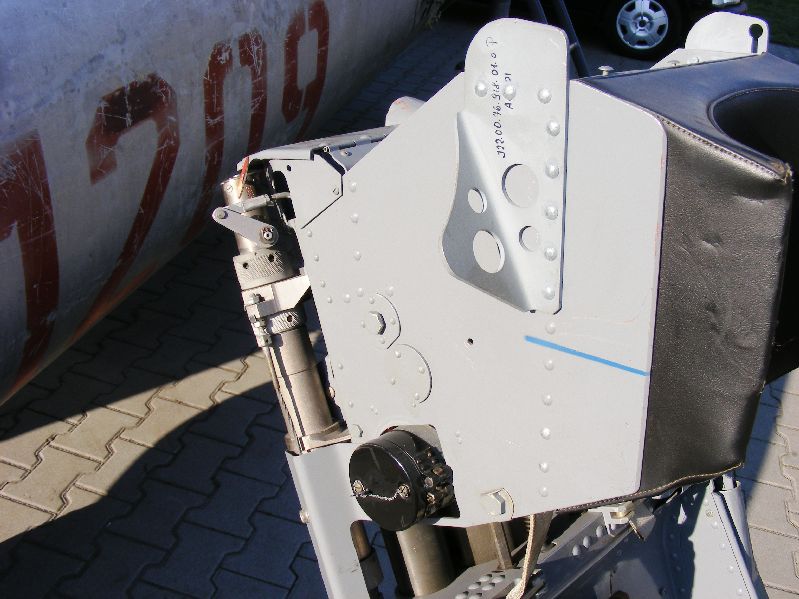
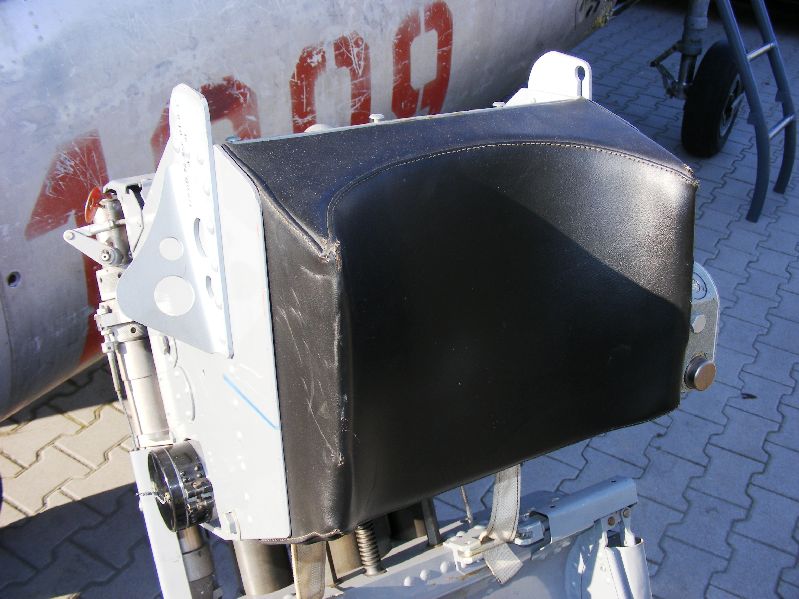
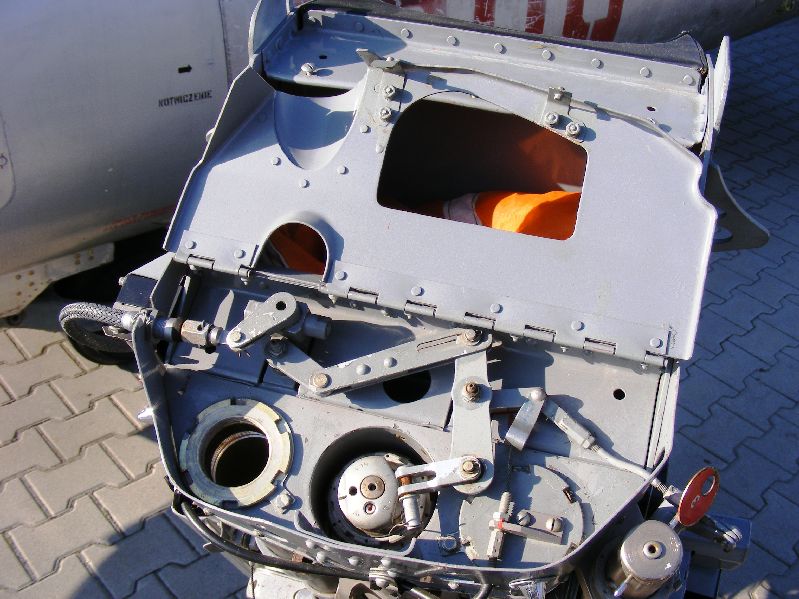
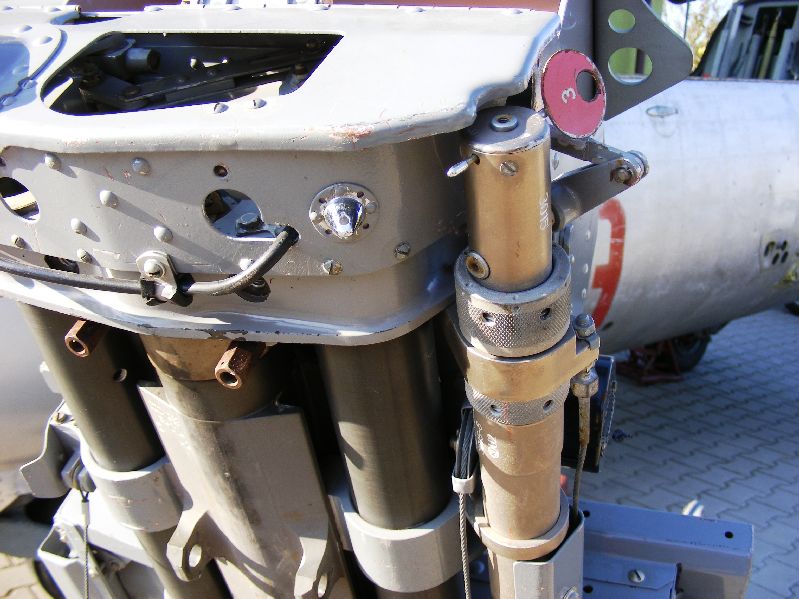
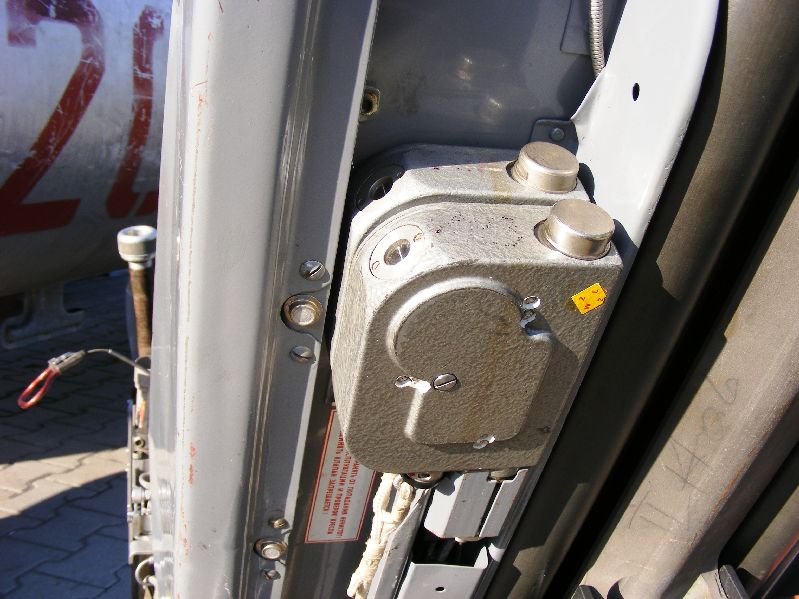
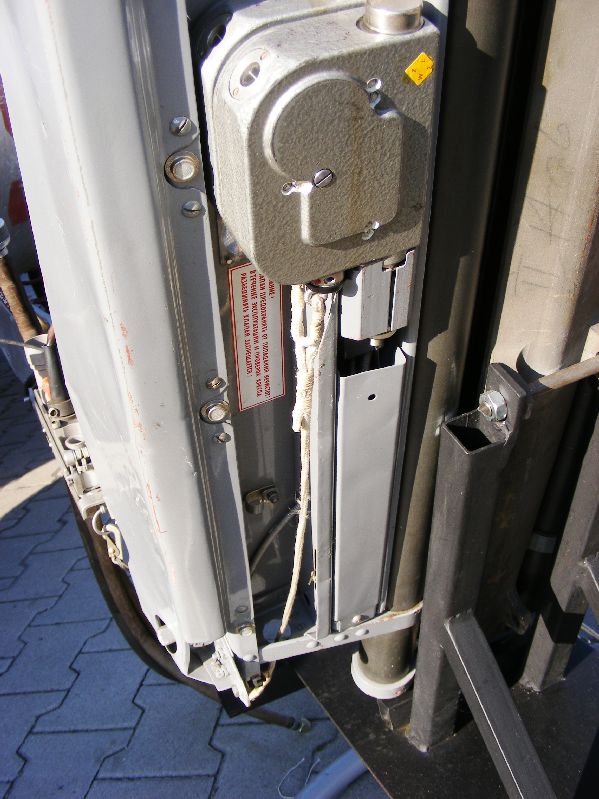
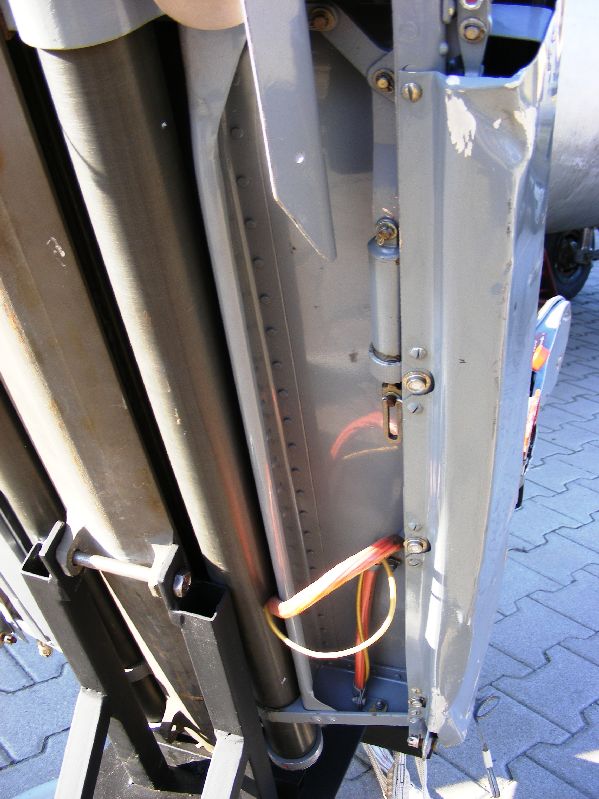
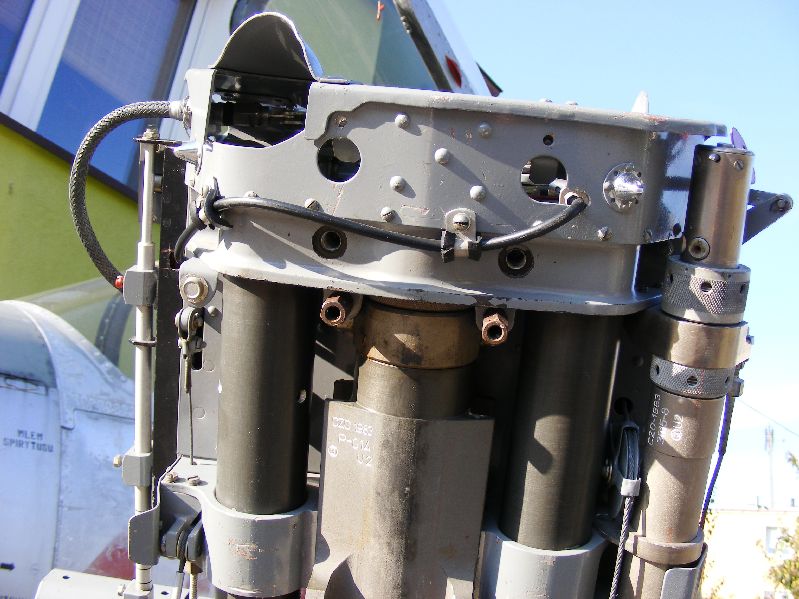
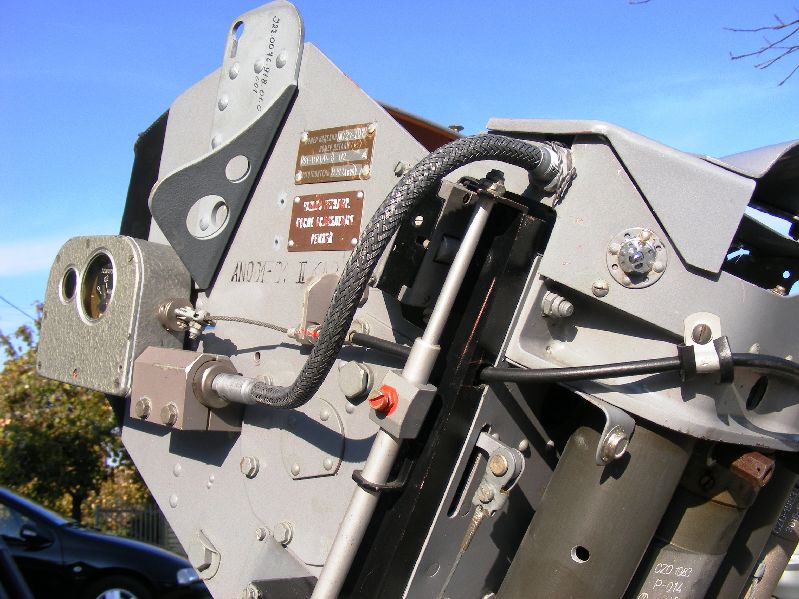
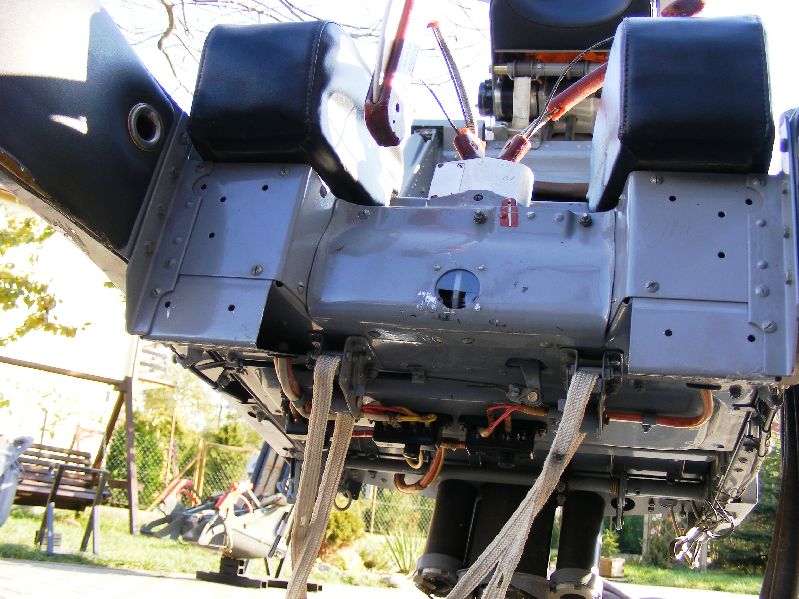
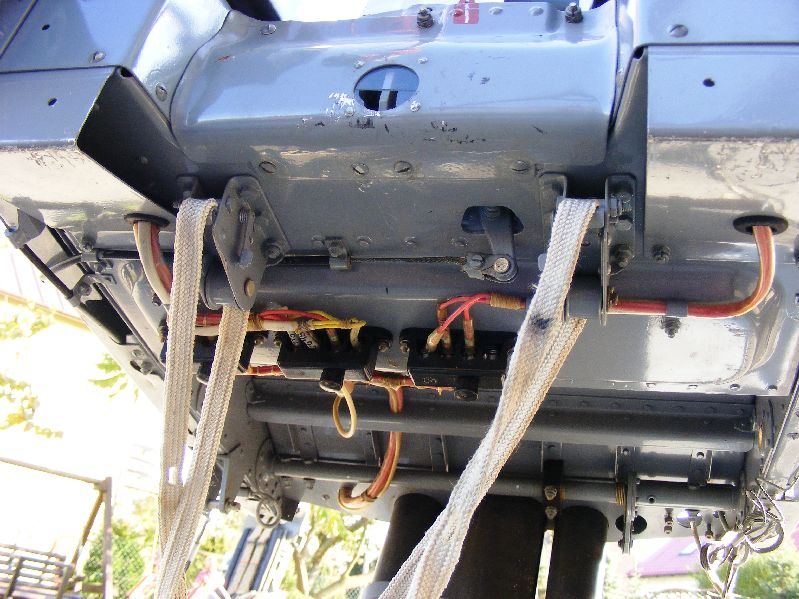
All parts and mechanisms are designed so that prolonged exposure to low and rapidly changing temperatures in the range from -60 to +60°C does not affect reliability, does not change the characteristics of the individual mechanisms and does not increase the forces needed to start the ejection. The seat must work without jamming, and accidental firing during maintenance and overhaul must be ruled out. The ejection seat is designed to withstand all the loads acting on it during firing. The vertical g-load acting on the airman reaches 17 (for comparison, in a spacecraft it reaches 10, but over several seconds). Higher g-loads during ejection from an aircraft are still considered dangerous. The initial body position is ensured automatically by the seat’s retraction device. Moreover, before the seat was used in an aircraft, it went through whole series of tests with dummies that took the risk instead of humans. Both cockpits have identical seats. The TWM‑1680‑38 ejection gun and the MU‑320 electric motor of the seat height adjustment system are attached to the seat frame. On the left side of the frame tube there is a WMP‑2 pyrotechnic actuator of the pyrotechnic system for deploying the stabilising parachute. The headrest houses the container for the ST‑012 stabilising parachute of the SP‑70J seat stabilisation system. Inside the headrest is the operational shoulder strap retraction system. On the right side of the headrest is a pyrotechnic actuator for tightening the back straps. The shape and strength of the headrest allow it to break through the cockpit glazing. The ND‑39 survival kit and the PŁ‑70J personal parachute are fitted in the seat bucket. Under the bucket is the URM‑1 rocket booster. On the left wall is the ORK‑9A (combined communications connector). The operational strap adjustment system allows a maximum deflection of 300 mm, and 200 mm in the cockpit. The electric seat position adjustment system can change the seat height over a range of 180 mm in 20 seconds.
Technical data:
– minimum safe ejection altitude in level flight, during the take-off and landing run at an indicated airspeed of 150-500 km/h – 0 m
– minimum safe ejection altitude at a speed of 500-910 km/h
in level flight – 50 m
– height to which the seat is thrown during the take-off run – 86 m
– initial seat speed at the end of the ejection gun stroke – 18 m/s
– maximum speed for safe ejection – 910 km/h
– maximum ceiling for safe ejection – 12 km
– minimum ejection altitude for one crew member in a 90º dive at 910 km/h – 1500 m
– maximum g-load during ejection – 17-19/0.4 s
– weight of the equipped seat – 80 kg
– permissible weight of the pilot in uniform – 67-108 kg
– permissible range of sitting height – 800-980 mm
– rocket motor thrust 2400±150 kg
– total height – 1500 mm
– maximum width – 500 mm
– ejection altitude – from airfield level to 1200 m
– indicated airspeed – 100-900 km/h
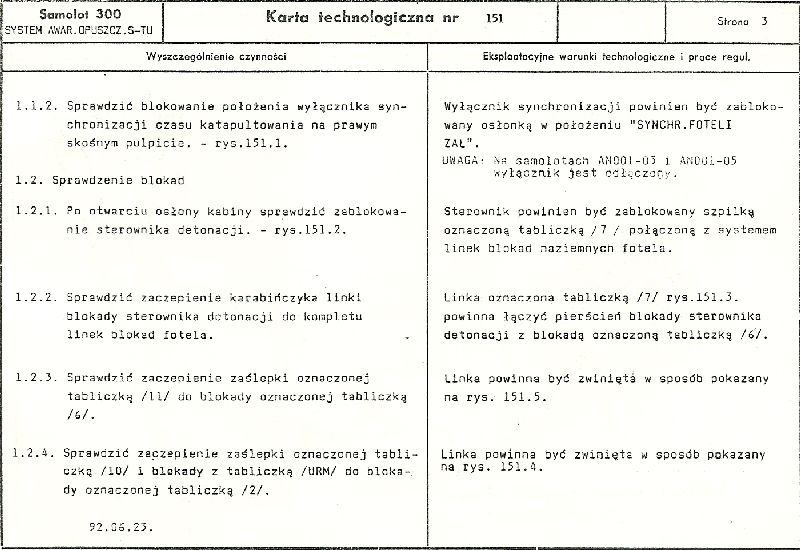
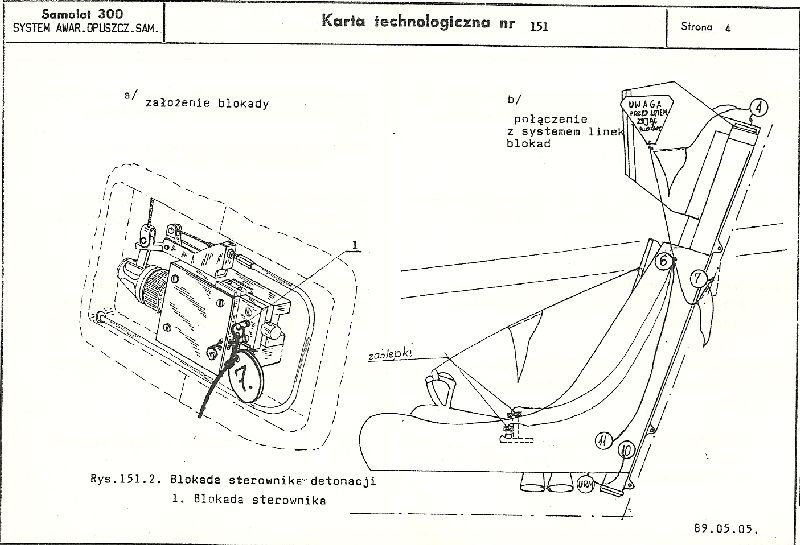
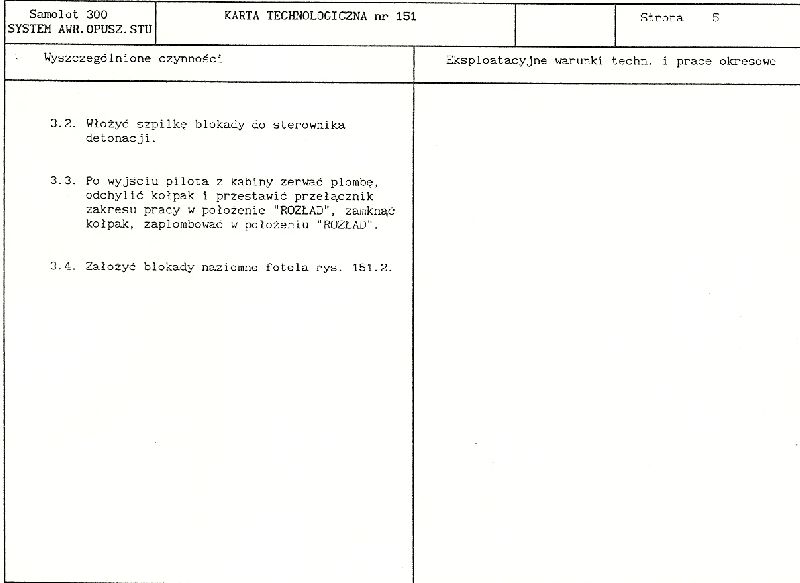
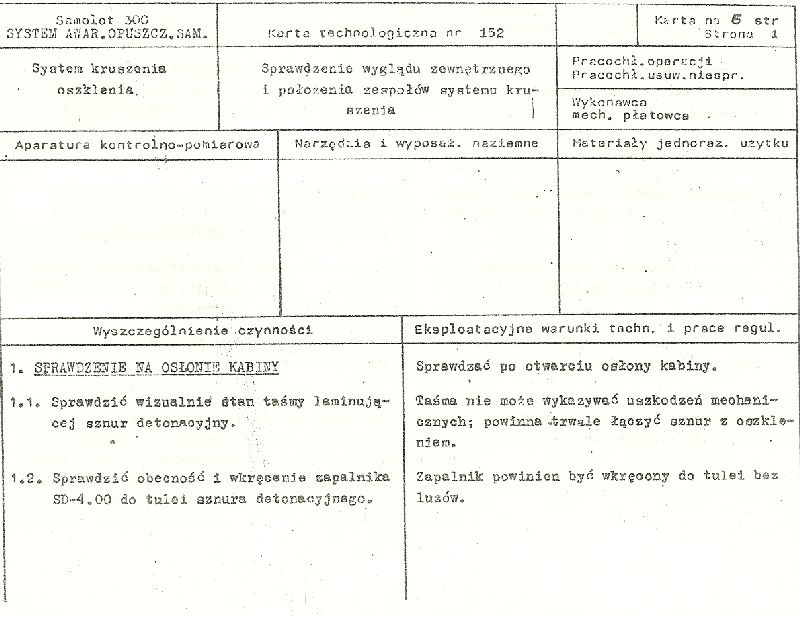
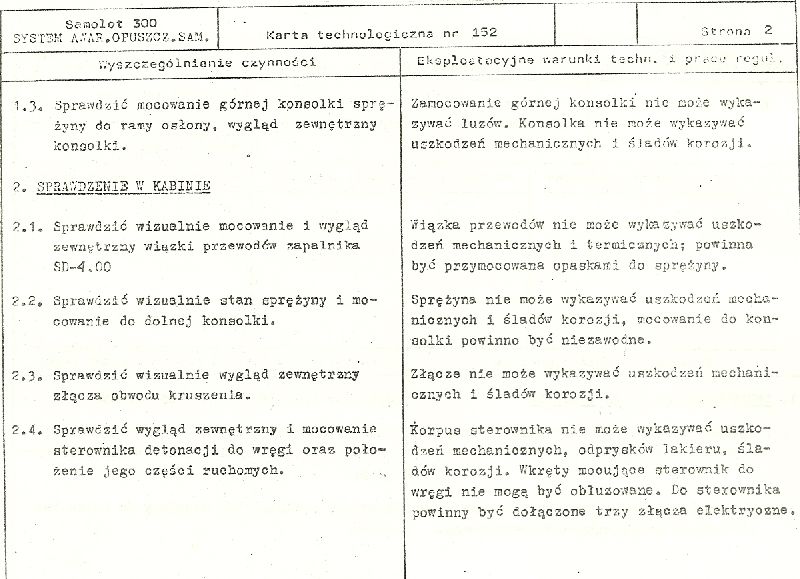
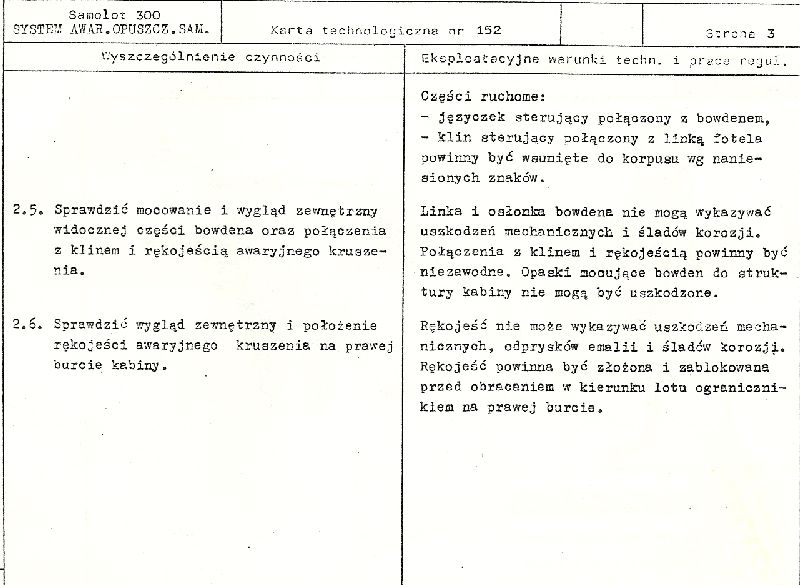
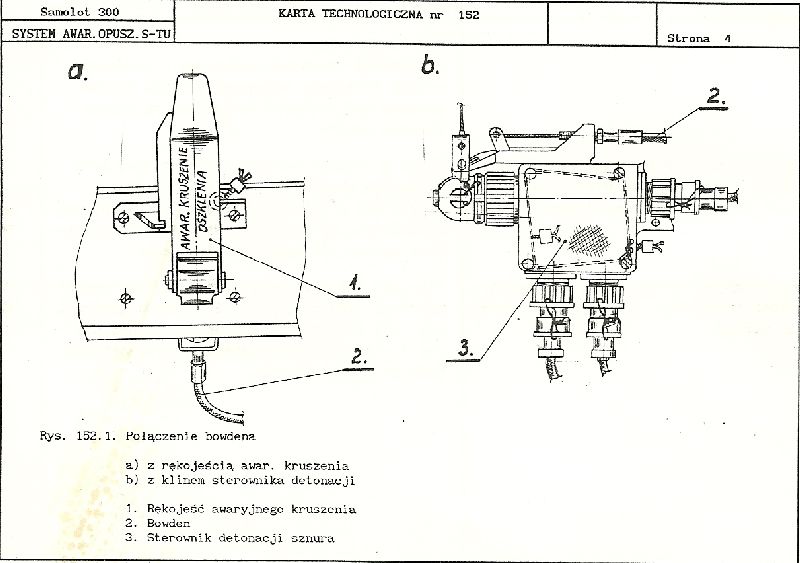
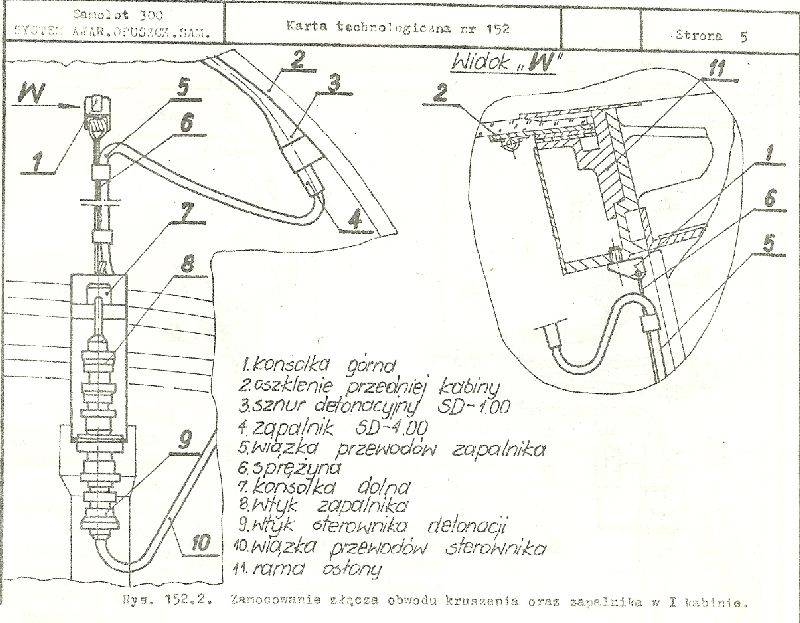
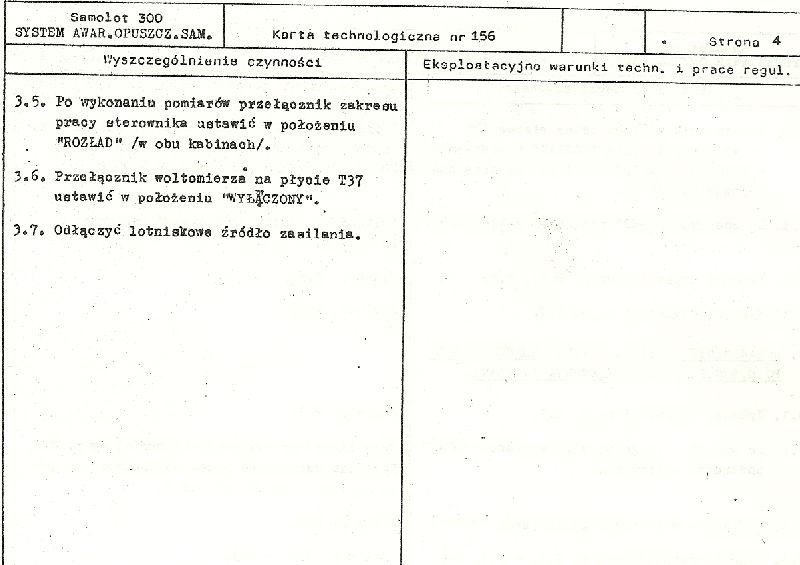
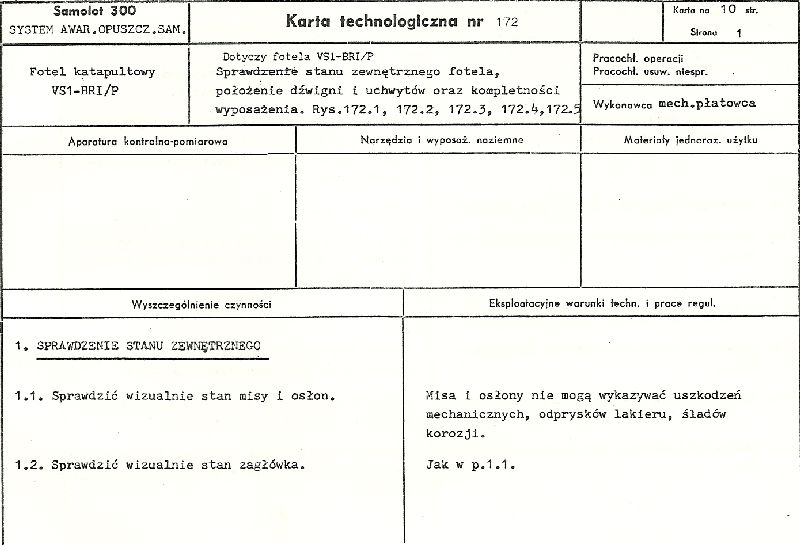
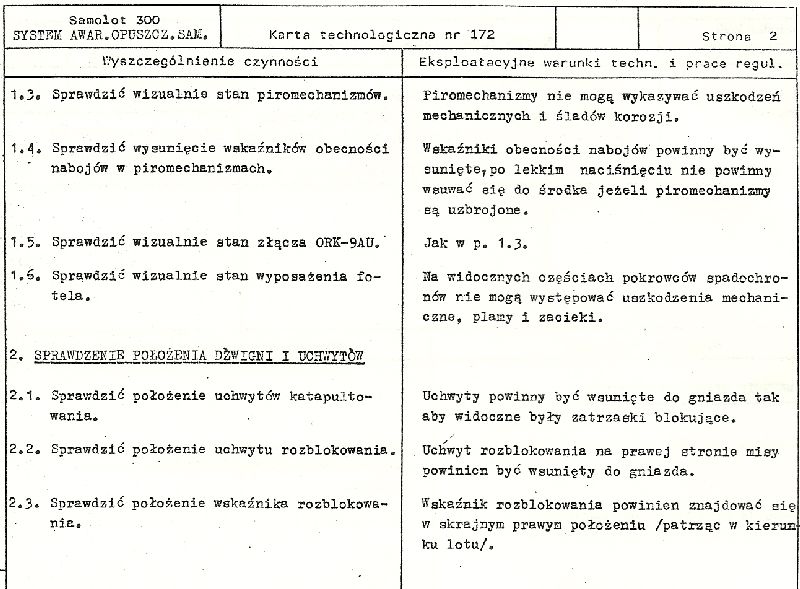
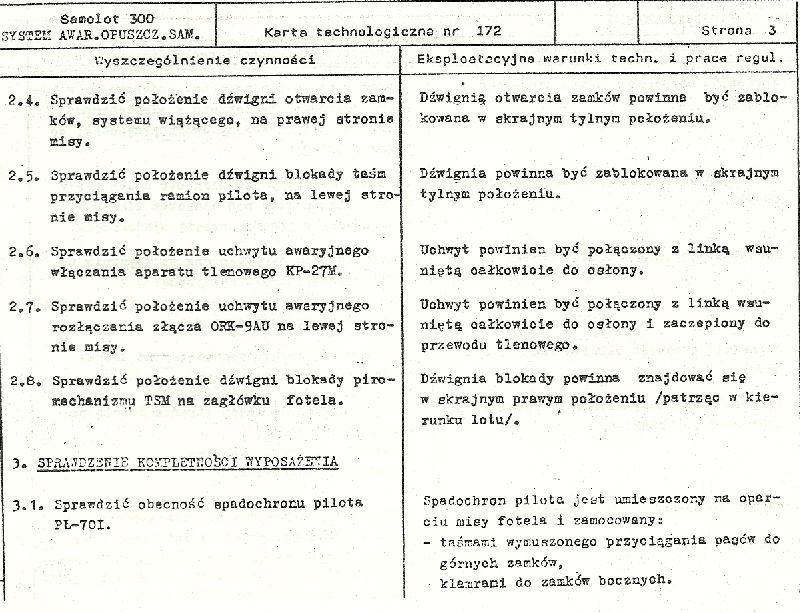
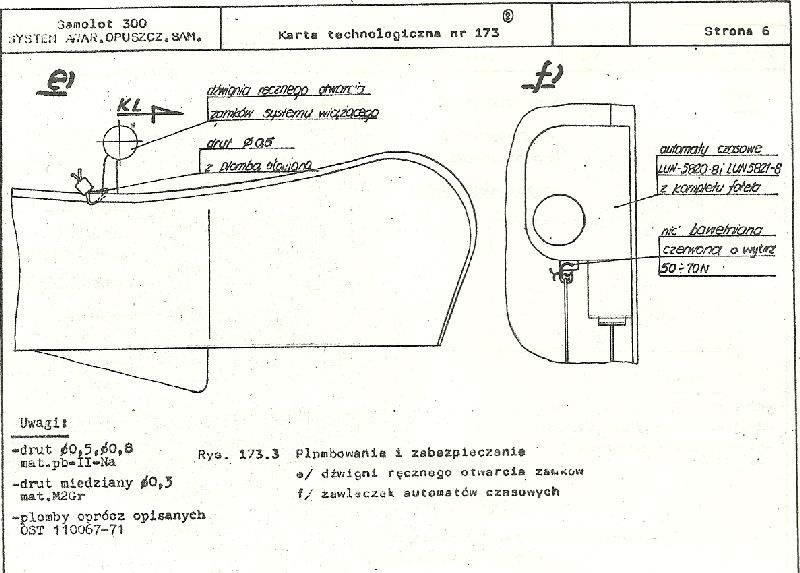
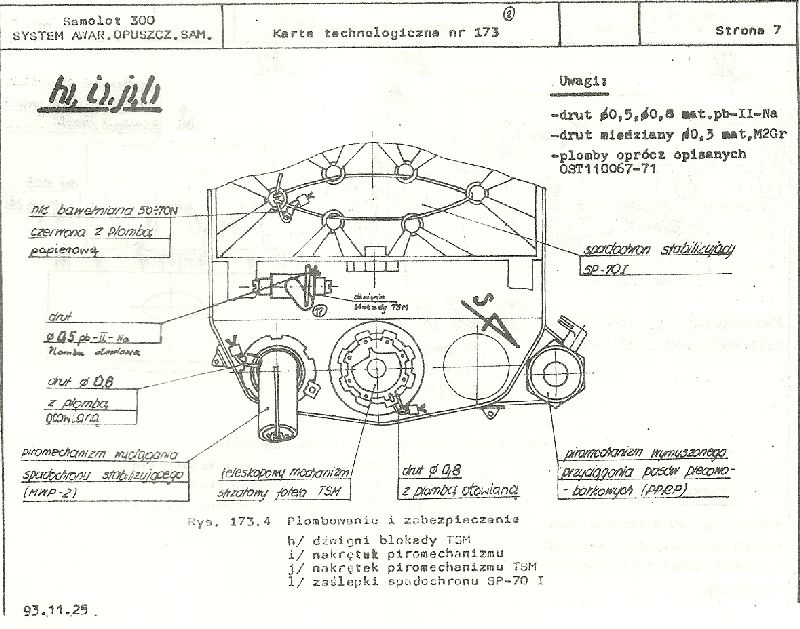
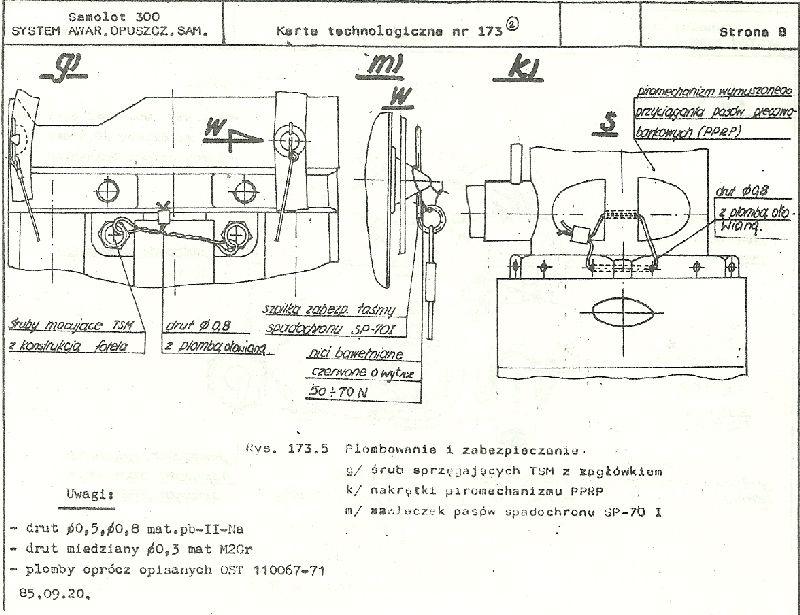
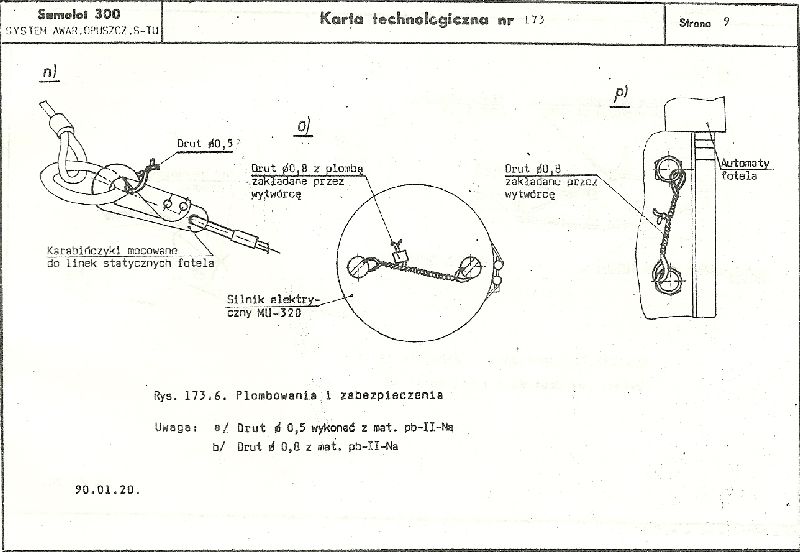
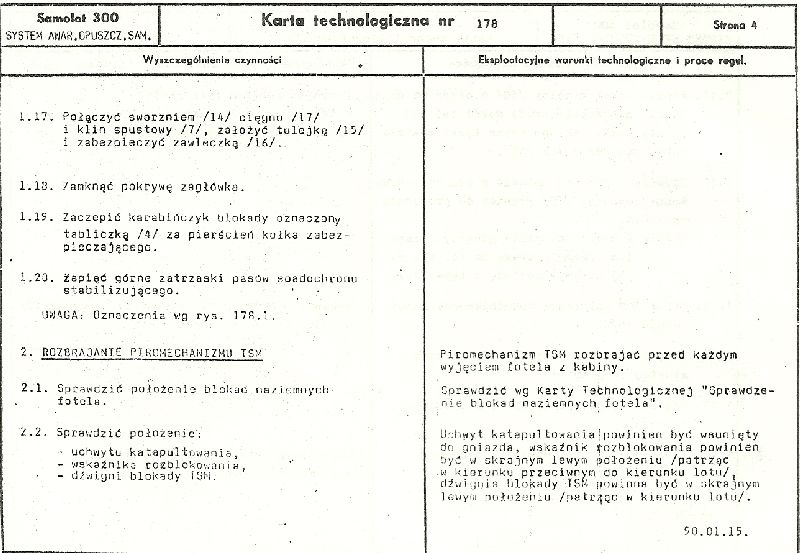
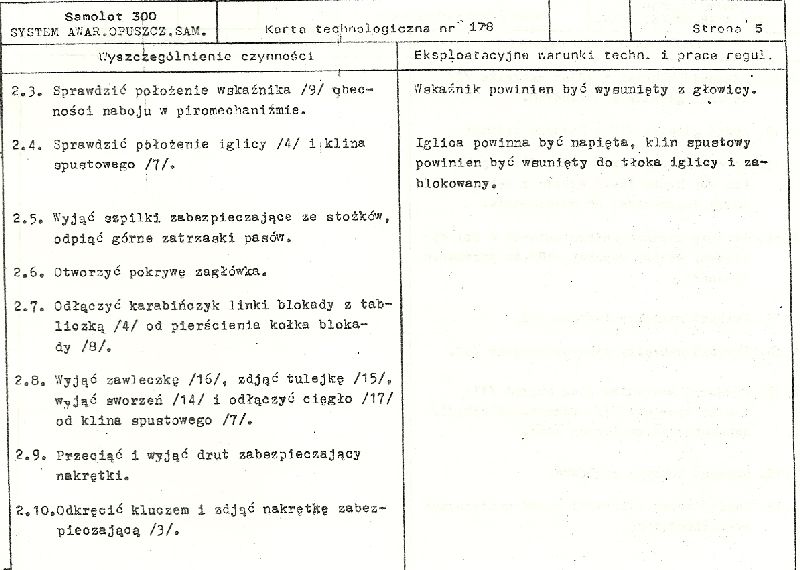
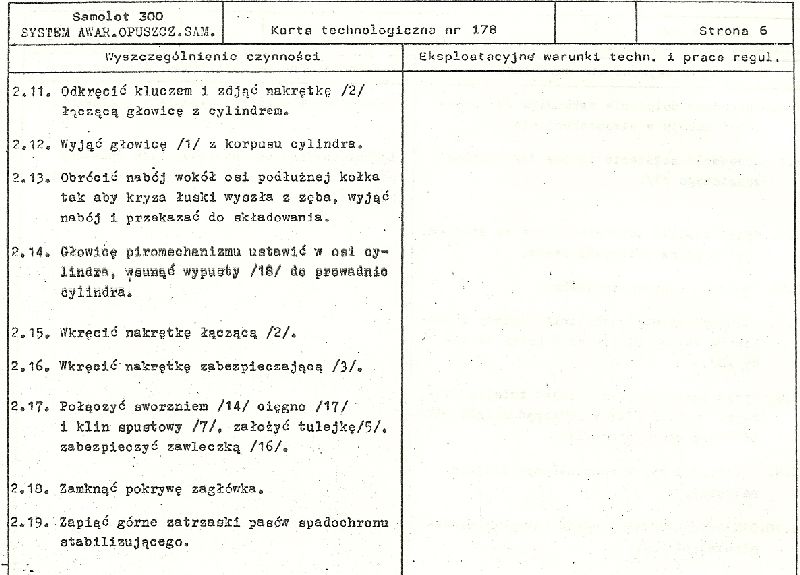
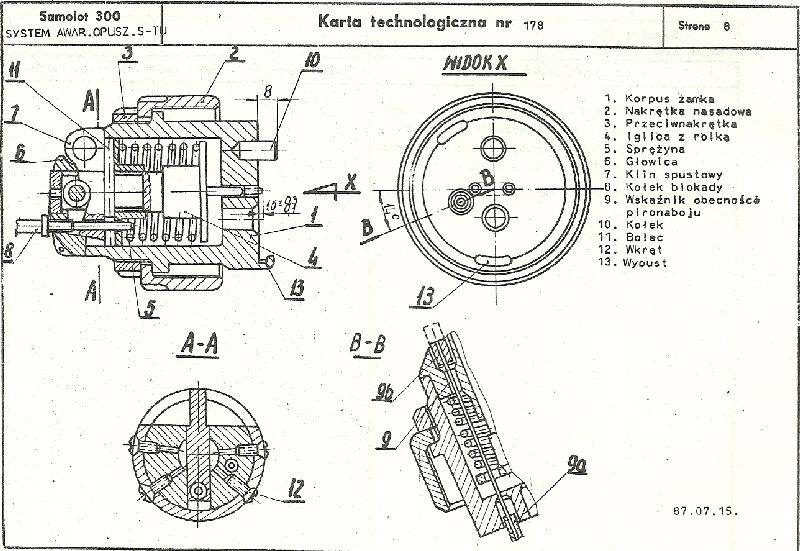
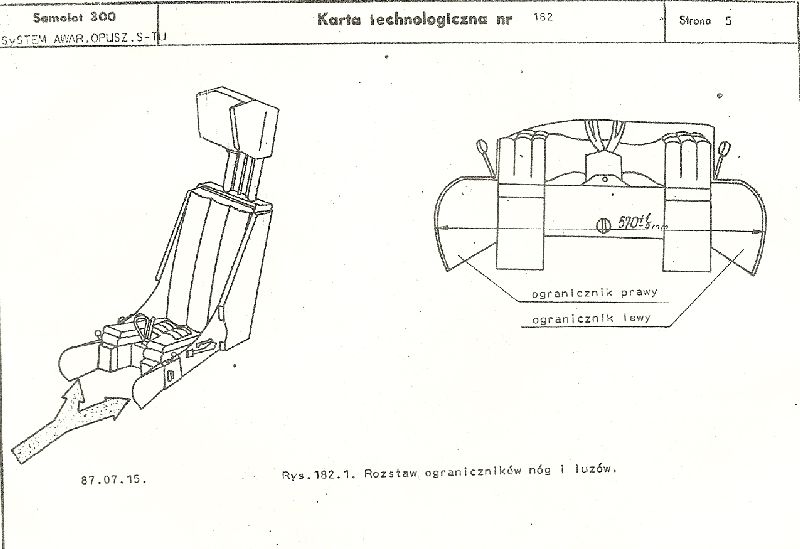
USED IN PZL I-22 IRYDA, PZL-130 ORLIK, L-29 Delfin, L-39 Albatros AIRCRAFT.
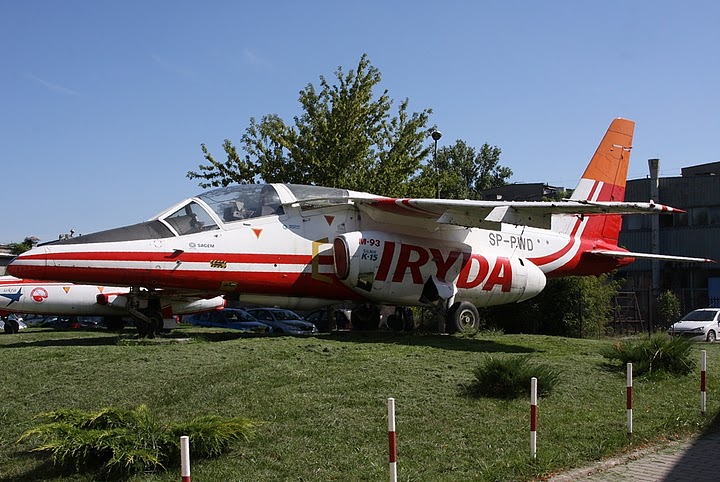
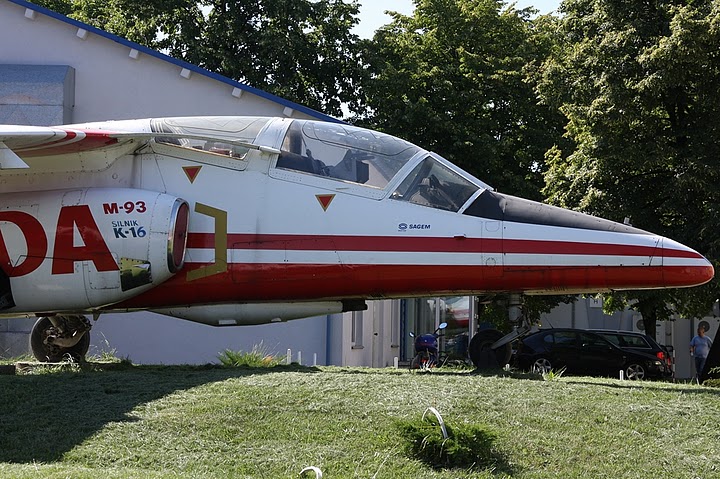
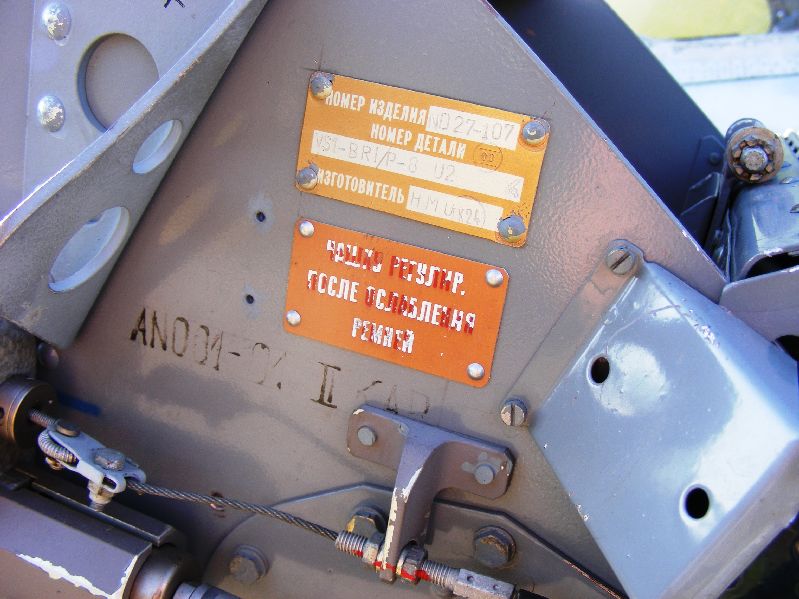
The seat frame comes from the I-22 Iryda with factory number AN001-01, which was included in the flight test programme as prototype 105. At the same time its serial number was changed to the prototype number 1ANP01-05,
and the aircraft was registered as SP-PWD. The seat was used in the rear cockpit,
and on 14.06.1994 the then Minister of National Defence, Jerzy Milewski,
made a 20-minute flight in this seat.
The aircraft is now on permanent display at the Institute of Aviation in Warsaw.
The seat is being completed; it has been in the collection since 2008.
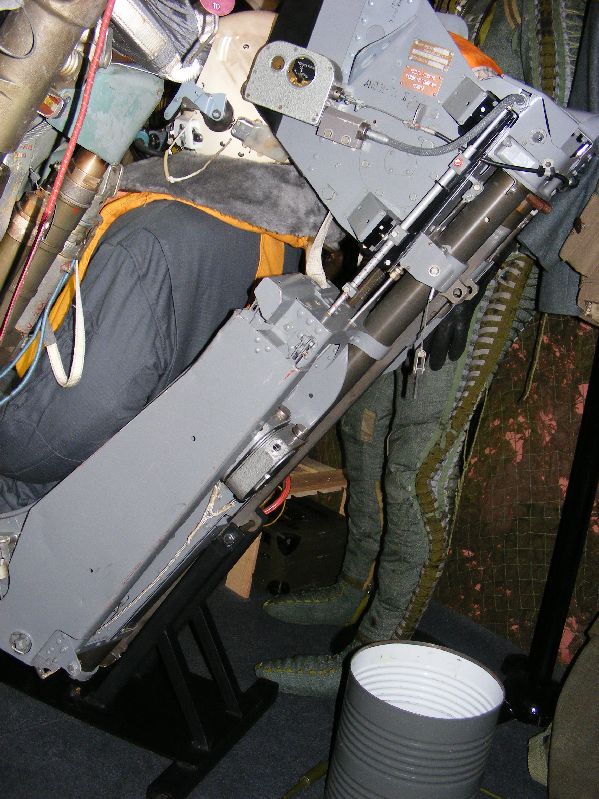
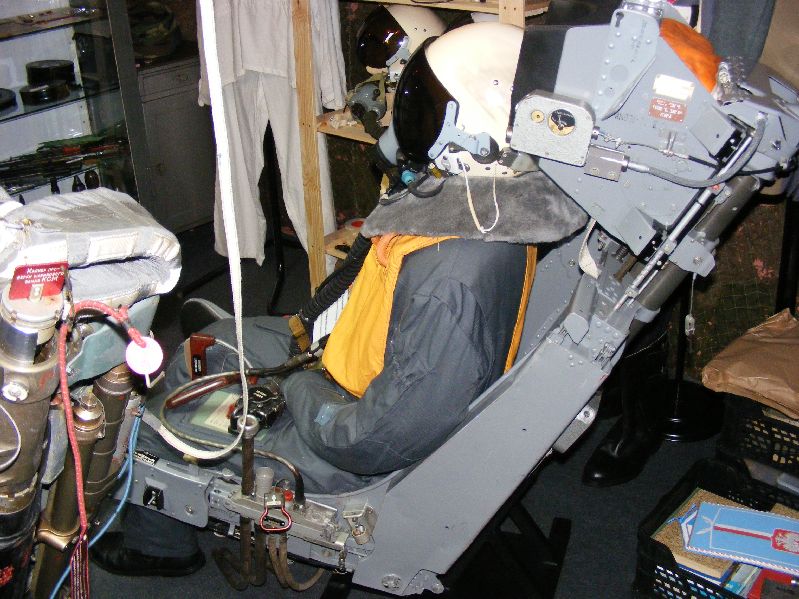
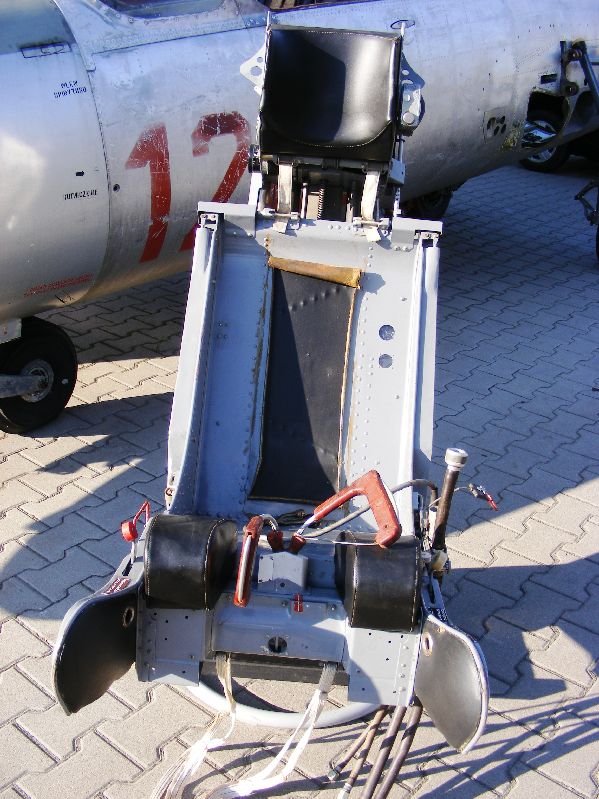
USED IN THE FOLLOWING AIRCRAFT:
PZL I-22 IRYDA, L-29 Delfin, L-39 Albatros.
The seat frame comes from the I-22 Iryda with factory number AN001-01, which was included in the flight test programme as prototype 105. At the same time its serial number was changed to the prototype number 1ANP01-05, and the aircraft was registered as SP-PWD. The seat was used in the rear cockpit. On 14.06.1994 the then Minister of National Defence, Jerzy Milewski, made a 20-minute flight in this seat.
The aircraft is now on permanent display at the Institute of Aviation in Warsaw.