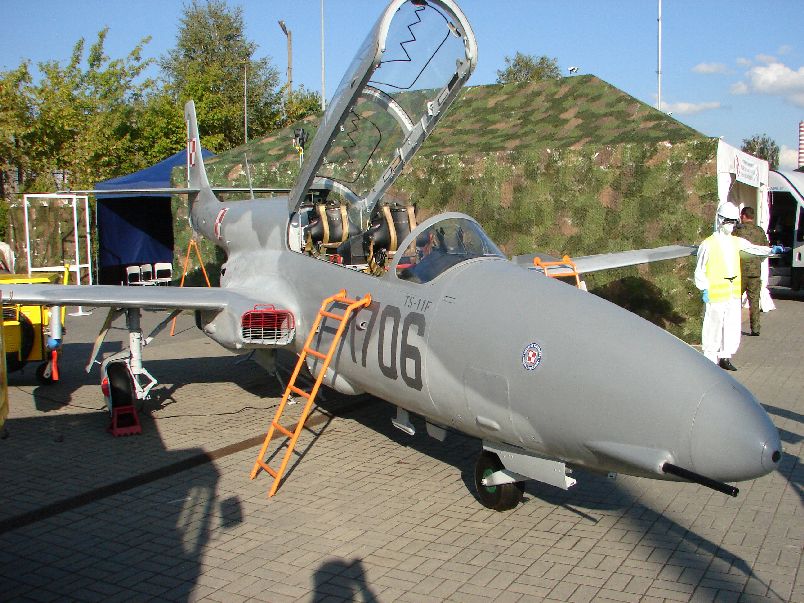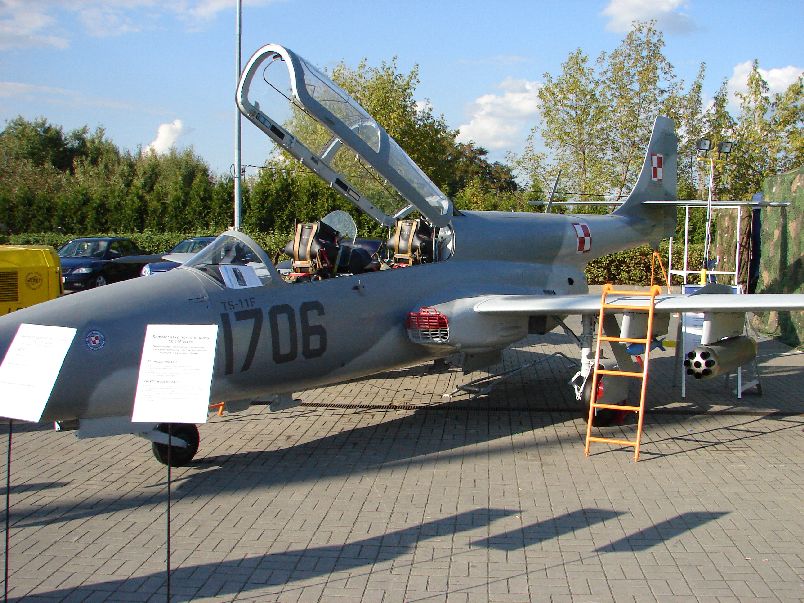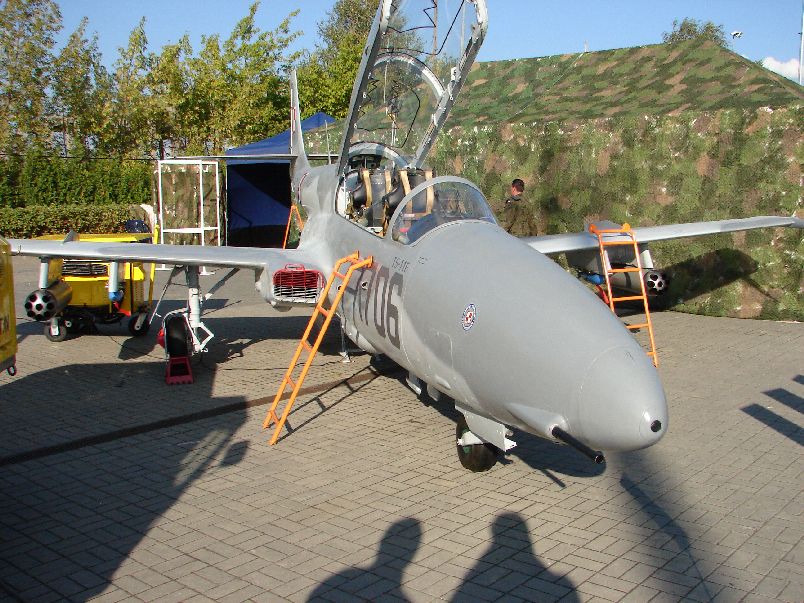
Ejection seat of the TS-11 Iskra
Compared with the ejection seats used in modern aircraft, the pilot’s seat of the TS-11 Iskra is a very primitive device; externally it closely resembles the KK-1 seat of the MiG-15 and UTI MiG-15. The simple design of the seat and the lack of a rocket motor considerably limit the range of speeds and altitudes at which it can be used. The recommended safe ejection altitude is 600 m in level flight and 1000 m in a dive, and the minimum ejection altitude must not be less than 250 m at an indicated airspeed of 400 km/h.
The TS-11 Iskra is equipped with two identical ejection seats, designed to take a “Rakieta” or S-3 personal parachute. The seats are mounted in the cockpit by the ejection gun and guide rails, which set the direction of movement during ejection.
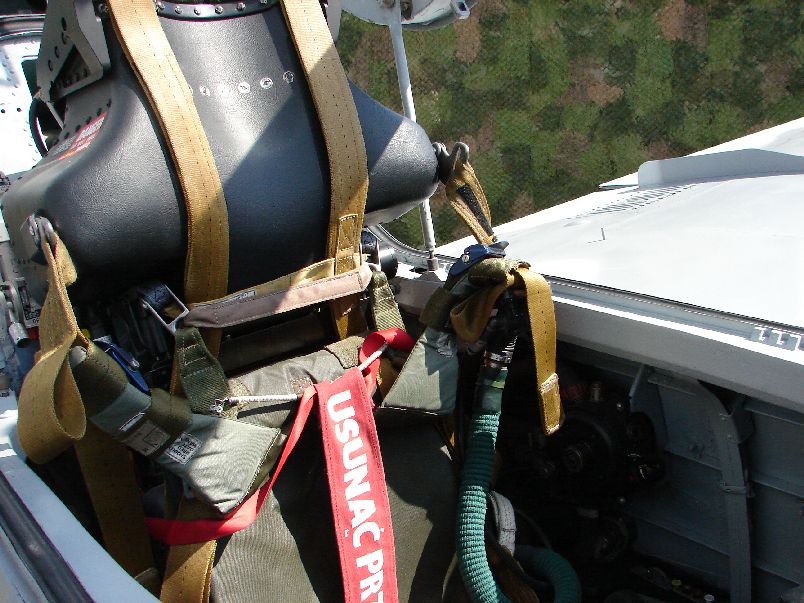
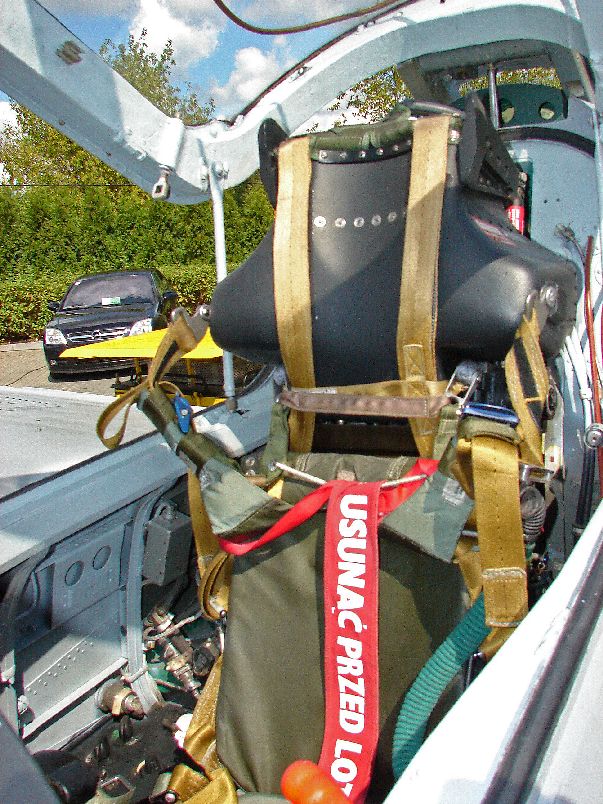
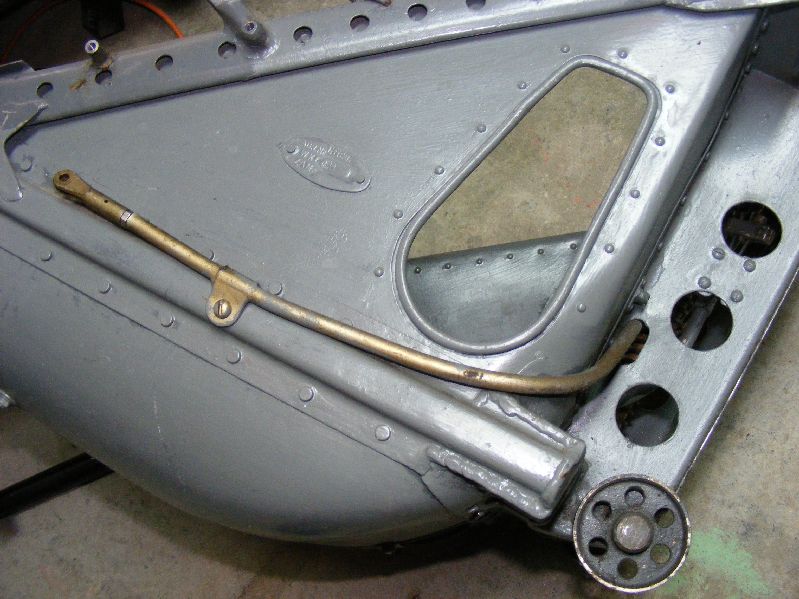
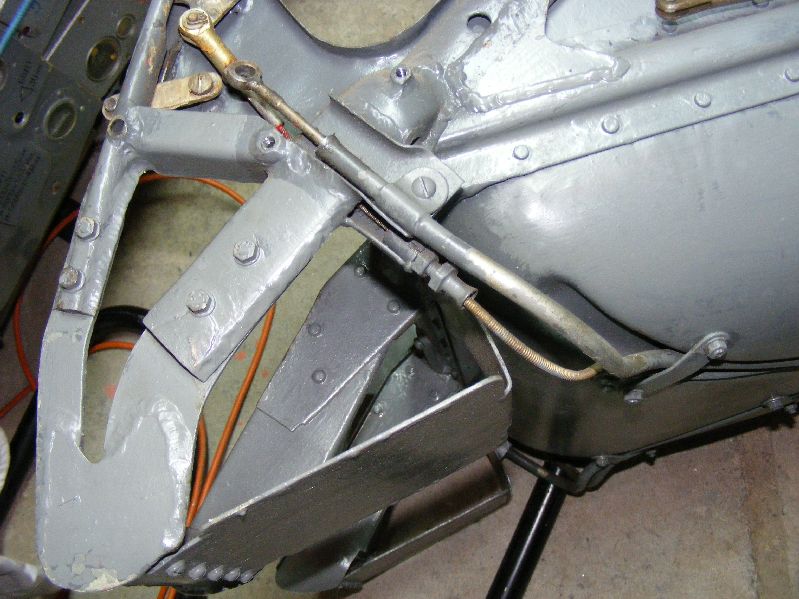
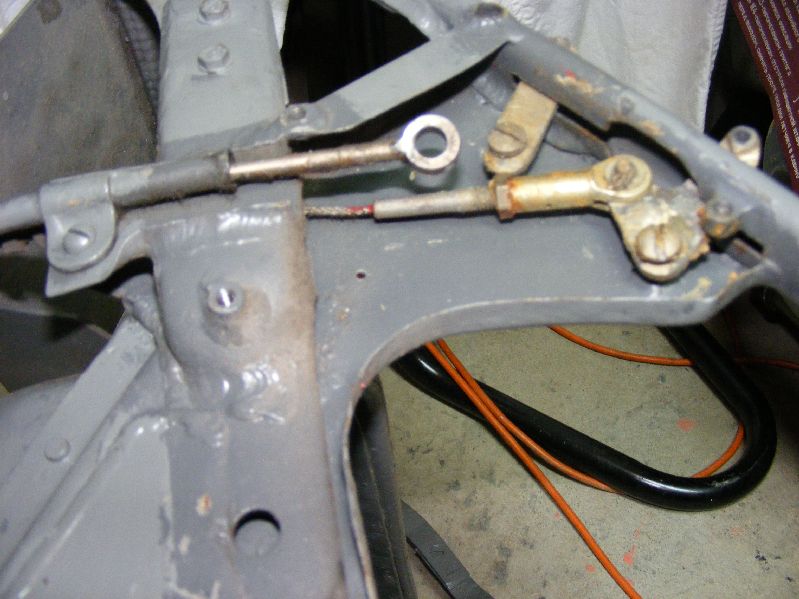
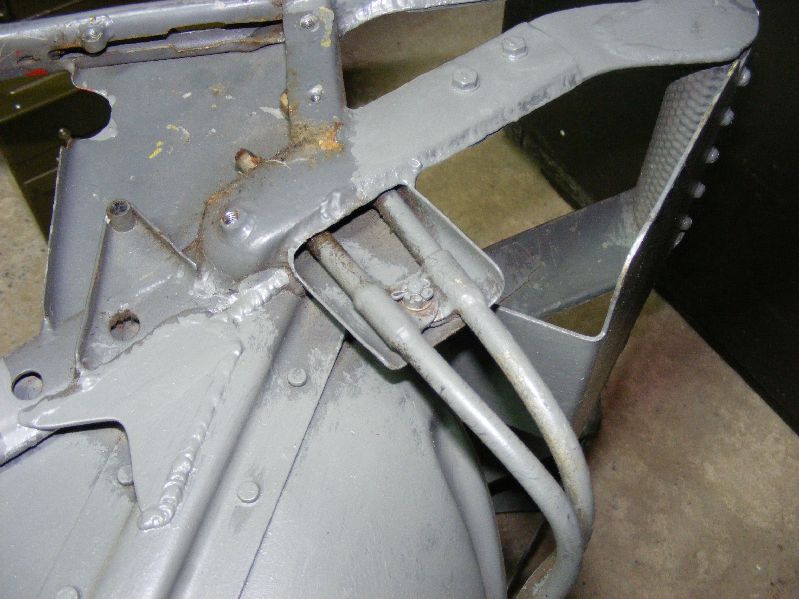
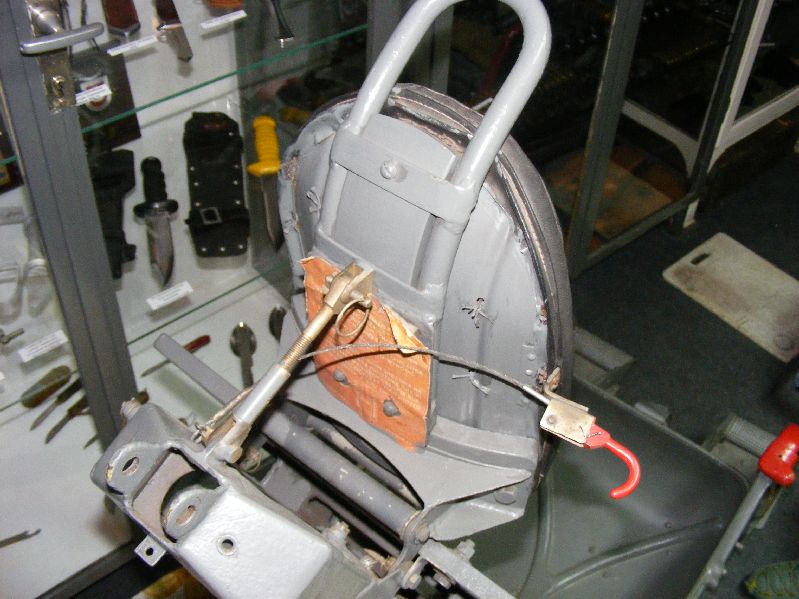
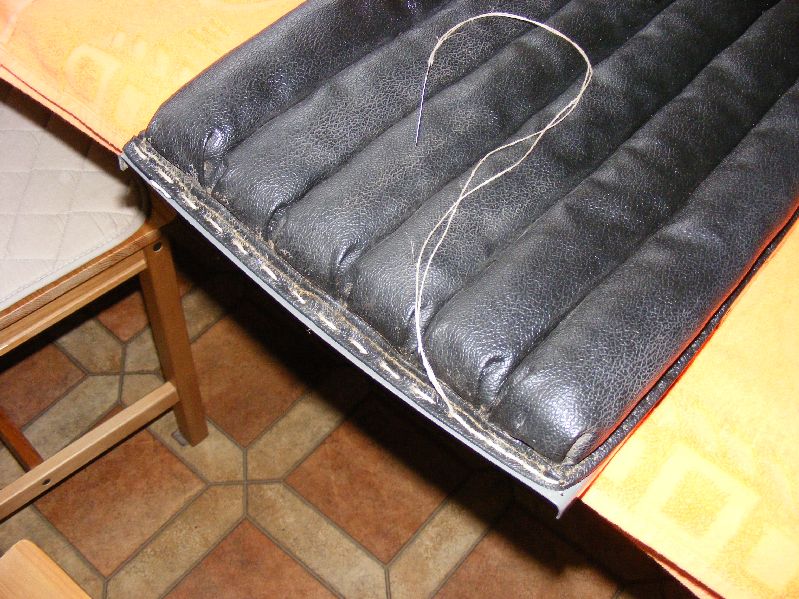
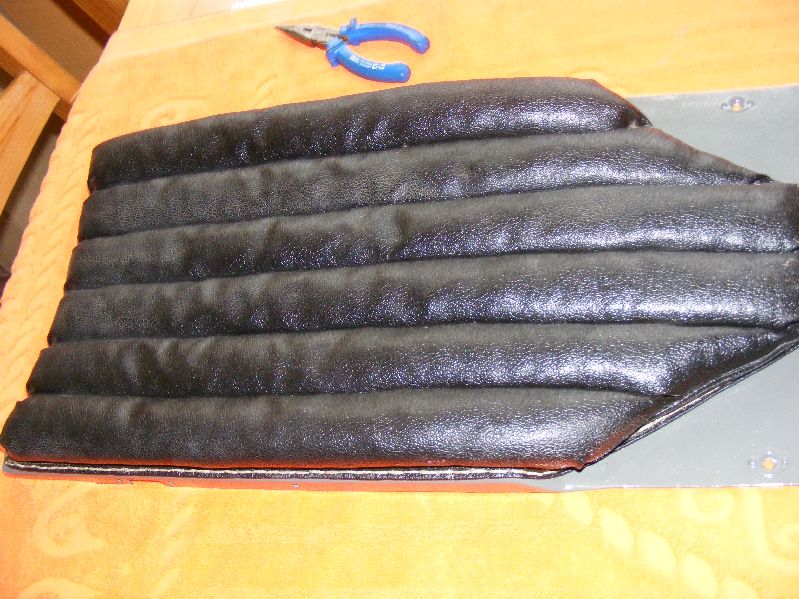
The seat frame is a welded steel structure. A duralumin bucket holding the main parachute is riveted to its lower part. On the longitudinal sections of the frame there are two pairs of rollers 300 mm apart, which run in the guide rails in the cockpit. This arrangement makes it easier to remove and install the seat during aircraft maintenance and reduces resistance to movement during ejection. The seat frame has a three-step length adjustment to suit the pilot’s height. The headrest is hinged to the upper part of the frame. It supports and positions the pilot’s head in flight and during emergency abandonment of the aircraft. Above the headrest there is a steel tube hoop that protects the pilot’s head when ejecting through the canopy. This can happen when the pilot is unable to jettison the canopy. The headrest cushion is built in the same way as the back cushion. Between the headrest and the bucket there is a plywood stabilising plate with a soft cushion for the pilot’s back. The plate extends beyond the pilot’s shoulders and creates a moment that tilts the seat after it leaves the cockpit. This prevents excessive action of the airflow on the pilot’s body. Under the headrest there is a roller over which the pilot’s harness straps run. It prevents them from chafing against the plywood plate. On the right-hand side of the headrest there is a handle with a cable for unlocking the seat’s ejection gun. Triangular side walls are riveted to both sides of the bucket to stop the parachute from falling out. In the lower part of the frame there are symmetrically arranged footrests made of steel sections. In flight the bucket holds the parachute on which the pilot sits. During maintenance the parachute is removed and a soft cushion is put in the bucket.
The pilot’s harness straps are made of 50 mm wide linen webbing. The lap straps have a stiff corset and the back straps leather pads, which spread the load evenly over the pilot’s body during aerobatics. The harness lock is at the front of the harness at the level of the pilot’s hips. It can be opened manually or automatically. On the right side of the seat frame there is an AD-3 parachute automatic release, which opens the lock automatically. It starts working 0-3 seconds after ejection. The lock is opened manually with a handle connected by a cable to a spring mechanism. On the left armrest, above the ejection lever, there is a lever for adjusting the length of the shoulder straps. Lifting it up and towards you unlocks the straps and lets you adjust their length. The adjustment range is 200 mm.
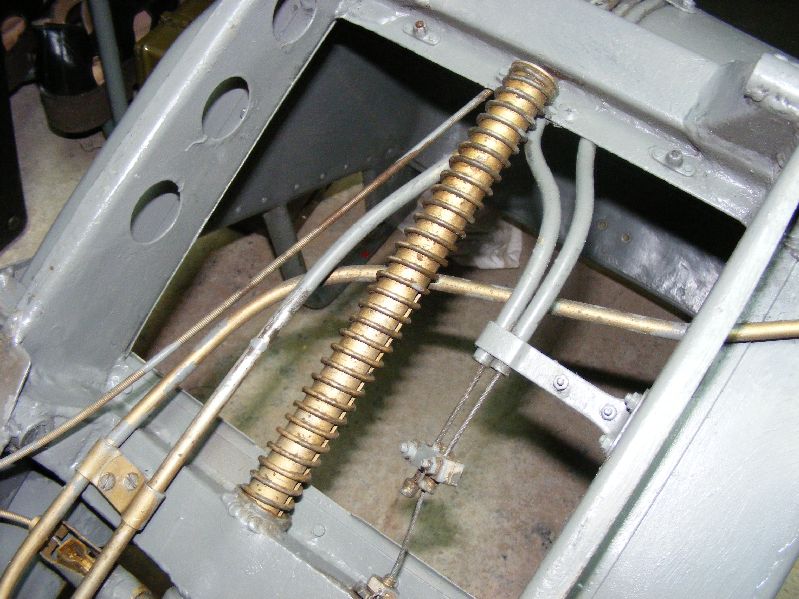
The ejection gun is a set of tubes joined by a ball lock. Inside it has a PK-4-1 pyrotechnic cartridge, and outside two lugs attaching it to the cockpit floor and to the seat frame.
The KAP-3 automatic device, part of the personal parachute equipment, opens the parachute 1 s after the pilot and seat reach the altitude set on it if the ejection takes place above that altitude. If the pilot leaves the aircraft below the set altitude, the KAP-3 opens the parachute after 2 s. It is currently set to 2 s and an altitude of 2500 m.
Ejection takes place after the canopy has been jettisoned in the emergency mode and one or both ejection levers have been pulled, in the following order: first the instructor, then the student. To jettison the canopy in an emergency, one of the two levers on the seat armrests must be pushed away. The canopy locks are then released by a spring mechanism located on the right side of the front cockpit.
Pulling the ejection levers strikes the primer of the pyrotechnic cartridge and starts the ejection. The propellant gases open the ball lock and the seat with the pilot leaves the cockpit. If one lever was used to jettison the canopy, ejection can only be initiated with the lever on the same armrest from which the canopy jettison system was activated.
The seat has flight safety pins (removed after the canopy is jettisoned) and ground safety pins, which the mechanic fits after the crew has left the cockpit. Three pins are fitted in the student’s cockpit and two in the instructor’s cockpit.
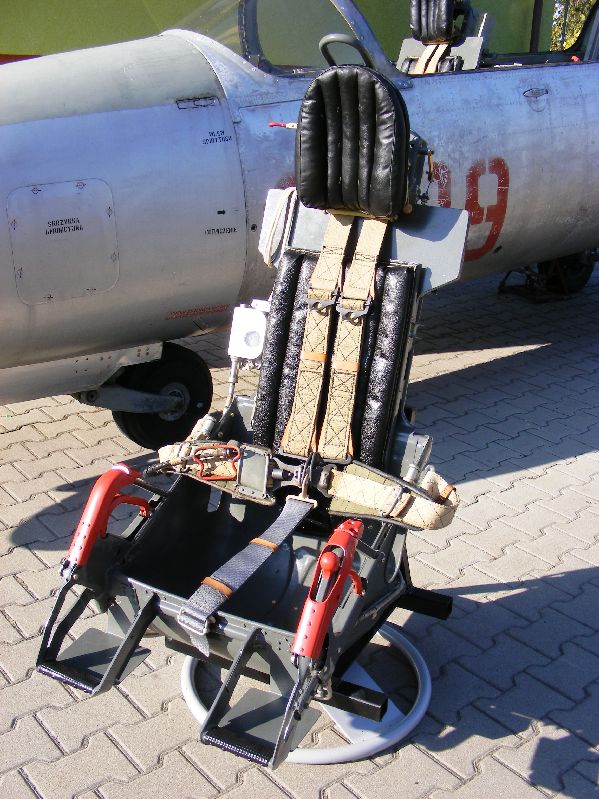
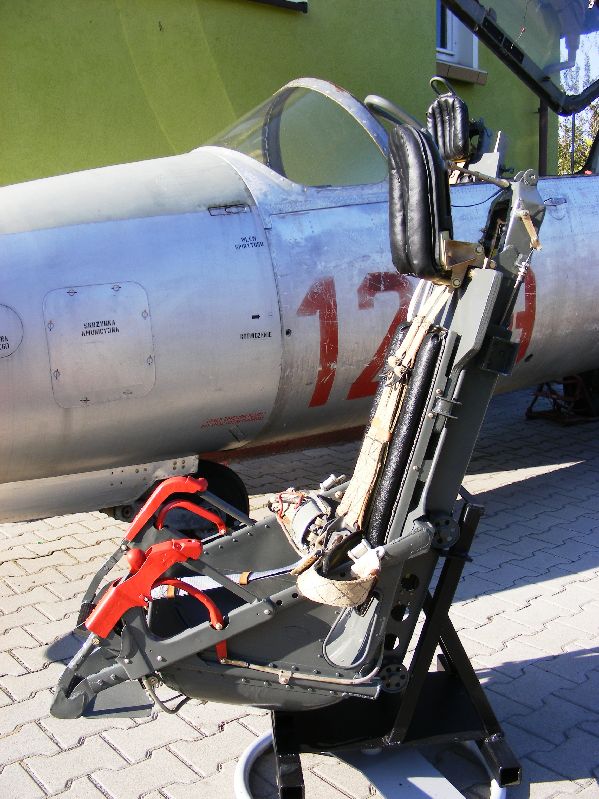
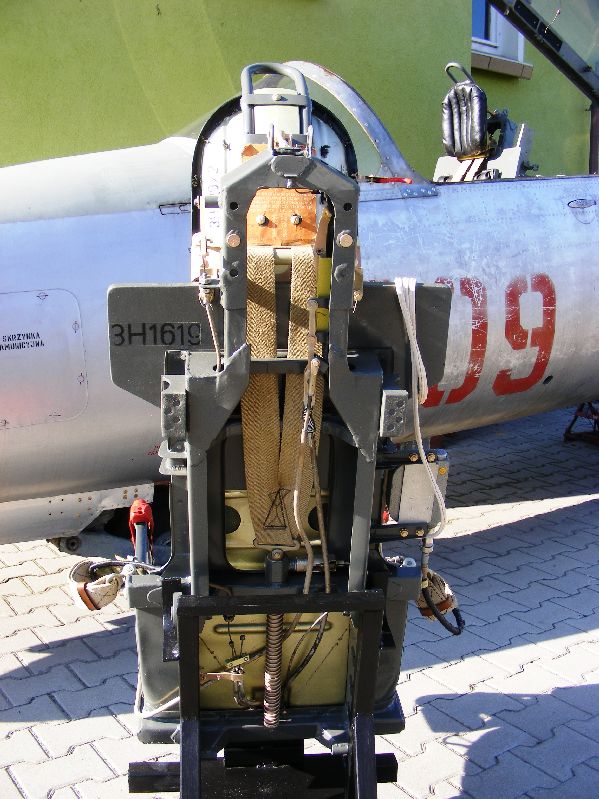
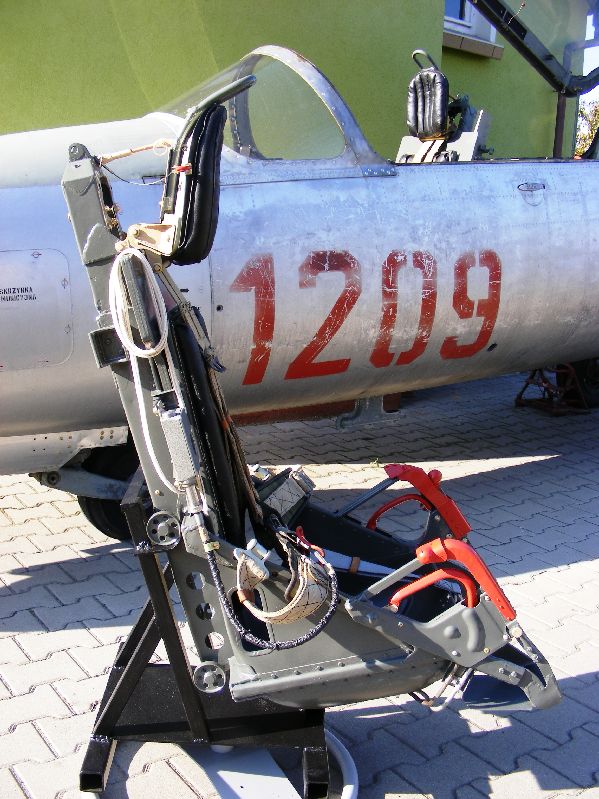
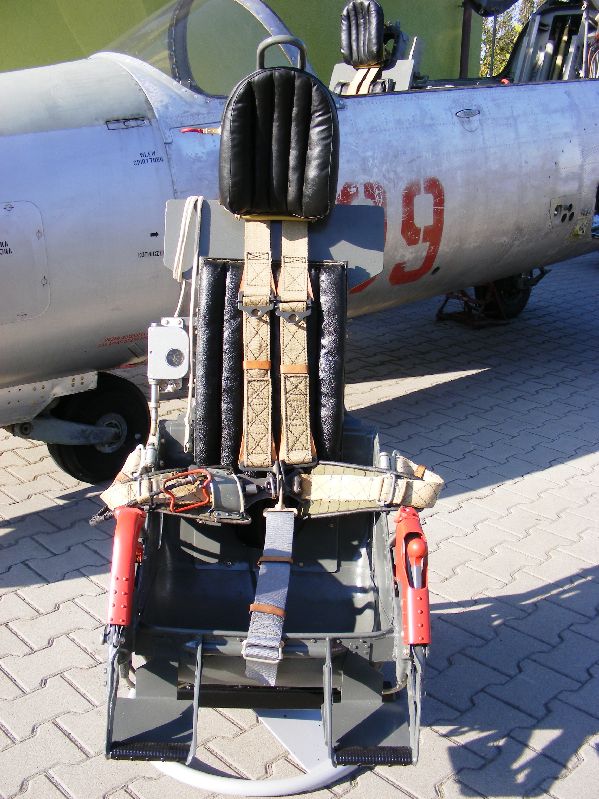
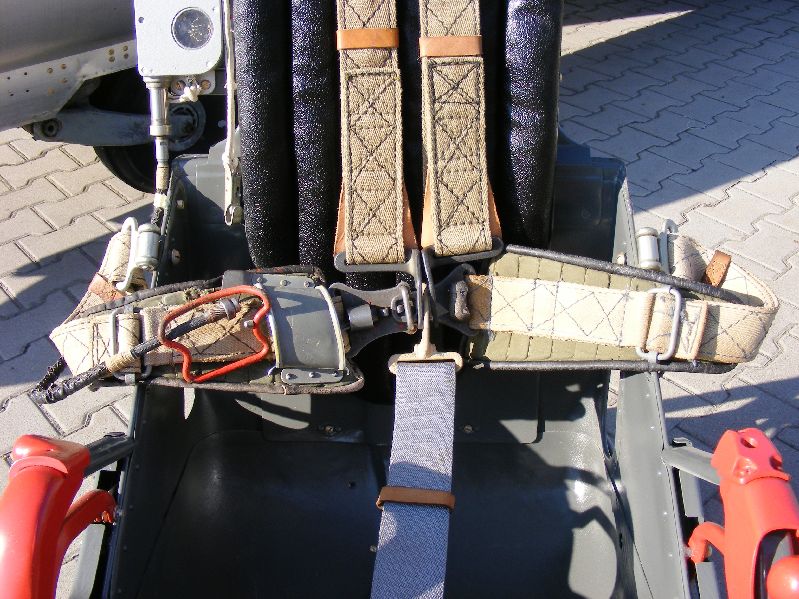
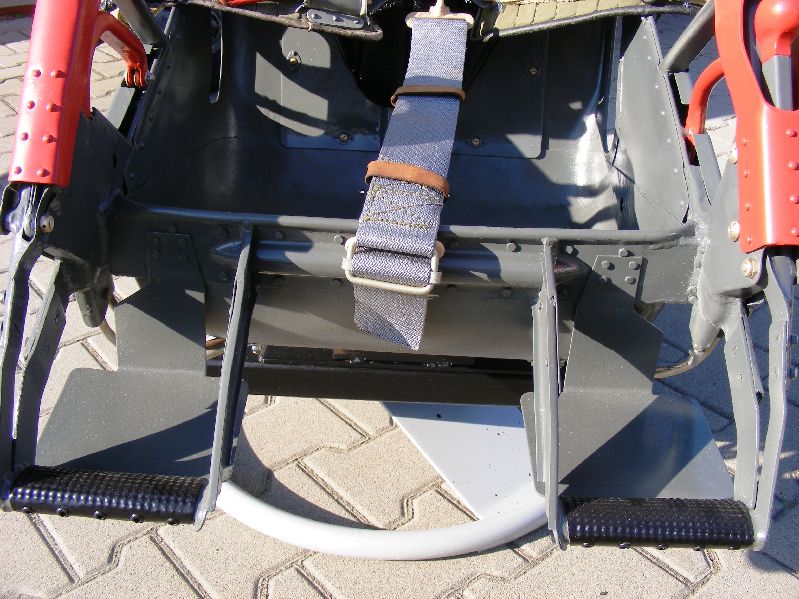
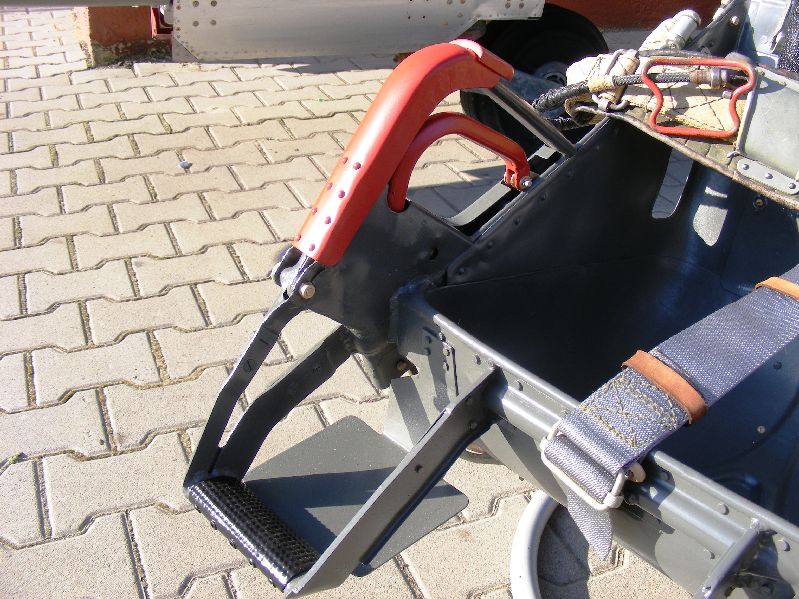
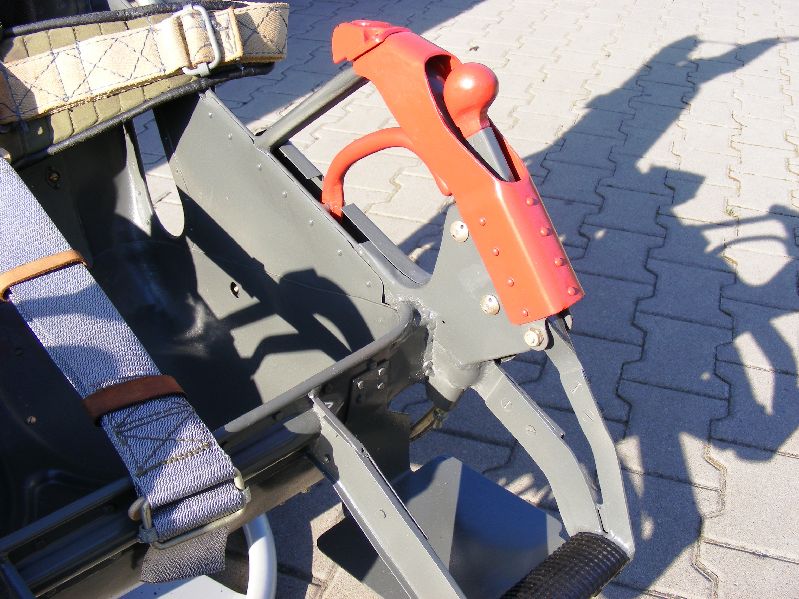
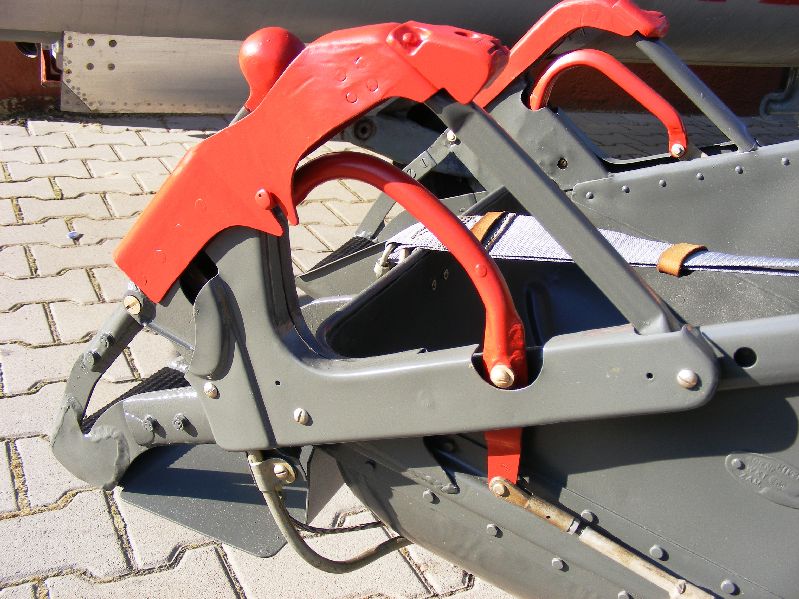
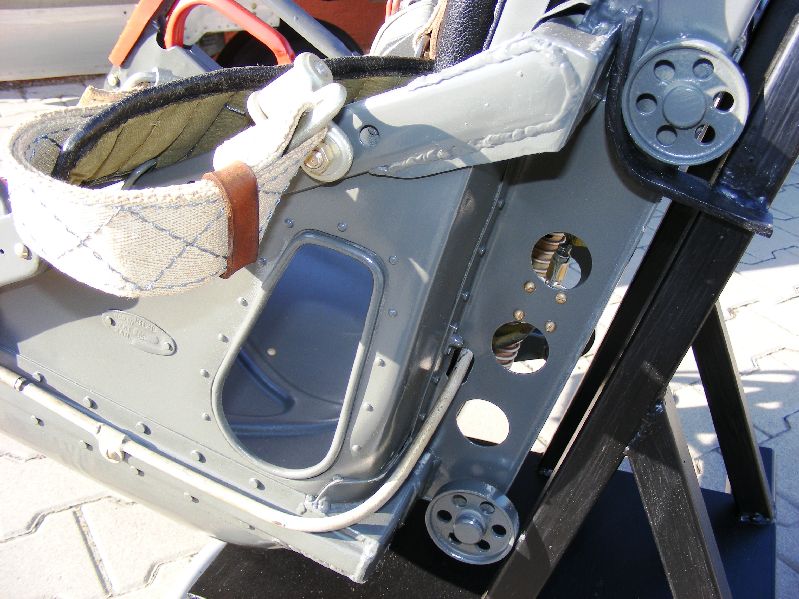
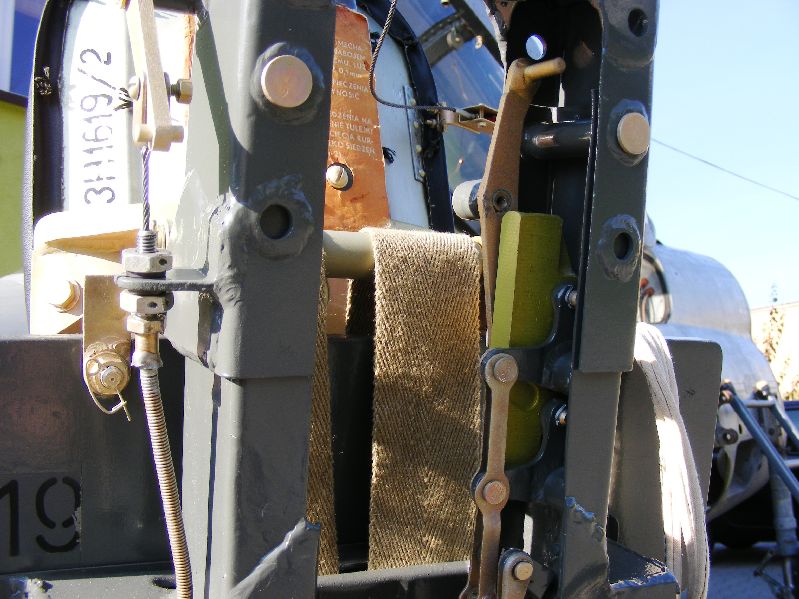
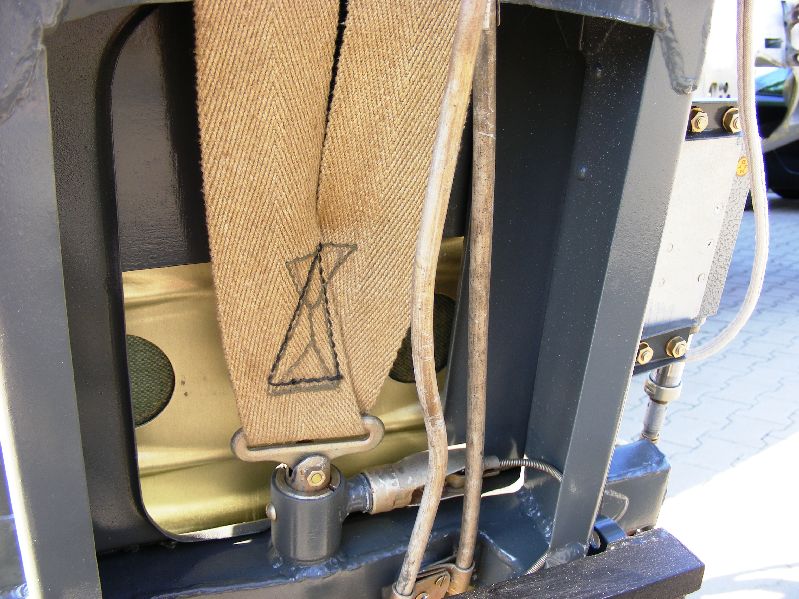
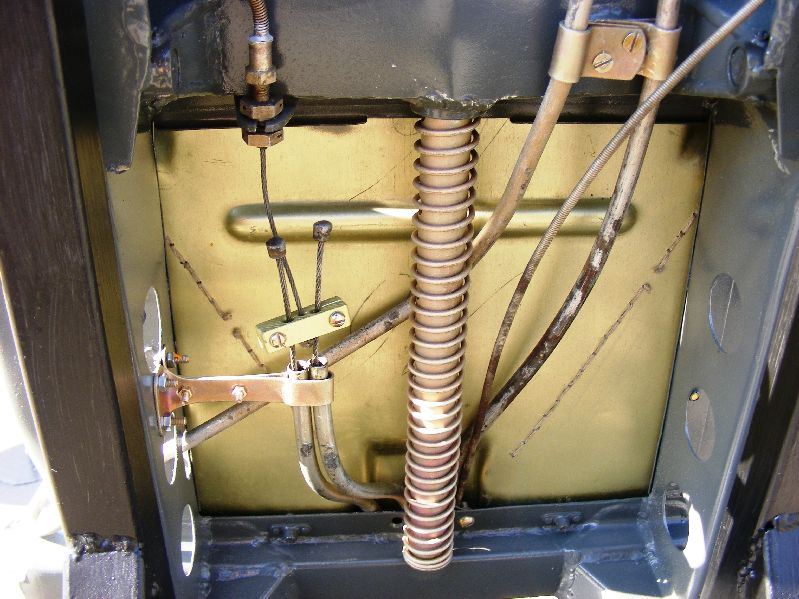
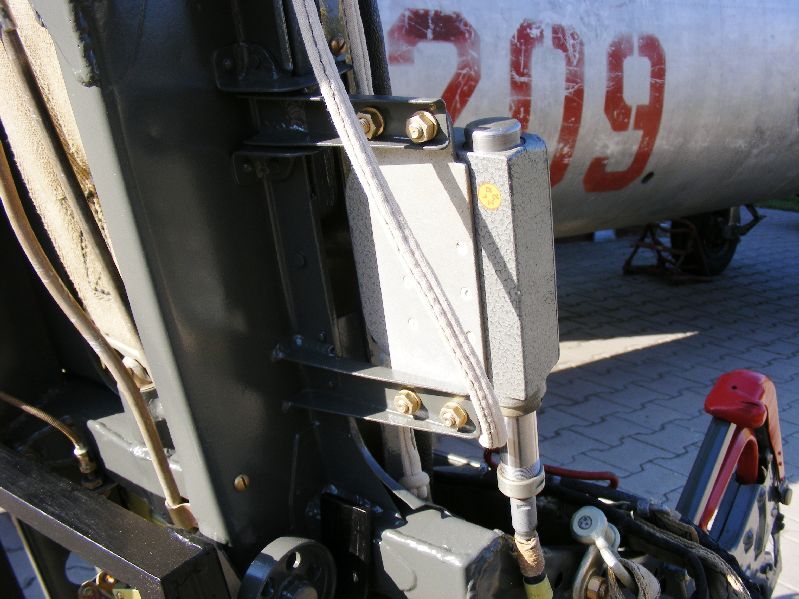
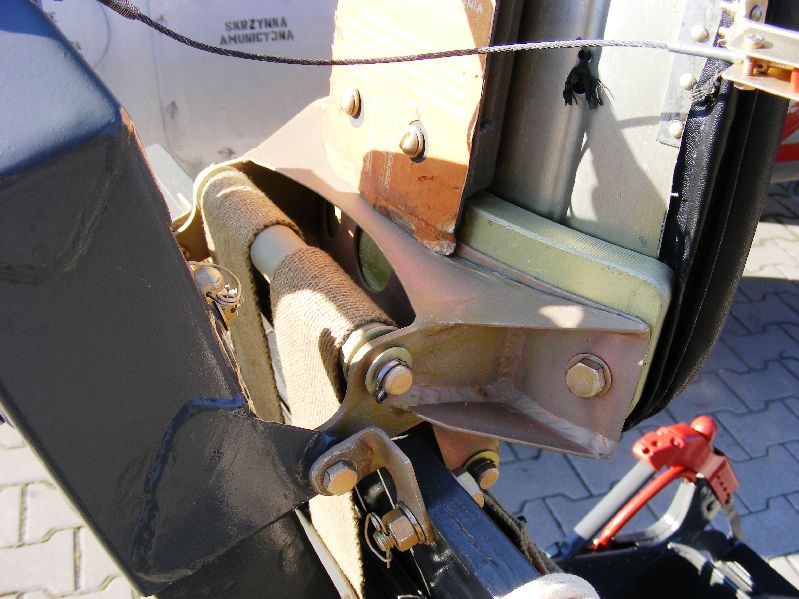
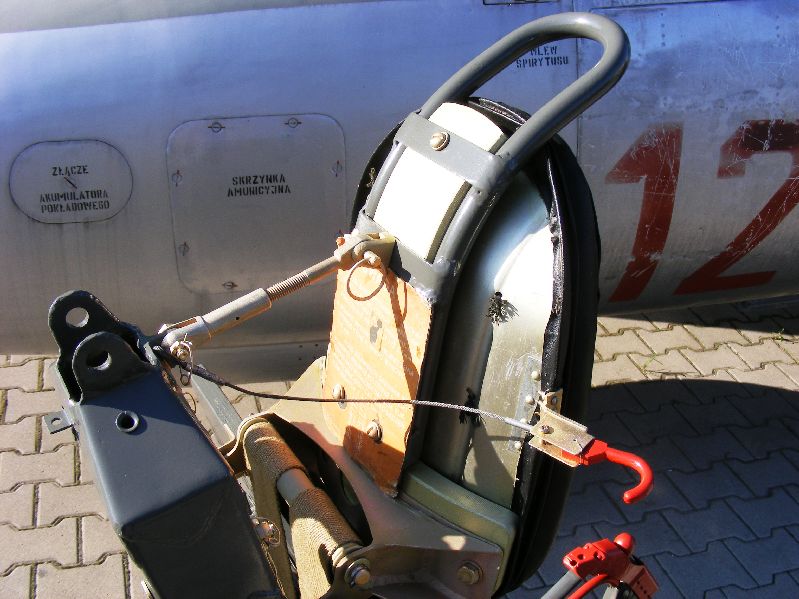
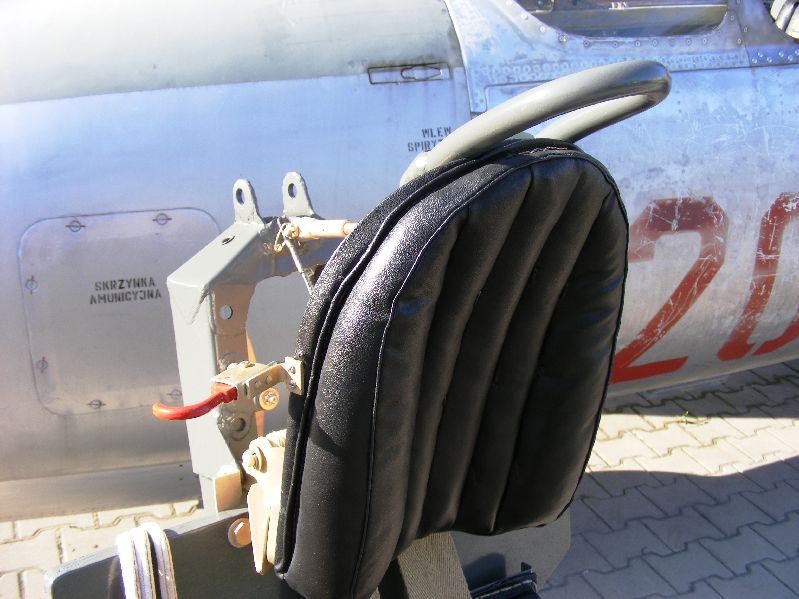
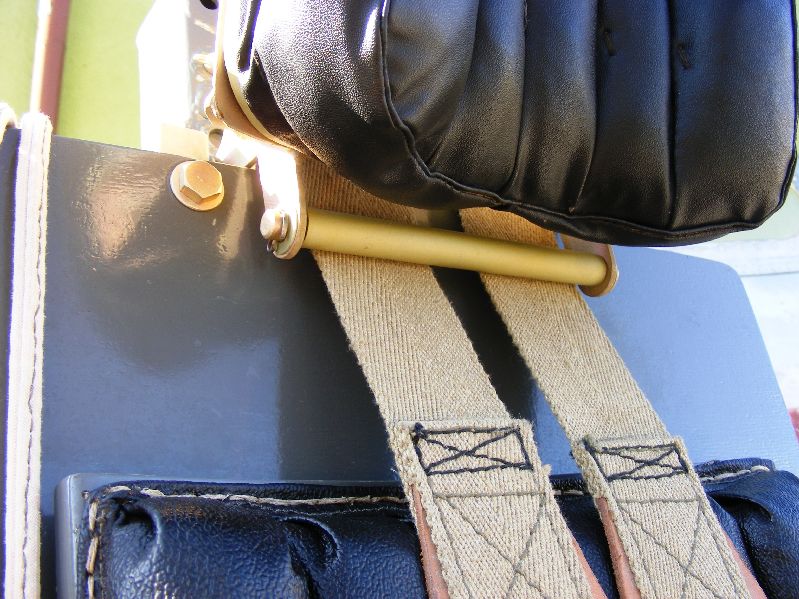
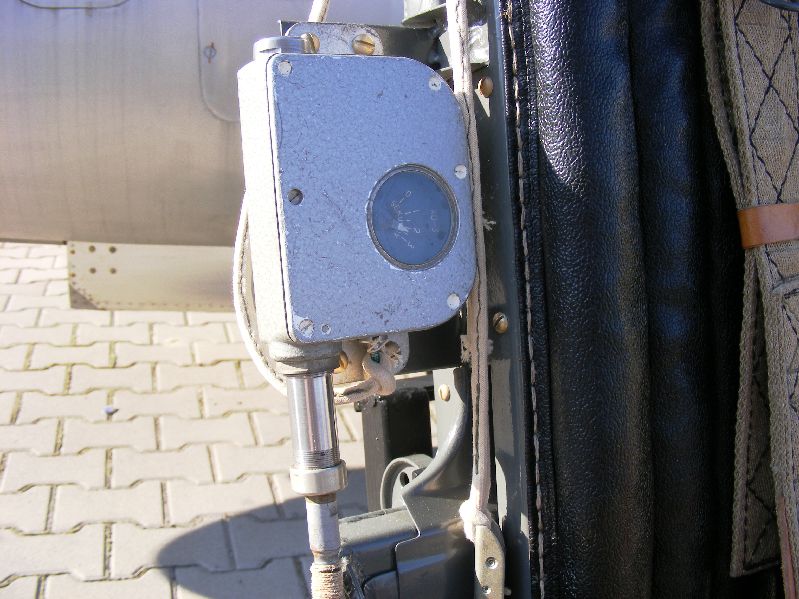
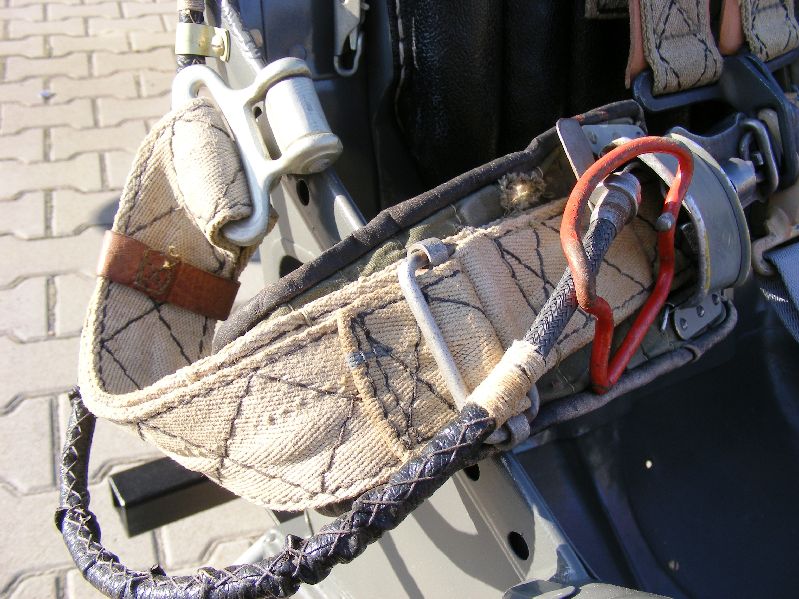
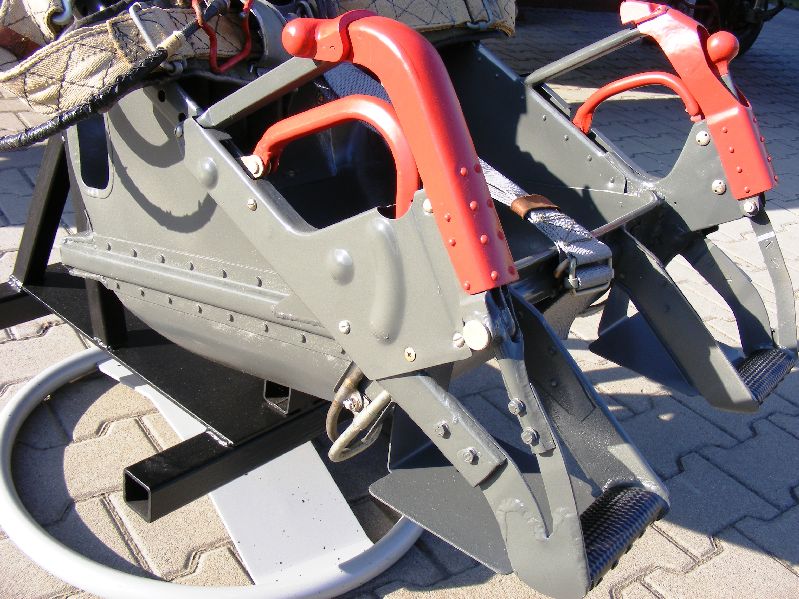
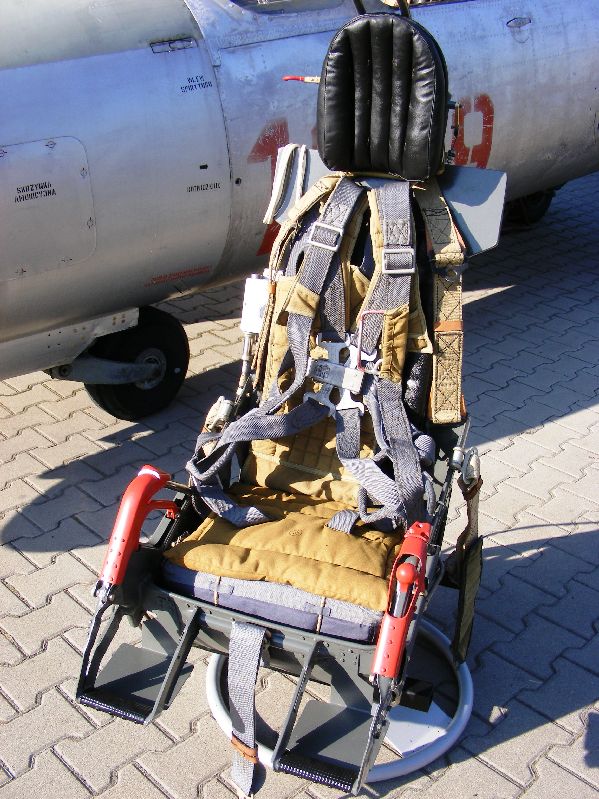
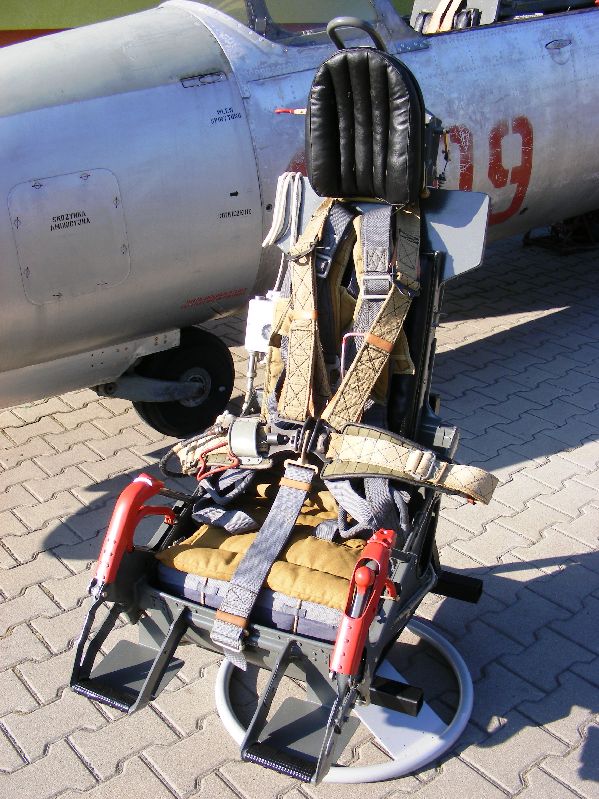
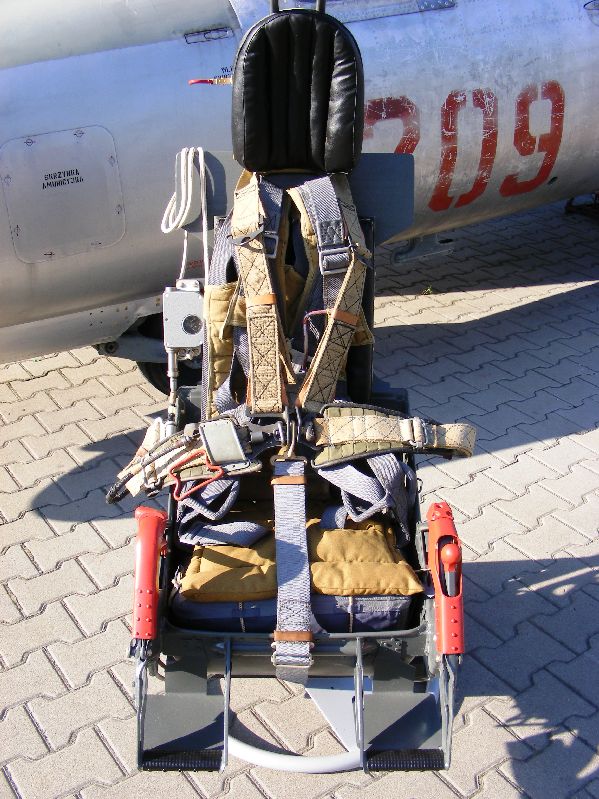
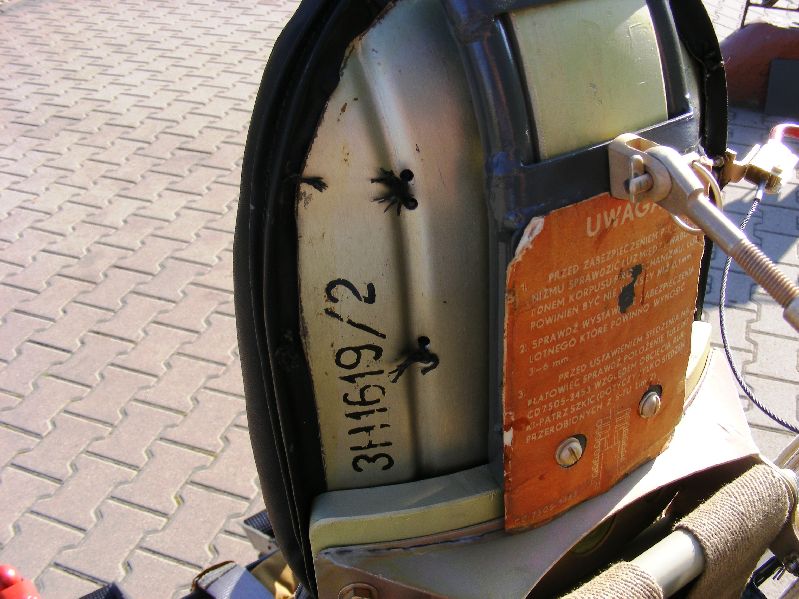
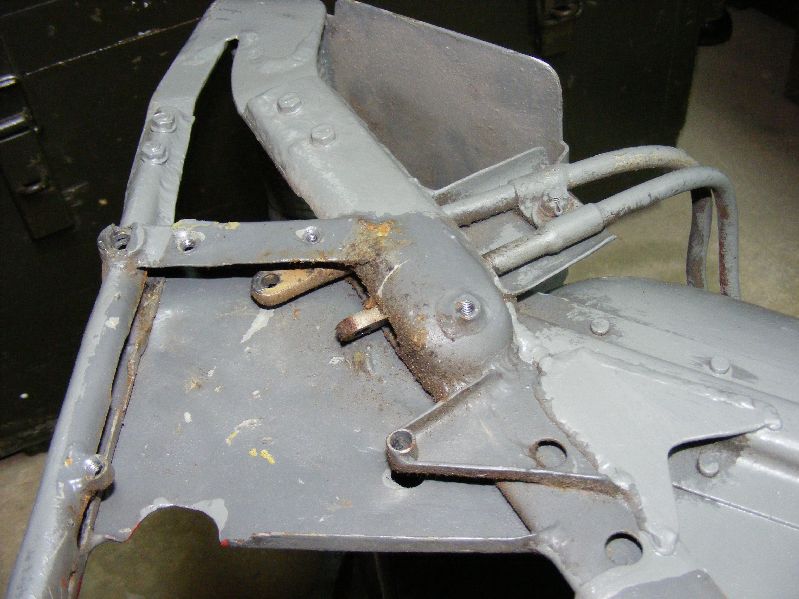
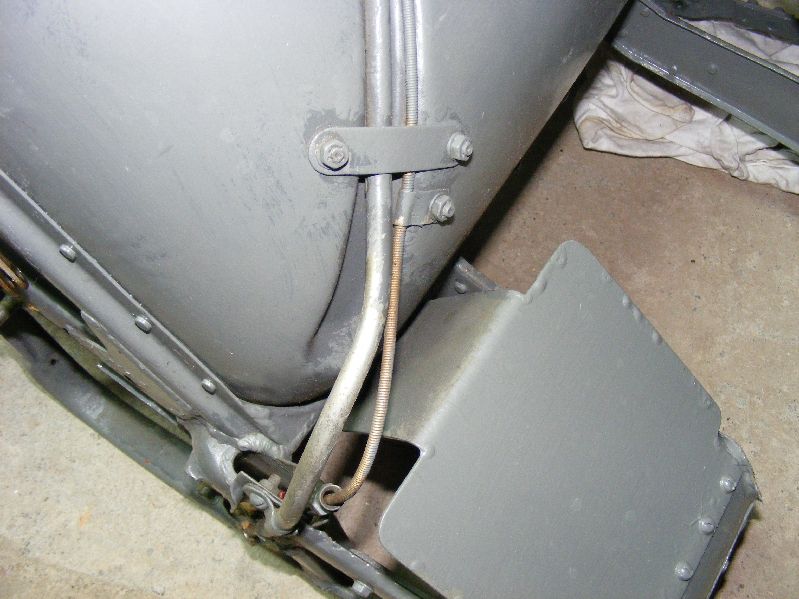
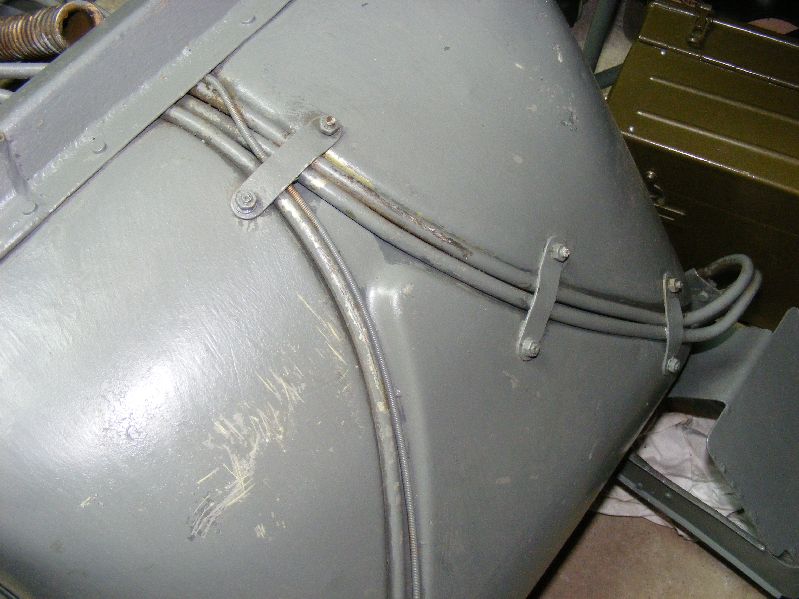
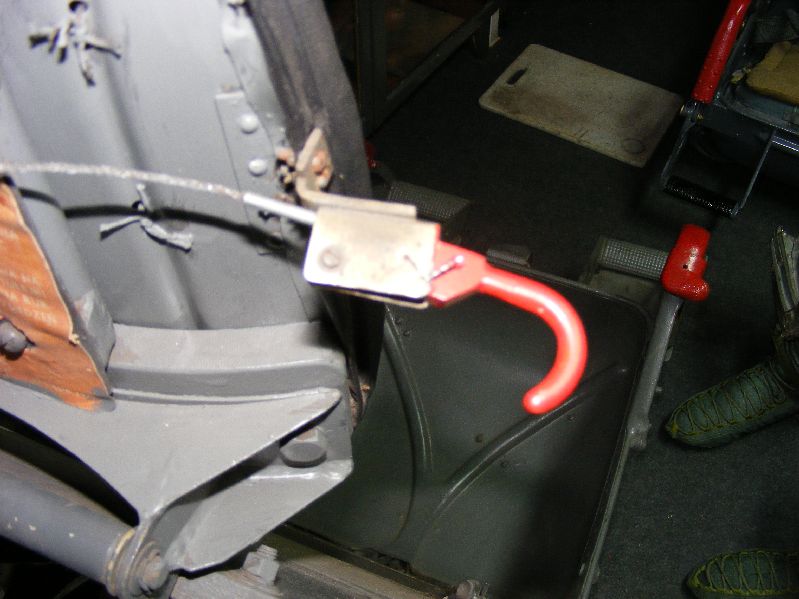
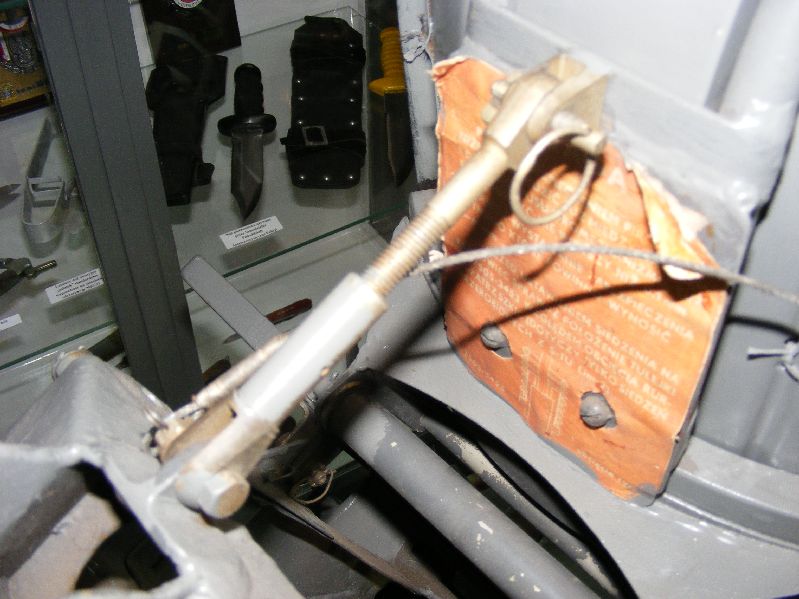
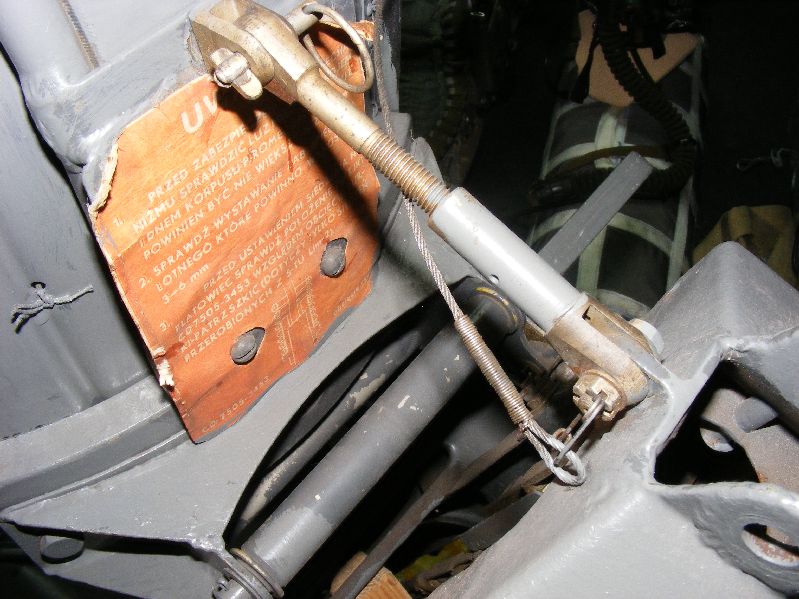
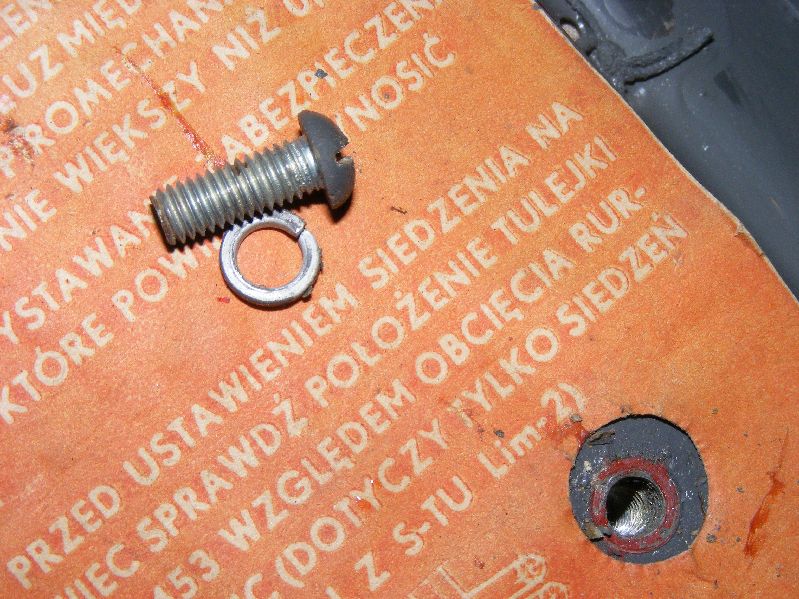
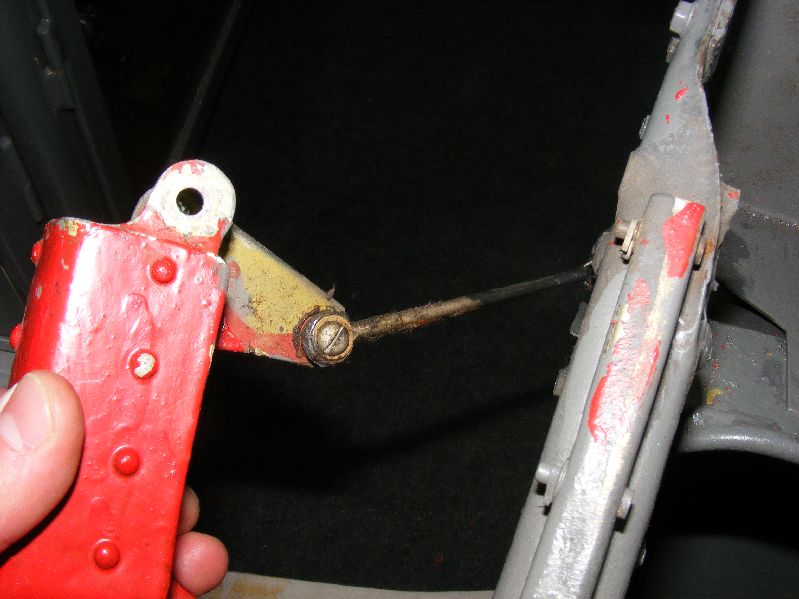
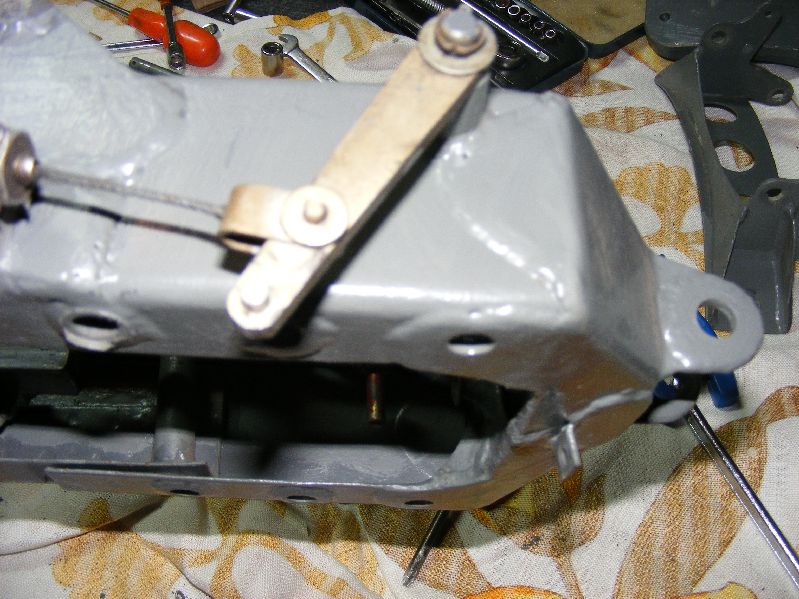
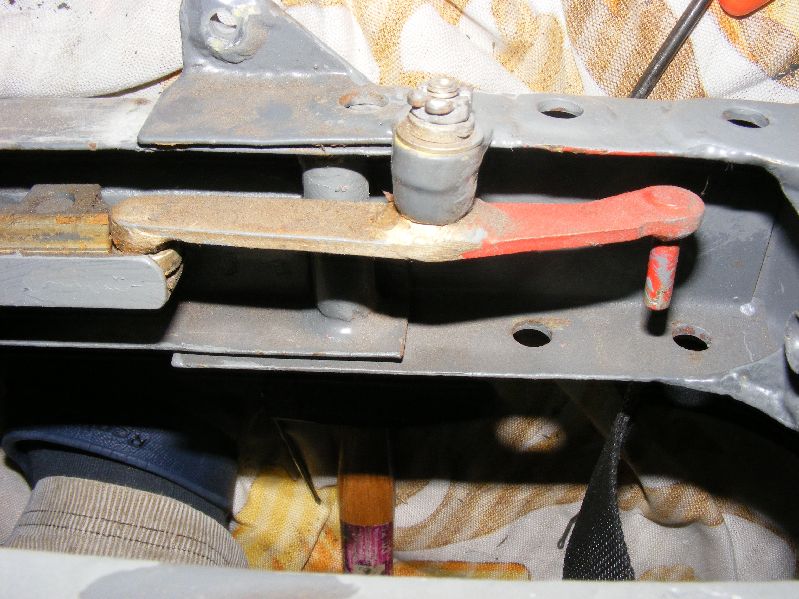
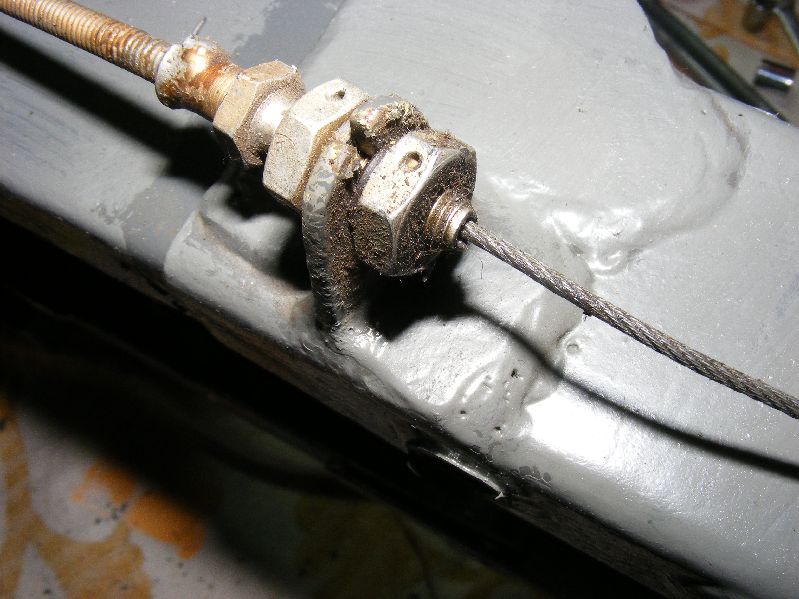
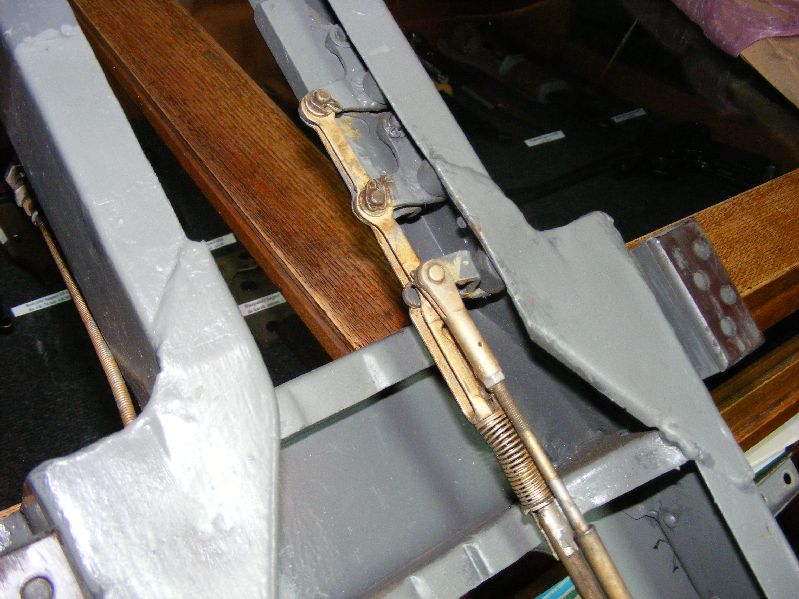
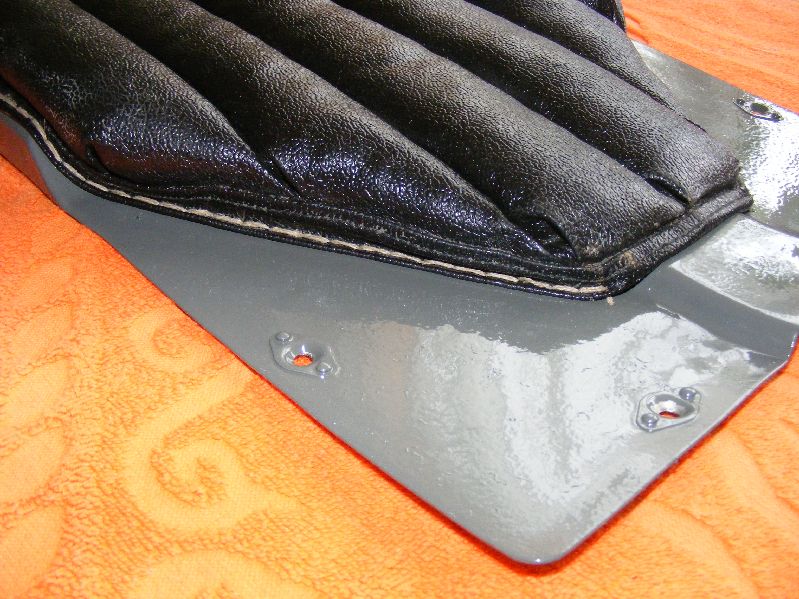
My seat, described and shown in the main gallery before a renovation that took about six months.
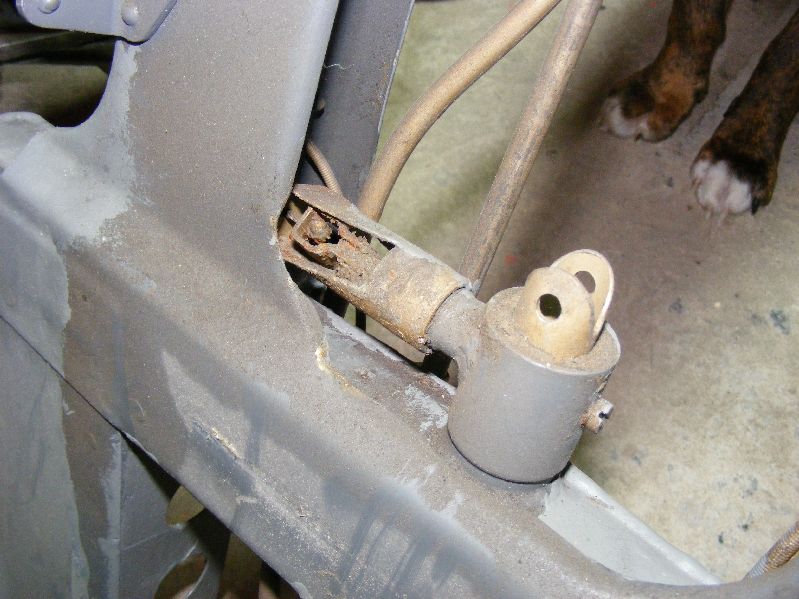
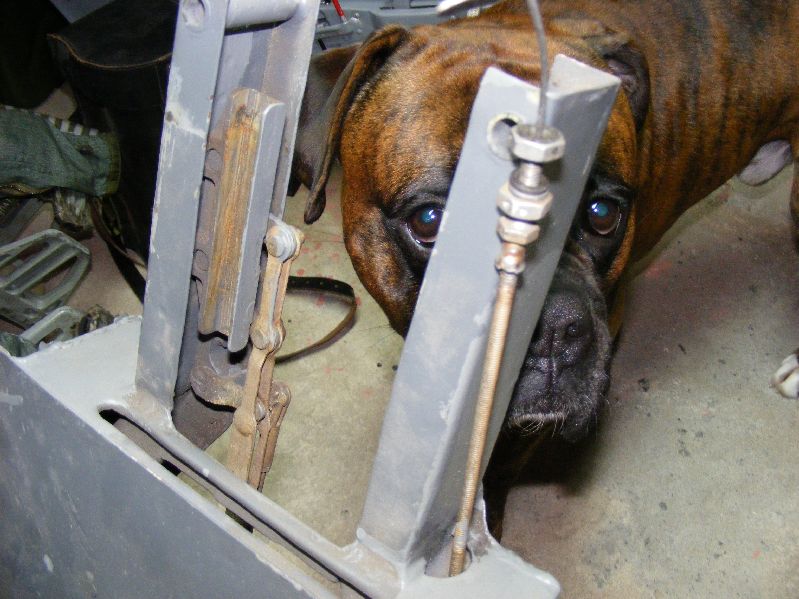
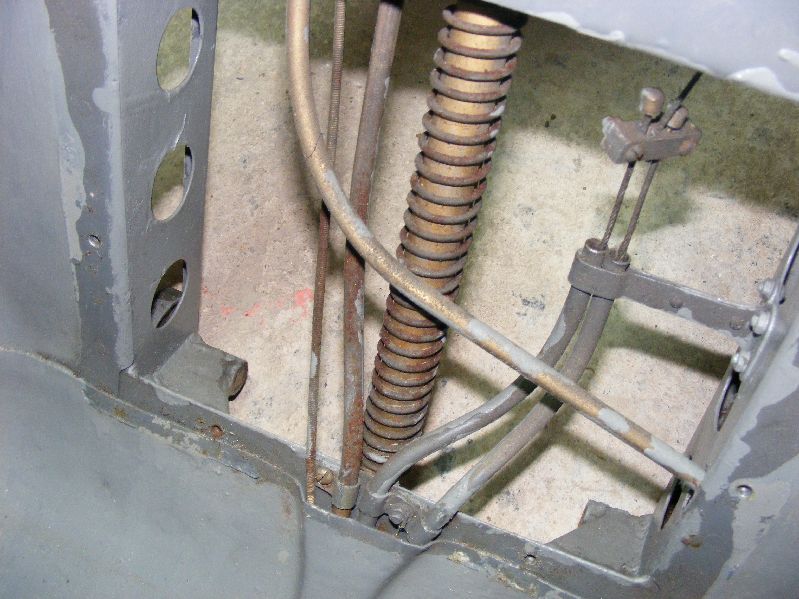
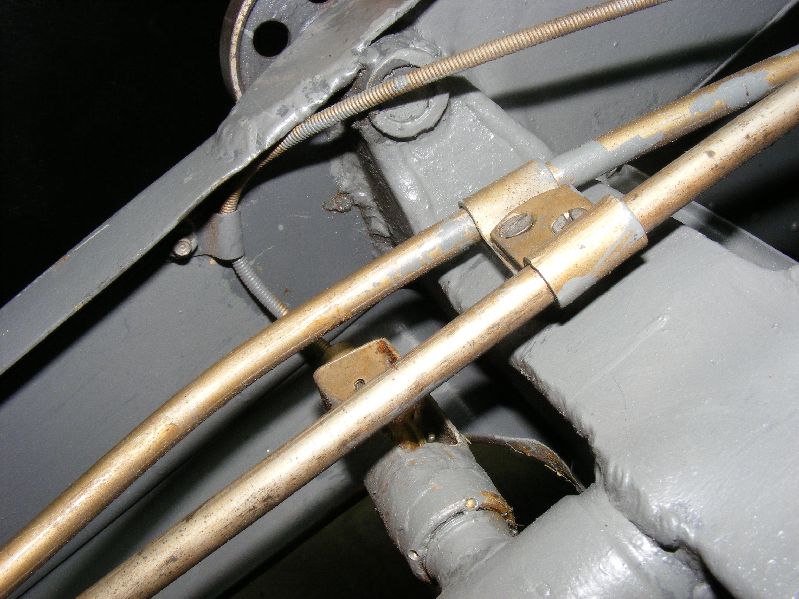
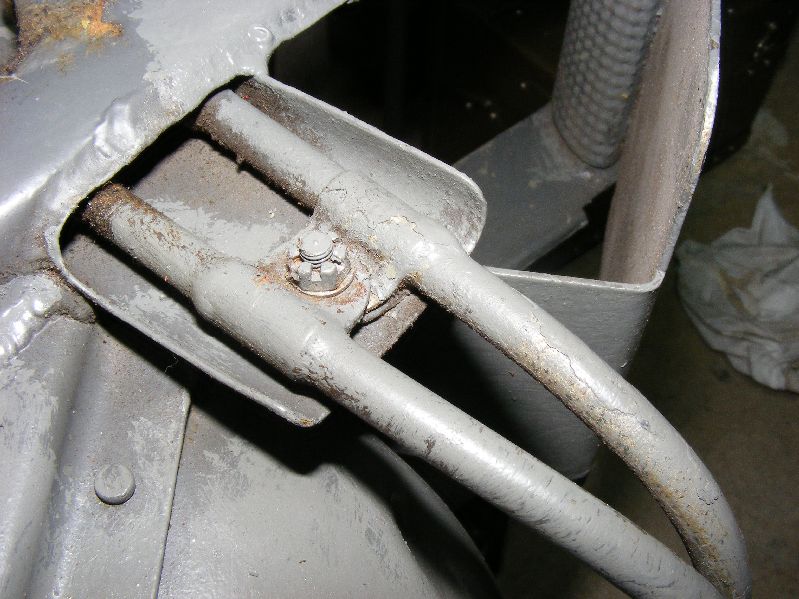
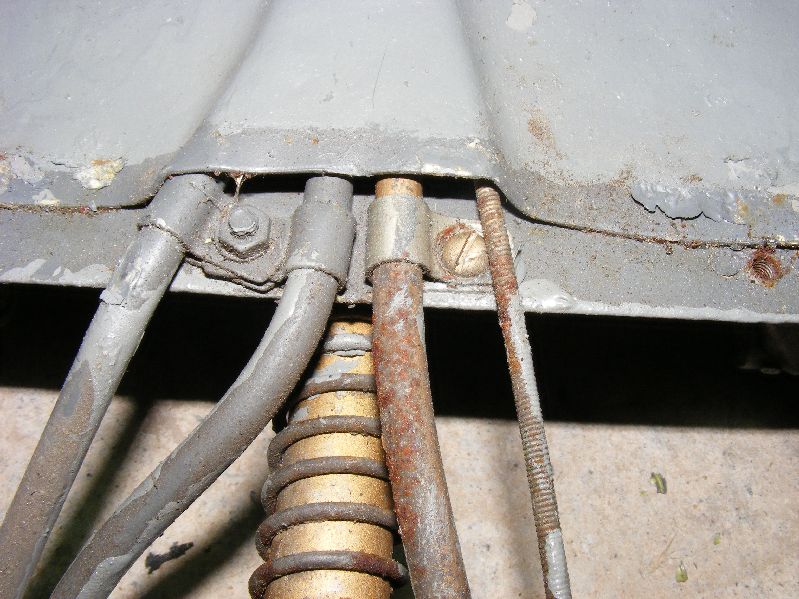
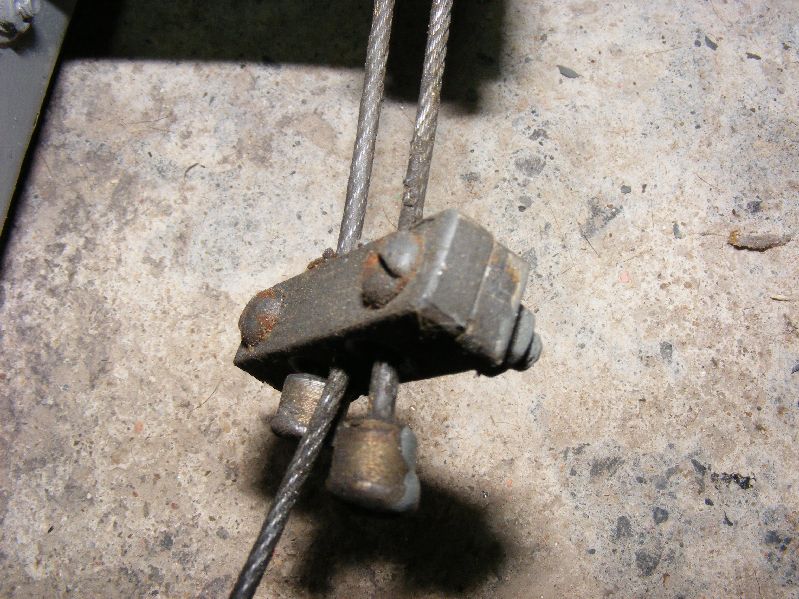
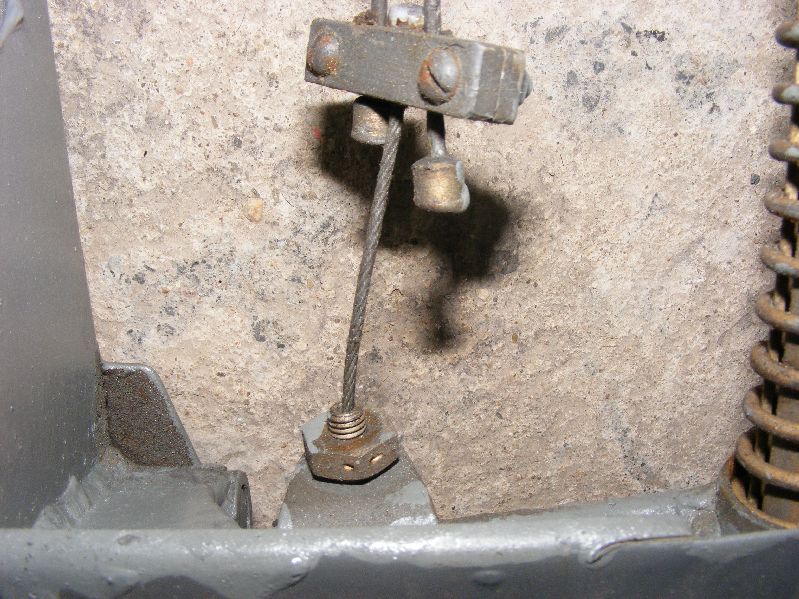
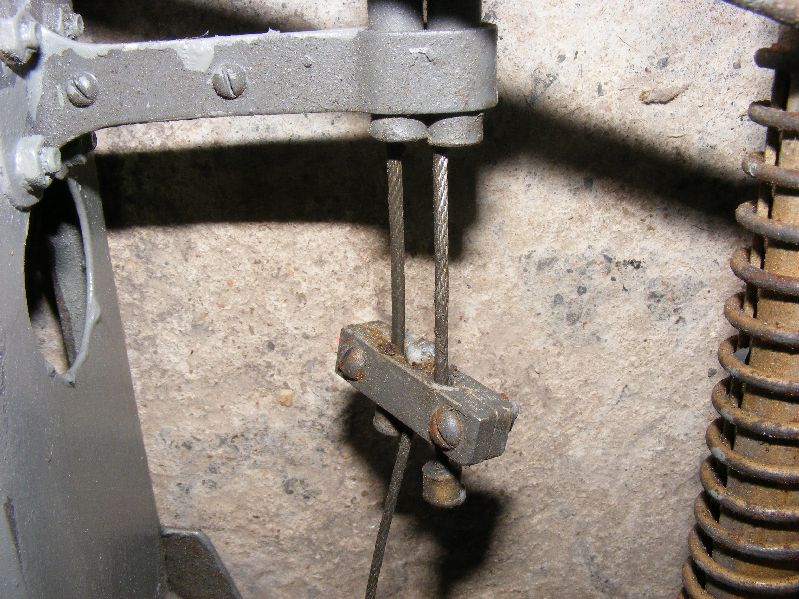
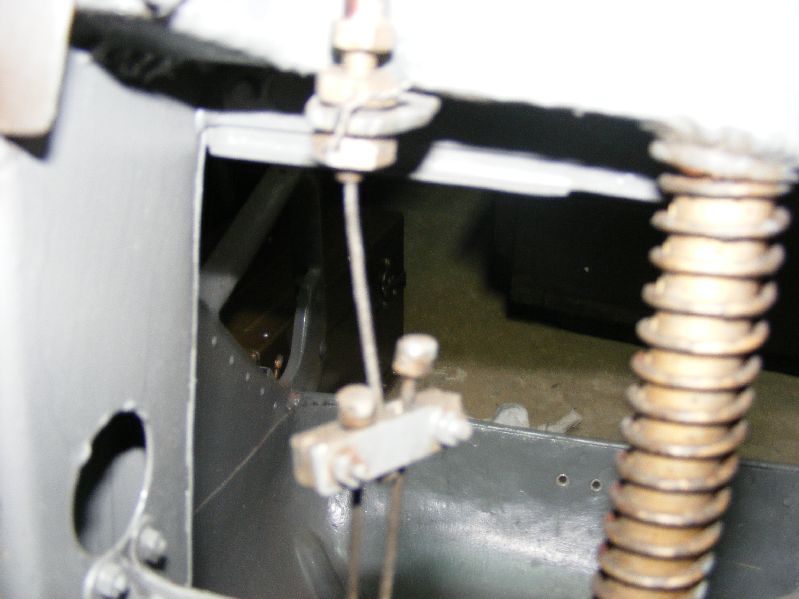
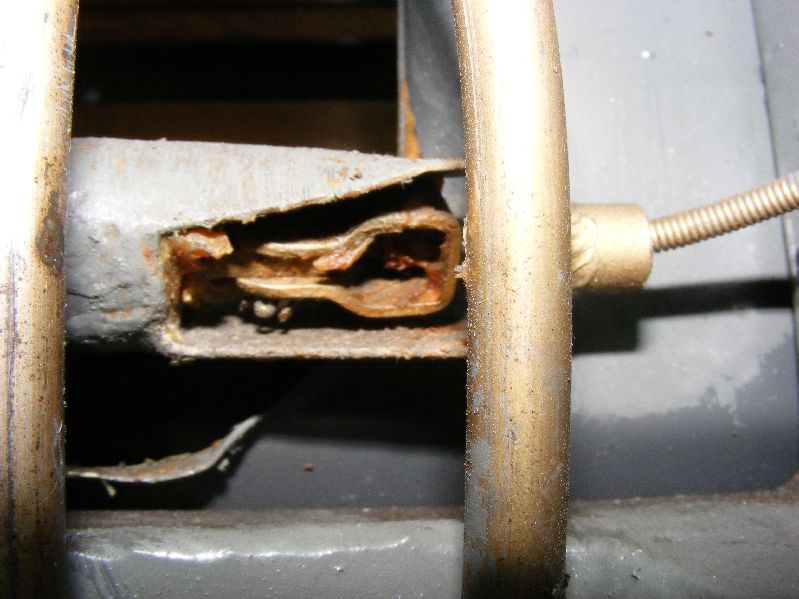
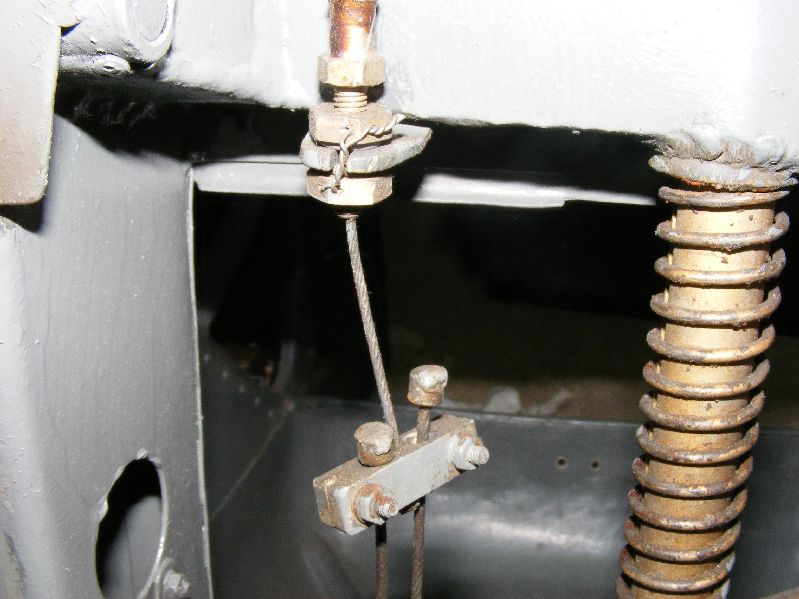
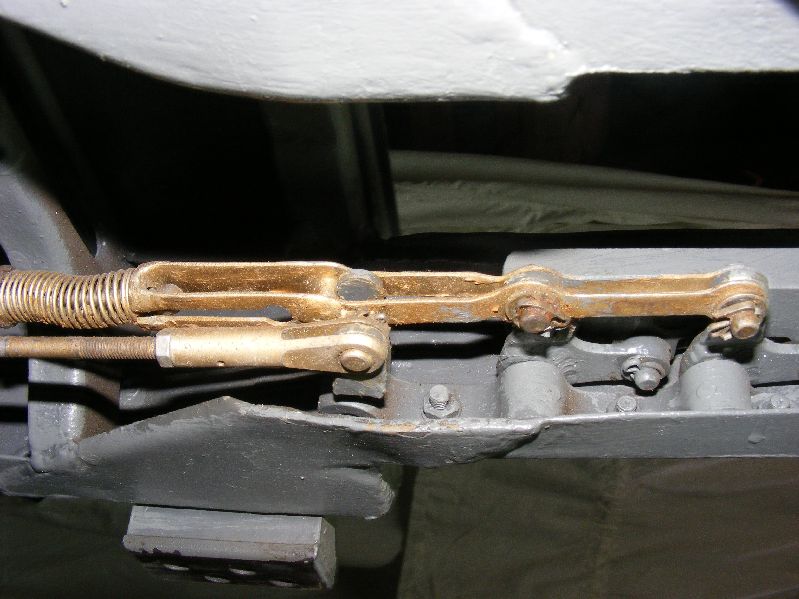
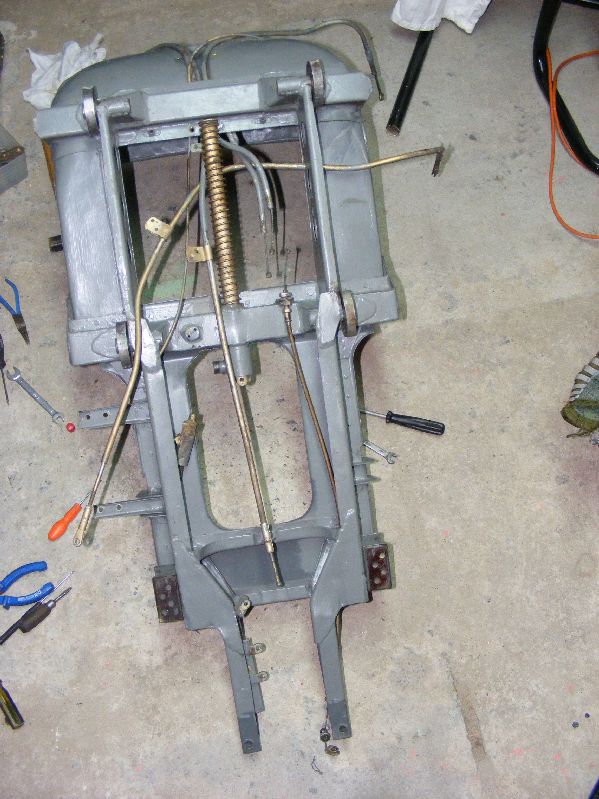
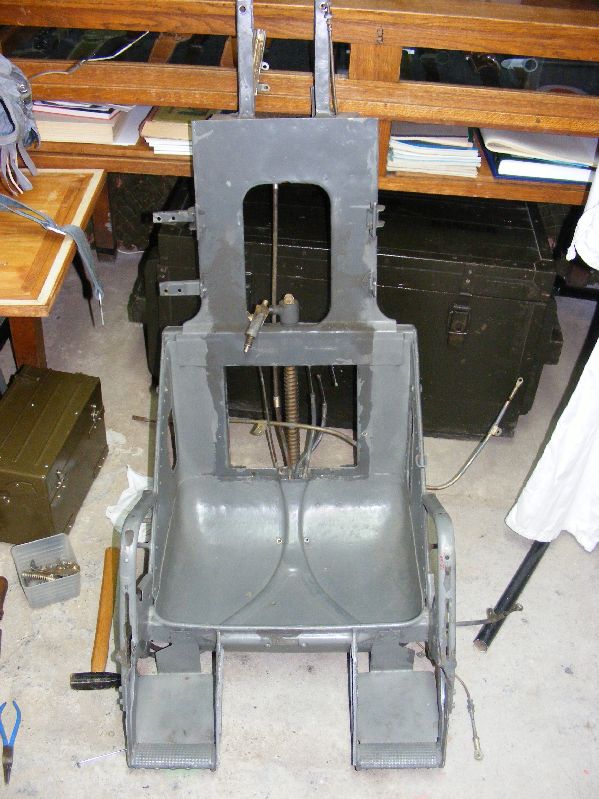
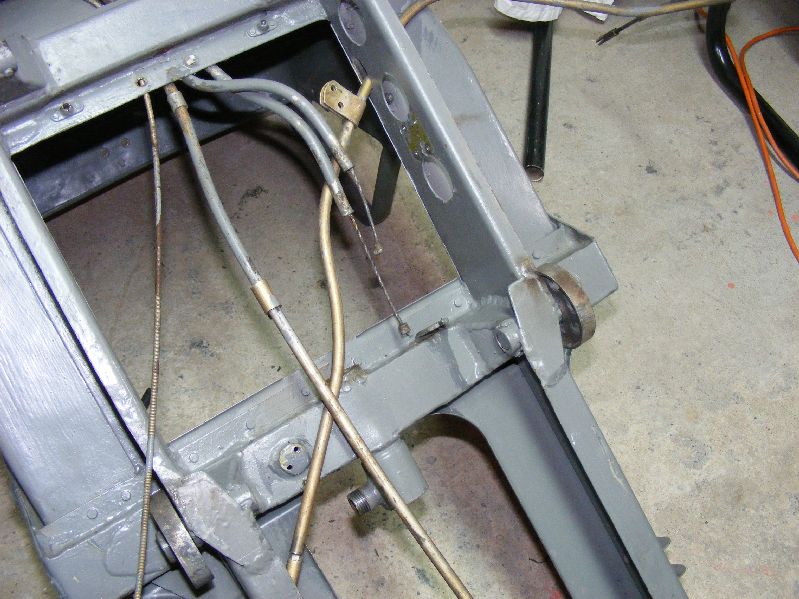
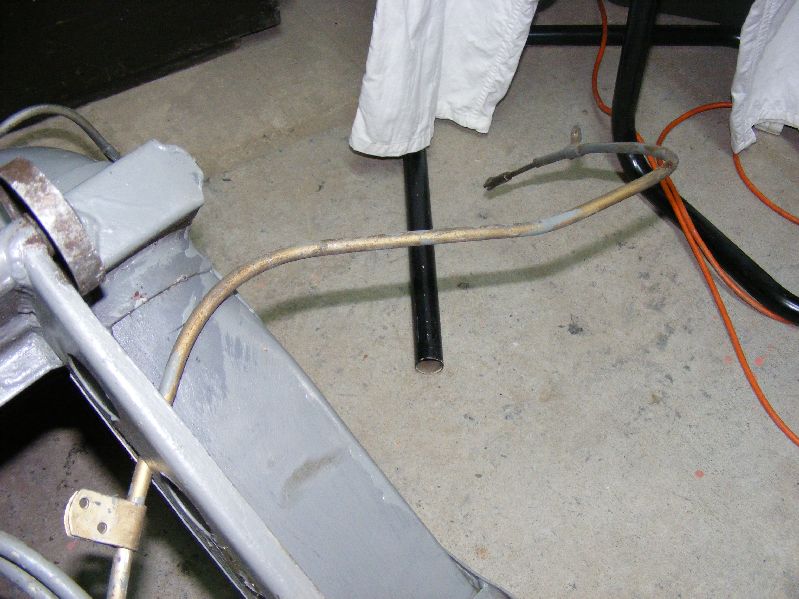
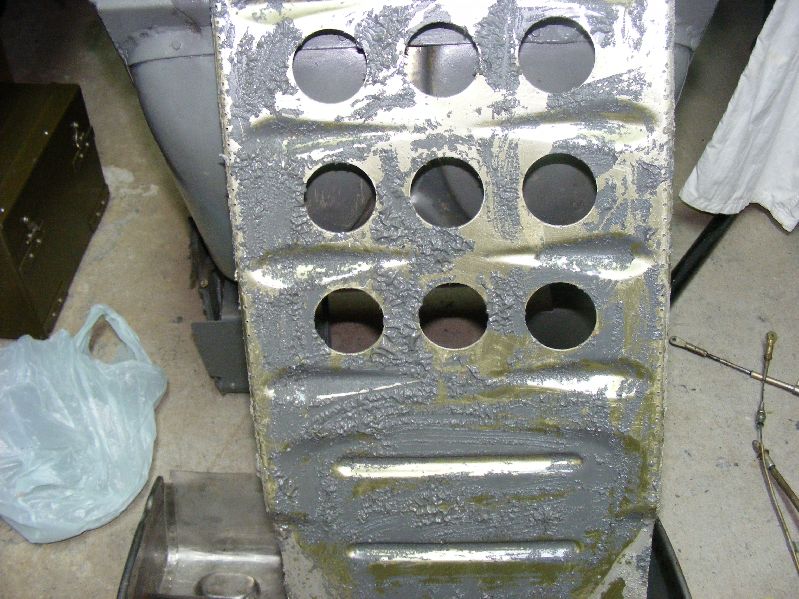
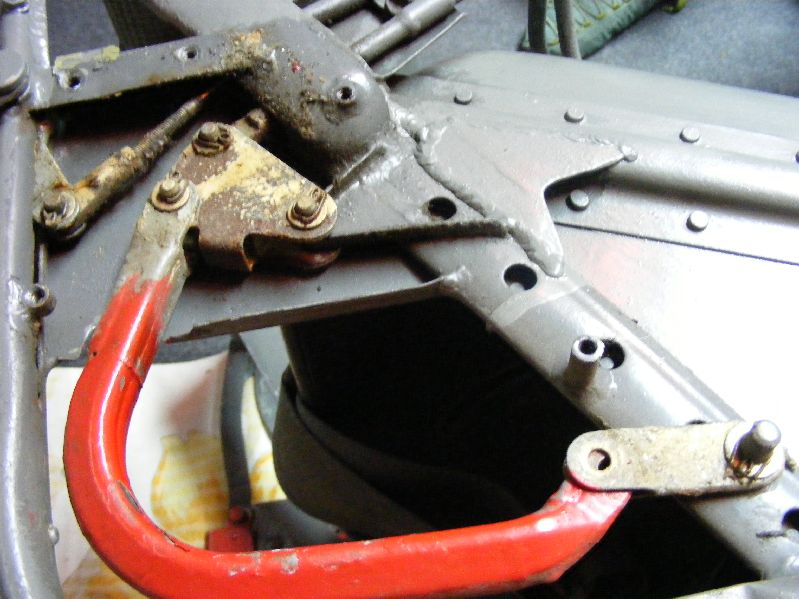
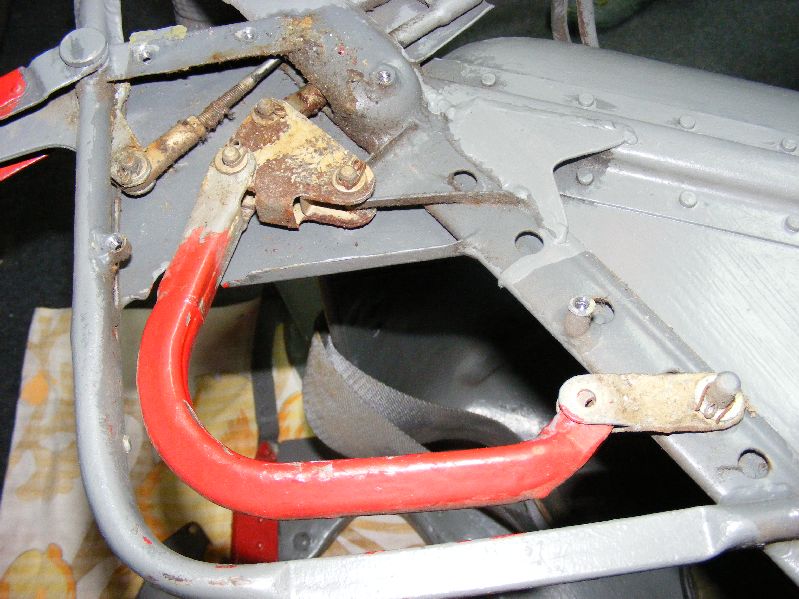
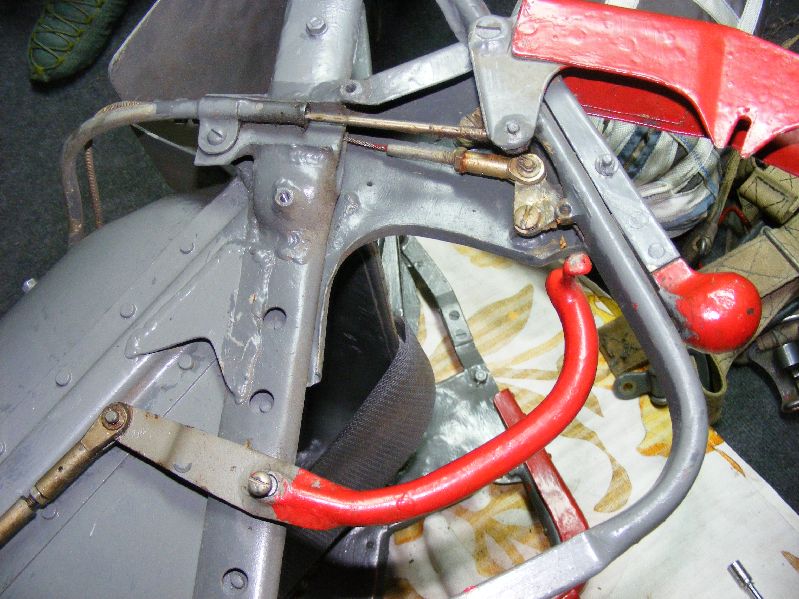
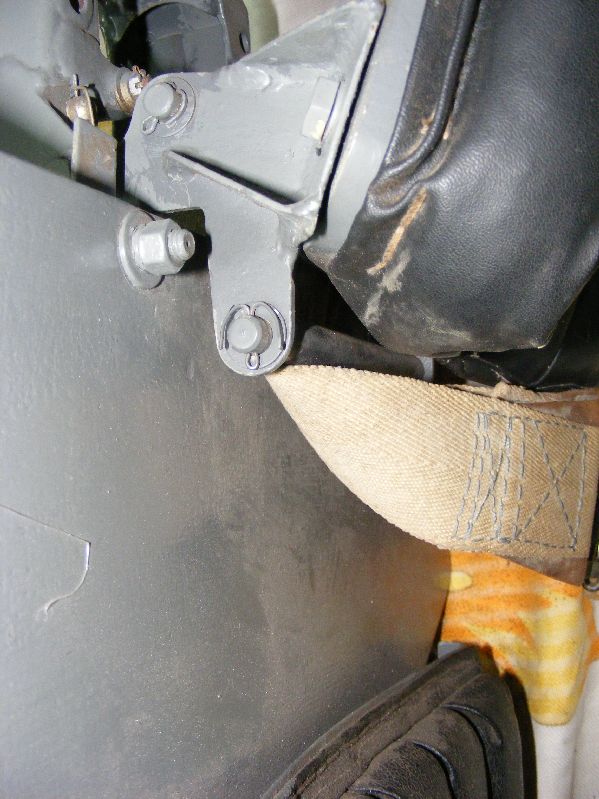
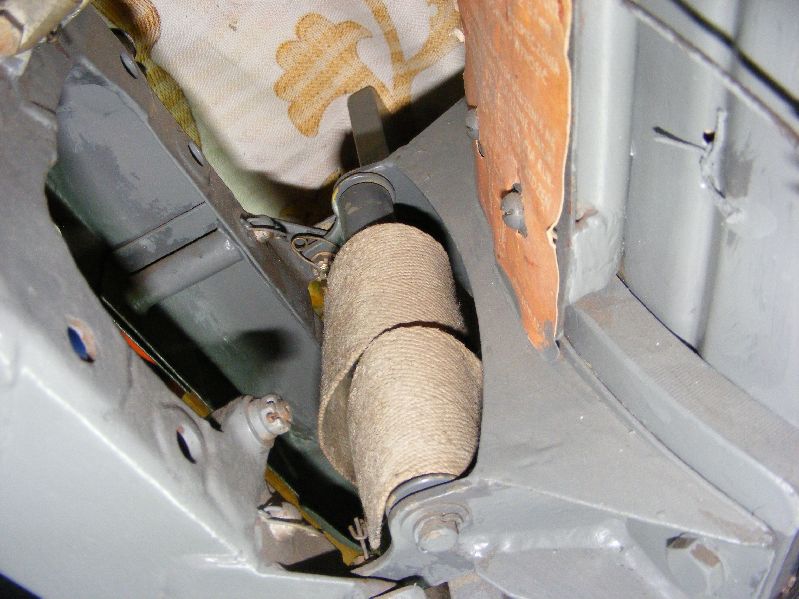
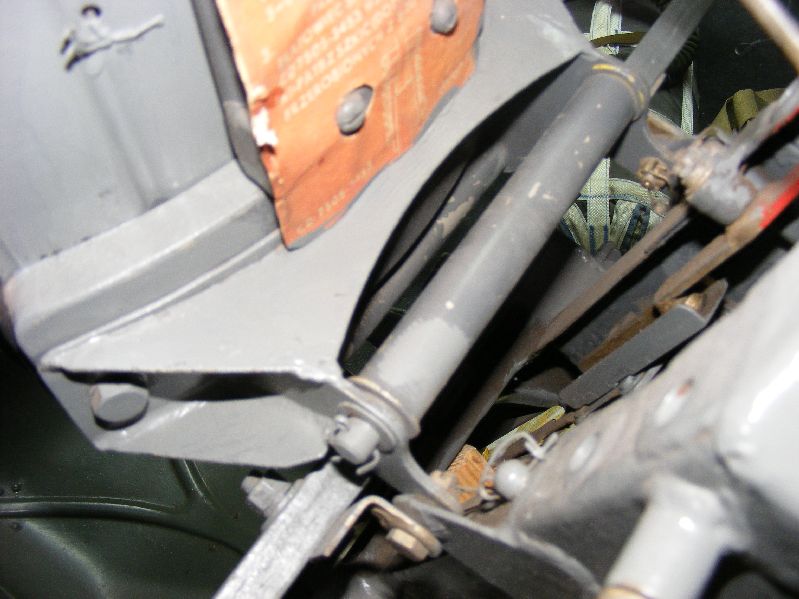
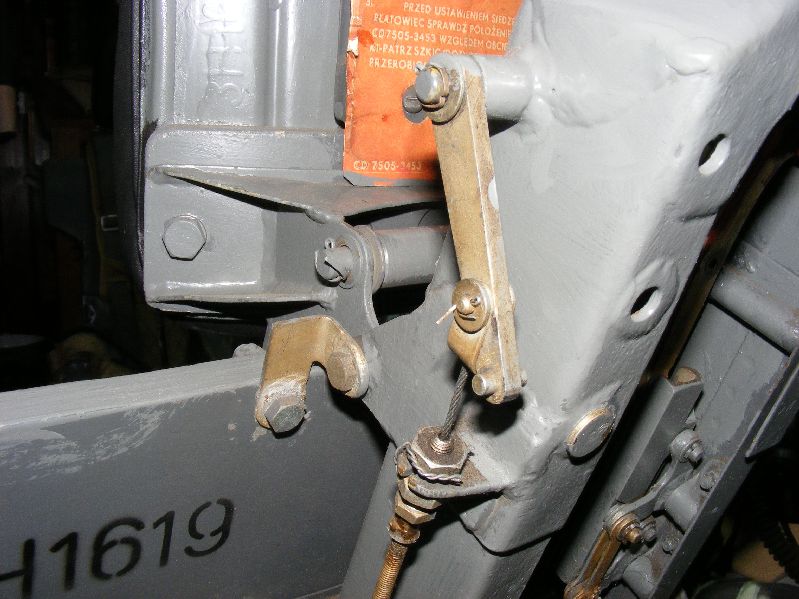
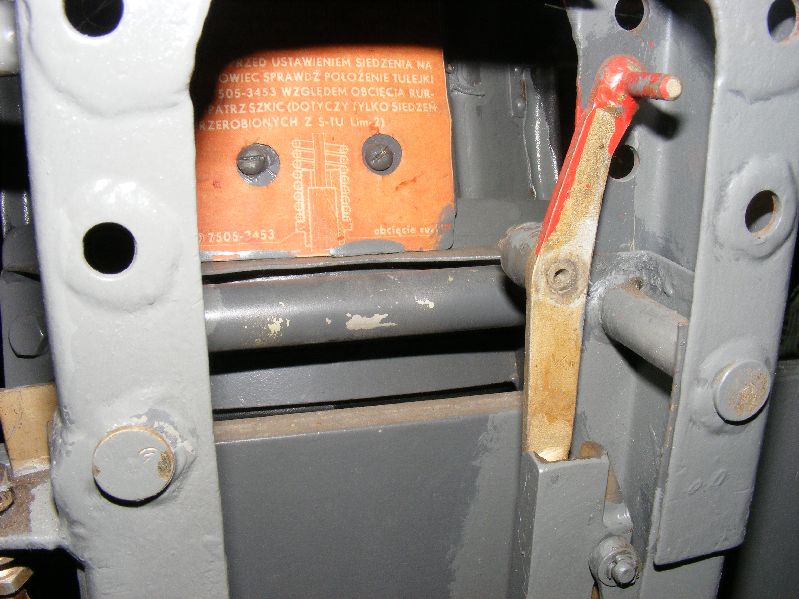
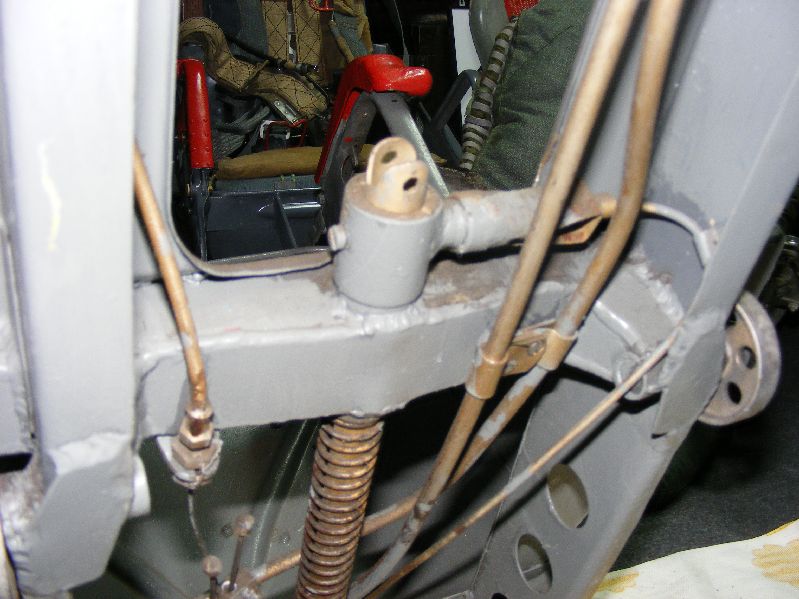
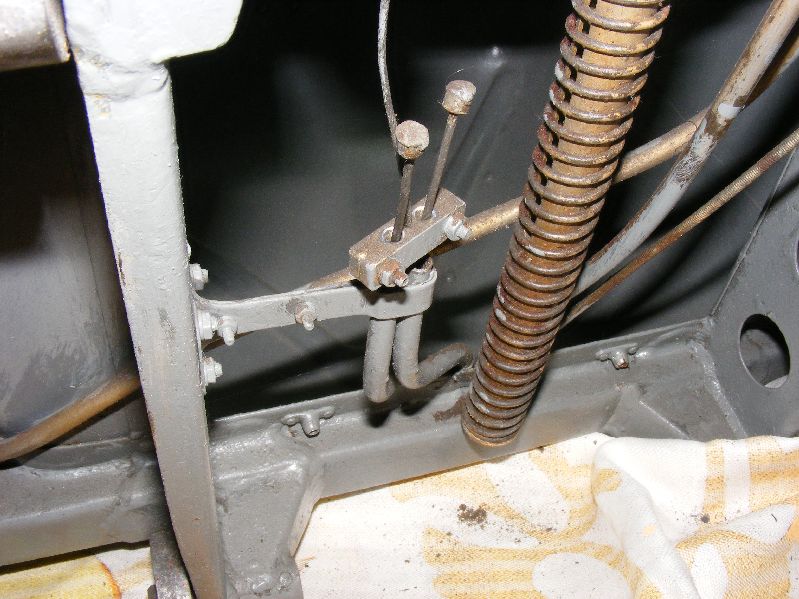
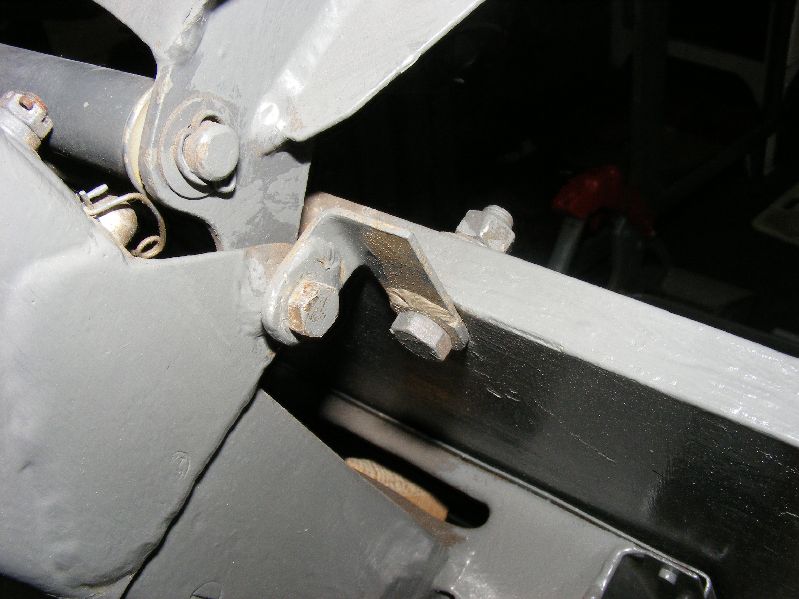
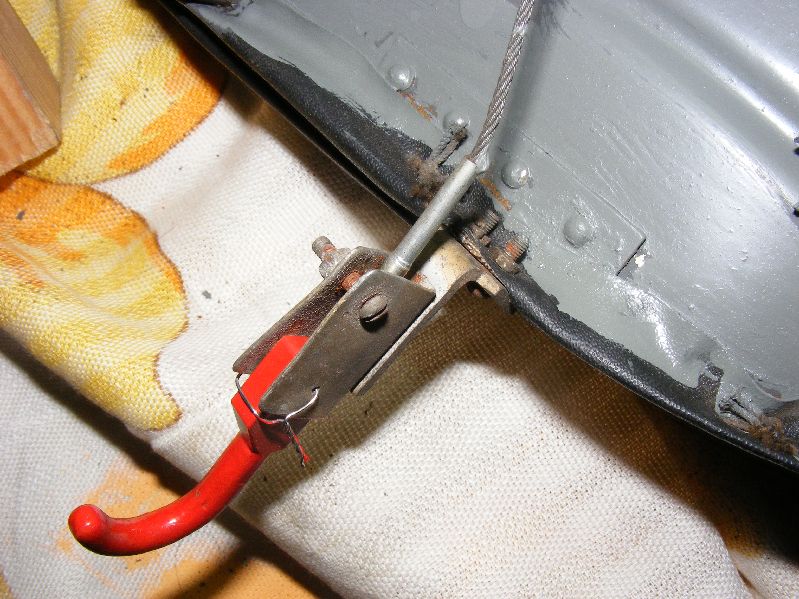
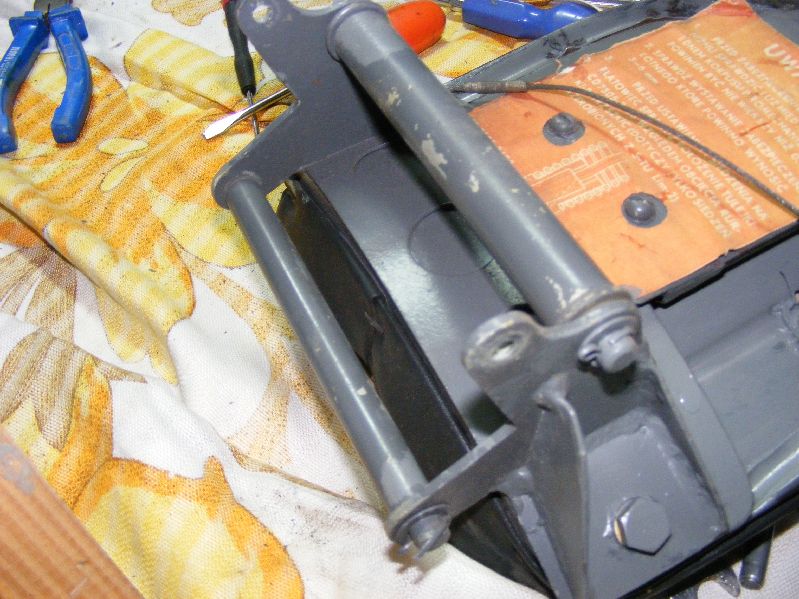
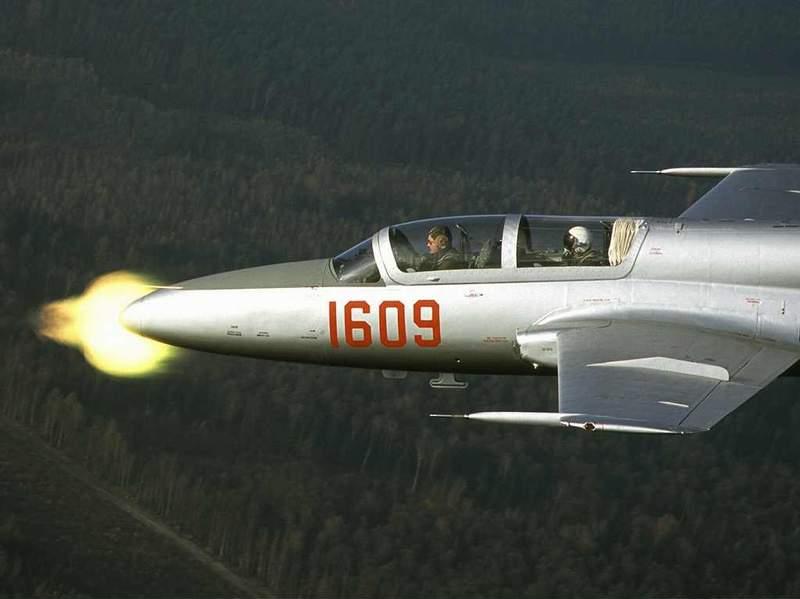
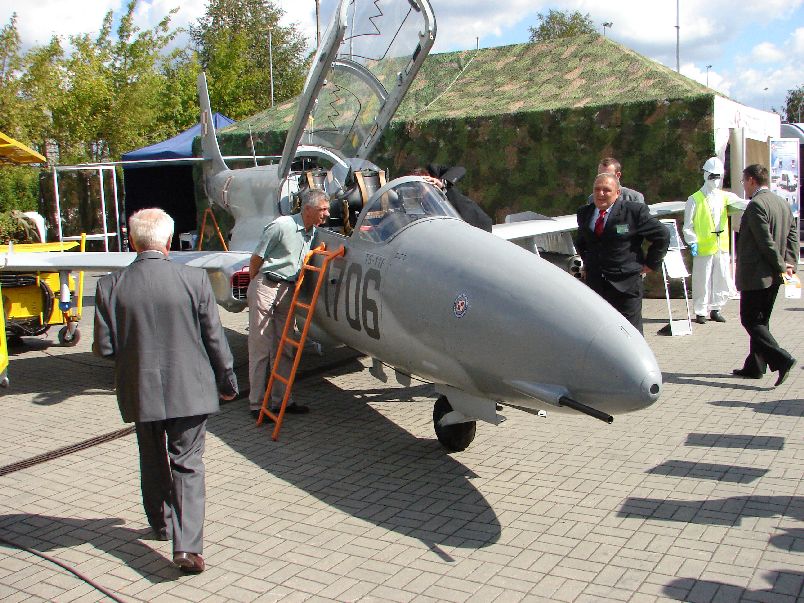
The Iskra from which my ejection seat comes.